
Final Fantasy VII Revelation: Release Date, Platforms and How the Remake Trilogy Concludes
Upcoming Games 15th September 2026 Jon Dingle
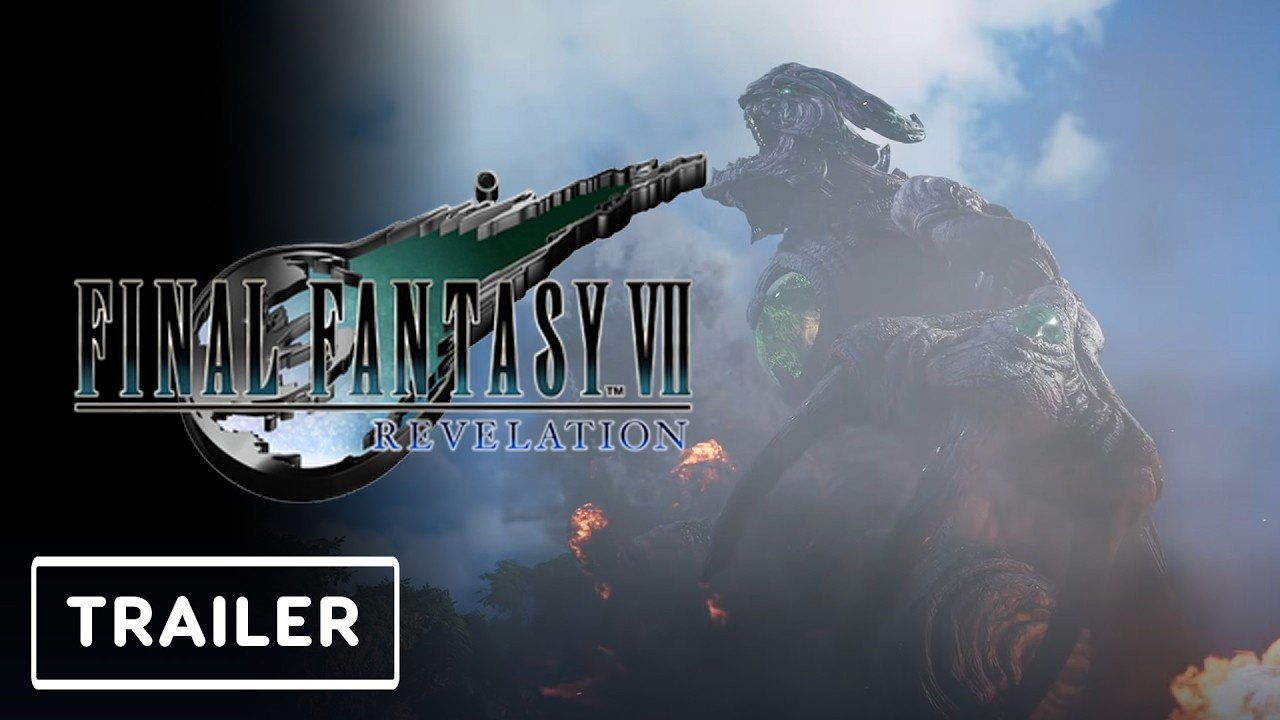
Official trailer key art © Square Enix.
Square Enix has confirmed the release date for Final Fantasy VII Revelation, the third and final chapter in its remake trilogy that began with Final Fantasy VII Remake in 2020 and continued with Rebirth in 2024. Here’s everything confirmed so far about release timing, platforms, characters, story, gameplay systems and how this closing chapter fits into one of the most ambitious remake projects in gaming history.
Release Date
Final Fantasy VII Revelation launches on 8 April 2027 across PlayStation 5, Xbox Series X|S, Nintendo Switch 2 and PC via Steam, the Microsoft Store and the Epic Games Store, with both physical and digital editions available at launch. It marks the first time a mainline entry in the remake trilogy has launched simultaneously across every current-generation platform, rather than starting as a timed PlayStation console exclusive the way both Remake and Rebirth originally did.
Playable Characters
Eight characters are confirmed as playable: Cloud, Barret, Tifa, Yuffie, Red XIII, Cait Sith, Vincent and Cid, giving the conclusion of the trilogy its largest roster yet. Notably absent from that list at the time of writing is Aerith, whose status following Rebirth’s ending has been one of the most heavily debated plot threads among fans since 2024, and Square Enix has kept tight-lipped on whether or how she factors into Revelation’s story.
Quick Facts
- Game: Final Fantasy VII Revelation
- Release date: 8 April 2027
- Publisher/Developer: Square Enix
- Platforms: PS5, Xbox Series X|S, Nintendo Switch 2, PC (Steam, Microsoft Store, Epic Games Store)
- Playable characters: Cloud, Barret, Tifa, Yuffie, Red XIII, Cait Sith, Vincent, Cid
- Part of: The Final Fantasy VII Remake trilogy (Remake, Rebirth, Revelation)
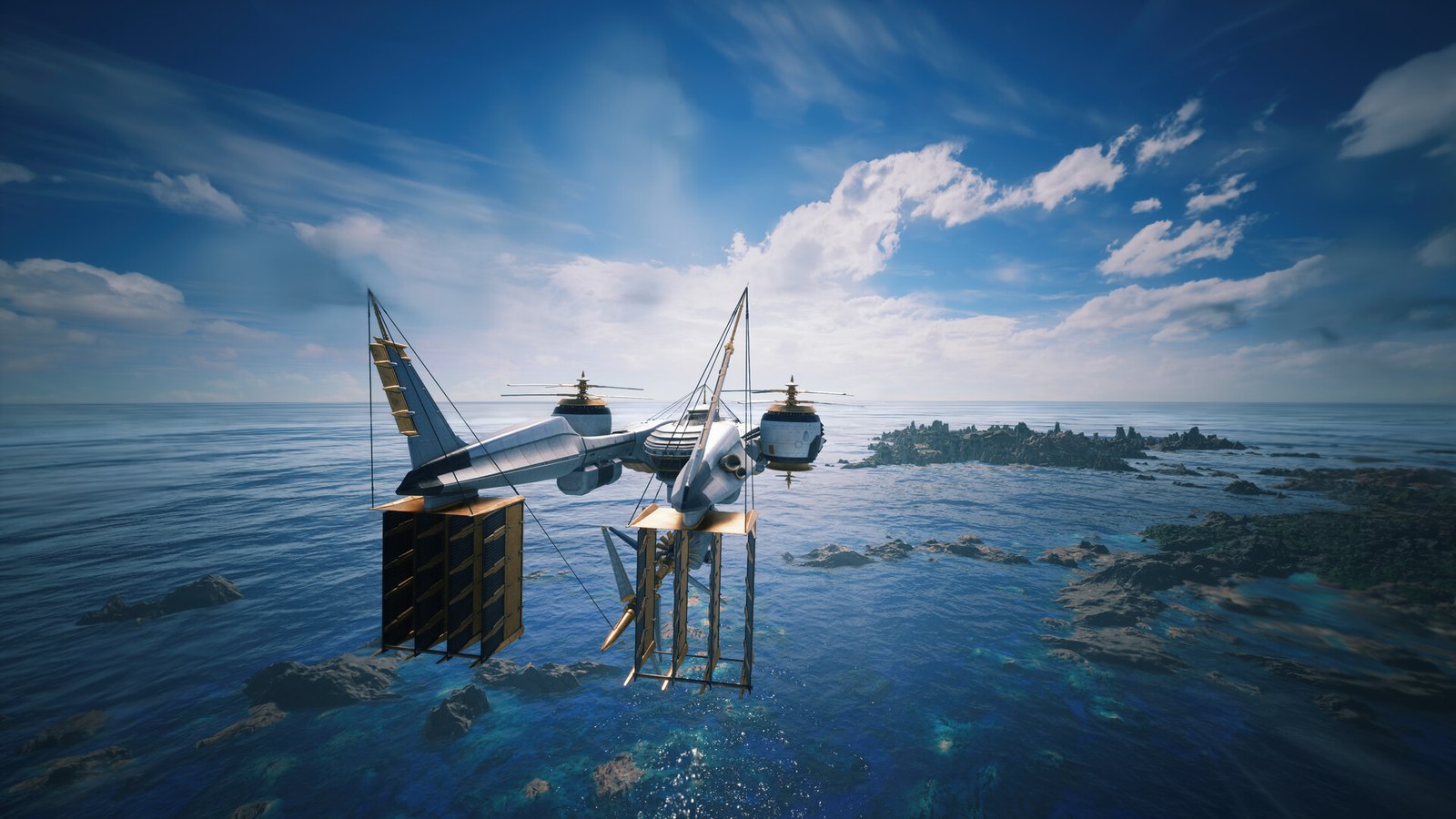
Screenshot © Square Enix.
How We Got Here: The Remake Trilogy So Far
Square Enix first announced it was remaking Final Fantasy VII, one of the best-selling and most influential RPGs of all time, in 2015, but the project didn’t take shape as a multi-part release until years later. Final Fantasy VII Remake arrived in 2020, retelling only the opening Midgar section of the original 1997 game as a full-length, high-budget release in its own right, and introducing new mysterious antagonists, the Whispers, that signalled the story would diverge from the original in significant ways.
Final Fantasy VII Rebirth followed in 2024, covering the middle section of the original game — the party’s journey across the wider world after leaving Midgar — and ending on one of the most divisive and debated cliffhangers in the series’ history involving Aerith’s fate. That ending left an enormous amount riding on Revelation to resolve, both in terms of the reworked plot threads introduced across the first two games and the emotional weight built up around the original story’s most famous moment.
Story and Gameplay
Revelation concludes the trilogy’s retelling of Final Fantasy VII, with the party working to stop Sephiroth’s plan to crash Meteor into the planet while he corrupts the world’s guardian Weapons. New to this instalment is open-world exploration built around the Highwind airship as a central hub, alongside Piko, an upgradable chocobo mount usable for both ground travel and combat. The FITS system returns each character to four equippable outfit variants that meaningfully change their abilities, and the Queen’s Blood card-battling minigame is back with new variants.
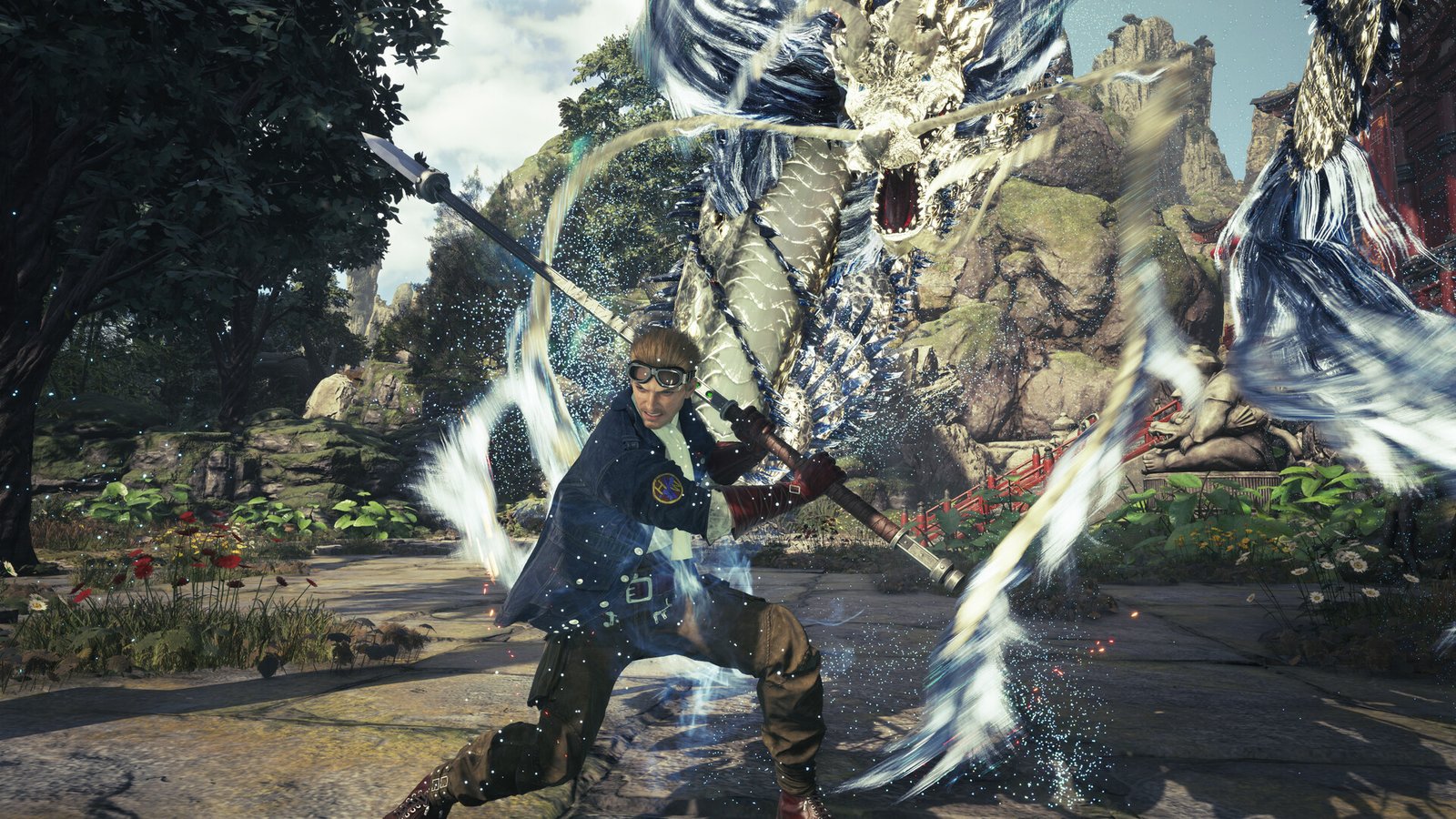
Party combat. Screenshot © Square Enix.
The Highwind as an Open-World Hub
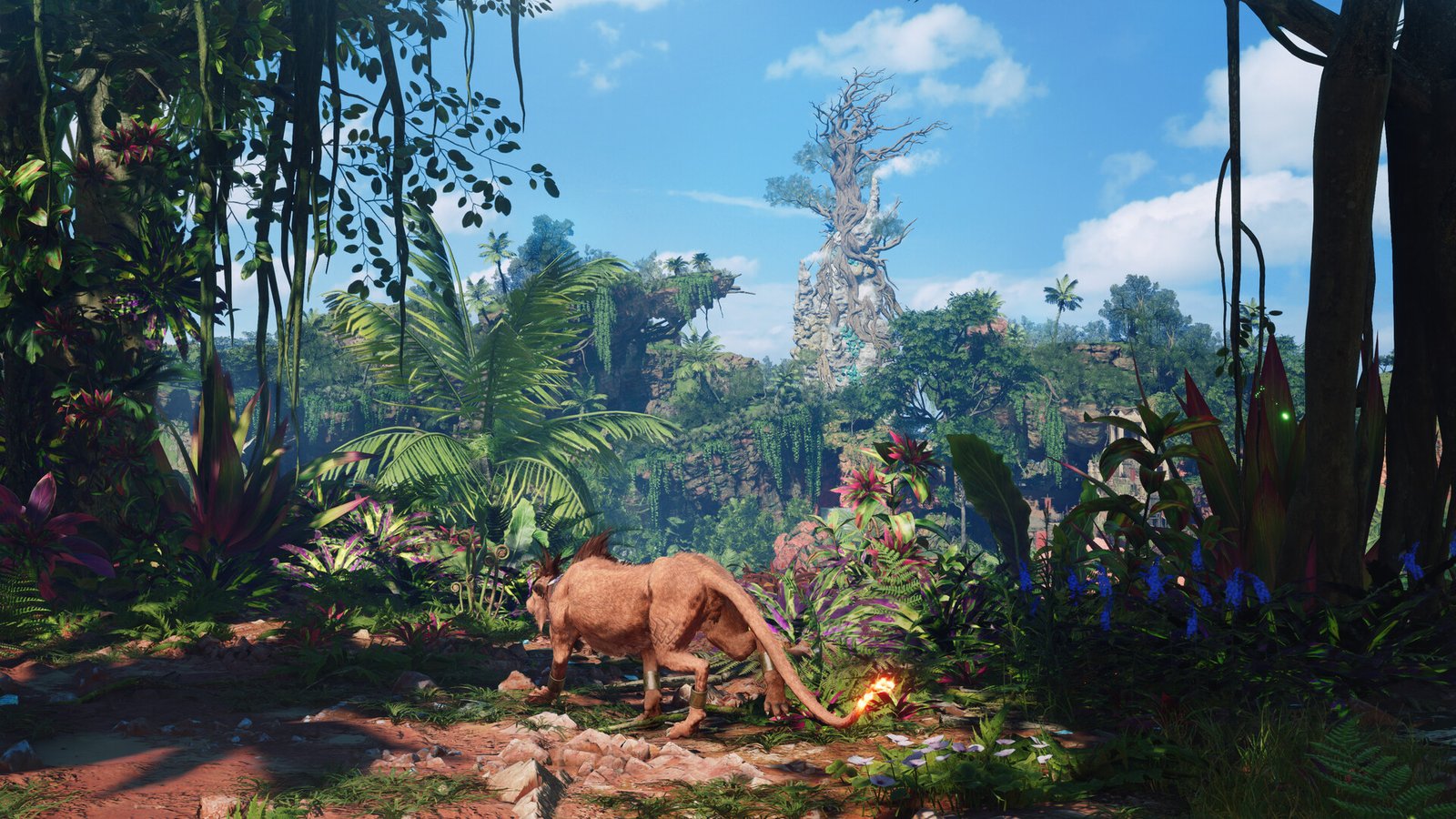
Using the Highwind airship as a mobile home base and fast-travel hub is a significant structural shift for the trilogy. Rather than exploring one large connected region at a time, as Rebirth did with its open zones, Revelation is expected to let players fly freely to previously visited locations and new areas alike, echoing how the original 1997 game used the Highwind to open up the entire world map in its final act. Early footage shows the airship’s interior serving as a social hub between party members, continuing the trilogy’s emphasis on character-building side content alongside the main plot.
Open-world exploration. Screenshot © Square Enix.
Piko, FITS and Queen’s Blood Explained
Piko is the new chocobo companion introduced for Revelation, and unlike the temporary, area-specific chocobo rentals of Rebirth, Piko is upgradable and usable across the whole game, in and out of combat. The FITS system (Fully Interchangeable Tactical Style) gives each of the eight playable characters four distinct outfit variants, each altering their combat abilities and playstyle rather than being purely cosmetic, adding a deeper layer of party customisation than either of the previous two games offered. Queen’s Blood, the card-battling minigame introduced in Rebirth, returns with new card sets and rule variants, continuing to serve as one of the trilogy’s most popular pieces of optional content.
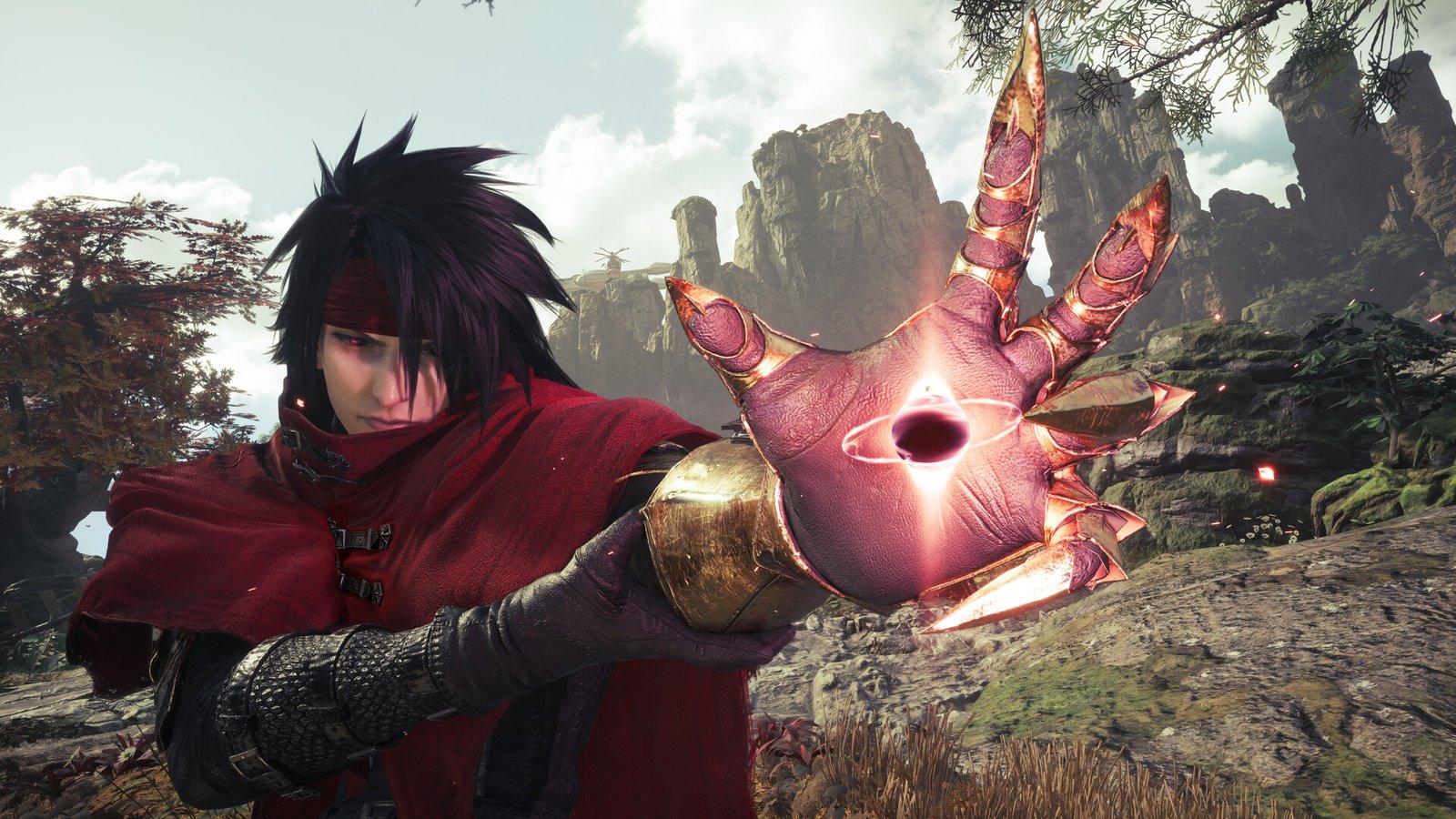
A story cutscene moment. Screenshot © Square Enix.
Sephiroth, Weapons and the Fight for the Planet
The central conflict driving Revelation’s story is Sephiroth’s plan to summon Meteor and corrupt the planet’s guardian Weapons — colossal ancient beings that, in the original game, exist to defend the planet from catastrophic threats. Turning the Weapons against the party rather than having them act as neutral or hostile forces marks a significant escalation from the source material, and is expected to provide some of the game’s largest boss encounters. Exactly how the remake trilogy’s altered timeline — introduced via the Whispers in Remake and expanded in Rebirth — resolves alongside the original story’s events remains one of the most closely guarded aspects of the game ahead of launch.
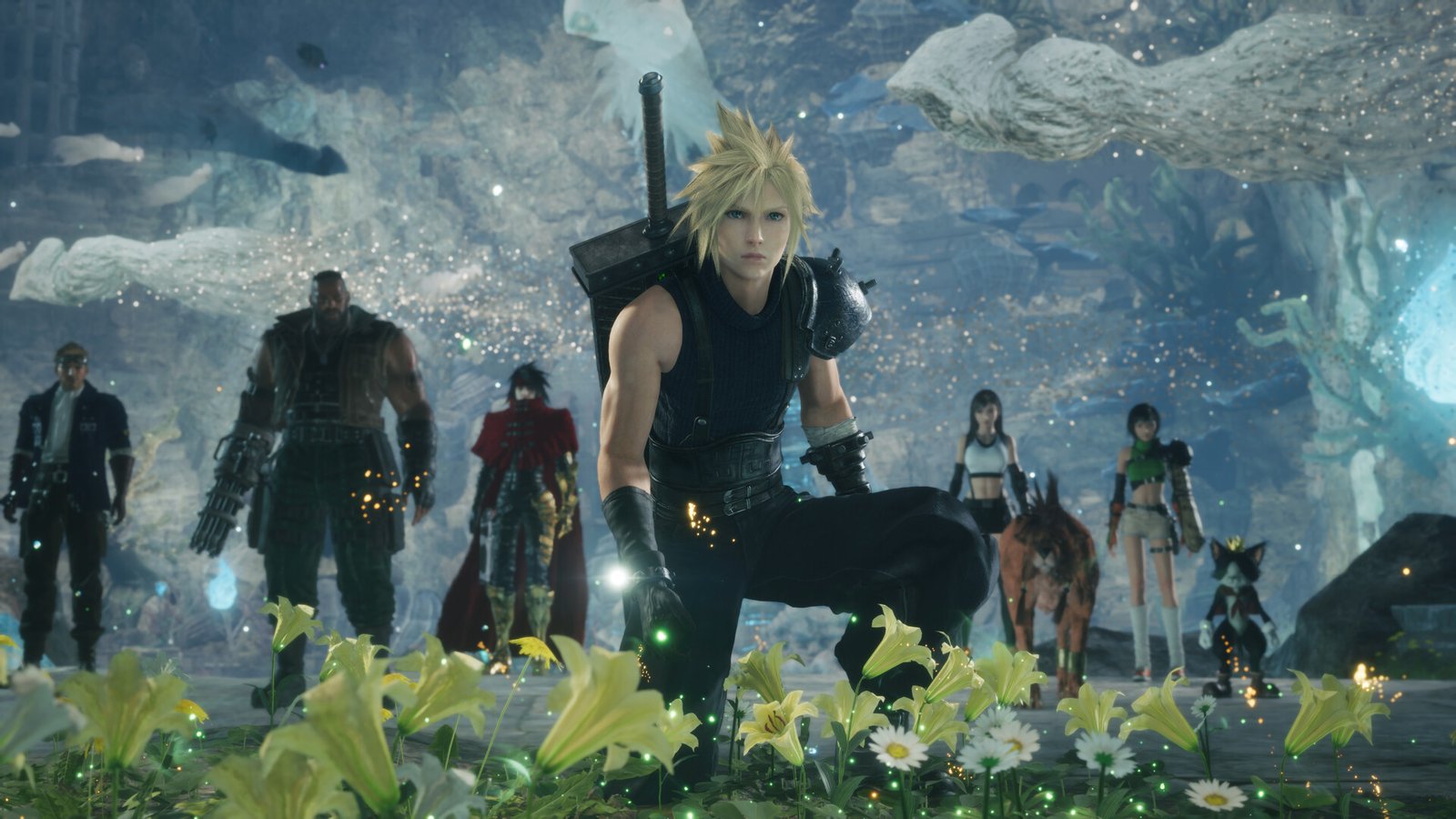
Character exploration. Screenshot © Square Enix.
The Legacy of the Original Final Fantasy VII
It’s hard to overstate how significant the original Final Fantasy VII was when it released on PlayStation in 1997. It introduced a huge number of players to Japanese RPGs for the first time, pushed cinematic storytelling in games forward with its pre-rendered backgrounds and CGI cutscenes, and built a cast — Cloud, Aerith, Sephiroth, Tifa and the rest — that remains among the most recognisable in gaming nearly three decades later. Its central plot twist involving Aerith is still regularly cited as one of the most impactful moments in video game history, which is part of why the remake trilogy’s decision to alter and expand on that story, rather than simply retell it beat-for-beat, has generated so much debate among longtime fans since Remake’s 2020 release.
Combat, Materia and Party Synergy
Revelation builds on the action-command hybrid combat system established across Remake and Rebirth, blending real-time attacks with an ATB (Active Time Battle) gauge that fills to unlock special abilities, spells and Limit Breaks. Materia — the series’ signature system for equipping magic and support abilities onto weapons and armour — returns and is expected to expand further given the larger eight-character roster, with synergy abilities that let two party members combine attacks mid-battle continuing on from mechanics introduced in Rebirth. With more playable characters than either previous instalment, party composition and switching between characters mid-fight is expected to play a bigger role than ever in how battles are approached.
Music and Presentation
The remake trilogy has been consistently praised for its music, built around reorchestrated and reimagined versions of the original 1997 soundtrack’s most iconic themes, and Revelation is expected to continue that approach for its climactic final chapter. Composer credits typically draw on the same core team responsible for Remake and Rebirth’s scores, and marketing material so far has leaned heavily on swelling orchestral arrangements of classic themes tied to Sephiroth and the party’s core cast, signalling the emotional stakes Square Enix is aiming for in the story’s conclusion.
Post-Launch DLC Expansions
Two story expansions are already planned post-launch: one centred on Vincent in winter 2027, and a second focused on Sephiroth in spring 2028. Both are expected to follow the format established by Rebirth’s post-launch content, filling in character backstory that the main campaign doesn’t have room to cover in full. A Vincent-focused expansion in particular has been long-requested by fans, given how little screen time the character received across Remake and Rebirth relative to his significance in the original game’s optional content.
Simultaneous Multi-Platform Launch
Unlike Remake and Rebirth, which both launched first on PlayStation 5 before reaching other platforms later, Revelation is confirmed for day-one release on PS5, Xbox Series X|S, Nintendo Switch 2 and PC simultaneously. That marks a notable shift in Square Enix’s release strategy for the trilogy, and should mean substantially less waiting for Xbox, Switch 2 and PC players who have previously had to sit out timed console exclusivity windows before getting to play.
UK Availability and Pre-Orders
Final Fantasy VII Revelation will be available in the UK at standard new-release pricing across all confirmed platforms, with pre-orders already open through PlayStation Store, Xbox Store, Nintendo eShop and Steam. As with Rebirth, expect a standard edition alongside a deluxe or digital deluxe edition bundling extra digital content such as additional outfits or in-game items, with UK retailers also stocking physical copies for PS5, Xbox Series X|S and Switch 2 at launch.
The Ending Everyone Is Debating
Rebirth’s 2024 conclusion left the fate of Aerith deliberately ambiguous, splitting the community into multiple competing theories about what the remake trilogy’s altered timeline means for the character going forward. Some read the ending as preserving the original story’s tragedy in a new form, while others believe the trilogy’s time-bending Whispers subplot is building toward a genuinely different outcome from the 1997 original. Square Enix has offered no direct confirmation either way, and the marketing for Revelation so far has carefully avoided settling the question, which if anything has only added to how closely the game’s launch is being watched.
How Revelation Compares to Remake and Rebirth
Each entry in the trilogy has taken a different structural approach: Remake was tightly linear and corridor-based, reflecting Midgar’s urban setting; Rebirth opened into large, explorable regional zones packed with side activities; and Revelation’s Highwind-centred, freely traversable structure suggests the most open format of the three so far. That progression mirrors the original 1997 game’s own structure, which similarly expanded from a linear opening into full world-map freedom by its final act, giving the remake trilogy a sense of escalating scale that has been part of its appeal since Remake’s launch.
Performance Modes and Technical Presentation
Both Remake and Rebirth shipped with selectable graphics and performance modes on PlayStation 5, letting players choose between higher-resolution visuals or a smoother frame rate, and Revelation is expected to offer the same choice across its console platforms, with Nintendo Switch 2 likely to run a scaled-back version of the game similar to how other major third-party releases have been adapted for that console. Full technical specifications, including PC system requirements, had not been published in detail at the time of writing, but Square Enix has historically released that information closer to launch.
Accessibility Features
Rebirth shipped with an extensive accessibility menu covering combat assist options, camera and control customisation, text size and colour-blind support, and Revelation is expected to carry that same commitment forward given Square Enix’s recent first-party track record. Series players who found earlier trilogy entries challenging due to reflex-heavy action combat should expect similar assist settings to be available from launch.
Community Anticipation and Critical Pressure
Few RPG releases in recent memory have carried as much scrutiny as this one. Rebirth’s 2024 ending was one of the most debated moments in the franchise’s history, splitting fans over how it handled one of the original game’s most iconic story beats, and that division has only sharpened anticipation for how Revelation resolves it. Square Enix is, in effect, closing out a project that started in 2020 and has spanned multiple console generations’ worth of expectation, meaning Revelation will be judged not just as a game in its own right but as the payoff for everything built up across Remake and Rebirth combined.
Why It Matters
The remake trilogy has been one of the most ambitious undertakings in modern game development, reimagining a single late-90s RPG as three full-scale, decade-spanning releases. Revelation carries the weight of paying off years of restructured story threads and fan theories built up since Remake’s original 2020 launch, making it one of the most anticipated releases on any platform in 2027. For Square Enix, successfully landing the ending of a project this scrutinised, after a hugely divisive cliffhanger in Rebirth, will go a long way toward shaping how the publisher approaches future remakes of its classic catalogue.
Frequently Asked Questions
When does Final Fantasy VII Revelation release?
It launches on 8 April 2027.
What platforms is Revelation coming to?
PlayStation 5, Xbox Series X|S, Nintendo Switch 2 and PC via Steam, the Microsoft Store and the Epic Games Store, all on the same release day.
Is Revelation a timed console exclusive?
No. Unlike Remake and Rebirth, which launched first on PlayStation 5, Revelation is confirmed for simultaneous release across all platforms.
Which characters are playable in Revelation?
Cloud, Barret, Tifa, Yuffie, Red XIII, Cait Sith, Vincent and Cid are confirmed as playable.
Is Aerith playable in Revelation?
Square Enix has not confirmed Aerith as a playable character, and her status following Rebirth’s ending remains one of the game’s most closely guarded plot points.
Is Revelation the final game in the remake trilogy?
Yes, it is the third and concluding chapter, following Final Fantasy VII Remake (2020) and Final Fantasy VII Rebirth (2024).
Do I need to have played Remake and Rebirth first?
Yes. Revelation is a direct continuation of the story told across Remake and Rebirth, so playing those two games first is strongly recommended to follow the plot.
What is the main story conflict in Revelation?
The party works to stop Sephiroth’s plan to crash Meteor into the planet while he corrupts the planet’s guardian Weapons.
What is the Highwind in Revelation?
The Highwind is an airship that acts as a mobile hub and fast-travel base, letting players explore previously visited and new locations more freely than in earlier trilogy entries.
What is Piko?
Piko is a new upgradable chocobo companion usable for both ground travel and combat throughout the game.
What is the FITS system?
FITS (Fully Interchangeable Tactical Style) gives each playable character four outfit variants that change their combat abilities, not just their appearance.
Is Queen’s Blood back in Revelation?
Yes, the card-battling minigame from Rebirth returns with new card sets and rule variants.
Are there post-launch DLC expansions planned?
Yes, two story expansions are planned: one centred on Vincent in winter 2027, and a second focused on Sephiroth in spring 2028.
Will there be a physical release in the UK?
Yes, physical copies are expected at UK retailers for PS5, Xbox Series X|S and Nintendo Switch 2 alongside the digital release.
Is there a deluxe edition?
A deluxe or digital deluxe edition with extra digital content is expected, following the pattern set by Final Fantasy VII Rebirth.
Who develops and publishes Revelation?
Square Enix both develops and publishes the game in-house.
When did the remake trilogy begin?
Final Fantasy VII Remake, the first entry, was released in 2020, with Rebirth following in 2024.
What part of the original story does Revelation cover?
It covers the final act of the original 1997 Final Fantasy VII, including the confrontation with Sephiroth and the Weapons.
Can I pre-order Revelation now?
Yes, pre-orders are open through PlayStation Store, Xbox Store, Nintendo eShop and Steam.
Is Revelation open-world?
It leans further into open-world design than Remake or Rebirth, built around the Highwind as a central traversal hub.

Jon Dingle Editor
A film journalist, writer and a filmmaker in business for over 20 years. I am passionate about movies, television series, music and online games. When I'm not reviewing the latest releases, you'll usually find me deep in a retro gaming session or catching up on the newest prestige drama. I believe great storytelling deserves an honest take, whatever the screen it's on.