
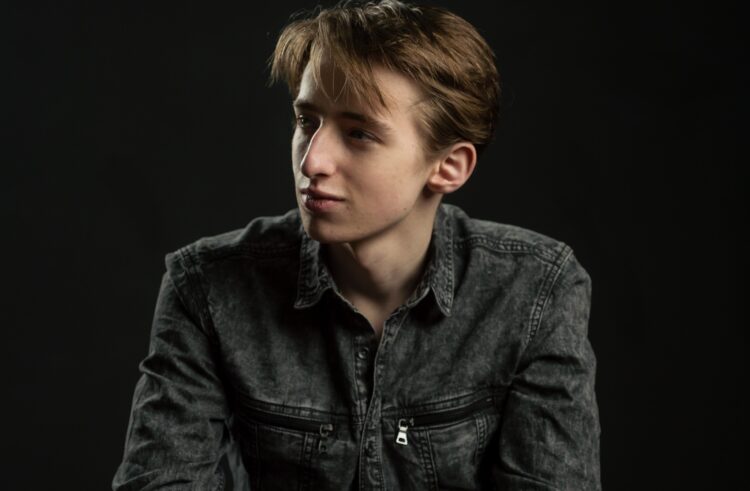

Samuel L. Pierce: The Teen Taking Over Hollywood
Interviews 20th December 2024
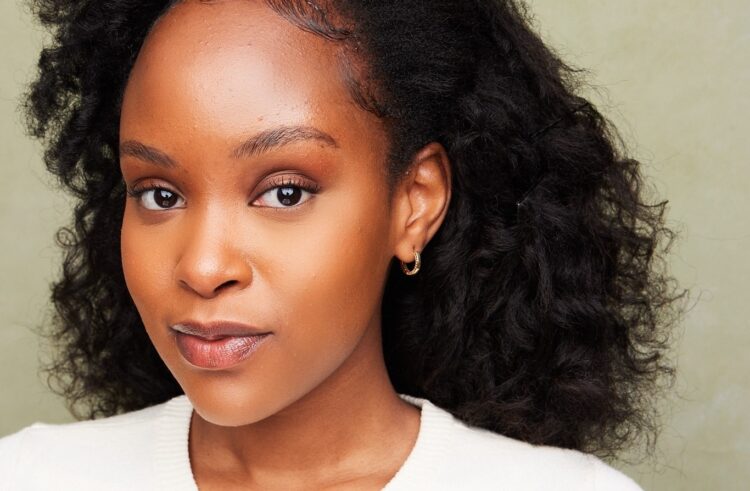
Coco Kariuki Talks Collaborating with South African Director Mac Leshabane
Interviews 29th September 2024


Kapeesh Mourya Talks Stunt Acting in Hollywood
Interviews 29th July 2024


Dennis Mailu Talks Pedro Pascal Collaboration and Taking Over Hollywood
Interviews 21st February 2023

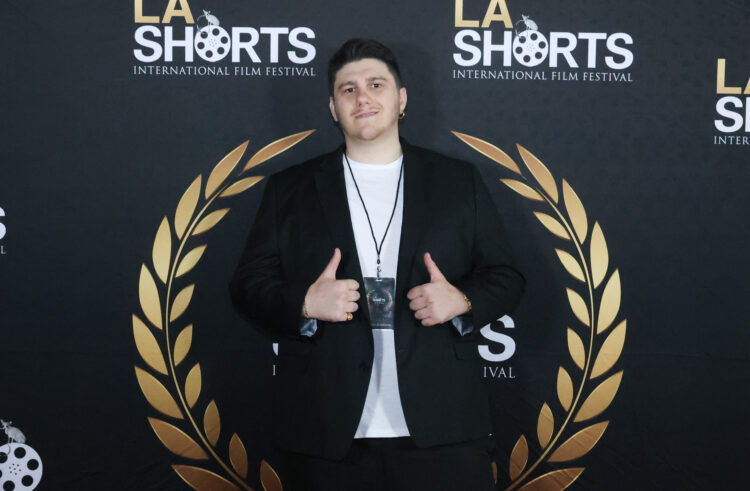
Meet Paula Velasquez, Taking Over Hollywood
Interviews 20th September 2022


Exclusive Interview with Chantal Casutt
Interviews 11th April 2022

Tom Paton on his passion for survival stories and being compared to Roger Corman
InterviewsMovies 13th September 2021

10 Questions with JESSE O’BRIEN, director of TWO HEADS CREEK
InterviewsMovie NewsMovies 13th August 2020

Interviews: Frequently Asked Questions
What does Filmoria’s Interviews section cover?
This section collects Filmoria’s conversations with the people behind the films, TV shows and games we cover — cast, directors, writers and other industry figures.
Who does Filmoria interview?
Actors, directors, writers, developers and other cast and crew, usually tied to the release of a film, show or game they’ve worked on.
How often is this page updated?
New interviews go up around major releases and press events, so it’s worth checking back regularly or browsing older coverage using the pagination above.
Are the interviews written or filmed?
It varies by piece — most are written Q&A or feature-style articles; where video or audio is available it’s noted and embedded in the article itself.
Are the interviews spoiler-free?
They’re written to be safe to read before you’ve seen the film, show or played the game, with any major plot details clearly flagged before they’re discussed.
Who conducts Filmoria’s interviews?
Every interview carries a named byline. You can see who wrote it and browse their full archive from the author link on each article.
Can I suggest someone for Filmoria to interview?
Yes — get in touch via our Contact Us page with who you’d like to see and why, and we’ll take a look.
Are these interviews exclusive to Filmoria?
Many are conducted directly by our team; where an interview draws on press-day or roundtable access, that’s generally clear from the piece itself.
How do I find an interview with a specific person?
Use the search icon in the site’s main menu, or browse this Interviews section page by page using the pagination above — the most recent articles appear first.
Is Filmoria’s interview coverage independent?
Yes. Interviews and the framing around them reflect the independent judgement of the credited writer. Some content is produced in collaboration with commercial partners, and that’s made clear where it applies — see our About Us page for more on our editorial approach.