

Warner Bros. Film Shake-Up: 11 Things to Know as Skydance Ousts De Luca and Abdy
Movie News 14th October 2026 Leo Wilson
By the Filmoria News Desk

Warner Bros. Pictures film chiefs Michael De Luca and Pamela Abdy are out after Skydance, the company formed when Paramount completed its takeover of Warner Bros. Discovery on 6 October 2026, handed control of every film label to Paramount’s co-chairs Dana Goldberg and Josh Greenstein. The pair learned of their exit from press reports on 1 October, a year after their contracts were renewed through 2030, and Warner Bros. and Paramount will keep releasing films separately under their own logos. Nothing changes yet for UK cinemagoers: Dune: Part Three still opens in UK cinemas on 18 December 2026.
Quick Facts
- What happened: Warner Bros. Motion Picture Group heads Michael De Luca and Pamela Abdy are not joining Skydance
- Who runs film now: Dana Goldberg and Josh Greenstein, co-chairs over Paramount, Warner Bros., DC Studios, New Line and Paramount Primal
- Exit reported: Thursday 1 October 2026; David Ellison phoned both executives the next morning
- Deal closed: Tuesday 6 October 2026, at about $110 billion including debt
- Staying: James Gunn and Peter Safran remain co-heads of DC Studios
- Output promise: at least 30 theatrical films a year for two years, under a settlement with 12 US states
In the UK
- Dune: Part Three opens in UK cinemas on 18 December 2026, and nothing in the shake-up has moved that date.
- The UK’s Competition and Markets Authority cleared the takeover, and Culture Secretary Lisa Nandy chose not to intervene.
- Skydance hasn’t said anything about Warner Bros. Studios Leavesden in Hertfordshire; any change there is not yet confirmed for the UK.
- How Warner and Paramount films will be distributed in UK cinemas after the merger is not yet confirmed for the UK.
This is a ranked list of the 11 most important things to know about Skydance’s shake-up of Warner Bros. Pictures, from the exit of Michael De Luca and Pamela Abdy to the 30-films-a-year promise that now shapes both studios.
We ranked the items by how much they change the films that actually reach cinemas: who holds the green light first, then the structure underneath them, the legal rules they’re bound by, the slate they’ve inherited and, finally, what it all means for British audiences and crews. Every figure comes from company memos, court-approved settlement terms or named trade reporting, and where something is a report rather than an announcement, we say so.
| # | Item | Key people | Key date | Key figure | Status |
|---|---|---|---|---|---|
| 1 | De Luca and Abdy exit | Michael De Luca, Pamela Abdy | 1 to 2 Oct 2026 | Contracts ran to 2030 | Confirmed by reporting |
| 2 | New film co-chairs | Dana Goldberg, Josh Greenstein | Oct 2026 | All film labels | In place |
| 3 | Two studios, two logos | Goldberg, Greenstein | Day-one memo | 5 named labels | Announced |
| 4 | DC Studios survives | James Gunn, Peter Safran | Early Oct 2026 | Clayface out 23 Oct | Staying |
| 5 | One marketing machine | Josh Goldstine | Oct 2026 | Paramount and WB teams combined | Reported |
| 6 | New Line’s future | Richard Brener | Oct 2026 | Distinct label | Brener reportedly moving across |
| 7 | The 30-film mandate | California AG Rob Bonta | Approved 30 Sept 2026 | $30m per missing film | Binding for 5 years |
| 8 | The record they leave behind | De Luca, Abdy | 2025 slate | 11 Oscars, 9 No. 1 openings | Complete |
| 9 | The inherited slate | Goldberg, Greenstein | Oct 2026 to 2028 | Digger loss estimated at $250m | Under review |
| 10 | The culture shift | David Ellison | Oct 2026 | About $80bn of debt | Cost cuts confirmed |
| 11 | What it means for the UK | CMA, Lisa Nandy | Cleared Aug 2026 | Leavesden plans not disclosed | Unclear |
1. De Luca and Abdy Are Out (Warner Bros. Pictures, 1 October 2026)
What makes it stand out: The executives behind Warner’s best year in decades found out they’d lost their jobs by reading about it.
Key data: Exit first reported on Thursday 1 October 2026; David Ellison called each of them on Friday 2 October; their contracts had been extended through 2030 roughly a year earlier under David Zaslav.
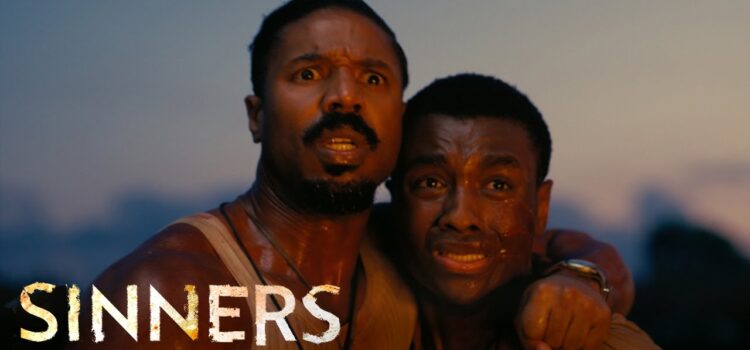
Why it matters: Warner Bros. Pictures loses the two people who approved Sinners, Weapons and One Battle After Another, just as it joins a company that wants more films for less money.
Here’s the detail that stuck. According to TheWrap, De Luca and Abdy learned from press reports on the Thursday night that they wouldn’t be part of the merged company. Ellison phoned them both the following morning. Sources told the outlet he explained that the combined business was carrying a huge amount of debt and needed to restructure. Abdy’s reported reply was short: “Good luck to you. I left you 39 movies.” Paramount and Skydance declined to comment on the exchange.
The timing is what makes it sting. Almost exactly a year earlier, Zaslav had announced that the pair’s contracts were being renewed, with the extensions running to 2030. They’d just delivered a year that Warner’s own executives called historic. And then a takeover rewrote the org chart before the deal had even formally closed.
Variety reported that it’s still unclear whether De Luca and Abdy will stay on for a transition period. That matters more than it sounds. Clayface opens on 23 October and Dune: Part Three on 18 December, and both campaigns were built on their watch. If they leave immediately, someone new is steering Warner’s two biggest remaining 2026 releases into cinemas.
Our read: Hollywood has seen executives pushed out after mergers plenty of times. What’s unusual here is that the people being shown the door were on a hot streak, not a cold one. That tells you Skydance’s decision was about structure and cost, not about taste.
2. Dana Goldberg and Josh Greenstein Take Every Green Light (Skydance Film Co-Chairs)
What makes it stand out: Two executives who’ve run Paramount for barely a year now control the combined output of Hollywood’s two oldest studio brands.
Key data: Named co-chairs of Paramount Pictures in August 2025 when Ellison’s first leadership team was announced; now oversee Paramount, Warner Bros. Pictures, DC Studios, New Line Cinema and Paramount Primal; Paramount’s release slate roughly doubled under them.
Why it matters: Whatever Warner Bros. makes next, from Gremlins 3 to the next Dune spin-off, now needs their sign-off.
Goldberg is a Skydance lifer. She was the company’s chief creative officer for years before Ellison bought Paramount, and she’s worked on the Mission: Impossible and Top Gun films with him from the Skydance side. Greenstein’s background is marketing. He ran campaigns at Paramount for Mission: Impossible – Ghost Protocol, Star Trek Into Darkness and Transformers: Age of Extinction, left for Sony in 2014, and led the marketing of the Spider-Man and Jumanji films there before returning to Paramount after the Skydance sale.

Their first year at Paramount is the best guide to what’s coming. IndieWire reports they raised the studio’s output from fewer than 12 films a year to 18. At CinemaCon in April 2026, Goldberg presented a theatrical slate that was close to double what Paramount had released in 2025. They also moved fast on talent: within hours of their appointment, they’d landed Timothée Chalamet and James Mangold for the motorcycle film High Side.
That’s the model now being applied to Warner Bros. More films, quicker decisions, a heavy bet on cinemas. Ellison clearly believes the pair can do it at a bigger scale; IndieWire framed the appointment as his wager that they can deliver 30 films a year. The question nobody can answer yet is whether a team that built its reputation on volume will protect the riskier, director-led projects that made Warner’s 2025 so good.
3. Two Studios, Two Logos, One Boss (The Day-One Memo)
What makes it stand out: Skydance isn’t merging Warner Bros. Pictures into Paramount, at least on screen.
Key data: Goldberg and Greenstein’s memo says Paramount Pictures and Warner Bros. Pictures will “build and release their slate of films separately, under those brands”; DC Studios, New Line Cinema and Paramount Primal continue as distinct labels “with specific mandates”.
Why it matters: Audiences will still see the Warner Bros. shield before Warner films, but the creative independence behind that shield has shrunk.
The memo’s most quoted line is the one about logos. Each Warner Bros. Pictures or Paramount Pictures film, it says, will carry its own studio’s mark. That’s a reassurance aimed at filmmakers and agents as much as audiences. A lot of directors chose Warner precisely because of its reputation for backing auteurs, and Skydance doesn’t want them walking.
But look at the reporting line underneath. Under Discovery and, before that, AT&T, Warner’s film chiefs reported straight to the chief executive’s office. Variety notes that De Luca and Abdy’s eventual replacement will instead report to Goldberg and Greenstein. That’s a demotion of the job, whoever takes it. The head of Warner Bros. Pictures is no longer one of a handful of people talking directly to the CEO. They’re a label head inside a film group.
For comparison, it’s closer to how Disney runs Marvel, Lucasfilm and Pixar: separate brands with their own identities, all answering to a central studio leadership that sets the calendar and the budgets. It works when the central team respects the labels’ differences. It doesn’t when every brand starts making the same kind of film. As of today, Skydance hasn’t named who’ll run Warner Bros. Pictures day to day.
4. DC Studios Survives Intact (James Gunn and Peter Safran)
What makes it stand out: DC’s leadership was one of the few parts of Warner’s film business Skydance chose to keep as it was.
Key data: Deadline and The Hollywood Reporter reported in early October that Gunn and Safran were asked to stay after meeting Ellison; Clayface, a finished DC horror film, opens on 23 October 2026.
Why it matters: The DC Universe plan Gunn started with Superman in 2025 gets to continue under the same people.
Gunn and Safran met Ellison before the deal closed, and Deadline reported that the meeting went well. The outcome was a clean decision: they stay as co-heads of DC Studios, and DC sits as one of the distinct labels named in the day-one memo. Gizmodo summed up the mood among fans, describing the pair as having survived what it called the Skydance bloodbath.
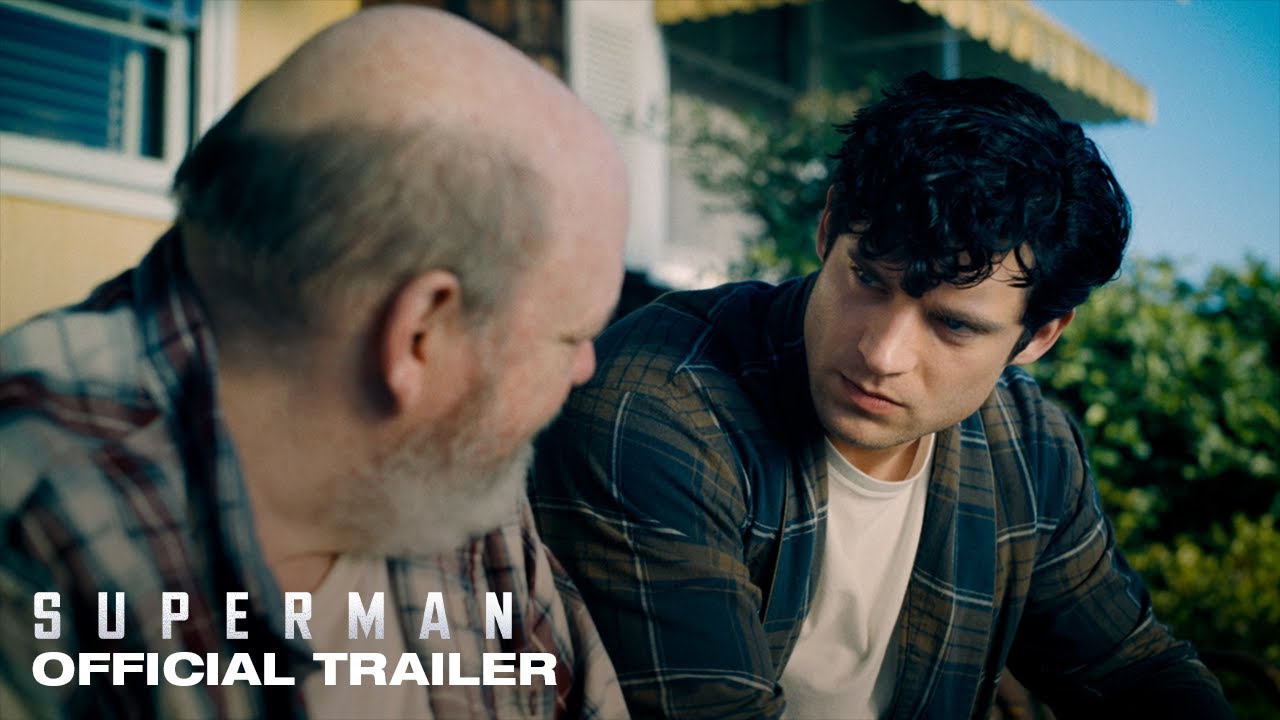
It makes sense from Skydance’s side. Gunn’s Superman was one of the 2025 films that opened at No. 1 for Warner, and DC is the kind of long-running, merchandise-friendly brand Ellison’s Paramount has always liked. Getting rid of the people who’d just rebooted it would have meant starting again for the third time in a decade.
There’s one thing to watch, though. DC’s films still need release slots, marketing money and sign-off from the film co-chairs. Gunn and Safran kept their titles, but they now sit inside a structure where Goldberg and Greenstein run the overall calendar. The first test is Clayface on 23 October, a smaller horror-tinged DC film that Deadline lists as finished. How hard Skydance pushes it will say a lot about how much room DC really has.
5. One Marketing and Distribution Machine (Josh Goldstine)
What makes it stand out: The executive Warner Bros. let go in early 2025 now oversees Warner’s own marketing and distribution teams.
Key data: Josh Goldstine, Paramount’s president of global marketing and distribution since 2025, now oversees marketing and distribution for all Skydance film labels; Warner’s teams, including global distribution chief Jeff Goldstein, report to him, according to Variety and TheWrap.
Why it matters: Release dates, trailer campaigns and cinema deals for Paramount and Warner films will now be planned by one team.
It’s one of the stranger turns in the whole story. Goldstine and Warner’s international distribution chief Andrew Cripps were let go from Warner Bros. in January 2025. Cripps went to Disney. Goldstine went to Paramount, where he reported to Goldberg and Greenstein. Now, after the merger, he’s back in charge of the people who replaced him, plus everyone at Paramount. TheWrap reported that Warner’s marketing and distribution executives are staying on and will report to him.
This is where the merger will be felt first, and where the savings are most obvious. Two studios used to run two separate campaigns for every release, buy their own TV ads and negotiate their own cinema terms. One team can do that more cheaply. It can also avoid the two studios releasing big films on top of each other, which matters a lot when you’re promising 30 cinema releases a year.
The risk is less flashy. A single team that’s juggling Paramount’s Mission: Impossible-style tentpoles alongside Warner’s horror films and auteur pictures might give the smaller titles less attention. Warner’s 2025 record was built partly on marketing that made films like Weapons and Sinners feel like events. Whether that survives a combined calendar is a fair question.
6. New Line Stays a Label, and Richard Brener Is Reportedly Staying (New Line Cinema)
What makes it stand out: Warner’s genre and horror label is being kept as its own brand inside Skydance.
Key data: The day-one memo names New Line Cinema as a distinct label; Deadline reported that New Line boss Richard Brener is poised to move across to the merged company.
Why it matters: New Line makes the mid-budget horror and genre hits that keep a studio profitable between blockbusters.
New Line has been Warner’s quiet earner for years, the home of The Conjuring universe and Weapons, Zach Cregger’s 2025 horror hit. Keeping it as a named label tells you Skydance knows exactly where the reliable money is. Horror films are cheap to make, they travel, and they rarely need a $200 million marketing push.
Deadline’s reporting that Brener is set to stay is worth more than it looks. Talent relationships in horror run through a small number of executives. If Brener had gone with De Luca and Abdy, filmmakers who’d been developing projects at New Line might have taken them elsewhere. That hasn’t happened, at least for now. We’ll treat the Brener news as reported rather than confirmed until Skydance announces his role formally.
There’s also a nice overlap with Paramount here. Paramount has its own horror track record with A Quiet Place, and Paramount Primal sits alongside New Line in the memo. Two horror-friendly labels under one roof could compete for the same scripts. Or, more likely, one of them ends up pointed at a different kind of film.
7. The 30-Film Mandate (California Settlement, Approved 30 September 2026)
What makes it stand out: Skydance is legally bound to release a minimum number of films in cinemas every year, with a cash penalty for every film it misses.
Key data: Settlement announced by California Attorney General Rob Bonta on 21 September with a 12-state coalition and approved by a federal judge on 30 September; at least 30 theatrical films a year in years one and two (20 of them wide), 32 a year in years three to five (21 wide); at least four independent films a year; $30 million paid to union health and retirement funds for every film below the threshold, according to Skydance’s SEC filing.
Why it matters: Whatever cuts Skydance makes, it can’t simply stop making films.
This is the single most important rule hanging over Goldberg and Greenstein, and it’s the reason the job is so big. Variety published the settlement terms, and the headline numbers are clear. Counted films have to stay in cinemas for at least 45 days and can’t go to a streaming service for at least 90 days. Skydance also agreed to spend at least an extra $300 million a year on US film production, or $1.5 billion over five years, and not to sell the Paramount or Warner Bros. lots in California for at least five years.

Thirty a year is a lot. For context, IndieWire says Paramount was releasing fewer than 12 films a year before Goldberg and Greenstein arrived. Warner’s celebrated 2025 was built on 11 releases. Even added together, the two studios’ recent slates don’t comfortably reach 30, which is why output has to rise.
Some of the secondary reporting gets the screen thresholds muddled. Different outlets have cited 600, 2,000 and 3,000 screens for different tiers of release. We’d point readers to the SEC filing rather than any summary. What’s not in dispute is the incentive: every film Skydance fails to release costs it $30 million, which is more than the budget of many of the horror films that would fill the gap.
8. The Record They Leave Behind (Warner Bros. 2025 Slate)
What makes it stand out: De Luca and Abdy’s final full year was among the best any studio has had this century.
Key data: 11 films released in 2025, nine of which opened at No. 1 in North America; seven No. 1 openings in a row above $40 million, a record; 30 Oscar nominations, tying Warner’s own record from 2005; 11 Oscar wins, including Best Picture for One Battle After Another.
Why it matters: It’s the benchmark the new leadership will be measured against, fairly or not.
The 2025 list reads like a highlight reel. A Minecraft Movie, Sinners, Superman, Weapons and One Battle After Another all came out of the same studio in the same year. Variety noted the run of nine No. 1 openings from 11 releases, including seven straight debuts above $40 million, which nobody had done before.

Then came awards season. Warner collected 30 Oscar nominations, matching the studio record it set in 2005, and won 11, with Paul Thomas Anderson’s One Battle After Another taking Best Picture. The Hollywood Reporter ran a long feature on how the pair shaped that success, and TheWrap followed the exit news with what it called an ode to how they ran the studio.
The mix is what stands out. A video game adaptation, an original Ryan Coogler horror-musical, a DC reboot, a Zach Cregger horror film and a Paul Thomas Anderson epic. That range is what made Warner attractive to filmmakers. There’s a catch for the new owners, too: Deadline notes that the rights to Sinners revert to Coogler, so Skydance won’t hold that film forever. Abdy’s “39 movies” line was a reminder that the pipeline they built will keep landing for a couple of years. Skydance gets the credit for releasing them. It doesn’t get to claim it made them.
9. The Inherited Slate (Clayface to The Batman Part II)
What makes it stand out: Goldberg and Greenstein take over a slate that mixes finished hits-in-waiting with a fresh, expensive flop.
Key data: Clayface (23 October 2026) and Dune: Part Three (18 December 2026) are finished; Gremlins 3, with Chris Columbus directing, is awaiting rewrites; The Batman Part II is listed for 18 February 2028 in Deadline’s rundown; Digger opened to just $8 million in North America and TheWrap estimates it will lose $250 million.
Why it matters: The first decisions the new bosses make about Warner’s slate will show whether they plan to keep the studio’s big swings.
Deadline’s rundown of the Warner to-do list sorts projects into what’s ready, what’s in the works and what’s in trouble. The ready pile is in good shape. Dune: Part Three is the big one, and Filmoria has already covered how BFI IMAX’s 70mm opening weekend sold out before its 18 December UK release.
The trouble pile has one obvious entry. Alejandro G. Iñárritu’s Tom Cruise satire Digger opened to $8 million on 2 to 4 October, Cruise’s weakest start since 2007, as we covered in our Digger box office breakdown. Reported budgets range from $125 million to $180 million, and Deadline puts it at $160 million. TheWrap estimates the total loss at $250 million.
Timing matters here. Digger opened the same weekend De Luca and Abdy’s exit became public, and it’s easy to imagine it being used inside Skydance as proof that Warner’s appetite for expensive auteur projects needed reining in. That would be a shame, and a slightly unfair one. The same appetite produced One Battle After Another. Our verdict on Digger was three stars, a film that lectures where it should sting, but a big swing nonetheless. Further out, Gremlins 3 and The Batman Part II are the projects to watch. They’re exactly the kind of known brands the new regime likes, so we’d expect them to move forward.
10. The End of Warner’s “Luxury” Culture (David Ellison’s Skydance)
What makes it stand out: Trade reporting says Skydance will change how Warner Bros. operates more than any owner in four decades.
Key data: Variety’s 9 October analysis describes a 40-year “ethos of luxury and exclusivity” at Warner giving way to a “shirtsleeve operation”; Skydance carries roughly $80 billion of debt and is targeting more than $6 billion in savings over three years, with layoffs confirmed in principle.
Why it matters: Budgets, perks and the patience Warner gave its filmmakers are all likely to tighten.
Warner Bros. has changed hands a lot. Time Warner, AT&T, Discovery and now Skydance. Variety’s argument is that none of the previous owners actually changed the film studio’s character. It kept a reputation as the place where top directors got bigger budgets, more freedom and longer leashes. Skydance, the outlet says, is focused squarely on lowering costs and raising profits, and the debt load leaves little room for anything else.
The numbers explain why. The deal valued Warner Bros. Discovery at about $110 billion including debt, and the combined company is carrying around $80 billion. Ellison and co-CEO Ynon Kreiz have already told staff that job cuts are part of the integration. We covered the first concrete restructuring, in games, in our piece on Skydance merging Warner Bros. Games with Paramount’s studio. Film is next.
Here’s the tension in a sentence. The settlement forces Skydance to make more films, and its debt pushes it to spend less on each one. More, cheaper films isn’t automatically a bad thing; plenty of great cinema is made for modest budgets. But it does favour sequels, horror and recognisable brands over the expensive originals that won Warner its Oscars.
11. What It Means for British Audiences and Crews (Leavesden and Beyond)
What makes it stand out: Warner Bros. owns one of Britain’s most important film studios, and the merger’s legal protections don’t cover it.
Key data: Warner Bros. Studios Leavesden in Hertfordshire was the first permanent UK production facility bought outright by a Hollywood studio; the settlement bars selling the Paramount and Warner lots in California for five years but says nothing about UK sites; the CMA cleared the deal and the government declined to intervene.
Why it matters: Decisions about where Skydance shoots its 30 films a year will affect British crews and studios directly.
This is the comparison nobody’s made yet. The US settlement protects the Burbank and Hollywood lots by name. Leavesden, home of the Harry Potter films and the Making of Harry Potter tour, isn’t covered by anything similar. Skydance hasn’t said a word about selling it, and we’re not suggesting it will. But the British site doesn’t carry the same legal guarantee its Californian siblings now do.
The settlement also pushes production spending towards the US, with an extra $300 million a year earmarked for American shoots. That lands at the same moment as the debate we covered in our report on Hollywood’s production exodus, where US unions argued that too much studio filming has moved to places like the UK. Put those together and there’s a real question about how much of Skydance’s extra output ends up shot in Britain.
For cinemagoers, the short-term picture is calmer. Dune: Part Three is still dated for 18 December, the 45-day theatrical window in the settlement protects the cinema run of counted films, and a higher annual output should mean more Warner and Paramount films on UK screens rather than fewer. Skydance also controls Channel 5 and TNT Sports in the UK, so British viewers will feel the company’s presence well beyond the cinema.
What Happens Next
Three things will tell us how this goes. First, who Skydance names to run Warner Bros. Pictures day to day, and whether it’s an insider or a Paramount loyalist. Second, how hard the new marketing team pushes Clayface on 23 October and Dune: Part Three on 18 December. And third, the first green lights Goldberg and Greenstein give to Warner projects, especially anything that looks like the next Sinners rather than the next sequel. The 30-film promise guarantees quantity. Whether it keeps Warner’s quality is the part nobody can guarantee yet.
Sources: Variety on De Luca and Abdy’s exit, TheWrap on David Ellison’s calls, Variety on Goldberg and Greenstein’s studio plan, Deadline on the Warner Bros. slate, Variety on the state settlement terms, Deadline on Gunn and Safran staying at DC.
Frequently Asked Questions
Why did Michael De Luca and Pamela Abdy leave Warner Bros.?
They were not kept on after Skydance took over Warner Bros. Discovery, because David Ellison put Paramount’s film chiefs in charge of every label and reportedly cited the merged company’s debt and need to restructure.
Who runs Warner Bros. Pictures now?
Dana Goldberg and Josh Greenstein oversee Warner Bros. Pictures as Skydance’s film co-chairs, and a new Warner label head who will report to them has not yet been named.
Will Warner Bros. films still have the Warner Bros. logo?
Yes, Skydance’s film chiefs have said Warner Bros. Pictures and Paramount Pictures will release films separately and each film will carry its own studio’s logo.
Are James Gunn and Peter Safran staying at DC Studios?
Yes, Gunn and Safran are staying on as co-heads of DC Studios, which continues as a distinct label inside Skydance.
How many films does Skydance have to release each year?
Skydance must release at least 30 films in cinemas a year for the first two years and 32 a year in years three to five, under a settlement with 12 US states.
What happens if Skydance releases fewer than 30 films a year?
It must pay 30 million dollars into union health and retirement funds for every film it falls short, according to its SEC filing.
How many Oscars did Warner Bros. win under De Luca and Abdy in 2026?
Warner Bros. won 11 Oscars from 30 nominations, including Best Picture for One Battle After Another.
Is Dune: Part Three still coming out in the UK in December?
Yes, Dune: Part Three is still dated for UK cinemas on 18 December 2026 and the leadership change has not moved it.
How much money will Digger lose?
TheWrap estimates that Digger will lose about 250 million dollars after opening to just 8 million dollars in North America.
Will the Skydance merger affect Warner Bros. Studios Leavesden?
Skydance has not announced any plans for Leavesden, and unlike the California lots the UK studio is not covered by the settlement’s five-year ban on sales.
📸 Follow us on Instagram for daily film, TV & gaming news: @filmoriauk

Leo Wilson
The byline used for guest contributions to Filmoria. Individual pieces credit their own writer wherever one has been supplied.