
Skydance Merges Warner Bros. Games and Paramount: 12 Things to Know About the New Games Giant
Gaming News 12th October 2026 Kevin Bennett
By the Filmoria News Desk
Skydance, the company formed when Paramount completed its roughly $110 billion takeover of Warner Bros. Discovery on 6 October 2026, is merging Paramount Games Studio with Warner Bros. Games into one games and experiences division led by Tony Driscoll. The unit takes in Avalanche Software, NetherRealm, Rocksteady, TT Games and WB Games Montreal, along with the Harry Potter, DC, Mortal Kombat, Game of Thrones, Star Trek and SpongeBob licences. No games have been cancelled or delayed as a result so far, and everything currently on sale in the UK stays on PlayStation, Xbox, PC and Nintendo storefronts as normal.
Quick Facts
- What happened: Paramount Games Studio and Warner Bros. Games are being combined into one Skydance division
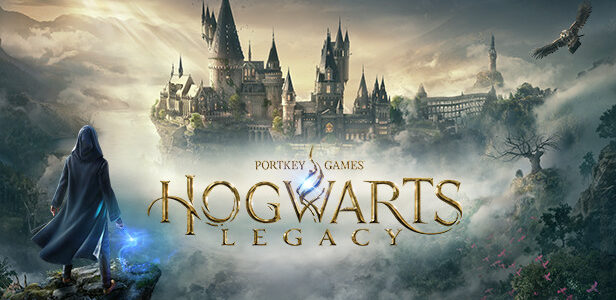
- Deal closed: Tuesday 6 October 2026
- Deal value: about $110 billion including debt, at $31 a share in cash
- New boss: Tony Driscoll, President, Games and Experiences
- Who announced it: an internal memo from Skydance president Andy Gordon, first reported by Variety
- Studios involved: Avalanche Software, NetherRealm Studios, Rocksteady Studios, TT Games, WB Games Montreal, WB Games Boston, plus Skydance Interactive and Skydance New Media
- Layoffs: confirmed company-wide in principle, not yet detailed for games
In the UK
- Two of the merged studios are British: Rocksteady in London and TT Games in Knutsford, Cheshire.
- The UK’s Competition and Markets Authority cleared the takeover before it closed, and Culture Secretary Lisa Nandy chose not to intervene.
- Current games, including LEGO Batman: Legacy of the Dark Knight (£59.99 standard edition on PS5, Xbox Series X|S and PC), are unaffected and stay on sale.
- Any impact on UK studio jobs is not yet confirmed for the UK; Skydance hasn’t named which teams will see cuts.
This is a ranked list of the 12 most important things to know about Skydance merging Paramount Games Studio with Warner Bros. Games after the Paramount and Warner Bros. Discovery deal closed on 6 October 2026.
We ordered the items by how directly they affect the games people actually play: first the deal and who now runs it, then the studios and franchises, then the money, the job risk and the history that got us here. Every figure below comes from company statements, regulators or named reporting, and where a number is an analyst estimate we say so.
| # | Item | Key date | Key figure | Status |
|---|---|---|---|---|
| 1 | Skydance deal closes | 6 Oct 2026 | About $110bn, $31 a share | Complete |
| 2 | Tony Driscoll named games chief | Oct 2026 | One division, two former publishers | Confirmed by memo |
| 3 | Paramount Games Studio | Formed June 2026 | Combined Skydance Interactive and Skydance New Media | Merging into new unit |
| 4 | Warner Bros. Games studios | Oct 2026 | Six internal teams named | Structure not disclosed |
| 5 | Franchise portfolio | Oct 2026 | Harry Potter, DC, MK, GoT, Star Trek, SpongeBob | Combined |
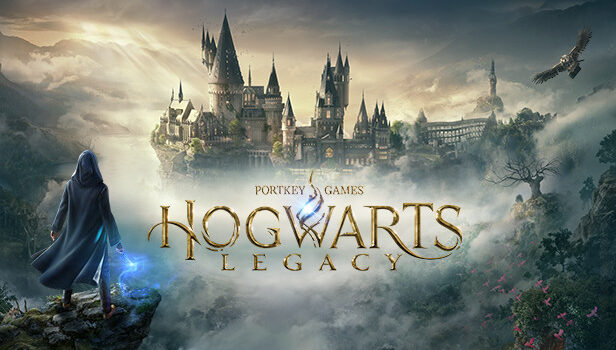
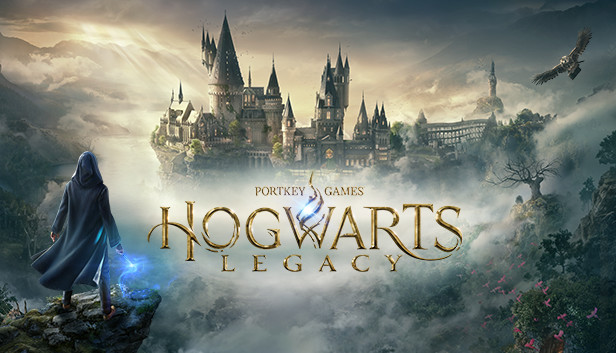
| 6 | Hogwarts Legacy | Dec 2025 milestone | 40m+ units sold | Sequel reported for 2027 at earliest |
| 7 | Rocksteady and TT Games (UK) | LEGO Batman out 22 May 2026 | About 1.2m copies (Alinea estimate) | No public statement |
| 8 | Warner Bros. Games Q2 2026 | Aug 2026 | Revenue up 45%, costs up 52% | Reported |
| 9 | Marvel 1943 and Star Wars | 2027 at earliest | Not disclosed | In development |
| 10 | Layoffs and savings | Next three years | $6bn+ run-rate synergies | Cuts confirmed, scope unknown |
| 11 | Games and experiences remit | Oct 2026 | Theme parks and resorts included | Driscoll on studio tour |
| 12 | How it happened | Dec 2025 to Oct 2026 | $2.8bn Netflix break fee | Regulators cleared, US lawsuit filed |
1. The Deal That Made It Possible (Skydance, 6 October 2026)
What makes it stand out: It’s the largest media takeover of the year, and the games merger only exists because it closed.
Key data: Closed Tuesday 6 October 2026; about $110 billion including debt; $31 a share in cash; combined company renamed Skydance.
Why it matters: Every decision about Batman, Hogwarts or Mortal Kombat games now runs through a company carrying roughly $80 billion of debt.
Paramount Skydance’s purchase of Warner Bros. Discovery finally went through on 6 October after the best part of a year of bidding wars, regulatory reviews and lawsuits. The merged business is simply called Skydance. David Ellison runs it as chairman and CEO, and he brought in Ynon Kreiz, the long-time Mattel chief executive, as co-CEO to handle day-to-day operations and the integration. That split matters for games, because integration is exactly the kind of work that decides which teams get folded together and which get trimmed.
The price was about $110 billion including debt, or $31 a share in cash, according to Forbes. Variety reports the new company is carrying around $80 billion in debt. Axios noted that Larry Ellison, David’s father and Oracle’s co-founder, agreed to backstop billions of dollars in equity financing to get it over the line.
So what does a film-and-TV megadeal have to do with your PlayStation? Quite a lot. Warner Bros. Games came with the package, and within days Skydance had decided it didn’t need two separate games operations. That’s the real story here. The headline deal is about CNN, HBO Max and the Warner film lot, but the first concrete restructuring to come out of it landed in games.
2. Tony Driscoll Gets the Keys (President, Games and Experiences)
What makes it stand out: A former Epic Games executive who built Fortnite’s brand partnership programme now runs Batman, Harry Potter and Mortal Kombat.
Key data: Title is President, Games and Experiences; he also keeps Corporate Strategy and Development; announced in a memo from Skydance president Andy Gordon, obtained by Variety.
Why it matters: Driscoll’s background is licensing and platforms, not making single-player blockbusters, which hints at where the strategy might lean.
Four months after Paramount Games Studio was set up in June 2026, the person running it now also runs the studio behind a game that has sold more than 40 million copies. Andy Gordon’s memo named Driscoll President, Games and Experiences, leading the “global Games and Experiences portfolio” while keeping his corporate strategy and development job. The same memo named Josh Silverman President of Global Products and Publishing, kept Jim Sterner as Chief People Officer and kept Jose Turkienicz as President of Global Operations.
Driscoll’s CV is worth a look. At Epic Games he built the IP Partner Program, the system that manages how outside brands turn up inside Fortnite. That’s every Marvel skin, every Star Wars crossover, every celebrity concert. He later advised Skydance before moving into Paramount’s executive team as EVP of Corporate Strategy and Development.
Our read: Skydance has put a deal-maker in charge, not a game director. That isn’t automatically bad. Warner’s DC and Harry Potter licences are among the most crossover-friendly properties in entertainment, and someone who knows how to place them inside other people’s platforms could squeeze a lot more out of them. But fans of Rocksteady’s Arkham games will want to see whether that thinking sits alongside, or instead of, big single-player releases.
3. Paramount Games Studio, the Four-Month-Old Half (Formed June 2026)
What makes it stand out: The Paramount side of this merger had only existed as a unified studio since June.
Key data: Formed June 2026 by combining Skydance Interactive and Skydance New Media; leadership includes Dan Prigg (EVP, head of games), Shawn Kittelsen (SVP, creative and production) and Amy Hennig (Creative Director).
Why it matters: A brand-new studio structure is now being merged again, which tends to slow projects down.
When Paramount announced Paramount Games Studio in June, it pulled together all of its Paramount and Skydance gaming teams, including Skydance Interactive and Skydance New Media. Driscoll was put in charge. The senior team listed at launch included Dan Prigg as EVP and head of games, Shawn Kittelsen as SVP and head of creative and production, Andrea Silvers on marketing and communications, Kara Bilkiss on business development and licensing, and Ray Davis on engineering.
The biggest name, though, is Amy Hennig. The writer-director behind the original Uncharted games was co-president of Skydance New Media and moved into the Creative Director role at Paramount Games Studio. Her team’s projects are the most visible things Paramount brings to the table, which we’ll get to in item 9.
Here’s the awkward bit. Paramount Games Studio had barely finished its own reorganisation when the Warner deal closed. Reporting from Inven Global notes that Variety’s story didn’t say how the merged team will be structured below Driscoll, or whether any studio will be affected. Two reorganisations in five months is a lot of org charts for developers to live through.
4. Warner Bros. Games’ Studio List (Avalanche, NetherRealm, Rocksteady and More)
What makes it stand out: Warner brings the heavyweight internal studios; Paramount mostly brings licences and a couple of young teams.
Key data: Named internal developers are Avalanche Software, NetherRealm Studios, Rocksteady Studios, TT Games, WB Games Montreal and WB Games Boston.
Why it matters: These six teams make up most of Skydance’s in-house development muscle, so their future is the future of the division.
Reports on the memo list the Warner Bros. Games internal teams joining the merged unit: Avalanche Software in Salt Lake City, which made Hogwarts Legacy; NetherRealm Studios in Chicago, home of Mortal Kombat and Injustice; Rocksteady in London; TT Games in Knutsford; and the WB Games teams in Montreal and Boston.
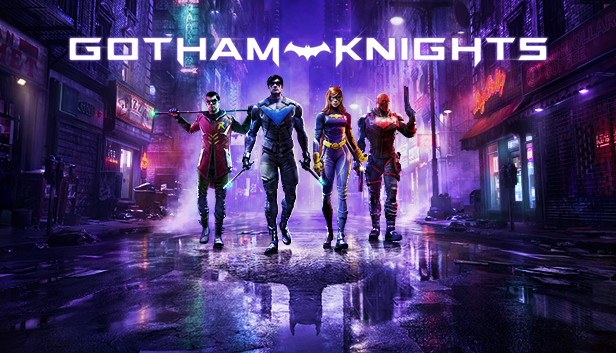
It’s a shorter list than it would have been two years ago. In February 2025, Warner Bros. Games closed Monolith Productions, Player First Games and WB San Diego, and cancelled Monolith’s Wonder Woman game. JB Perrette, then CEO and president of global streaming and games at Warner Bros. Discovery, told staff the company would focus on its four biggest franchises instead. In other words, the studios that survived into this merger are the ones Warner already decided were core.
That should, in theory, make them safer. Whether a new owner with a $6 billion savings target agrees is a different question. WB Games Boston’s latest release, the House of the Dragon-themed mobile strategy game Game of Thrones: Dragonfire, launched globally on iOS and Android on 2 June 2026, so even the smaller teams have shipped something recently.
5. The Franchise Portfolio (Harry Potter to SpongeBob)
What makes it stand out: One division now controls game rights to properties that used to sit with two rival studios.
Key data: Warner side includes Harry Potter, the DC Universe, Mortal Kombat, The Matrix, Rick and Morty and Game of Thrones; Paramount side includes Star Trek and SpongeBob SquarePants.
Why it matters: It’s one of the deepest stacks of game-ready licences owned by any single entertainment company.
Put the two lists side by side and the scale is obvious. On the Warner side there’s Harry Potter, Batman and the wider DC Universe, Mortal Kombat, The Matrix, Rick and Morty and Game of Thrones. Paramount adds Star Trek and SpongeBob SquarePants, plus the rest of its Nickelodeon and film libraries.
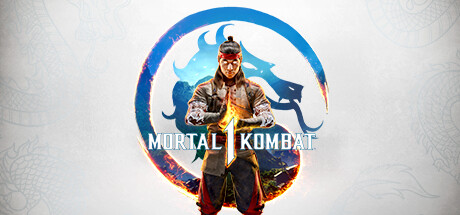
Driscoll’s own memo leaned on that range, pointing to player experiences that run “from Batman to SpongeBob”. It’s a neat line, and it tells you how he sees the job. This isn’t a games label with some licences attached. It’s a licence library that happens to own studios.
The practical upshot for players is probably more licensing deals with outside publishers on the Paramount side, where SpongeBob and Star Trek games have usually been made by third parties, and continued in-house development on the Warner side. Nothing has been announced yet. But if you’ve wondered why there hasn’t been a big-budget Star Trek game in years, a boss whose career is built on brand partnerships is the most likely person to change that.
6. Hogwarts Legacy, the Biggest Asset (Avalanche Software, 2023)
What makes it stand out: It’s the single most valuable game Skydance now owns, by a distance.
Key data: More than 40 million units sold worldwide as of December 2025 (Warner Bros. Games figure, excluding subscription access); up from 34 million in March 2025; sequel reported for 2027 at the earliest.
Why it matters: A Hogwarts Legacy sequel is the release most likely to justify the division’s place in Skydance’s spreadsheets.
Warner Bros. Games announced in December 2025 that Hogwarts Legacy had passed 40 million units sold since its 2023 launch. That count covers full-game sales on console and PC and doesn’t include people who played it through subscriptions such as PS Plus. About six million of those sales came after March 2025, when the figure stood at 34 million, which is a remarkable tail for a game nearly three years old at that point.
The revenue picture is fuzzier. One outlet reported more than $2 billion in lifetime revenue, but that came from a former Avalanche employee’s professional profile, and ConsolePulse couldn’t find it in Warner Bros. Discovery’s shareholder materials. We’re treating it as unconfirmed.
The sequel matters more than anything else on this list for the merged unit’s short-term credibility. Reporting from MP1st says a follow-up is planned for 2027 at the earliest, and Perrette said early in 2026 that “the real fruits will start coming in in ’27-’28 when we return to some of our biggest franchises”. Skydance hasn’t confirmed the game. If it does arrive on that timeline, it’ll be the first major release from the new division, and arguably the test of whether it’s being run to make hits or to cut costs.
7. Rocksteady and TT Games, the UK Stake (London and Knutsford)
What makes it stand out: Two of Britain’s best-known studios now answer to a Hollywood conglomerate run from Los Angeles.
Key data: TT Games’ LEGO Batman: Legacy of the Dark Knight launched on 22 May 2026 at £59.99 on PS5, Xbox Series X|S and PC; analyst firm Alinea estimates around 1.2 million copies sold and about $83 million gross revenue; Rocksteady’s next project is unannounced.
Why it matters: Any cuts or reshuffles in the merged unit could land on hundreds of UK development jobs.
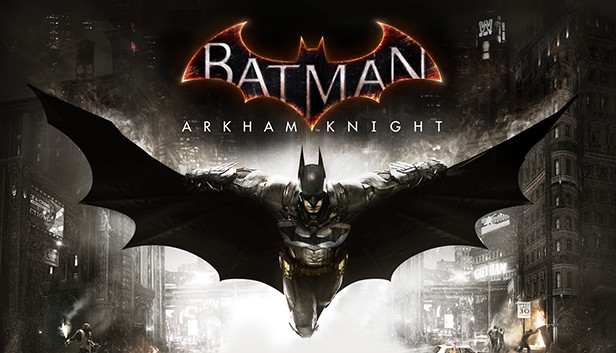
For British readers, this is the bit to watch. Rocksteady in London made the Batman: Arkham trilogy. TT Games in Knutsford has made LEGO games for two decades, including LEGO Star Wars: The Skywalker Saga. Both are now part of a division that Driscoll’s memo says he’ll visit in person, with London on the list of stops alongside Los Angeles, Montreal and Tokyo.
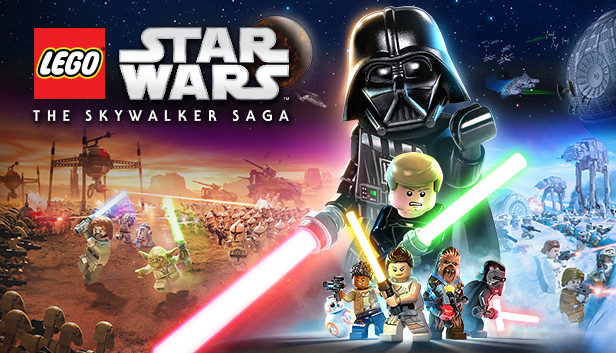
TT Games arrives in good shape. LEGO Batman: Legacy of the Dark Knight came out on 22 May 2026, a week earlier than its original 29 May date, and an Alinea Analytics estimate puts it at roughly 1.2 million copies across PlayStation, Xbox and Steam, with more than 612,000 of those on PS5. Those are third-party estimates rather than publisher figures, but they line up with the revenue jump Warner reported for the quarter (see item 8).
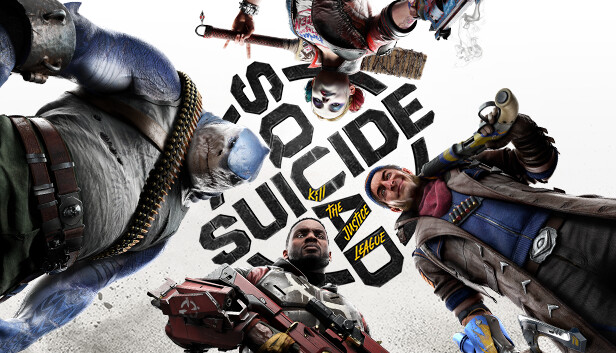
Rocksteady is the open question. Its last full release, Suicide Squad: Kill the Justice League in 2024, was a well-documented commercial disappointment, and the studio hasn’t announced what it’s making next. Tech Insider flagged Rocksteady’s roadmap as one of the most significant unknowns in the merger, and neither studio has commented publicly. A new single-player Batman game remains the thing fans want most. Nothing in the memo confirms or rules it out.
8. Warner Bros. Games’ Recent Numbers (Q2 2026)
What makes it stand out: The games unit was finally growing again when the takeover hit.
Key data: Q2 2026 games revenue up 45% year on year, driven by LEGO Batman; games expenses up 52% over the same period.
Why it matters: Skydance is inheriting a business on the upswing, which strengthens the case against deep cuts.
Warner Bros. Discovery’s second-quarter 2026 results, published in August, showed games revenue up 45% on the same quarter a year earlier, with LEGO Batman as the main driver. Expenses rose faster, by 52%, which the company tied to the cost of launching that game.
Context helps here. Warner’s games arm had a miserable 2024, with Suicide Squad’s failure leading to large write-downs, and a painful 2025 of closures and cancellations. A 45% revenue jump suggests the “focus on four franchises” plan was starting to work. That’s the good news for staff. The less good news is that costs rose even faster, and a new owner looking for savings will see both numbers.
Our verdict on this one: the timing is better for Warner’s teams than it might have been. Skydance gets a games unit coming off a hit, not one coming off a flop. If this merger had closed in early 2025, we’d be writing a much grimmer list.
9. Marvel 1943 and the Star Wars Project (Paramount Games Studio, 2027 at the Earliest)
What makes it stand out: Paramount’s two biggest games in development use licences Skydance doesn’t own.
Key data: Marvel 1943: Rise of Hydra now targets 2027 at the earliest; Shawn Kittelsen says it is “playable” and in active development; the Star Wars project has no confirmed timeline.
Why it matters: With Harry Potter and DC now in-house, Skydance has less reason to prioritise games built on Disney’s characters.
Amy Hennig’s team brings Marvel 1943: Rise of Hydra, the Second World War action game starring Captain America and Black Panther, and a separate Star Wars project. Paramount has confirmed Marvel 1943 is now targeting 2027 at the earliest. That’s another slip for a game that was once slated for 2025 and then 2026. Kittelsen said the game is in active development and already playable, and that the team’s focus is on finishing it.
The Star Wars game is murkier. Kittelsen wouldn’t confirm its long-term status and said Paramount would discuss it after Marvel 1943 ships.
Here’s the comparison nobody at Skydance will say out loud. Both of these games pay a licence fee to Disney. Warner’s DC and Wizarding World games don’t, because the company owns those characters. When you’ve just bought Batman, a Captain America game you have to share the profits on looks a lot less essential. Our guess is Marvel 1943 ships because it’s nearly done. The Star Wars project, with no date and no public commitment, is the one we’d worry about. Reports have said explicitly that it’s unclear what happens to the Marvel and Star Wars productions.
10. Layoffs Are Coming, Scope Unknown ($6 Billion Savings Target)
What makes it stand out: Skydance’s leaders have confirmed job cuts in writing, but haven’t said where.
Key data: Target of $6 billion-plus in run-rate synergies over three years, from technology, integration, procurement, marketing, real estate and headcount; Paramount reportedly cut about 1,000 jobs before the deal closed.
Why it matters: Games teams with overlapping roles, such as marketing, publishing and business development, are the most exposed.
In a memo to staff after the close, Ellison and Kreiz acknowledged that layoffs would be part of the integration. They didn’t say how many. The company is targeting more than $6 billion in run-rate savings over the next three years from technology, integration and procurement, marketing, real estate and job cuts.
GameSpot put it bluntly: it’s still unclear how hard the growing Skydance games division will be hit by the looming layoffs. Most estimates published so far are about film and TV, including one projection of some 4,500 film and TV jobs lost in Los Angeles alone over three years. Nobody has published a games figure.
If history is a guide, the first cuts in a merger like this land on duplicated functions rather than development teams. Two publishing operations, two marketing teams and two business development groups are now doing the same job. Studio closures tend to come later, if they come at all, once a new owner has seen which projects are on track. The studios we’d say are safest are the ones with a big game close to release. That’s an observation, not a forecast from Skydance.
11. “Games and Experiences” Means Theme Parks Too (Driscoll’s Remit)
What makes it stand out: The division’s name is a strategy statement.
Key data: Driscoll’s memo puts theme parks and resorts in the same unit as games; his first priority is meeting teams in person across Los Angeles, London, Montreal and Tokyo.
Why it matters: Games will compete for attention and budget with physical attractions such as the Harry Potter studio tours.
Driscoll’s own memo stressed that the division covers games and experiences, and named theme parks and resorts alongside games. Warner already runs properties such as Warner Bros. Studio Tour London, home of the Making of Harry Potter tour in Leavesden, so this isn’t theoretical for British fans.
It’s a model Disney has used for years: one brand, many touchpoints. A Harry Potter game, a Harry Potter tour and Harry Potter merchandise all feed one another. Done well, it gives games teams more marketing support and longer-lasting franchises. Done badly, it turns games into marketing for other products.
We don’t know yet which way Skydance will lean. What we do know is that Driscoll’s stated first priority is meeting the teams in person, not announcing cuts, and that his tour includes London and Tokyo. The Tokyo stop is interesting. Neither Warner Bros. Games nor Paramount Games Studio is known for a major Japanese development team, so it may point to partner relationships rather than an in-house studio.
12. How We Got Here (December 2025 to October 2026)
What makes it stand out: Warner Bros. very nearly went to Netflix instead, which would have meant a completely different future for its games.
Key data: Netflix agreed to buy Warner’s studios and HBO Max for $27.75 a share ($82.7 billion) in December 2025; Netflix walked away on 26 February 2026 and took a $2.8 billion break fee; the UK CMA and the European Commission cleared the deal; a group of US state attorneys general sued to block it.
Why it matters: Under Netflix, Warner Bros. Games would have sat inside a streaming company; under Skydance, it sits next to CBS, CNN and Paramount Pictures.
Paramount had been circling Warner Bros. since September 2025. In December, Warner’s board instead agreed to sell its studios and HBO Max to Netflix for $27.75 a share. Paramount answered with a hostile bid for the whole company at $30 a share, then sweetened it on 10 February 2026, offering to cover the $2.8 billion termination fee Warner owed Netflix and to pay shareholders a “ticking fee” for every quarter the deal stayed open past 31 December 2026. On 26 February, Netflix walked away. Its co-CEOs called the deal “nice to have” at the right price, not a “must have” at any price.
Regulators followed. The European Commission gave conditional approval, with remedies that reportedly include ending a European joint venture with Universal Pictures within 13 months of closing. In the UK, the CMA found the deal wouldn’t weaken competition in film distribution, children’s TV or streaming, and Lisa Nandy said she had secured “assurances and further legally-binding commitments” on broadcasting. In the US, the Justice Department cleared it, though a dozen Democratic state attorneys general sued to block it over the summer.
Games barely featured in any of those reviews. That’s telling. To regulators, Warner Bros. Games was a footnote. To players, it’s the bit of the company they actually touch.
What Happens Next
For now, nothing changes for players. Hogwarts Legacy, Mortal Kombat 1, LEGO Batman and the rest stay on sale, and no project has been cancelled because of the merger. The next real signals will be the shape of Driscoll’s leadership team below him, the first round of Skydance layoffs and whether a Hogwarts Legacy sequel or a new Rocksteady game gets a formal reveal. If you’re following the bigger release picture this autumn, our guide to GTA 6 before its 19 November launch and our coverage of Gears of War: E-Day’s launch show how crowded the market Skydance’s games will compete in already is.
Sources: Axios on the deal closing, The Hollywood Reporter on Tony Driscoll’s appointment, Deadline on Skydance’s games leadership, Paramount’s Paramount Games Studio announcement, Warner Bros. Discovery press release on Game of Thrones: Dragonfire, Push Square on Hogwarts Legacy’s 40 million sales.
Frequently Asked Questions
When did the Paramount and Warner Bros. Discovery deal close?
The deal closed on Tuesday 6 October 2026, and the combined company is now called Skydance.
Who is in charge of Skydance’s video game division?
Tony Driscoll leads it as President, Games and Experiences, a role he holds alongside running Skydance’s corporate strategy and development.
Which game studios are part of the Skydance merger?
The merged unit includes Avalanche Software, NetherRealm Studios, Rocksteady Studios, TT Games, WB Games Montreal and WB Games Boston from Warner, plus the Skydance Interactive and Skydance New Media teams that formed Paramount Games Studio.
Is Hogwarts Legacy 2 still happening after the merger?
Skydance has not officially announced Hogwarts Legacy 2, but reports say a sequel is planned for 2027 at the earliest and nothing about the merger has been said to cancel it.
Will Rocksteady and TT Games be affected by Skydance layoffs?
Nobody knows yet, because Skydance has confirmed layoffs in general but has not said which teams or countries will be affected, and neither UK studio has commented.
How many copies has Hogwarts Legacy sold?
Hogwarts Legacy had sold more than 40 million units worldwide by December 2025, according to Warner Bros. Games, not counting subscription players.
What happened to Marvel 1943: Rise of Hydra?
Marvel 1943: Rise of Hydra is still in development at Paramount Games Studio and now targets 2027 at the earliest, according to Paramount.
How much did Paramount pay for Warner Bros. Discovery?
Paramount paid $31 a share in cash, valuing the deal at about $110 billion including debt.
Why did Netflix not buy Warner Bros.?
Netflix walked away on 26 February 2026 rather than match Paramount’s higher offer, and collected a $2.8 billion break fee that Paramount covered.
Did UK regulators approve the Skydance and Warner Bros. deal?
Yes, the Competition and Markets Authority cleared the takeover and Culture Secretary Lisa Nandy chose not to intervene after securing commitments on broadcasting.
📸 Follow us on Instagram for daily film, TV & gaming news: @filmoriauk

Kevin Bennett
Covers genre cinema for Filmoria: horror, thrillers and the sort of low-budget film that finds its audience years after release. Also writes on physical media and restorations.