

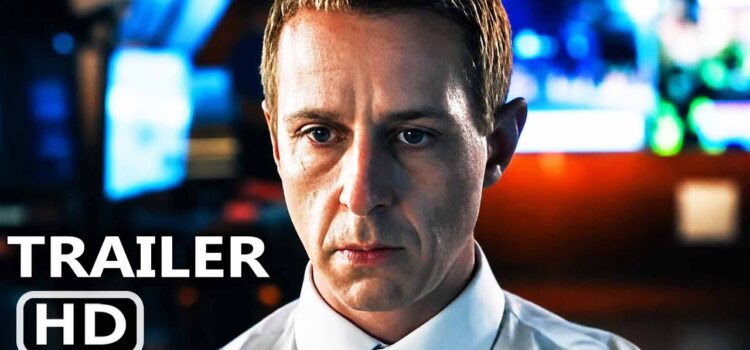
The Social Reckoning Review: 12 Things That Decide Aaron Sorkin’s Facebook Follow-Up
Movie Reviews 12th October 2026 Oliver Laurent
Filmoria Review
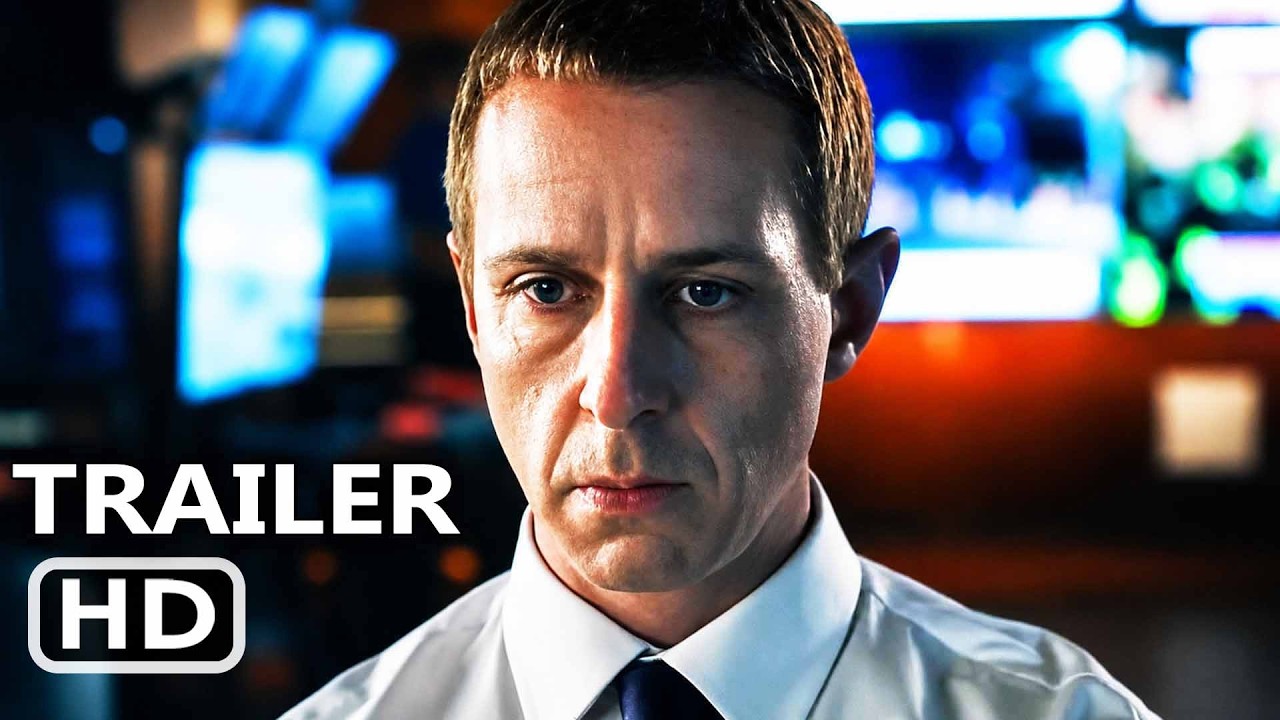
The Social Reckoning, Aaron Sorkin’s drama about Facebook whistleblower Frances Haugen and the Wall Street Journal’s 2021 “Facebook Files”, opened in UK and Ireland cinemas on Friday 9 October 2026 through Sony Pictures, and it’s showing only in cinemas for now. Filmoria gives it 2.5 out of 5 stars: Mikey Madison and Jeremy Strong are very good, but Sorkin’s flat direction and a script that preaches more than it bites leave it well short of The Social Network.
TL;DR: A well-acted, talky newsroom thriller that knows exactly what it thinks about Facebook and never quite works out how to make you feel it. Madison is the reason to go. Strong’s Zuckerberg is a chilly, fascinating sketch. The rest, as one critic put it, plays like a West Wing episode.
Quick Facts
- Director: Aaron Sorkin
- Writer: Aaron Sorkin
- Cast: Mikey Madison, Jeremy Allen White, Jeremy Strong, Wunmi Mosaku, Betty Gilpin, Billy Magnussen, Bill Burr
- Runtime: 112 minutes
- Release date: 9 October 2026 (UK, Ireland and US cinemas)
- Distributor: Sony Pictures
- Filmoria rating: 2.5/5
In the UK
- UK release: in UK and Irish cinemas since Friday 9 October 2026, opening in 607 cinemas, the widest new release of that weekend according to Screen Daily.
- Where to watch: cinemas only. Sony Pictures is the UK distributor.
- BBFC rating: not yet confirmed in the sources we checked.
- Streaming and home release: not yet confirmed for the UK.
Filmoria’s verdict
2.5 / 5
Two strong lead performances stranded in a lecture. Worth it for Mikey Madison; skip it if you want another Social Network.
This is a ranked list of the 12 things that decide whether The Social Reckoning is worth your cinema ticket, from the story and the performances to Sorkin’s direction, the score and how it stacks up against The Social Network.
The items run in the order they matter to the verdict: story and performances first, then the writing and craft, then the comparisons, and finally who it’s for and the score. Our verdict weighs the film’s published reviews, with critics named where we agree or disagree, alongside production and box office facts from Sony, Deadline, Variety, TheWrap and Screen Daily.
| Aspect | Rating | Verdict |
|---|---|---|
| 1. Overall verdict | 2.5/5 | Watchable, well acted, rarely gripping |
| 2. Story and setup | 3/5 | A strong true story told in a safe, familiar way |
| 3. Mikey Madison as Frances Haugen | 4/5 | The film’s best reason to exist |
| 4. Jeremy Strong as Mark Zuckerberg | 3.5/5 | Uncanny and cold, though underwritten |
| 5. Jeremy Allen White and the ensemble | 3/5 | Good actors with thin parts; Bill Burr steals scenes |
| 6. The script | 2.5/5 | Clever lines, but it argues instead of dramatises |
| 7. Sorkin’s direction | 2/5 | Flat and close-up heavy; the biggest weakness |
| 8. Cinematography and score | 3/5 | Cronenweth and Desplat are solid, not memorable |
| 9. Against The Social Network | 2/5 | Not in the same league |
| 10. Against other whistleblower films | 2.5/5 | Lacks The Insider’s dread or Spotlight’s patience |
| 11. Who it’s for | Not rated | Sorkin loyalists and Madison fans |
| 12. Final verdict | 2.5/5 | A cinema maybe; a streaming yes |
1. The Verdict Up Front (2026, US, Sony Pictures)
What makes it stand out: It’s a film about Facebook’s harms made by the man who wrote the definitive film about Facebook’s birth, and it ends up being the least surprising thing Sorkin has put on screen.
Key data: 112 minutes; released 9 October 2026; a Rotten Tomatoes score that slid from 70% in its first wave of reviews to 54% by opening weekend, with Metacritic in the low 50s.
Why it matters: Sony sold this as the spiritual sequel to one of the best films of the 2010s, and that’s the bar audiences will hold it to.
Filmoria’s verdict: The Social Reckoning is a decent, dutiful drama with one great performance in it, but it never earns the comparison its marketing keeps inviting.
Here’s the thing. Nothing in The Social Reckoning is bad, exactly. The actors are good. The dialogue snaps. The real story it’s built on, an engineer walking out of Facebook with tens of thousands of pages of internal research and handing them to a journalist, is genuinely important. And yet you come out of it feeling like you’ve been told something you already knew, at length, by someone who’s very pleased with how he phrased it.
That’s roughly where the critics landed too. The early wave was warmer than the later one. Showbiz Junkies called Sorkin’s screenplay the star of the film, and the Houston Chronicle liked Strong’s “tense, brittle” Zuckerberg. But as more reviews came in, the score kept dropping. TheWrap called it “a generic potboiler with highfalutin dialogue”. Nicholas Barber gave it two stars and said it puts Facebook on trial “but it won’t change anyone’s minds”. We think Barber’s closest to the truth. It’s a film that preaches to people who already agree with it, and it doesn’t give anyone else a reason to listen.
2. The Story: Frances Haugen and the Facebook Files (2021 events, Sony Pictures)
What makes it stand out: Unlike The Social Network, this isn’t a founding myth; it’s a leak story, told mostly from the whistleblower’s side.
Key data: Based on the Wall Street Journal’s 2021 investigation known as the Facebook Files; Mikey Madison plays Frances Haugen and Jeremy Allen White plays WSJ reporter Jeff Horwitz.
Why it matters: It’s one of the few big-studio films to take on a living tech company and its boss by name, with the boss still very much in charge.
The setup is simple, and we’ll keep it spoiler-light. Frances Haugen works inside Facebook and becomes convinced the company knows far more about the damage its products do than it lets on. She starts gathering internal documents. Jeff Horwitz, a reporter at the Wall Street Journal, becomes her way of getting them out. The film follows the two of them as the story comes together, with Mark Zuckerberg looming over everything from the top floor.
If you followed the news in 2021, you know where this goes. Haugen’s leak became the Journal’s Facebook Files series, and she went on to testify before the US Senate that autumn. The film doesn’t need you to have read any of it, though. Sorkin lays it all out.
Sorkin has been careful to say this isn’t a sequel. He told TheWrap it’s “another movie about Facebook written by the same guy”, centred on the same figure but at a dramatically different stage. That’s fair. The two films barely share a character apart from Zuckerberg, and the tone is very different: where the 2010 film was a sly, funny story about ambition, this one is angry and earnest from the first scene.
The trouble is that earnestness leaves little room for doubt. The Film Stage said it plays like a West Wing episode, and it does. Everyone is either right or wrong, and we always know which.

3. Mikey Madison as Frances Haugen (2026, Sony Pictures)
What makes it stand out: It’s Madison’s first lead since her Oscar-winning turn in Anora, and it’s a completely different kind of role.
Key data: Madison won the Academy Award for Best Actress for Sean Baker’s Anora (2024); Rotten Tomatoes’ first-reviews round-up singled her out as the film’s standout.
Why it matters: She holds the film together, and it’s the clearest sign yet that Anora wasn’t a one-off.
Ani in Anora was all noise and nerve. Frances, as the reviews describe her, is the opposite: quiet, careful, precise. By most accounts Madison plays that brilliantly. The Boston Globe’s critic described her as “socially awkward, incredibly sharp, tuned into details”, which is a neat summary of what she does with a part that, on the page, is mostly someone reading documents and worrying.
Not everyone agrees. FandomWire thought the writing turns Frances into a “nervous, irritating shell of a human being”, and we can see what they mean. Sorkin gives her very little life outside the leak. We barely learn what she wants for herself, or what she stands to lose beyond the obvious. She’s a conscience with a lanyard.
But that’s a script problem, and Madison works around it. Critics who disagreed about almost everything else agreed she’s the best thing in it, and Rotten Tomatoes’ early round-up led with the line that she shines. When the film works, it’s because of her. If The Social Reckoning gets any awards attention at all, this is where it’ll come from.
4. Jeremy Strong as Mark Zuckerberg (2026, Sony Pictures)
What makes it stand out: Strong takes over a role Jesse Eisenberg made iconic, and he goes in a deliberately colder, stranger direction.
Key data: Strong’s turn as Roy Cohn in The Apprentice (2024) earned him an Oscar nomination; he is best known as Kendall Roy in HBO’s Succession.
Why it matters: Zuckerberg is the only real link between the two films, and Strong’s version tells you everything about how Sorkin’s view of him has hardened.
Eisenberg’s Zuckerberg was a wounded kid: fast, bitter, desperate to be let into the room. Strong’s is a man who owns the room and has stopped noticing anyone else in it. Critics have reached for the same words over and over. Robotic. Alien. Uncanny. The Scotsman called it a “purposefully robotic performance”, and we think “purposefully” is the key. It’s a choice, and mostly a good one.
The Hollywood Reporter’s headline suggested the film is “an even bigger burn” on Zuckerberg than you’d think, and that’s right too. Strong never asks for sympathy. He plays a man who has optimised away the parts of himself that might feel it.
Where it falls down is depth. Variety’s critic found him hard to access, and we’d agree. He’s a brilliant mood more than a character, because the script is far more interested in what Zuckerberg represents than in who he is.

5. Jeremy Allen White and the Ensemble (2026, Sony Pictures)
What makes it stand out: It’s a stacked cast, and most of it is underused.
Key data: Jeremy Allen White (The Bear, Springsteen: Deliver Me from Nowhere) plays Jeff Horwitz; the supporting cast includes Wunmi Mosaku (Sinners), Betty Gilpin, Billy Magnussen and Bill Burr.
Why it matters: A Sorkin film usually lives or dies on its ensemble, and this one has the names but not the parts.
White is fine as Horwitz. He’s a believable reporter, and more than one critic named him alongside Madison and Strong as the cast’s strongest trio. But Looper’s complaint that both Jeremys “barely get to show range” is fair. Horwitz is mostly there to ask Frances the questions the audience would ask, and White can only do so much with that.
The surprise is Bill Burr. Even Looper, which gave the whole film 1/10, said Burr “somehow delivers the film’s most convincing performance”. He’s playing someone in Zuckerberg’s orbit, and from the reviews it’s clear he brings a looseness the rest of the cast isn’t allowed.
Mosaku, fresh off Sinners, and Gilpin are both good actors, and Sony’s publicity barely mentioned what they play. That says plenty about how central they are. A Sorkin film usually hands out big scenes to its supporting players; this one keeps the spotlight on its three leads.
6. The Script: Sorkin at His Most Sorkin (2026, Sony Pictures)
What makes it stand out: All the famous Sorkin tools are here, the overlapping arguments, the speeches, the walk-and-talks, and they’re mostly aimed in one direction.
Key data: Sorkin won the Oscar for Best Adapted Screenplay for The Social Network in 2011; he wrote this one alone, drawing on the real events of the 2021 leak.
Why it matters: Writing is Sorkin’s strength, so when the script feels thin, the whole film has nothing to fall back on.
There are good lines in this film. Plenty of them. Showbiz Junkies thought the screenplay was “masterfully crafted”, and in places you can see why. When people argue across a table, the old crackle is still there.
The problem is that it’s all argument and very little drama. In The Social Network, Sorkin let everyone have a point. Eduardo was wronged, but naive. The Winklevoss twins were entitled, but they weren’t wrong. Mark was a jerk, but a jerk who built something. That moral mess is what made it great. Here, the case is closed before the film starts. Facebook is bad, the whistleblower is good, and the script spends 112 minutes proving a verdict it’s already announced.
The Film Stage put it well, calling Sorkin’s affinity for classical Hollywood storytelling “tone-deaf” for the current moment. We’d go slightly further. The film believes that if the right person says the right thing loudly enough, the system will listen. In 2026, after everything that’s happened since Haugen testified, that faith feels almost quaint.
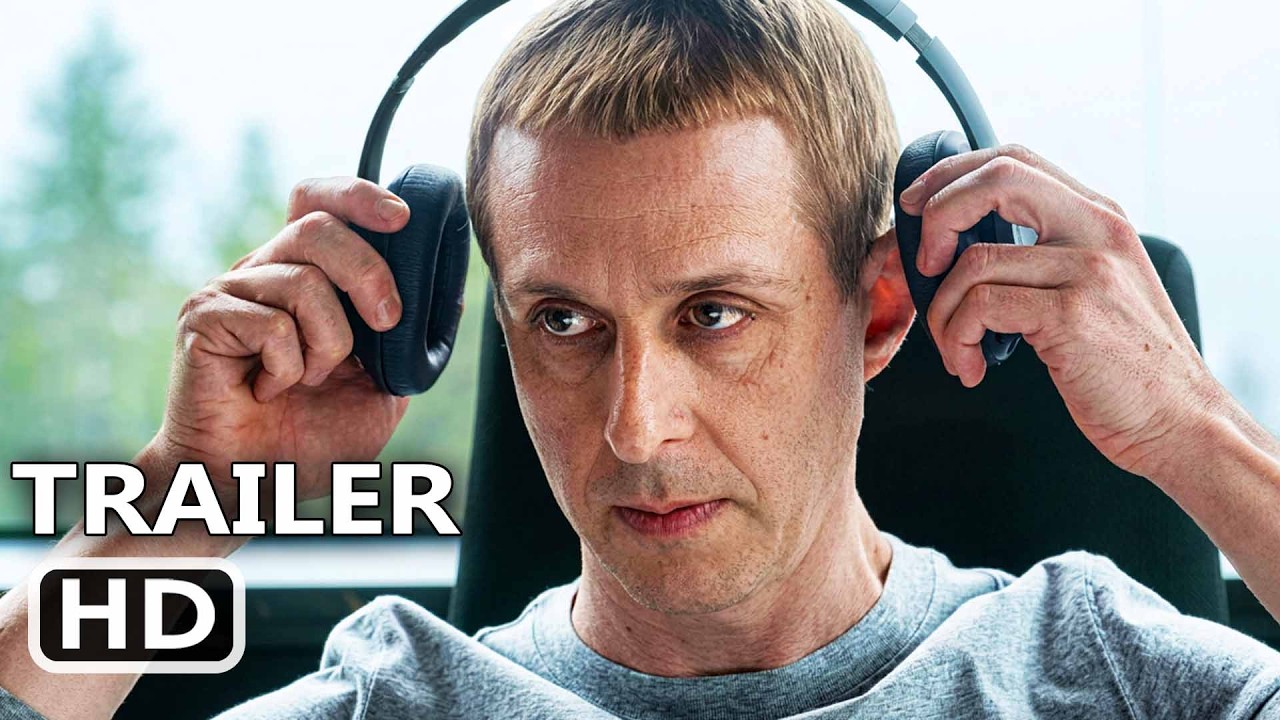
7. Sorkin’s Direction: The Fincher-Shaped Hole (2026, Sony Pictures)
What makes it stand out: This is the fourth film Sorkin has directed himself, and it’s the one where you miss a stronger director most.
Key data: Sorkin previously directed Molly’s Game (2017), The Trial of the Chicago 7 (2020) and Being the Ricardos (2021); David Fincher was his first choice but was unavailable because of his exclusive Netflix deal and his work on The Further Misadventures of Cliff Booth.
Why it matters: Direction is the single most common complaint in the reviews, and it’s the biggest reason this falls short.
Sorkin has been open that Fincher was his first call. He also said he didn’t want to wait, because he didn’t want the film to come out a year after the US midterm elections. So he directed it himself. Understandable. But you feel the absence in almost every scene.
Fincher took Sorkin’s machine-gun dialogue and gave it a cold, precise visual world to live in. Every cut in The Social Network had a rhythm. Here, the shooting is functional at best. ScreenCrush pointed to the film’s reliance on repetitive close-ups during its endless dialogue scenes, and more than one reviewer said it has the look and feel of something made for streaming. That’s harsh, but not wrong. The talk is the show, and the camera rarely does anything to sharpen it.
In fairness, some critics thought he directs with more competence than in his earlier films. It’s efficient. It just never looks like anything.
8. Cinematography and Score: Cronenweth and Desplat (2026, Sony Pictures)
What makes it stand out: Only one key crew member made the jump from the 2010 film, and the famous Reznor and Ross sound is gone.
Key data: Cinematographer Jeff Cronenweth, who shot The Social Network, returns; Alexandre Desplat composed the score, released by Sony Classical on 9 October 2026 and including “The Lament”, sung by soprano Renée Fleming.
Why it matters: The original’s look and sound were half its identity, and the new film proves how much of that came from Fincher’s team rather than the script.
Cronenweth is a terrific cinematographer, and he’s the only head of department to carry over from Fincher’s film. But he’s shooting someone else’s plan this time, and by most accounts the plan is mostly people facing each other in close-up.
The music’s a bigger change. Trent Reznor and Atticus Ross won an Oscar for The Social Network, and that pulsing, anxious electronic score is part of why the film still feels so modern. Desplat, a two-time Oscar winner, goes another way entirely; a track built around an operatic soprano tells you as much. It’s a more traditional, emotional approach, and it suits a film that wants to tell you how to feel rather than unsettle you. That matches the film’s wider problem.
It’s telling that Sony’s trailer reused Reznor and Ross’s old music. Even the marketing knew which sound people remembered.

9. How It Compares With The Social Network (2010 vs 2026, Sony Pictures)
What makes it stand out: It’s impossible to watch it without thinking about the 2010 film, and the film itself knows it.
Key data: The Social Network cost about $40 million, opened to $22.4 million in North America and made around $225 million worldwide, winning three Oscars; The Social Reckoning cost about $30 million and opened to $5.5 million in North America.
Why it matters: The comparison is the whole marketing hook, and it’s the comparison the film loses most clearly.
Let’s be blunt. The Social Network is a modern classic. It’s funny, mean, thrilling and sad, often in the same scene. It understood that the story of Facebook was really a story about loneliness and status, and it was told with total control by a director at the top of his game.
The Social Reckoning is a decent issue drama. It’s about the damage Facebook did, rather than the people who built it, and that’s a worthy subject. But it lacks almost everything that made the first film special: the wit, the ambiguity, the sense that you’re watching something being invented in real time. Slashfilm wrote a whole piece on why it’s an unworthy follow-up. One reviewer summed it up neatly: everything that went right with The Social Network goes wrong here.
We’d soften that a little. Madison is as good as anyone in the 2010 film. But as a whole, this one isn’t close.
10. How It Compares With Other Whistleblower and Newsroom Films (Spotlight, The Insider, She Said)
What makes it stand out: It sits in a long tradition of journalism thrillers, and it borrows the shape without the tension.
Key data: Comparable films include Michael Mann’s The Insider (1999), Tom McCarthy’s Oscar-winning Spotlight (2015) and Maria Schrader’s She Said (2022).
Why it matters: These are the films you’d actually line it up against, and they show what a leak story can be.
The Insider is the obvious one. Russell Crowe’s tobacco whistleblower is terrified, and the film makes you terrified with him: every phone call, every car in the rear-view mirror. You feel what it costs to speak up. The Social Reckoning, going by its reviews and its own talk-first design, tells you Frances is risking everything rather than making you feel it.
Spotlight is the other model, and it’s a lesson in patience. It finds the drama in the boring stuff, the filing, the phone trees, the slow piling up of evidence, and trusts the audience to stay with it. Sorkin can’t resist turning every scene into a debate with a winner.
She Said, about the Harvey Weinstein investigation, is the closest in spirit and probably the fairest comparison. It’s also earnest and a bit stiff. But it kept its focus on the people who were harmed, and that gave it weight. Sorkin’s film can’t resist its Zuckerberg, and its marketing sold Strong as hard as Madison. You sense he finds the villain more interesting than the hero. That’s not a crime. It just makes for a lopsided film.
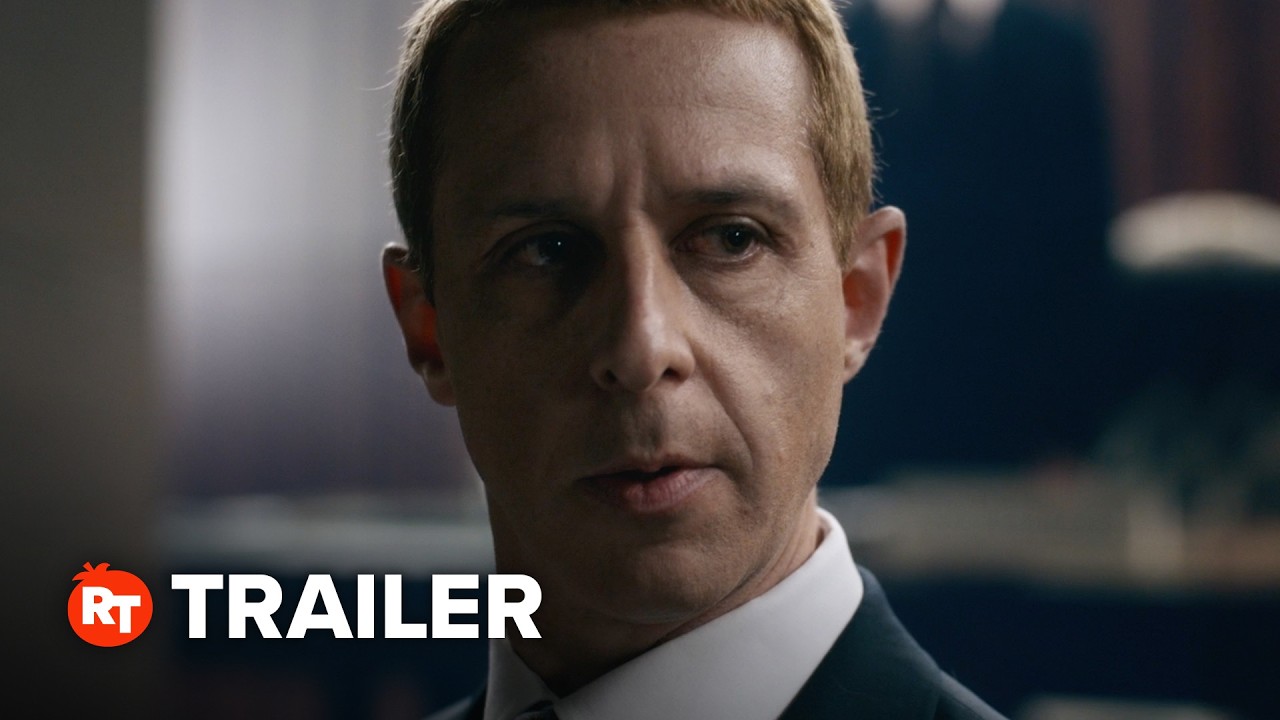
11. Who It’s For, and Who Should Skip It (2026, UK Cinemas)
What makes it stand out: Audiences liked it more than critics did, which tells you the right viewer will have a perfectly good time.
Key data: B- CinemaScore and 75% positive on PostTrak in North America; around 70% audience score on Rotten Tomatoes against 54% from critics on opening weekend.
Why it matters: This isn’t a film to avoid at all costs; it’s a film to match carefully to your mood.
Watch it if… you love Sorkin’s dialogue for its own sake, you want to see what Mikey Madison does after Anora, or you’re interested in the real Facebook Files story and want a brisk, clearly told version of it. It’s also a decent pick if you’re watching with someone who hasn’t seen The Social Network and won’t spend the whole time comparing.
Skip it if… you’re hoping for The Social Network 2. You won’t get it. Skip it too if you find Sorkin’s speechifying exhausting, because there’s a lot of it here and it’s rarely balanced by anyone pushing back. And if you already know the Haugen story well, the film won’t tell you much you don’t know.
The B- grade and audience score are worth taking seriously. People who chose to see it mostly came out satisfied. The problem, as our box office takeaways from the 9 to 11 October weekend showed, is that very few people chose to see it: $5.5 million in North America, against a budget of about $30 million. Sony gave it a wide UK launch, so if you’re curious, now’s the time to catch it on a big screen.
12. The Final Verdict: 2.5 Stars (2026, Sony Pictures)
What makes it stand out: It’s a film with a lot to say and the talent to say it, undone by the decision to say it all out loud.
Key data: Filmoria rating 2.5/5; critics’ reviews range from Looper’s 1/10 and Nicholas Barber’s two stars to three stars from The Scotsman and the Boston Globe.
Why it matters: It’s another reminder that Sorkin is a great writer who needs a great director.
We wanted to like The Social Reckoning more than we did. The subject is real and important. Madison is excellent, Strong is intriguing, Burr is a surprise. There are stretches where the old Sorkin rhythm kicks in and you lean in.
But it’s a film that’s always telling you what it means. It has no doubts, no room for the audience to think, and a visual style that does nothing to lift the talk. The Scotsman called it “perfectly enraging”, and we understand the praise: it does make you angry at Facebook. It just doesn’t make you feel much else.
Two and a half stars. See it for Madison, and then go home and rewatch The Social Network.
The Bottom Line
The Social Reckoning is a sincere, talky, well-cast film about something that matters, and it’s let down by flat direction and a script that never lets anyone disagree with it. Mikey Madison gives a performance worth the ticket. Everything else is fine, and fine is a long way from what Sorkin promised by calling back to The Social Network. If you’re a fan, see it in a cinema while it’s on; if you’re on the fence, wait for streaming, where it’ll probably play better anyway.
Sources: Deadline (box office), Screen Daily (UK release), TheWrap (Aaron Sorkin interview), Film Music Reporter (score), Rotten Tomatoes (first reviews), Official trailer.
Frequently Asked Questions
Is The Social Reckoning a sequel to The Social Network?
Not exactly. Aaron Sorkin calls it another movie about Facebook written by the same writer rather than a sequel. It shares Mark Zuckerberg as a character but tells a separate story, the 2021 Facebook Files leak, with a new cast.
Is The Social Reckoning based on a true story?
Yes. It dramatises how Facebook whistleblower Frances Haugen passed internal company documents to Wall Street Journal reporter Jeff Horwitz, which became the Journal’s Facebook Files series in 2021.
Who is Frances Haugen, the whistleblower in The Social Reckoning?
Frances Haugen is a former Facebook employee who leaked internal research to the Wall Street Journal in 2021 and later testified before the US Senate. Mikey Madison plays her in the film.
Does Jesse Eisenberg return as Mark Zuckerberg in The Social Reckoning?
No. Jeremy Strong plays Mark Zuckerberg in The Social Reckoning, taking over the role Jesse Eisenberg played in The Social Network in 2010.
Why didn’t David Fincher direct The Social Reckoning?
Aaron Sorkin says Fincher was his first choice, but Fincher was unavailable because of his exclusive Netflix deal and his work on The Further Misadventures of Cliff Booth, so Sorkin directed it himself.
Who composed the music for The Social Reckoning?
Alexandre Desplat composed the score, not Trent Reznor and Atticus Ross, who scored The Social Network. Sony Classical released the soundtrack on 9 October 2026, including The Lament featuring soprano Renee Fleming.
What is The Social Reckoning’s Rotten Tomatoes score?
The Social Reckoning held 54 percent with critics on Rotten Tomatoes on its opening weekend, down from 70 percent in its first wave of reviews. Its audience score was around 70 percent.
How much did The Social Reckoning make at the box office?
The Social Reckoning opened to about $5.5 million in North America on 9 to 11 October 2026, finishing fifth, with a worldwide start of about $9 million.
How much did The Social Reckoning cost to make?
The Social Reckoning had a reported production budget of about $30 million, compared with about $40 million for The Social Network.
When will The Social Reckoning be on streaming in the UK?
No UK streaming or home entertainment date has been announced yet. For now The Social Reckoning is showing only in UK and Irish cinemas, where it opened on 9 October 2026.
📸 Follow us on Instagram for daily film, TV & gaming news: @filmoriauk

Oliver Laurent
Writes about mainstream releases and the business behind them for Filmoria — box office, studio strategy and the long tail of franchise filmmaking.