
9 Things to Know About Resident Evil (2026): Our Verdict on Zach Cregger’s Reboot
Movie Reviews 20th September 2026 Radek Sinclair
Filmoria Review
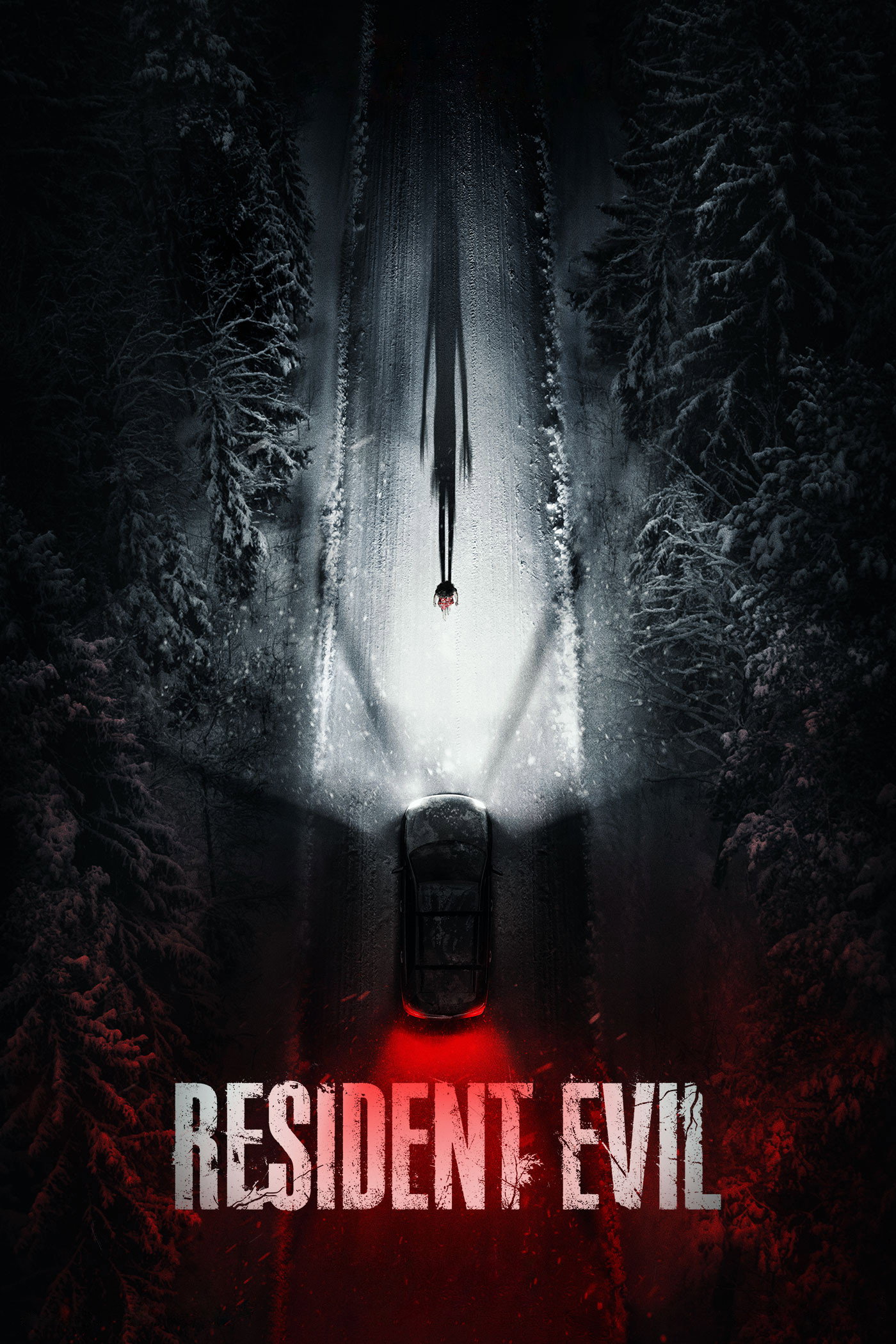
Official poster © Sony Pictures / Constantin Film, via TMDB.
TL;DR: Zach Cregger’s Resident Evil reboot is the first film adaptation of the games that actually plays like one — a lean, mean, frequently very funny survival-horror ride anchored by a terrific Austin Abrams performance. It runs out of ideas exactly when it needs a strong finish, and its trio of Umbrella scientists never gets the screen time it deserves, but for roughly seventy of its ninety-three minutes this is genuinely one of the best horror releases of the year. Filmoria’s verdict: 4 out of 5 stars.
Quick Facts
- Director: Zach Cregger
- Writers: Zach Cregger, Shay Hatten
- Cast: Austin Abrams, Zach Cherry, Kali Reis, Paul Walter Hauser, Johnno Wilson
- Runtime: 93 minutes (94 minutes per BBFC listing)
- Release date: 18 September 2026 (UK & US, day-and-date, including IMAX and ScreenX)
- Rating: 15 (BBFC) / R (MPA) — strong bloody violence, gore, horror, language
This is a ranked list of the nine things that matter most about Zach Cregger’s Resident Evil reboot — covering the story, the performances, the craft, and exactly where it falls apart — based on our own viewing plus the critical consensus that has formed since the film opened in UK and US cinemas this past week.
Items are ordered by how much weight each one carries in the overall verdict: the elements critics agree are the film’s biggest strengths come first, followed by its most-discussed weaknesses, before we land on who should actually buy a ticket and the final score.
| Aspect | Rating | Verdict |
|---|---|---|
| Story & setup | 4/5 | Lean, mission-based structure that mirrors the games |
| Austin Abrams (lead) | 4.5/5 | Career-best comic-horror performance |
| Supporting cast (Umbrella scientists) | 2.5/5 | Talented, criminally underused |
| Direction & tone | 4/5 | Confident blend of scares and comedy |
| Cinematography & creature design | 4/5 | Gorgeous early, shakier once VFX take over |
| Franchise/game fidelity | 4/5 | Best “feels like the games” adaptation yet |
| Third act & pacing | 2.5/5 | Momentum drops once it goes big |
| Overall | 4/5 | One of 2026’s best horror surprises |
1. The Set-Up: A Medical Courier’s Very Bad Night (2026, Sony/Columbia)
What makes it stand out: Cregger and co-writer Shay Hatten throw out two decades of Resident Evil movie lore and start fresh with an original story set parallel to the events of the 1998 Resident Evil 2 game, in an alternate contemporary timeline. Key data: 93–94 minute runtime, an $80 million budget, filming in Prague from October 2025, and a finish formatted natively for IMAX. Why it matters: Ditching the Alice mythology and the Wesker conspiracy plotting that eventually sank the Paul W. S. Anderson films means new viewers don’t need homework, and it frees Cregger to structure the film like an actual playthrough rather than a greatest-hits reel of franchise callbacks.
The premise is almost insultingly simple, and it’s better for it: Bryan (Austin Abrams), a strung-out, none-too-competent medical courier, gets sent into an isolated mountain hospital during a routine delivery and finds himself trapped inside a T-virus outbreak. There’s no SWAT team, no corporate espionage subplot weighing down the first act, just an ordinary guy with a flashlight and a shrinking set of options. Critics have singled this out as the smartest structural choice in the film. RogerEbert.com’s Brian Tallerico called it “one of the most video game-inspired cinematic experiences you could possibly have,” pointing to how the film paces itself in discrete, escalating encounters rather than one continuous chase. There are typewriter-style save-point gags and herb-healing beats lifted straight from the games, but they’re staged as environmental detail rather than winking fan service, which is exactly why they land. It’s the same trick of limiting scope that made the original 1996 game frightening in the first place, and Cregger — a former sketch comedian who has spent his directing career studying how confinement breeds dread, see also: the basement in Barbarian — clearly understood the assignment. It also helps that this is the first Resident Evil film in twenty-four years that isn’t quietly apologising for its video game roots; where the Anderson era treated the games as source material to be improved upon, Cregger treats them as a genuinely good design document worth following closely.
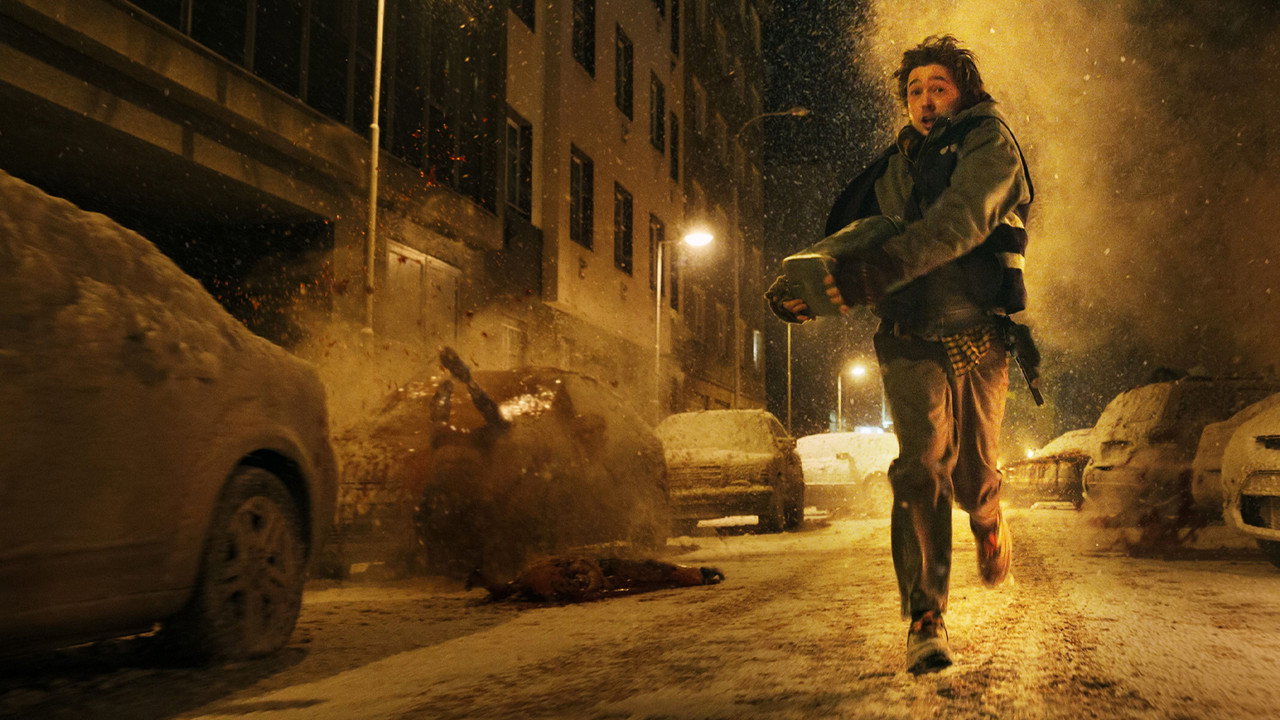
Production still © Sony Pictures / Constantin Film, via TMDB.
2. Austin Abrams Carries the Whole Movie
What makes it stand out: Abrams, best known for supporting work in Euphoria and Chemical Hearts, gets his first true leading-man horror showcase and doesn’t waste it. Key data: The sole above-the-title cast member, onscreen for the clear majority of the runtime, and singled out by name in at least six major reviews we surveyed. Why it matters: A video game adaptation lives or dies on whether the audience wants to keep playing as its protagonist, and every critic who’s weighed in agrees Abrams makes you want to.
What’s notable is how deliberately unglamorous the performance is. The AV Club’s review praised his “strung-out charisma,” describing mumbly, aggravated reactions and a “high-pitched scream that grounds the horror in relatable human responses.” This is not a stoic action hero; it’s a guy who is extremely unhappy to be here and says so, loudly, in the middle of a zombie attack. TheDirect’s review, an 8 out of 10, makes the video game comparison explicit, noting that Bryan “gradually learns combat skills, mirroring player progression in actual games,” which gives the character arc a mechanical logic most horror leads never get: he’s visibly worse at this in reel one than he is in reel five, and the film lets that improvement double as its emotional throughline. It’s a smart bit of design, and it’s the reason both the IndieWire and RogerEbert.com reviews single out Abrams as doing more heavy lifting than the script strictly asks of him.

Austin Abrams, via TMDB.
3. The Supporting Cast Deserved More Screen Time
What makes it stand out: Zach Cherry, Kali Reis and Paul Walter Hauser play a trio of Umbrella Corporation scientists — on paper, a comic horror dream team. Key data: Multiple independent reviews, including the Boston Globe and CGMagazine, flag their limited screen time as the film’s most consistently repeated complaint. Why it matters: This is one of the only areas where nearly every published review lands in exactly the same place, which makes it the clearest documented weakness of the film rather than a matter of taste.
It’s a genuine shame, because on paper this is a comic horror dream team. Hauser has built a career out of finding pathos in schlubby weirdness, Reis brought real steel to True Detective: Night Country, and Cherry is one of the most reliably funny character actors working today. But the Boston Globe’s review notes Reis “unfortunately appears only briefly,” while CGMagazine flags that Cherry’s character receives “minimal focus despite his popularity” with audiences. The AV Club’s review goes further, arguing the Umbrella-operative scenes are the film’s “weakest sections,” not because the actors are bad, but because the script treats them as connective tissue between set pieces rather than as people worth following. If there’s ever a sequel — and Cregger has said publicly he doesn’t want to make one — this is the thread most worth pulling. Moviejawn’s review makes a related point about the film losing some of its early “directorial wit” precisely when it cuts away to the Umbrella side of the story, which suggests the imbalance isn’t just a matter of a few missing scenes but a structural choice that pulls focus away from what’s actually working.
4. Cregger’s Direction Leans Into Horror-Comedy, and It Mostly Works
What makes it stand out: This is Cregger’s third feature after Barbarian (2022) and Weapons (2025), and the first time he’s worked inside pre-existing IP rather than an original concept. Key data: Reviews repeatedly invoke Sam Raimi, John Carpenter and Shaun of the Dead as tonal touchstones. Why it matters: Balancing jump scares with jokes is one of the hardest things to pull off in genre filmmaking, and Cregger’s specific comic timing, dry and character-based, never mugging for the camera, translates surprisingly well to a franchise historically built on so-bad-they’re-great line deliveries.
CBR’s review, an 8.5 out of 10, praises how the film “effectively balances horror with humor and campy elements,” while the Boston Globe, awarding three and a half stars, frames it as needing “more jokes to achieve a stronger Shaun of the Dead tone,” which is a compliment wrapped in a mild complaint. The throughline across nearly every review is that Cregger treats the inherent silliness of a T-virus outbreak as a feature rather than something to be embarrassed about or over-explained. He’s talked in press interviews about wanting the film to feel “funky” rather than self-serious, and it shows in small choices: a jump scare immediately undercut by Bryan’s flat, exhausted reaction, or a gruesome kill shot with the beat-perfect timing of a punchline. It’s a tightrope walk, and the fact that critics keep reaching for comedy directors rather than horror ones when describing his instincts tells you exactly where his real strength lies.
Production still © Sony Pictures / Constantin Film, via TMDB.
5. The Craft: Gorgeous Cinematography, Shakier Late-Film Effects
What makes it stand out: Cinematographer Dariusz Wolski, whose credits include The Martian and several Pirates of the Caribbean films, shoots the hospital-set first act with real atmosphere. Key data: Edited by Joe Murphy, formatted natively for IMAX and ScreenX, and BBFC-classified for “strong bloody violence, gore, horror, language.” Why it matters: How a horror film looks in its quiet corridors matters just as much as how loud its scares are, and the reviews are unusually united on exactly where the visual confidence starts to wobble.
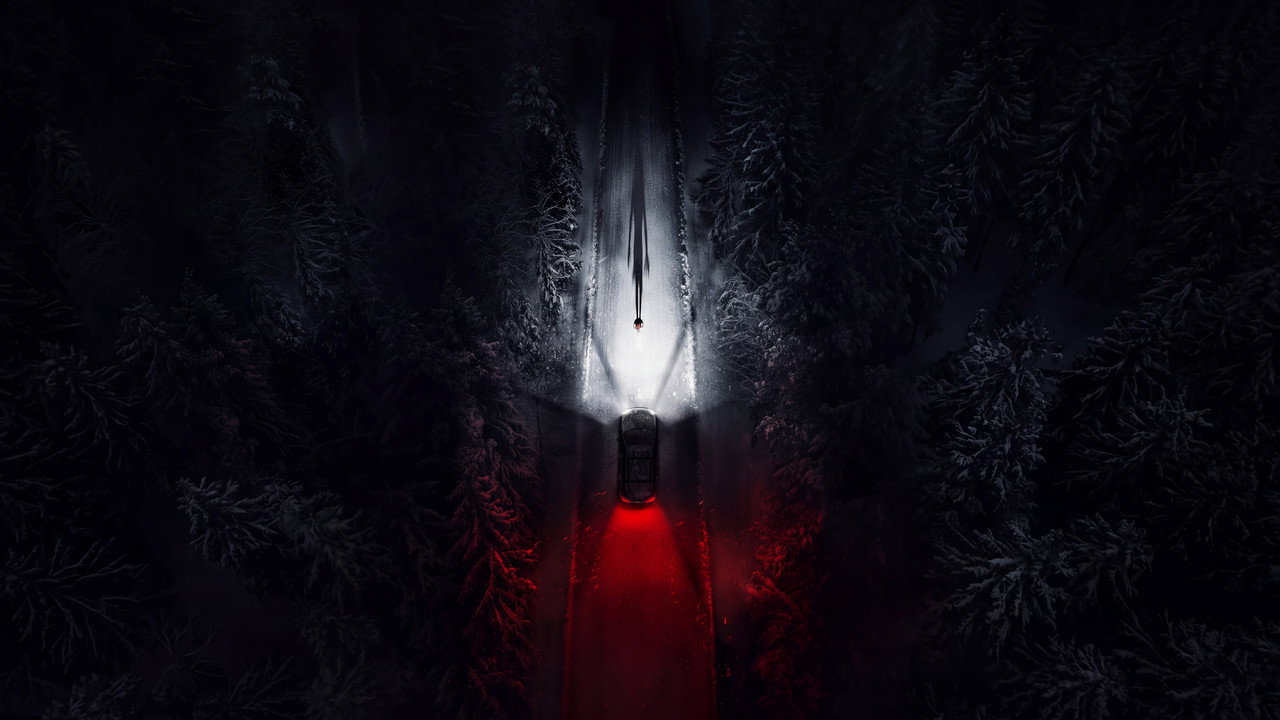
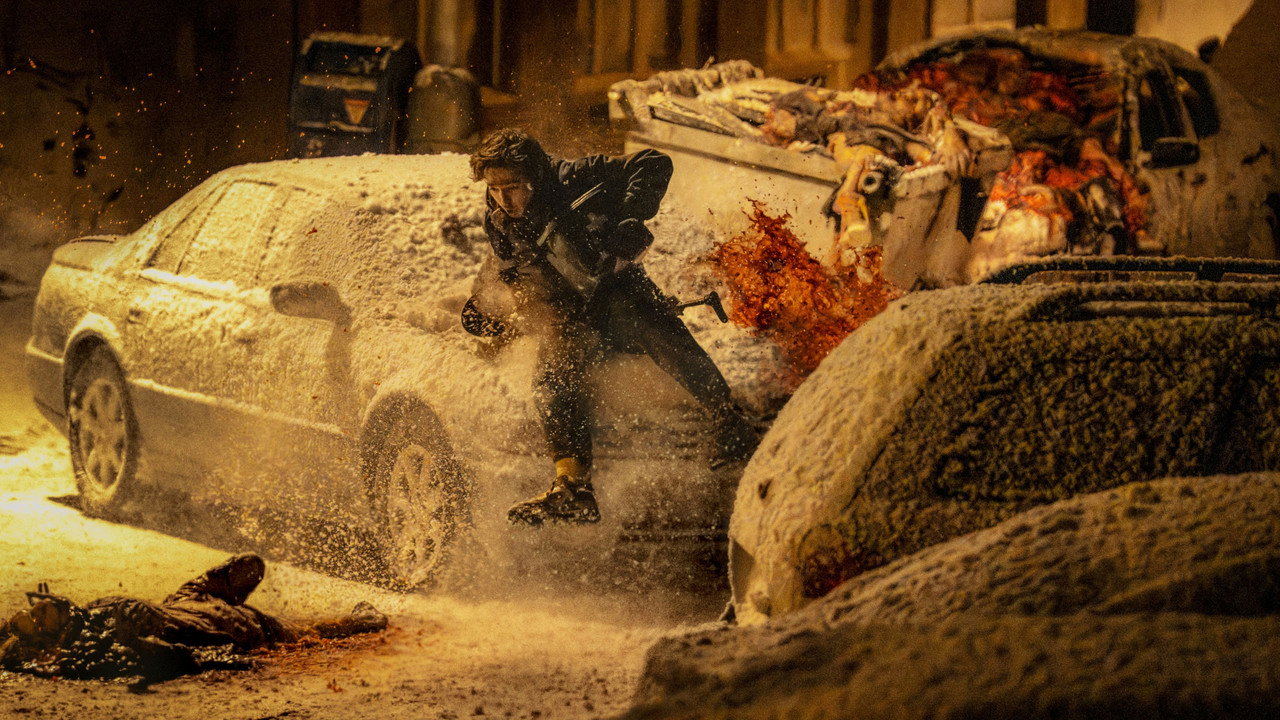
The Boston Globe singles out Wolski’s “gorgeous cinematography, particularly the snowy forest scenes,” and the film’s earlier, more contained sequences consistently draw praise for their lighting and blocking: long hallways, single-source lighting, the kind of patient camera work that trusts an empty room to be frightening on its own. Where the reviews diverge is once the film widens its scope. The Boston Globe’s own review notes visual effects that “deteriorate from organic details to unwieldy blobs of pixels” as the action shifts into Raccoon City proper, and CGMagazine makes a similar point about creature designs that don’t fully leverage the franchise’s existing iconography once things go big. It’s a familiar problem for horror at this budget level: the practical, tactile work, makeup, prosthetics, a well-dressed set, holds up, while the wide-shot CG spectacle is where the seams start to show.
Production still © Sony Pictures / Constantin Film, via TMDB.
6. How It Stacks Up Against the Games and the Older Films
What makes it stand out: This is the eighth Resident Evil film and the second full reboot, following the six-film Milla Jovovich series (2002–2016) and Johannes Roberts’s 2021 Welcome to Raccoon City. Key data: The story runs parallel to Resident Evil 2 (1998) rather than adapting it directly, and multiple reviews independently call it the first adaptation that “actually feels like the games.” Why it matters: Every previous live-action Resident Evil has been criticised by fans for prioritising generic action over the survival-horror DNA of the source material, and this is the first one built specifically to answer that long-standing complaint.
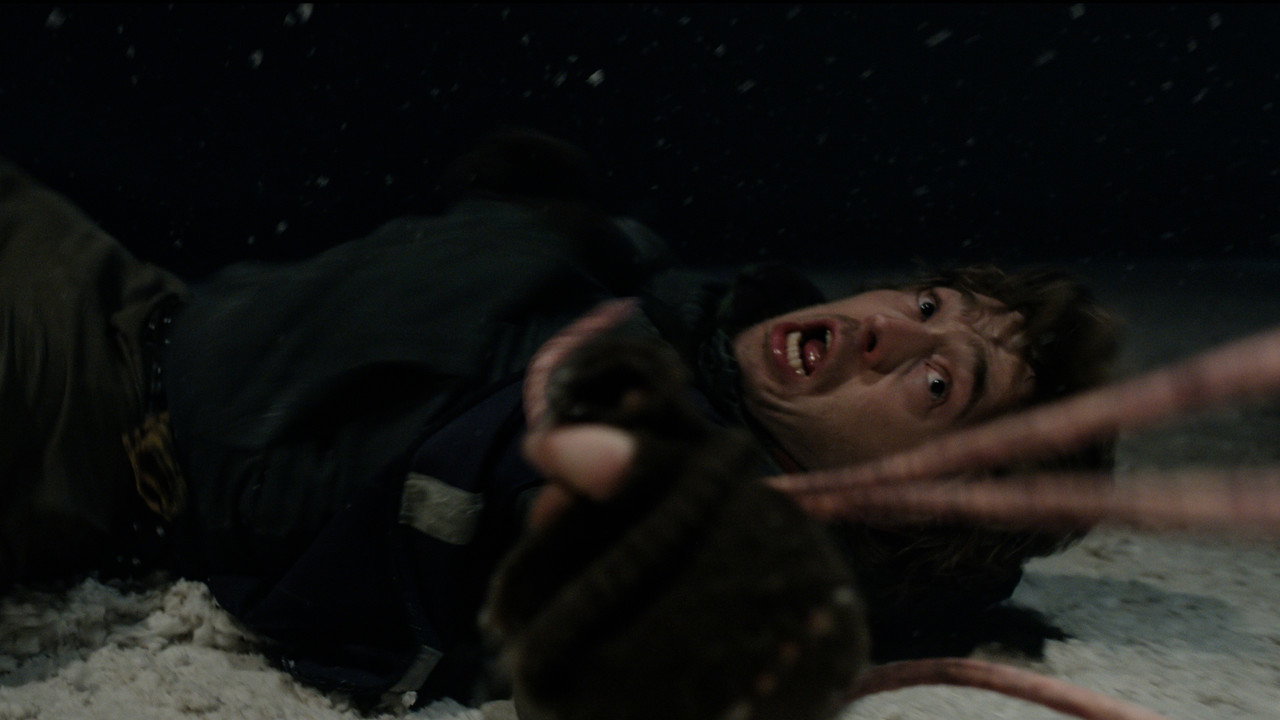
The Jam Report’s Doug Jamieson called it “a tense, blood-soaked, and relentlessly entertaining survival-horror ride that understands adaptation as translation” rather than literal transcription, and that distinction is the whole ballgame. The Anderson films used the games mostly as a setting for wire-fu action heroics; this one uses them as a rulebook for tension: resource scarcity, one dangerous enemy at a time, environmental navigation standing in for actual puzzle-solving. TheDirect’s review draws a comparison to Scott Pilgrim vs. the World for how it translates interactive structure into cinematic language, while several critics invoke John Carpenter’s The Thing for its practical, body-horror instincts. It doesn’t lean on Umbrella mythology, Wesker or any of the established game protagonists, which will disappoint hardcore lore-heads but plays far better to anyone whose only prior Resident Evil experience was rolling their eyes at the last one. It’s a sharper pivot than 2021’s Welcome to Raccoon City attempted, too; that film tried to honour the games’ plot beat for beat and ended up feeling like a checklist, while this one borrows the games’ feeling instead of their events and comes out ahead for it.
Production still © Sony Pictures / Constantin Film, via TMDB.
7. Where It Falls Apart: The Third Act
What makes it stand out: Nearly every review, positive or mixed, flags the same structural problem: a strong, contained first two acts followed by a rushed, expanded finale. Key data: RogerEbert.com, at 3.5 out of 5, cites “final scenes feel disconnected from the rest,” calling them “clunkier”; TheDirect separately notes “an abrupt ending that arrives too quickly.” Why it matters: This is the difference between the film’s current 96% Tomatometer and 92% audience score and something that could have been a genuine consensus classic.
RogerEbert.com frames it as a recurring pattern across all three Cregger films to date: he’s a filmmaker whose “strength lies in setup rather than conclusion.” Both Barbarian and Weapons drew similar criticism for third acts that couldn’t quite match their openings, and Resident Evil repeats the pattern almost exactly. Once the story moves from the claustrophobic hospital into wider Raccoon-City-adjacent geography, the Boston Globe notes “momentum hitches and idles,” and CBR flags “developed character issues and plot threads left completely hanging or otherwise unfinished.” None of this sinks the film. At 93 minutes, even a stumbling finish is over quickly, but it’s the reason nearly every review lands in the “very good, not great” range rather than an outright rave.
8. Who Should See It (and Who Should Skip It)
What makes it stand out: This is a hard-R, 15-certificate studio horror film with a genuine sense of humour, which is a narrower lane than it sounds. Key data: BBFC 15 for “strong bloody violence, gore, horror, language”; no post-credits sequel setup; Cregger has stated publicly he has no interest in making a follow-up. Why it matters: Knowing exactly who this is for will save the wrong audience ninety-three minutes, and save the right audience a genuinely great night at the cinema.
See it if: you liked Barbarian or Weapons and want to watch Cregger apply the same instincts to a bigger budget and existing IP; you grew up with the PlayStation-era games and have been waiting the better part of a quarter-century for an adaptation that respects the source material’s actual mechanics rather than just its zombies; or you simply want a fun, gory, occasionally very funny night out that doesn’t demand any homework. Skip it if: you’re squeamish about gore, the BBFC’s “strong bloody violence” descriptor is not decorative here, you were hoping for continuity with the Milla Jovovich films or a direct adaptation of a specific game’s plot, or you need your horror-comedy tonally consistent from beginning to end rather than front-loaded. It’s also, notably, not for kids or younger teens despite the “video game movie” framing; this is squarely an adult horror release. Parents hunting for family-friendly, PG-rated video-game-movie counter-programming should look elsewhere; this one earns its certificate.
9. Final Verdict: Filmoria’s Rating
What makes it stand out: Across the reviews we surveyed, scores cluster tightly in the “strong recommend with reservations” range: 3.5/5 from both RogerEbert.com and the Boston Globe, 8/10 from TheDirect, 8.5/10 from CGMagazine, against a 96% Tomatometer and 92% audience score. Key data: Filmoria’s verdict is 4 out of 5 stars. Why it matters: This is a rare studio horror reboot that critics and audiences agree on almost exactly, which is worth taking seriously as a signal rather than dismissing as hype.
Add it up and you get a film that’s better than a reboot of an infamously shaky franchise has any right to be, let down only by the thing that’s let down all three of its director’s films so far: an ending that can’t quite match its opening. Cregger took a series best known for wooden dialogue and increasingly incoherent action and turned it into the most purely entertaining studio horror release of the year not named Weapons, which, coincidentally, is also his. For roughly the first hour, this is essential viewing for horror fans. For the last stretch, it’s merely good. Filmoria’s verdict: 4 out of 5 stars.
Director Zach Cregger, via TMDB.
The Bottom Line
Twenty-four years and eight films into this franchise, Resident Evil finally has an adaptation that understands what made the games scary in the first place, and it took a horror director with zero prior investment in the IP to figure it out. It isn’t the third act fans wanted, but it’s the first two acts they’ve been asking for since 2002. Catch it in IMAX if you can; the sound design alone is worth the upgrade, and Austin Abrams’ scream deserves the biggest speakers your local cinema has. Whatever the box office does this weekend, this is the version of Resident Evil that finally justifies another go at the material, third act stumbles and all.
Frequently Asked Questions
Is the 2026 Resident Evil connected to the Milla Jovovich films?
No. This is a standalone reboot with an original story, set parallel to the events of the 1998 Resident Evil 2 game in an alternate contemporary timeline, and it shares no characters or continuity with the 2002–2016 Milla Jovovich series.
Who directed the new Resident Evil movie?
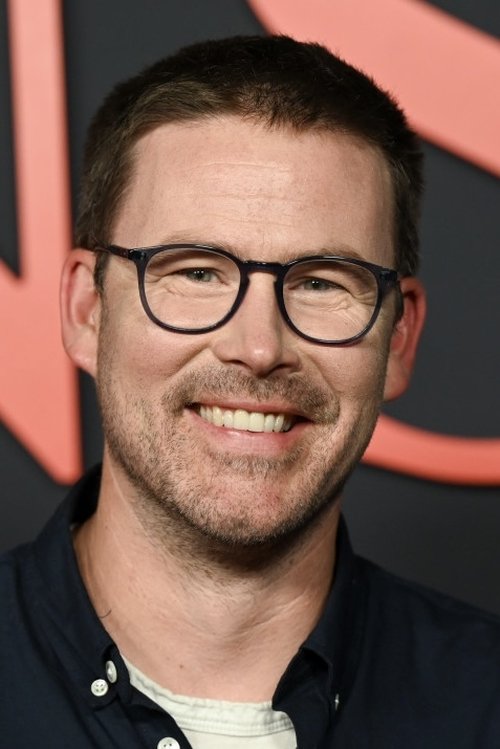
Zach Cregger directed it, his third feature after Barbarian (2022) and Weapons (2025), and his first time working with existing IP rather than an original concept.
Who plays the main character in Resident Evil (2026)?
Austin Abrams plays Bryan, a medical courier who gets trapped in a hospital during a viral outbreak; he is the film’s sole above-the-title lead.
How long is Resident Evil (2026)?
The film runs 93 minutes according to its official runtime, listed as 94 minutes on its BBFC classification.
What age rating did Resident Evil (2026) get in the UK?
The BBFC classified it 15, citing “strong bloody violence, gore, horror, language.”
What is the US rating for Resident Evil (2026)?
The MPA rated it R for strong bloody violence and gore, continuing the franchise’s history of adult-audience certificates.
When did Resident Evil (2026) come out in UK cinemas?
It opened in UK cinemas on 18 September 2026, the same day as its US release, including IMAX and ScreenX formats.
When was Resident Evil (2026) released in the US?
It opened in US cinemas on 18 September 2026, distributed by Sony Pictures Releasing.
What is Resident Evil (2026) actually about?
Without spoiling specifics, a medical courier making a routine hospital delivery becomes trapped inside an outbreak of a mutagenic virus and has to survive the infected creatures inside while the situation escalates around him.
Is the movie based on a specific Resident Evil game?
Not directly. It tells an original story that runs parallel to the events of Resident Evil 2 (1998) rather than adapting any single game’s plot scene for scene.
How much did Resident Evil (2026) cost to make?
The film was made on a reported budget of $80 million.
Where was Resident Evil (2026) filmed?
Principal photography took place in Prague, beginning in October 2025.
Who wrote the Resident Evil (2026) screenplay?
Zach Cregger co-wrote the script with Shay Hatten.
What is the Rotten Tomatoes score for Resident Evil (2026)?
At the time of writing, the film holds a 96% Tomatometer score from critics and a 92% audience score.
Is there a post-credits scene in Resident Evil (2026)?
The film does not set up a specific sequel in its ending, consistent with director Zach Cregger stating publicly he has no interest in making a follow-up.
Will there be a Resident Evil (2026) sequel?
Nothing is confirmed, and Cregger has said in press interviews he doesn’t want to make one, though studio franchise plans can always change if the film performs well.
Is Resident Evil (2026) more horror or more comedy?
It’s a horror-comedy blend in the vein of Sam Raimi and Shaun of the Dead, with genuine scares and practical gore alongside a strong streak of dry, character-based humour.
How does Resident Evil (2026) compare to Cregger’s Barbarian and Weapons?
Critics consistently describe it as more refined but less ambitious than either film, sharing the same strength in tense, confined setups and the same recurring weakness in a rushed third act.
Is Resident Evil (2026) worth seeing in IMAX?
Yes; the film was formatted natively for IMAX and ScreenX exhibition, and reviewers have specifically praised the sound design and cinematography, which benefit from a larger screen.
Where can I watch Resident Evil (2026) right now?
It is currently playing exclusively in cinemas in the UK and US as of 18 September 2026; no streaming or digital release date has been announced yet.
📸 Follow us on Instagram for daily film, TV & gaming news: @filmoriauk

Radek Sinclair
Writes on European and world cinema for Filmoria, with a particular interest in festival titles making their way onto UK screens and streaming services.