


Digger Review: 12 Things That Decide Tom Cruise and Iñárritu’s Divisive Satire
Movie Reviews 5th October 2026 Jon Dingle
Filmoria Review

Digger is Alejandro G. Iñárritu’s black comedy about oil tycoon Digger Rockwell (Tom Cruise), whose drilling in Greenland breaks loose an ice shelf that is drifting towards Europe. It opened in UK and Ireland cinemas, including IMAX, on Friday 2 October 2026 through Warner Bros. Pictures. Filmoria gives it 3 out of 5 stars: Cruise is fearless and the film looks extraordinary, but the satire is too pleased with itself to land the punches it keeps throwing.
TL;DR: Big, ugly, gorgeous, exhausting. Digger is the strangest thing Tom Cruise has made in decades and his most interesting acting since Magnolia, but Iñárritu’s climate farce lectures where it should sting. See it on the biggest screen you can find, or don’t bother.
Filmoria Verdict
★★★☆☆ 3/5
Filmoria’s verdict: A brave, beautiful, maddening satire that Tom Cruise carries further than its script deserves.
Quick Facts
- Director: Alejandro G. Iñárritu
- Writers: Alejandro G. Iñárritu, Sabina Berman, Alexander Dinelaris Jr. and Nicolás Giacobone
- Cast: Tom Cruise, Riz Ahmed, John Goodman, Sandra Hüller, Michael Stuhlbarg, Jesse Plemons, Emma D’Arcy, Sophie Wilde, Burn Gorman, Robert John Burke
- Cinematography: Emmanuel Lubezki (35mm VistaVision)
- Music: Cosmo Sheldrake
- Runtime: 2 hours 8 minutes
- Release date: 2 October 2026 (UK, Ireland and US)
- Studio: Warner Bros. Pictures and Legendary Pictures
- Rating: R in the US for pervasive language
- Filmoria rating: 3/5
In the UK
- UK release: in cinemas across the UK and Ireland from Friday 2 October 2026, including IMAX screens.
- UK distributor: Warner Bros. Pictures.
- BBFC rating: not yet confirmed for the UK in the sources we checked.
- Streaming: no UK streaming or digital date has been announced; not yet confirmed for the UK.
- Premiere: the world premiere was the Royal Film Performance in Leicester Square on 22 September 2026.
This is Filmoria’s review of Digger, broken into 12 numbered points that each judge one part of the film, from Tom Cruise’s performance to the final verdict.
The points run roughly in the order that matters most when deciding whether to buy a ticket: the lead performance and the story first, then the craft and the supporting cast, then how it compares with other films, and finally who should see it. Scores and facts come from Warner Bros.’ release details, Rotten Tomatoes, Metacritic and the trade press; the opinions are ours.
| # | Aspect | Rating | Verdict |
|---|---|---|---|
| 1 | Tom Cruise as Digger Rockwell | 4.5/5 | His bravest work in 25 years |
| 2 | Story and premise | 3/5 | A great hook that stalls in the middle |
| 3 | Iñárritu’s direction | 3/5 | Bold, but the tone keeps lurching |
| 4 | Lubezki’s VistaVision images | 5/5 | The best-looking studio film of the year |
| 5 | Supporting cast | 3.5/5 | Goodman shines; Hüller and Plemons are underused |
| 6 | The satire | 2/5 | Smug where it should be savage |
| 7 | Music and sound | 3.5/5 | Cosmo Sheldrake’s odd score helps |
| 8 | Against Dr. Strangelove and Don’t Look Up | 2.5/5 | Closer to McKay than Kubrick |
| 9 | Against Iñárritu’s own films | 3/5 | More Bardo than Birdman |
| 10 | The critical split and box office | Not scored | 53% on Rotten Tomatoes, 44 on Metacritic |
| 11 | Who it’s for | Not scored | Cinephiles and Cruise completists |
| 12 | Final verdict | 3/5 | Admirable, uneven, unmissable on IMAX |
1. Tom Cruise as Digger Rockwell (2026, Warner Bros.)
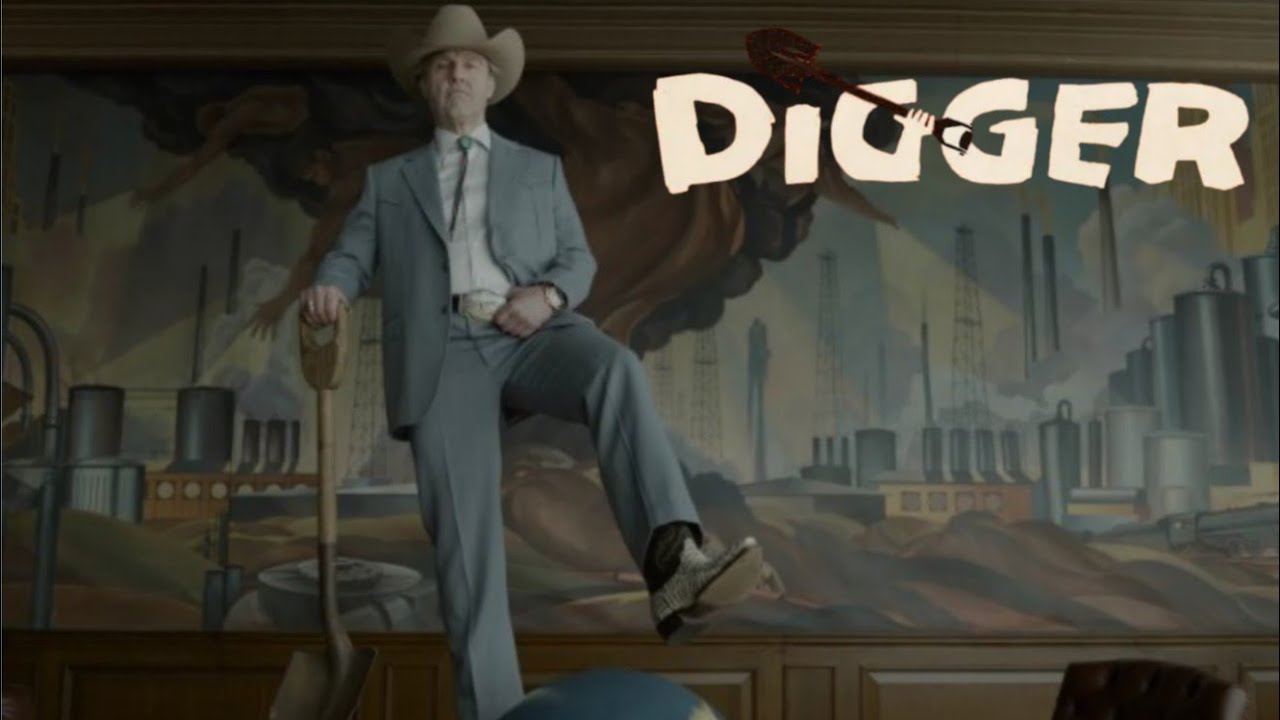
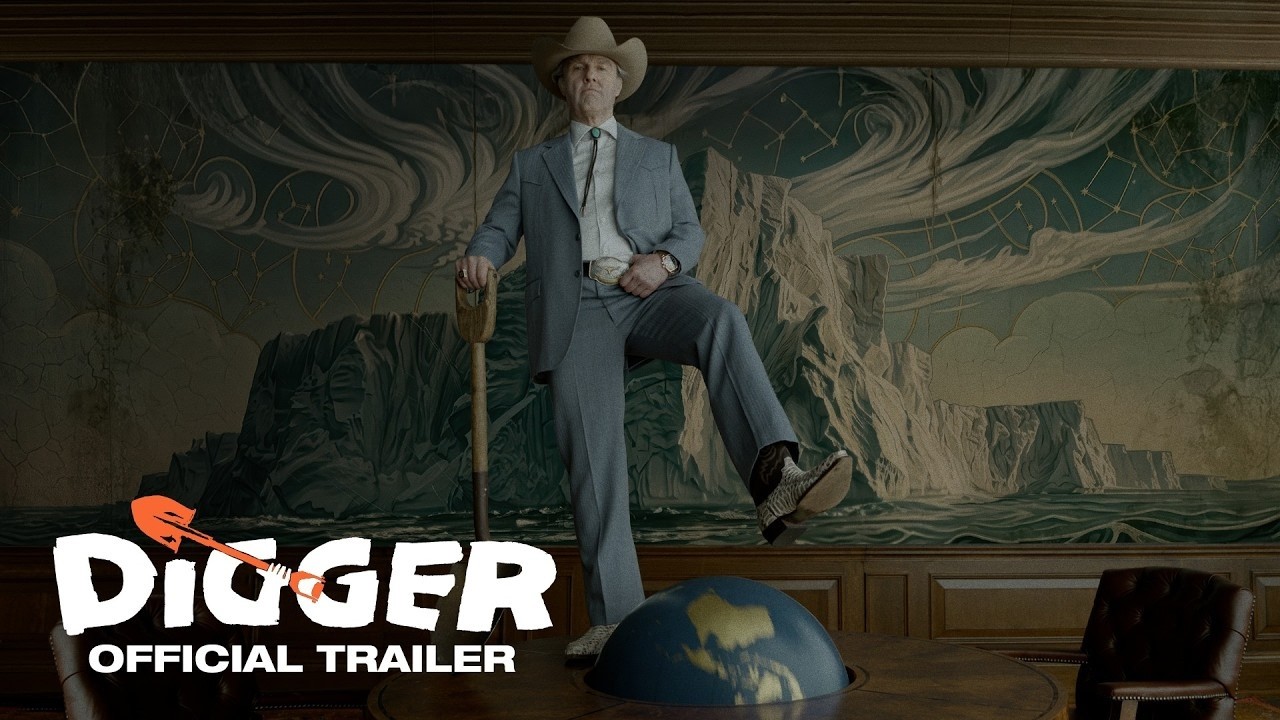
What makes it stand out: Cruise disappears under a paunch, a combover and a thick Southern accent to play the most powerful and least likeable man on Earth.
Key data: It’s his first comic lead for an Oscar-winning auteur, and IndieWire’s Jim Hemphill called it his best performance since Magnolia in 1999.
Why it matters: After a decade of running, jumping and hanging off aircraft, this is Cruise reminding everyone he can act, and it’s the best reason to see the film.
Let’s get the good news out of the way first, because there’s a lot of it. Cruise is terrific. Not “terrific for a movie star doing a character part”, either. He’s properly, ferociously good, in a role that asks him to be vain, wheedling, grotesque and occasionally almost tragic within the same scene.
Digger Rockwell is the kind of man who, as Iñárritu put it before release, “seduced reality into agreeing with him”. Cruise plays that literally. He bullies rooms into submission, sells his own catastrophe as a heroic opportunity and seems genuinely baffled when anyone fails to applaud. The prosthetics do some of the work, but it’s the voice and the body language that sell it: a man whose charm is a weapon he’s forgotten how to put down.
The obvious comparison is Frank T.J. Mackey in Magnolia, and Hemphill isn’t wrong to make it. There’s also a dash of Les Grossman from Tropic Thunder in the swagger. What’s new is the sadness underneath. In the film’s quieter moments Cruise lets you see a man who suspects he’s a fraud, and that’s more interesting than anything the script says about oil.
Not every critic bought it. Some found the performance cartoonish, and when the film around him goes shrill, Cruise goes shrill with it. But even at his loudest, he’s never boring. That’s more than can be said for the film.

2. The Story: A Glacier, a Tycoon and an $18 Trillion Bill
What makes it stand out: It’s a disaster movie in which the disaster is played as a business problem, and the man who caused it is the one hired to solve it.
Key data: Digger’s company drills in Greenland, releases a methane plume and knocks an ice shelf loose; the shelf drifts towards Europe threatening a tsunami, and the clean-up is priced at $18 trillion.
Why it matters: It’s a terrific satirical hook, and the first act shows how good the film could have been.
The set-up is the strongest thing on the page. Rockwell’s drilling goes wrong, a chunk of Greenland’s ice starts floating south, and suddenly a continent is on the clock. John Goodman’s ailing US president demands that Digger fix it. The crisis threatens to spiral into nuclear war. And Digger, being Digger, sees the end of the world as the deal of the century.
The official logline puts it neatly: the most powerful man in the world races to prove he is humanity’s saviour before the disaster he unleashed destroys everything. The joke is right there in that sentence. A man who sets the house on fire and then sells you the fire extinguisher at a markup is about as clear a picture of modern capitalism as you’ll find.
The trouble is the middle. Once the premise is in place, the film doesn’t so much develop as repeat. Digger makes a grand promise; it goes wrong; he makes a grander one. Several critics described the story as difficult to follow, and while we’d say it’s less confusing than shapeless, the effect is similar. At 2 hours 8 minutes, you feel every one of those cycles.
We won’t spoil the last act. It’s bigger and stranger than the trailers suggest, and it’s where Iñárritu’s ambition and the film’s problems collide hardest.
3. Alejandro G. Iñárritu’s Direction (Warner Bros. / Legendary)
What makes it stand out: It’s Iñárritu’s first English-language film since The Revenant in 2015, and his first out-and-out comedy.
Key data: Iñárritu won back-to-back Best Director Oscars for Birdman (2014) and The Revenant (2015); Digger reportedly cost $125 million, with some reports going as high as $180 million.
Why it matters: Studios rarely hand this much money to an auteur for an original comedy, so whether it works shapes what gets greenlit next.
Iñárritu doesn’t do anything by halves, and Digger is no exception. Hemphill wrote that the film takes so many bold aesthetic swings it makes Bardo look like an episode of The Golden Girls. That’s meant as praise, and it’s accurate. Scenes lurch from boardroom farce to apocalyptic spectacle to something close to a fever dream, sometimes inside a single shot.
When the swings connect, it’s thrilling. There’s an energy here that most studio films don’t come close to, and it’s genuinely exciting to see a filmmaker with this much money behave as if nobody’s watching.
But tone is where Digger wobbles. Iñárritu has never been a natural comedian. Birdman was funny because its jokes came from desperation, not because it was trying to be funny. Here, he’s trying very hard indeed, and the strain shows. Laughs land, then the film stops to tell you why they were important. Variety’s Clayton Davis predicted early that “the divide on this one is going to be wide”, and the direction is the reason: you either ride Iñárritu’s mood swings or they wear you out.
We were somewhere in between. Admiring, often dazzled, and checking the time more than once.
4. Emmanuel Lubezki’s 35mm VistaVision Cinematography
What makes it stand out: Lubezki and Iñárritu shot the film on 35mm VistaVision, a widescreen film format that runs the negative sideways through the camera for a larger, sharper image.
Key data: Lubezki has three consecutive Oscars for cinematography (Gravity, Birdman and The Revenant); Digger is playing in IMAX across the UK.
Why it matters: Whatever you think of the script, this is the most striking-looking studio film of 2026, and it’s the strongest argument for seeing it in a cinema.
Even critics who couldn’t stand Digger tended to concede the point: it’s beautiful. Variety’s Davis singled out the production design and cinematography as impressive, and our reaction was the same. Lubezki’s camera prowls through Digger’s palaces and boardrooms with the same restless curiosity it brought to the backstage corridors of Birdman, then opens up into icy landscapes that look almost too large for the frame.
VistaVision gives everything a rich, slightly old-fashioned density. Faces have texture. Skies feel heavy. The ice, when it finally becomes the main character, has real menace. There’s a strange tension in using one of cinema’s most luxurious formats to tell a story about obscene wealth, and we suspect Iñárritu knows it.
If you’re going, go IMAX or the best screen near you. On a laptop in six months’ time, a lot of what’s good about this film will be lost, and what’s left is the script.

5. The Supporting Cast: Goodman, Ahmed, Hüller, Stuhlbarg and Plemons
What makes it stand out: It’s one of the most decorated ensembles of the year, built around a star who rarely shares the spotlight.
Key data: John Goodman plays an ailing US president, Michael Stuhlbarg his vice president, Riz Ahmed plays Ganesh, Sandra Hüller is Digger’s half-sister and business partner, with Jesse Plemons, Emma D’Arcy, Sophie Wilde, Burn Gorman and Robert John Burke also in the cast.
Why it matters: A cast this good should give the satire more angles; instead, most of them orbit Cruise rather than push back against him.
Goodman is the standout. Davis called his work stellar alongside Cruise’s, and he’s right. Goodman plays a dying, authoritarian president with a weary, furious comic timing that makes every scene he shares with Cruise crackle. Those two going at it are the closest the film comes to the Dr. Strangelove it clearly wants to be.
Riz Ahmed’s Ganesh earned praise in several early reactions, and he gives the film a useful straight man, someone whose disbelief mirrors ours. Michael Stuhlbarg does what Michael Stuhlbarg always does, which is make a small part feel lived in.
The disappointment is Sandra Hüller. After Anatomy of a Fall and The Zone of Interest, casting her as Digger’s half-sister and partner should have given the film a cold, clever counterweight. She’s good in it. She just isn’t given enough to do. Jesse Plemons, who said beforehand it was “one of the strangest, funniest, most tragic scripts” he’d read, gets even less.
That’s partly a structural choice. This is a film about a man who sucks all the air out of every room, and the camera does the same. It makes sense on paper. On screen, you keep wishing someone could land a proper blow on him.

6. The Satire: Four Writers, One Very Big Message
What makes it stand out: It’s a climate-change farce aimed squarely at oil, billionaires and the politicians who indulge them.
Key data: The script is credited to Iñárritu, Sabina Berman, Alexander Dinelaris Jr. and Nicolás Giacobone; Dinelaris and Giacobone also co-wrote Birdman, which won the Oscar for Best Original Screenplay.
Why it matters: This is where the film is won or lost, and for us it’s mostly lost.
Here’s our problem with Digger. Satire works when it trusts you to get the joke. This film doesn’t. It makes its point, makes it again, then stops to make sure you’ve noticed. William Bibbiani at TheWrap said it plays like a bad SNL sketch with delusions of grandeur. That’s harsher than we’d go, but we understand exactly where it comes from.
Some reviewers went further, arguing that Iñárritu believes his film will always be smarter than its audience. That’s the risk with any message movie, and it’s especially fatal in comedy. You can’t be funny and superior at the same time for very long.
The frustrating thing is that the targets are deserving and some of the jokes are sharp. Digger spinning an ecological catastrophe into a branding opportunity is horribly believable. The White House scenes have bite. When the film lets its characters be ridiculous without commentary, it’s often very funny.
It just doesn’t do that often enough. By the third act the satire has turned into a sermon, and the ice shelf, which is supposed to be the joke’s punchline, becomes a lecture prop.
7. Music and Sound: Cosmo Sheldrake’s Unusual Score
What makes it stand out: Iñárritu hired Cosmo Sheldrake, a British musician known for playful, nature-sampling songs rather than blockbuster scores.
Key data: Sheldrake is credited as composer; the film also leans heavily on its sound design, as Iñárritu’s films usually do.
Why it matters: It’s one of the few choices that adds genuine strangeness rather than just volume.
After the jazz drums of Birdman, Iñárritu again picks a musical voice nobody would have predicted. Sheldrake’s music has a slightly childlike, off-kilter quality that works well against all the corporate grandeur, and it gives the comedy a lightness the script often lacks.
It isn’t a score you’ll hum on the way home, and there are stretches where the sound mix is so busy it becomes another layer of noise in an already noisy film. But it’s a choice with a point of view, and in a year of interchangeable orchestral wallpaper, we’ll take that.
It also fits the film’s best idea: that Digger’s world is a kind of nature documentary about one very dangerous animal.
8. How Digger Compares With Dr. Strangelove and Don’t Look Up
What makes it stand out: Almost everyone, including the film’s own cast, reaches for Kubrick’s 1964 Cold War satire as the comparison.
Key data: Jesse Plemons called it a modern-day Dr. Strangelove before release, and the Telegraph’s Robbie Collin made the same comparison in his review; Adam McKay’s climate satire Don’t Look Up was released on Netflix in December 2021.
Why it matters: It tells you what the film is aiming for, and how far short it falls.
The Strangelove comparison is fair on paper. Both films are about powerful men blundering towards the end of the world, both get their laughs from people treating apocalypse as procedure, and Goodman’s president would fit nicely in Kubrick’s war room.
But Strangelove is famously deadpan. It never tells you it’s being clever; it lets the absurdity speak. Digger is the opposite. It’s loud, explanatory and very keen that you clock its seriousness. That makes it much closer, in spirit if not in style, to Adam McKay’s Don’t Look Up, another all-star climate allegory that divided critics, delighted some viewers and exhausted others.
If anything, Digger is the more interesting failure. McKay’s film looked like television. Iñárritu’s looks like a cathedral. And it has Cruise, who gives the target a face in a way Mark Rylance’s tech billionaire never quite did. But if you found Don’t Look Up preachy, Digger won’t change your mind about the genre.
9. How It Compares With Iñárritu’s Own Films (Birdman, The Revenant, Bardo)
What makes it stand out: It’s the lowest-rated film of Iñárritu’s career on Rotten Tomatoes, coming from the director of two consecutive Best Director winners.
Key data: Birdman (2014) won Best Picture; The Revenant (2015) won Iñárritu a second straight directing Oscar; Bardo (2022) was his divisive Spanish-language follow-up.
Why it matters: It shows which version of Iñárritu turned up: the precise one or the indulgent one.
There are two Iñárritus. One made Amores Perros and Birdman, films where all the formal showing-off served a story with a beating heart. The other made Bardo, a gorgeous, enormous, self-regarding film that many critics found hard to love.
Digger belongs mostly to the second camp, with flashes of the first. The Birdman DNA is everywhere, in the long prowling shots and in the idea of a vain man fighting for his legacy. The difference is that Riggan Thomson’s ego was the subject of Birdman, and the film saw through him. Here, at times, it’s hard to tell whether the film is mocking Digger’s grandiosity or sharing it.
That’s the sharpest version of the criticism, and it’s the one we agree with. A satire about arrogance shouldn’t feel arrogant. Digger too often does.
It’s still more alive than The Revenant ever let itself be, and for all its faults, we’d rather watch Iñárritu fail like this than play safe.
10. The Critical Split and the Box Office (53% on Rotten Tomatoes, $8 Million Opening)
What makes it stand out: Few films this year have been called both a masterpiece and a catastrophe in the same week.
Key data: 53% on Rotten Tomatoes from 103 reviews with a 6.1/10 average (it has since dipped to around 51%), a Metacritic score of 44, a C+ CinemaScore and an $8 million North American opening, about $20 million worldwide.
Why it matters: It’s Cruise’s worst-reviewed film since The Mummy in 2017 and his lowest opening since 2007, so the industry is reading it as a referendum on star power.
The reviews are genuinely split down the middle. Time Out gave it four stars, calling it the film where Cruise stops running and starts acting. Next Best Picture’s Matt Neglia called it Cruise’s most dynamic and interesting role in years. At the other end, the Daily Beast’s Nick Schager called it a catastrophe and Awards Radar’s Joey Magidson said not a whole lot works.
Warner Bros. leaned into the row with a “decide for yourself” advert that put raves and pans side by side, ending with Digger himself swearing at the doubters. Guillermo del Toro publicly defended the film against what he called petty haters. It’s a fun campaign, and a sign of how worried everyone was.
The money tells its own story. We broke down the opening in Digger Bombs as Verity Wins: 11 Box Office Takeaways, and the short version is that a film costing at least $125 million opened to $8 million in America. That doesn’t make it a bad film. Plenty of great films flopped. But it does mean Digger may not stay on big screens long, which matters for a film that really needs one.
11. Who Digger Is For (and Who Should Skip It)
What makes it stand out: This is not the Tom Cruise film the multiplex audience usually turns up for, and the C+ CinemaScore suggests many opening-night viewers worked that out the hard way.
Key data: No stunts, no franchise, rated R in the US for pervasive language, 2 hours 8 minutes long, and in UK cinemas and IMAX now.
Why it matters: Going in with the right expectations is the difference between a fascinating evening and a long one.
Watch it if… you love Iñárritu’s big formal swings, you’ve been waiting years for Cruise to take another Magnolia-style risk, you want to see the most striking photography of the year in IMAX, or you enjoyed Don’t Look Up and wanted it angrier and stranger.
Skip it if… you’re expecting a Mission: Impossible-style thrill ride, you found Bardo or Don’t Look Up preachy, you have little patience for films that explain their own jokes, or you’d rather wait to stream it. It loses a lot on a small screen.
One more group: Cruise completists. Whatever you make of the film, this performance is going to be talked about for years, and possibly come awards season too. It’s worth seeing for that alone, even if you end up agreeing with the critics who couldn’t stand the rest.
12. Final Verdict: 3 Out of 5 Stars
What makes it stand out: It’s the boldest studio gamble of 2026, and its best qualities and worst faults come from the same place.
Key data: Filmoria rating 3/5, in line with a 53% Rotten Tomatoes score and a Metacritic score of 44; in UK cinemas and IMAX from 2 October 2026.
Why it matters: A film this divisive needs a clear call, and ours is: see it, but see it big, and don’t expect it to be as clever as it thinks it is.
We keep coming back to Cruise. For two decades he’s been the guardian of the big-screen spectacle, and here he puts that reputation on the line for something truly weird. It doesn’t fully work. But it’s a performance of real nerve, in a film of real beauty, and that counts for something.
What holds Digger back is the script and the attitude behind it. Iñárritu has made a satire of a man who can’t stop talking about how important he is, and then made a film that can’t stop doing the same. If he’d trusted his images and his star a little more, and his message a little less, this could have been the modern Strangelove it wants to be.
Instead it’s a fascinating, flawed curio that people will argue about for years. That’s not nothing. Three stars, with a strong nudge towards IMAX.
The Bottom Line on Digger
Digger is a film worth seeing and worth arguing about rather than one worth loving. Tom Cruise gives a ferocious, career-redefining comic performance, Emmanuel Lubezki’s VistaVision images are stunning, and John Goodman steals every scene he’s in. Against that, the satire is heavy-handed, the middle sags and some of the best supporting players are wasted. Filmoria gives it 3 out of 5 stars. If you’re curious, catch it on the biggest screen near you while it’s still there, because its box office suggests it won’t be around for long.
Sources: Variety (first reactions), TheWrap review, Time Out review, The A.V. Club (Warner Bros. campaign), The Playlist (Jesse Plemons), Warner Bros. UK and Ireland official final trailer.
Frequently Asked Questions
Is Digger worth seeing in the cinema?
Yes, if you want to see Tom Cruise’s boldest performance in years and Emmanuel Lubezki’s VistaVision photography on a big screen. Filmoria gives it 3 out of 5 stars because the satire is heavy-handed, and it loses a lot on a small screen.
What is Digger about?
Digger follows oil tycoon Digger Rockwell, whose company’s drilling in Greenland releases a methane plume and knocks an ice shelf loose that drifts towards Europe. An ailing US president orders him to fix the disaster, which is priced at 18 trillion dollars.
What is Digger’s Rotten Tomatoes score?
Digger opened at 53 percent on Rotten Tomatoes from 103 reviews with a 6.1 out of 10 average, and has since slipped to around 51 percent. Its Metacritic score is 44 out of 100.
How much did Digger cost to make?
Variety reported a production budget of 125 million dollars, while other reports put it between 130 million and 180 million dollars, before marketing costs.
How much did Digger make on its opening weekend?
Digger opened to 8 million dollars in North America on 2 to 4 October 2026 and about 20 million dollars worldwide, Tom Cruise’s lowest opening since Lions for Lambs in 2007.
Is Digger based on a book or a true story?
No. Digger is an original screenplay by Alejandro G. Iñárritu, Sabina Berman, Alexander Dinelaris Jr. and Nicolás Giacobone, though critics and cast have compared it to Stanley Kubrick’s Dr. Strangelove.
Where was Digger’s world premiere?
Digger had its world premiere as the Royal Film Performance in Leicester Square, London, on 22 September 2026, in aid of the Film and TV Charity.
What was Digger filmed on?
Digger was shot on 35mm VistaVision film by Emmanuel Lubezki, the cinematographer who won three Oscars in a row for Gravity, Birdman and The Revenant.
When will Digger be on streaming in the UK?
No UK streaming or digital release date has been announced yet. For now Digger is only showing in UK and Ireland cinemas, including IMAX, from 2 October 2026.
Is Digger suitable for children?
Digger is rated R in the US for pervasive language, and its UK BBFC certificate was not confirmed in the sources we checked, so it is best treated as an adult film.
📸 Follow us on Instagram for daily film, TV & gaming news: @filmoriauk

Jon Dingle Editor
A film journalist, writer and a filmmaker in business for over 20 years. I am passionate about movies, television series, music and online games. When I'm not reviewing the latest releases, you'll usually find me deep in a retro gaming session or catching up on the newest prestige drama. I believe great storytelling deserves an honest take, whatever the screen it's on.