
Godzilla Minus Zero Review: 12 Things That Decide Takashi Yamazaki’s Bigger, Louder Sequel
Movie Reviews 9th November 2026 Radek Sinclair
Filmoria Review
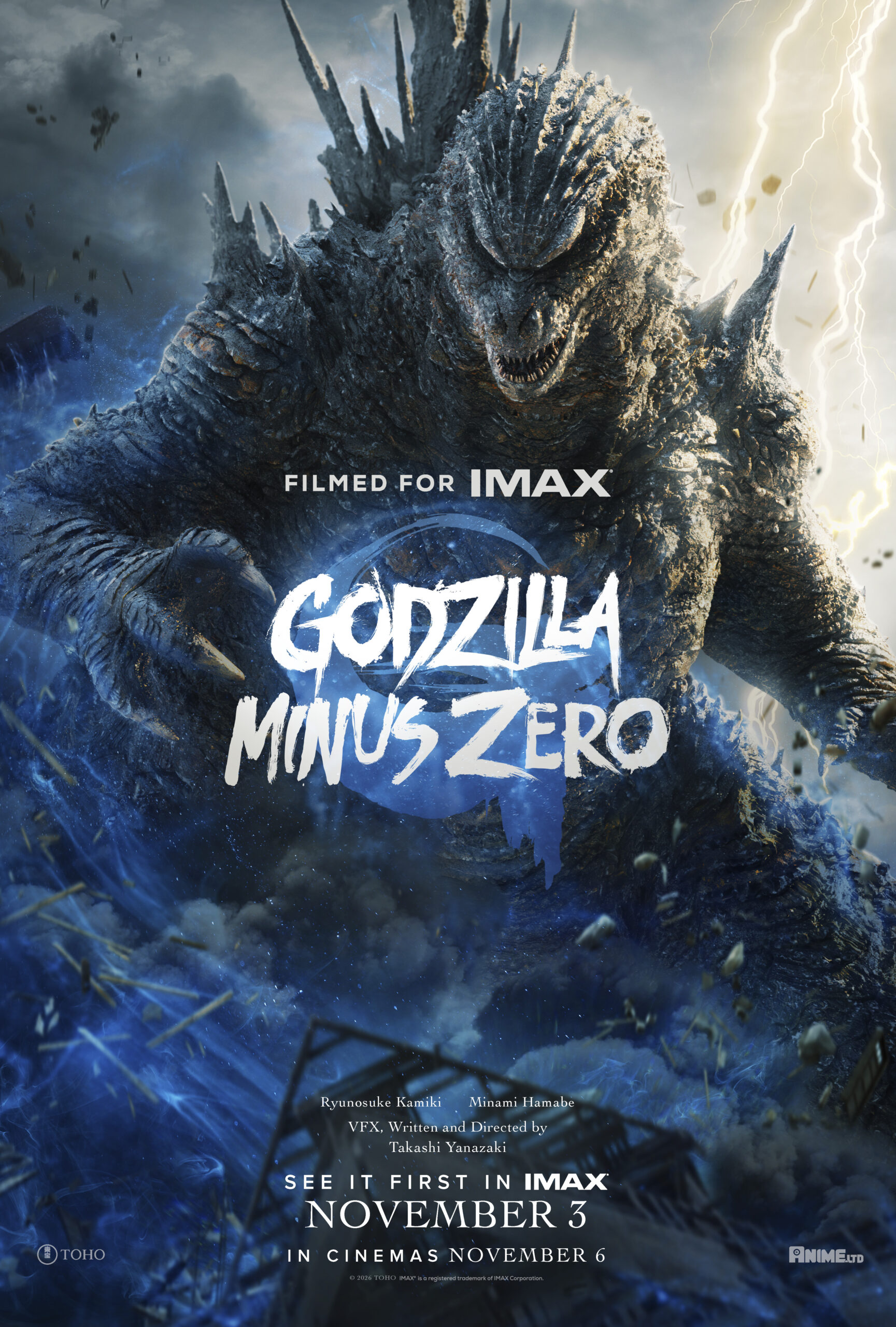
Godzilla Minus Zero, Takashi Yamazaki’s sequel to the Oscar-winning Godzilla Minus One, opened in UK and Irish cinemas and IMAX on Friday 6 November 2026, released by Anime Limited in Japanese with English subtitles and rated 15 by the BBFC. It’s a bigger, louder and sillier film than its predecessor, with some of the best monster action ever put on a cinema screen and a human story that sags badly in the middle. Filmoria gives it 4 out of 5 stars.
Filmoria’s verdict: A great Godzilla sequel that can’t quite match Minus One, but its final hour is the most thrilling kaiju spectacle you’ll see on a big screen this year.
Filmoria Verdict
★★★★☆ 4/5
Godzilla Minus Zero: jaw-dropping IMAX spectacle, a strong family story, and a saggy middle hour. See it on the biggest screen you can find.
Quick Facts
- Director: Takashi Yamazaki (also visual effects supervisor)
- Writer: Takashi Yamazaki
- Cast: Ryunosuke Kamiki, Minami Hamabe, Sae Nagatani, Hidetaka Yoshioka, Masami Nagasawa, Min Tanaka, Kuranosuke Sasaki, Yuki Yamada
- Music: Naoki Sato
- Runtime: 135 minutes
- Release date: 3 November 2026 (Japan), 6 November 2026 (UK, Ireland and North America)
- Rating: 15 (BBFC)
- Filmoria rating: 4/5
In the UK
- UK release: in UK and Irish cinemas, including IMAX, from Friday 6 November 2026.
- Distributor: Anime Limited (All The Anime), the Glasgow-based label owned by Toho.
- BBFC rating: 15. Godzilla Minus One was a 12A, so this one is noticeably harder.
- Language: Japanese with English subtitles.
- Streaming and home release: not yet confirmed for the UK.
This is a 12-point review of Godzilla Minus Zero, breaking Filmoria’s verdict down into the story, the monsters, the performances, the filmmaking, the comparisons and who the film is for.
The points run roughly in the order you’ll meet them in the cinema, from the opening attack through to the climax, and then move on to comparisons, audience and our final score. Each one is rated on its own, and the table below sums them up.
| # | Aspect | Rating | Verdict |
|---|---|---|---|
| 1 | The opening attack | 5/5 | One of the best openings in the series |
| 2 | Story and setup | 3/5 | Ambitious, but leans on contrivance |
| 3 | Ghidorah | 4/5 | A strange, fresh take on a classic villain |
| 4 | Godzilla’s arrival | 4/5 | Worth the wait, but it’s a long wait |
| 5 | Kamiki and Hamabe | 4/5 | The family story is the film’s heart |
| 6 | Yoshioka and the ensemble | 3.5/5 | Noda shines, the new faces get less |
| 7 | Visual effects and IMAX | 5/5 | A huge leap on Minus One |
| 8 | Score and sound | 4.5/5 | Naoki Sato goes big and it works |
| 9 | Pacing and runtime | 2.5/5 | The middle hour drags |
| 10 | Compared with Minus One | 3.5/5 | Bigger, louder, less focused |
| 11 | Who it’s for | Not rated | Big-screen fans, yes; drama-first fans, maybe |
| 12 | Final verdict | 4/5 | See it in IMAX |
1. The Opening Attack (1949, Matsumoto)
What makes it stand out: The film starts with a monster rampage through a Japanese city before you’ve had time to find your seat.
Key data: Set in 1949, two years after Minus One, the opening attack takes place in Matsumoto, Yamazaki’s home town.
Why it matters: It tells you straight away that this sequel isn’t going to spend its first act rebuilding the world you already know.
Minus One opened quietly, with a frightened pilot landing on a small island. Minus Zero kicks the door in. People are running through the streets of Matsumoto, there’s fire and wreckage everywhere, and the camera hangs back far enough that you can actually see the scale of what’s happening. Slashfilm’s Jeremy Mathai said the film “turns on the afterburners” from the start, and that’s exactly right.
The choice of Matsumoto isn’t random. Jessica Kiang’s Sight and Sound review points out that Yamazaki grew up there and was reportedly disappointed that the city only got a brief look-in in Ghidorah, the Three-Headed Monster back in 1964. Here he gives it a full-blown disaster sequence, and you can feel the personal stake in how carefully it’s staged.
It’s also a smart way of handling expectations. Anyone who saw Minus One knows Godzilla is coming. By opening with a different threat entirely, Yamazaki keeps you guessing about how the two monsters will fit together, and he gets a big set piece on the board before the slower stuff begins. We’d put this opening up there with anything in the Toho catalogue. The problem, as you’ll see, is what comes after it.
2. The Story and Setup (Toho, Spoiler-Light)
What makes it stand out: It’s a direct continuation of the Shikishima family’s story, not a reset.
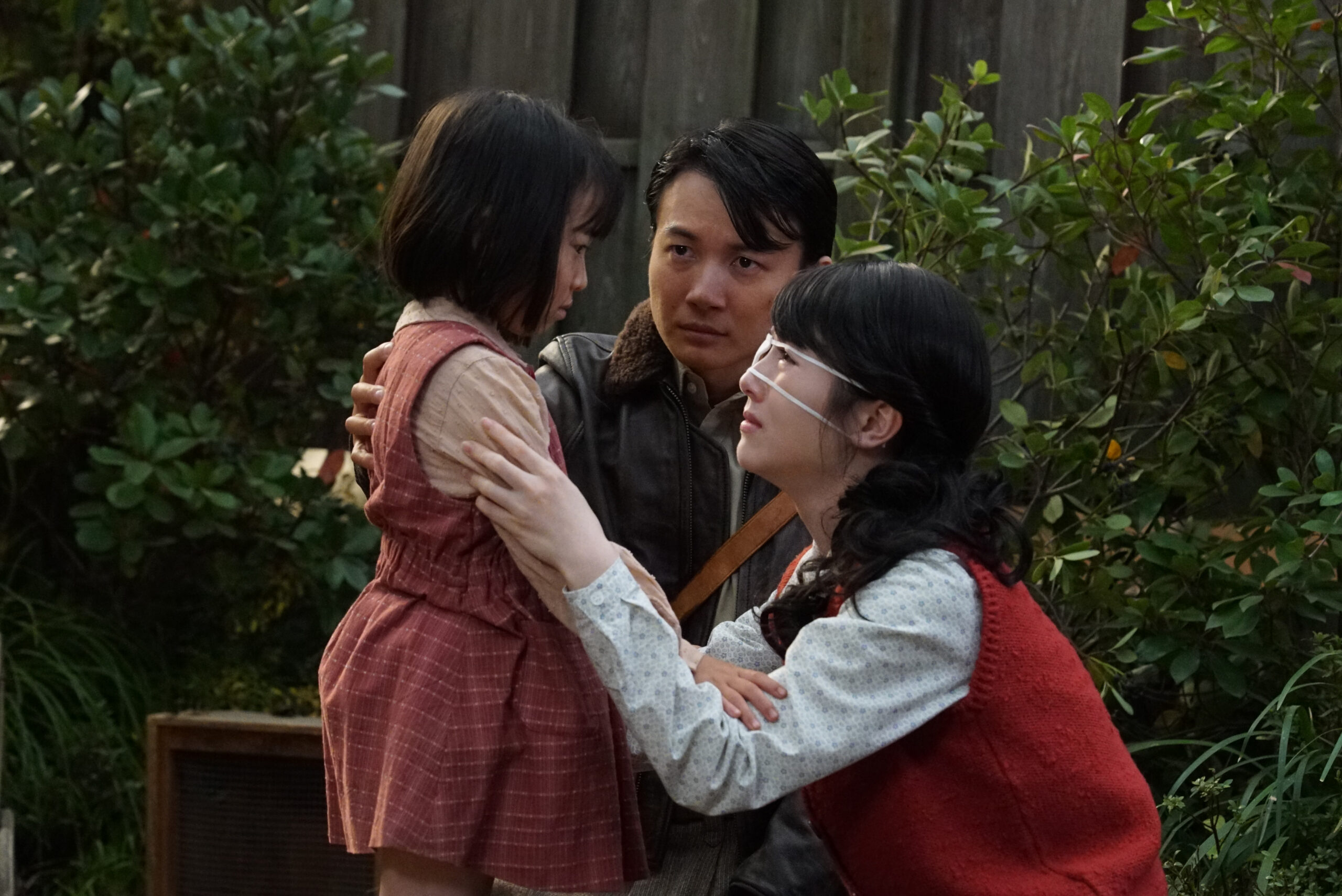
Key data: Koichi (Ryunosuke Kamiki), Noriko (Minami Hamabe) and their adopted daughter Akiko (Sae Nagatani) return, alongside Hidetaka Yoshioka’s Kenji Noda, now running a disaster response team.
Why it matters: Few blockbuster sequels keep the same characters and actually follow through on what happened to them, and this one does.
Without giving too much away, here’s the setup. Koichi has a family now, and he’s being pulled back into the fight against his better judgement. Noda’s group is planning a defence against a monster that conventional weapons can’t stop, and it hinges on reading the weather. That brings in Masami Nagasawa’s forecaster Makoto Aoyama, a woman haunted by a storm she predicted that nobody listened to.
The core idea is a good one. Minus One was about a man who’d survived the war and felt he shouldn’t have. Minus Zero is about what happens when that man finally has something to live for and gets asked to risk it anyway. Kiang put it nicely, describing the couple’s shift from being willing to die for something to needing to stay alive for it.
Where it struggles is in the plumbing. William Bibbiani at TheWrap said the story relies heavily on contrivances and gets more absurd as it goes, and we agree. There’s also an American military subplot that Phil de Semlyen at Time Out rightly called half-hearted. It has a sharp, period-accurate edge to it, but it never pays off in a way that justifies the screen time. The story works best when it stays in the Shikishima house. It wobbles when it goes looking for more.
3. Ghidorah (2026, Toho)
What makes it stand out: Yamazaki rebuilds Toho’s most famous villain from scratch rather than copying the classic design.
Key data: Ghidorah first appeared in 1964’s Ghidorah, the Three-Headed Monster; this version is a cosmic, lightning-breathing threat that critics have compared to a natural disaster.
Why it matters: Pairing Godzilla with a second monster is the classic sequel trap, and how Ghidorah is handled decides whether the film falls into it.
We won’t spoil the details, but this isn’t the gold, three-headed dragon you might have on a T-shirt, at least not to begin with. Time Out describes it as starting out as something gelatinous and alien before it turns into a flying, dragon-like monster, and Dread Central’s Rory Doherty calls it a lightning-breathing cosmic beast. The film treats it less like a wrestler and more like a typhoon, which is a clever fit with the weather-based plan at the centre of the story.
Bibbiani makes the fair point that bringing in a second monster is exactly what sequels have always done, and that it takes some of the focus off what made Minus One special. That’s true. But the alternative was Godzilla stomping through Tokyo again, and Yamazaki’s version of Ghidorah is genuinely unsettling in a way the Showa-era original never really was. When the two finally meet, it’s huge.
Our only real gripe is that Ghidorah never quite feels like a character. Godzilla in these films carries the weight of the bomb and the war. Ghidorah is just a disaster. That’s the point, maybe, but it means the second monster is more impressive than meaningful.
4. Godzilla’s Arrival (2026, IMAX)
What makes it stand out: The big guy doesn’t turn up properly until about halfway through.
Key data: Time Out’s Phil de Semlyen notes that Godzilla “doesn’t even appear until halfway through” a 135-minute film.
Why it matters: If you’ve bought an IMAX ticket for Godzilla, an hour is a long time to wait.
This will split audiences more than anything else in the film. Yamazaki holds Godzilla back deliberately, building the threat through warnings, rumours and other people’s fear. In Minus One that approach worked because the human story was taut. Here, with more characters and more subplots, the waiting starts to feel like padding.
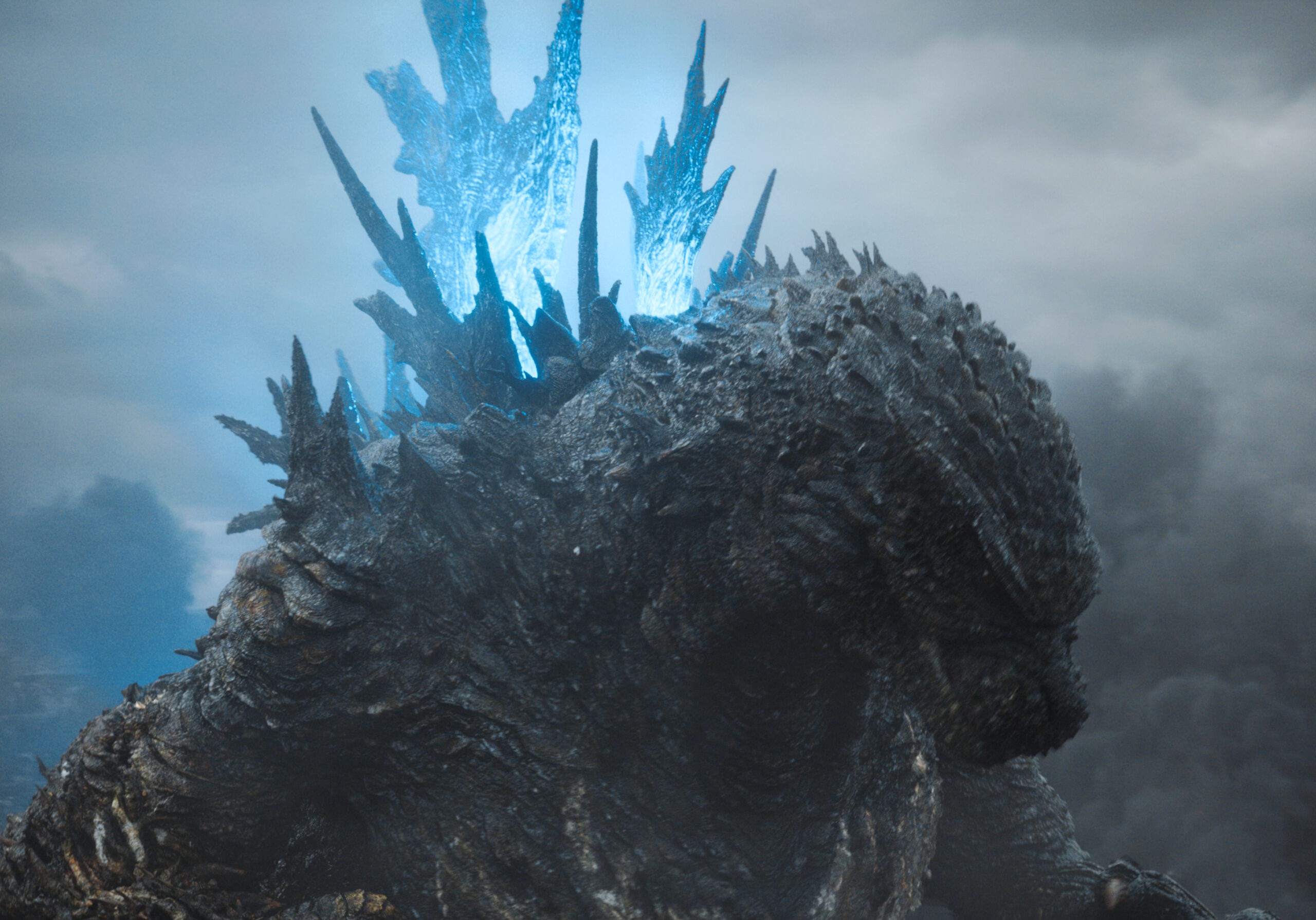
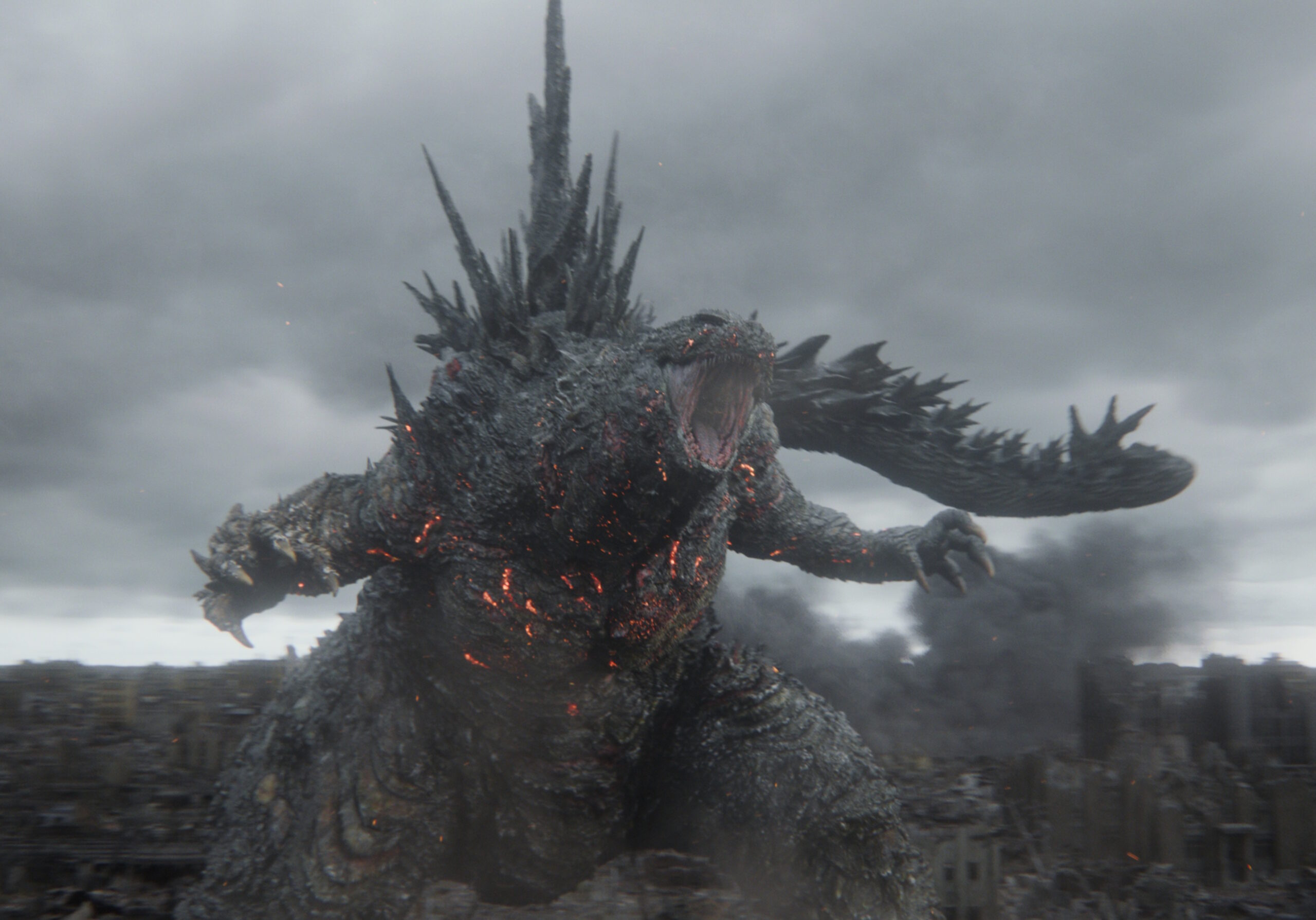
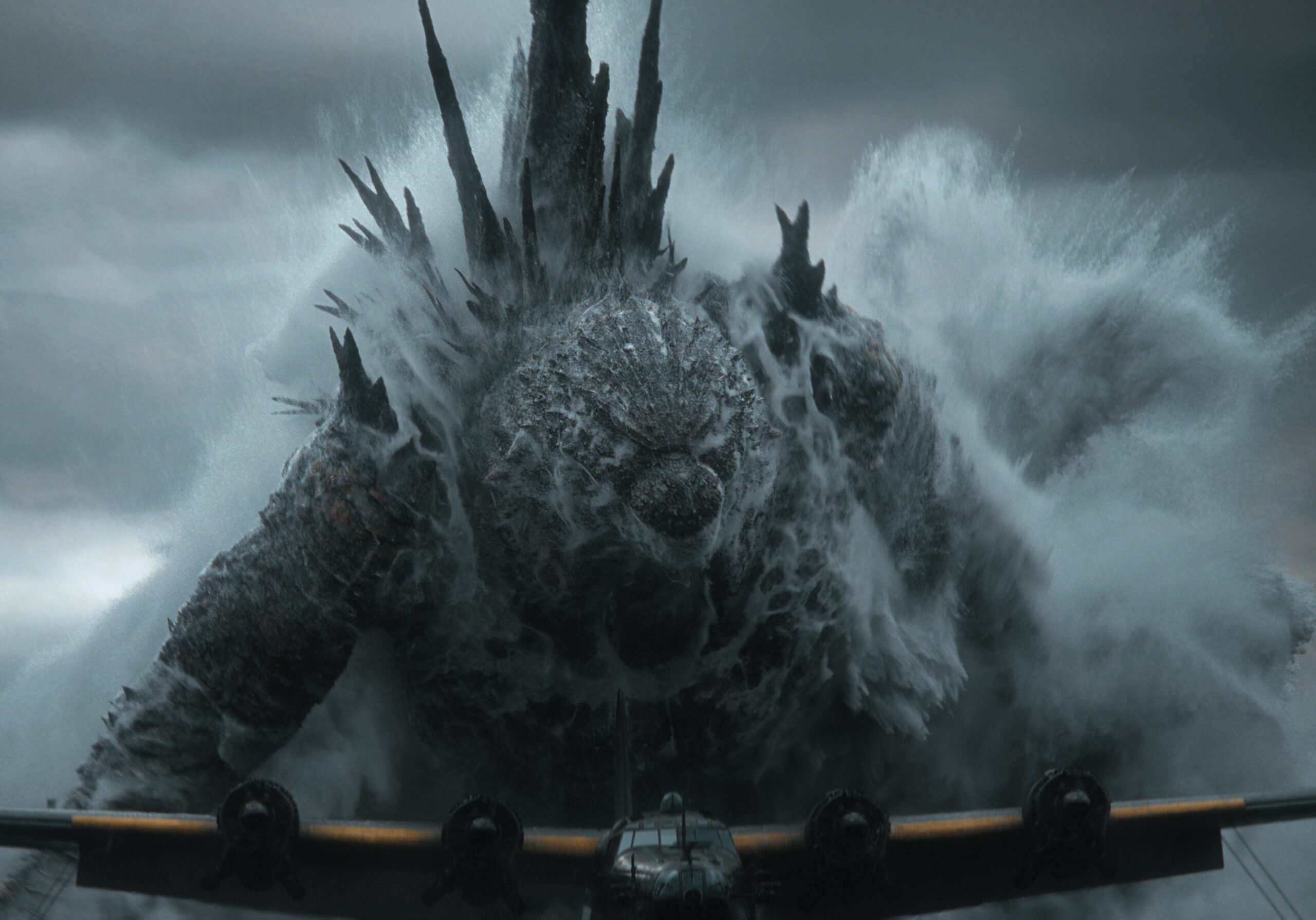
When Godzilla does show up, though, Yamazaki makes it count. The design is the same battered, scar-covered beast from Minus One, but the effects work around it is a big step up, and his atomic breath has never looked more terrifying. The dorsal fins light up one by one, there’s a horrible pause, and then everything in front of him disappears. You’ll know the moment when it comes.
So is it worth the wait? Mostly, yes. de Semlyen said the final showdown is “well worth the wait. If only it had been a bit shorter,” and we’d sign up to both halves of that sentence.
5. Ryunosuke Kamiki and Minami Hamabe (2026, Toho)
What makes it stand out: The married couple at the centre of the film give it most of its emotional weight.
Key data: Kamiki returns as former kamikaze pilot Koichi Shikishima and Hamabe as Noriko, with Sae Nagatani back as their adopted daughter Akiko.
Why it matters: Minus One’s ending only worked because we believed in this family, and the sequel needs us to care about them all over again.
Kamiki has a harder job this time. Koichi is more of an advisor than a man of action for much of the film, and Mathai at Slashfilm notes that the role is more passive than before. Kamiki still finds the guilt and tension in him, especially in scenes where he’s torn between Noriko and the call to fight. He’s very good at playing a man who’s terrified and trying not to show it.
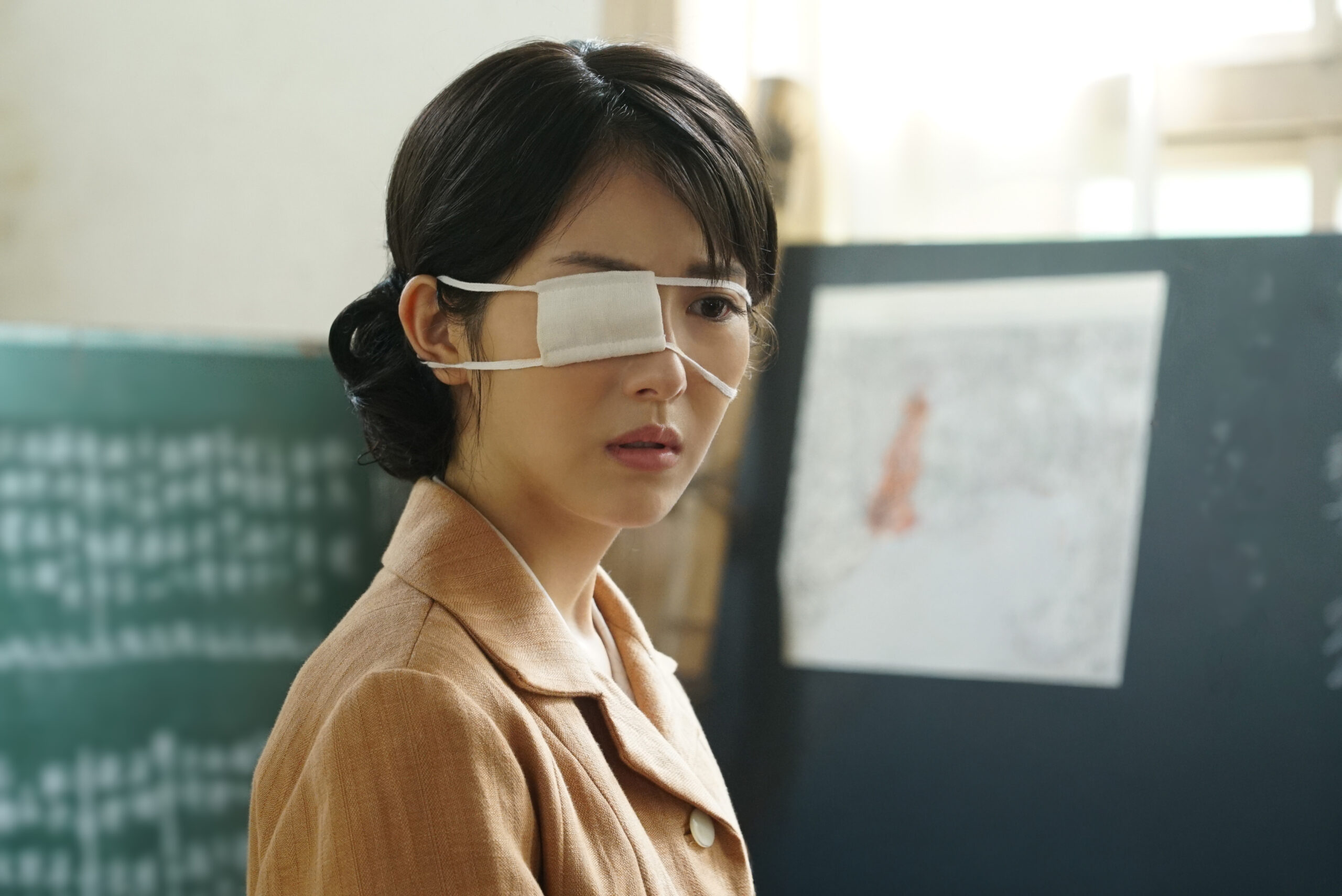
Hamabe gets the more interesting material. Noriko’s recovery from what happened to her in the first film is a key part of the plot, and Hamabe plays it with real warmth and a quiet steel that comes through in the final act. Sae Nagatani, meanwhile, is a delight. Dread Central called Akiko “somehow even more adorable,” and it’s hard to argue.
The family scenes are where the film is most moving. Kiang calls their story the film’s most affecting development, and we’d agree. Our issue is that the script repeats itself. Doherty at Dread Central said “the emotional logic soon becomes circular and obvious,” and there are moments, particularly in the second act, where the couple seem to have the same conversation two or three times. The actors are better than some of what they’re asked to say.
6. Hidetaka Yoshioka and the Ensemble (2026, Toho)
What makes it stand out: Noda becomes the film’s de facto lead, and Yoshioka is the best thing in the human story.
Key data: Yoshioka returns as Kenji Noda, now heading a Special Disaster Response Bureau, while Masami Nagasawa (Makoto Aoyama) and Min Tanaka (Kanji Murakami) join the cast.
Why it matters: A broader ensemble is how Minus Zero tries to be bigger than Minus One, and it only partly succeeds.
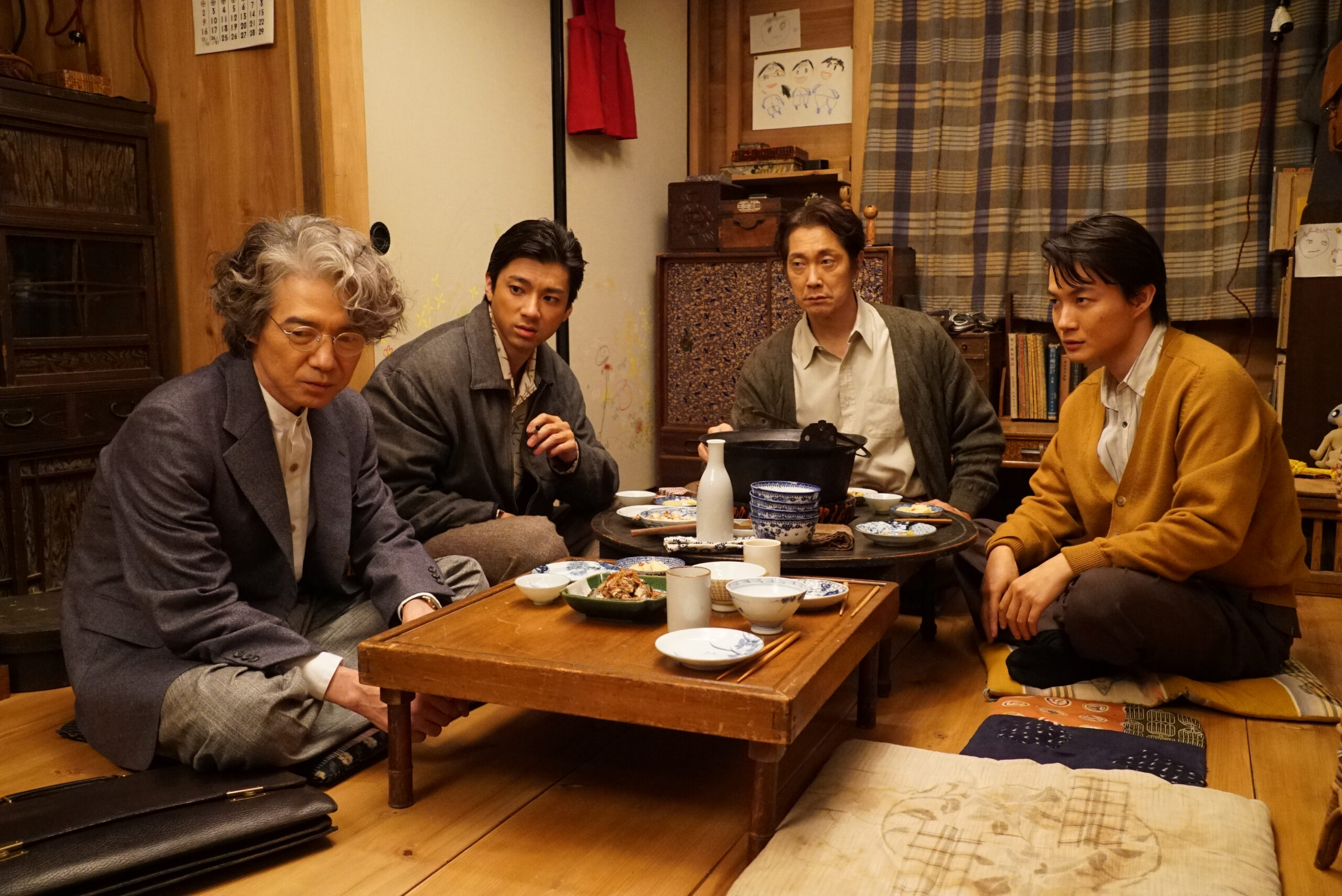
Several critics singled out Yoshioka, and they’re right to. Noda was the twinkly, slightly eccentric scientist of the first film. Here he’s in charge, carrying the weight of everyone’s survival, and Yoshioka plays the shift beautifully. He’s still funny, still a bit odd, but there’s a heaviness to him now. Mathai described him as the de facto lead, and the film is often at its best when he’s on screen.
The new characters fare less well. Masami Nagasawa is a terrific actor, and Aoyama has a strong hook in the guilt she feels over an ignored storm warning. Min Tanaka’s biologist Murakami, a man still carrying the war with him, is a good idea too. But Mathai called this material “superfluous,” and Kiang described the characters as thin archetypes. We wouldn’t go quite that far with Nagasawa, who makes the most of every scene, but neither character gets the depth they deserve.
The returning faces from the first film’s ragtag crew, including Kuranosuke Sasaki and Yuki Yamada, bring a welcome sense of continuity. When the gang gets back together, the film briefly feels like a reunion, and that’s a nice change of pace from all the doom.

7. Visual Effects and IMAX (2026, Toho and IMAX)
What makes it stand out: This is the first Toho Godzilla film shot for IMAX, and it looks spectacular.
Key data: Yamazaki again supervised the effects, following Minus One’s Best Visual Effects win at the 96th Academy Awards, and IMAX lists 75 minutes of the film in its expanded aspect ratio.
Why it matters: Minus One won its Oscar on a tiny budget, and the sequel had to prove that wasn’t a one-off.
It proves it, easily. David Ehrlich at IndieWire said the effects “exponentially” improve on the “resourceful but weightless CGI” of Minus One, and Jesse Hassenger in the Guardian said the extended climax features “some of the most majestic CG monster action put to film.” We’ll go further: the final act of Minus Zero beats anything in the recent MonsterVerse films for sheer scale and weight, and Mathai at Slashfilm made the same call.
A lot of that comes from how Yamazaki and cinematographer Kozo Shibasaki use the frame. There are huge, god’s-eye wide shots where you can see entire districts being torn up, and then sudden cuts to ground level where you’re looking up at something unimaginably big. The IMAX framing really earns its keep in these moments. If you can, see it on a proper IMAX screen.
The aerial sequences deserve a special mention. Minus One had its plane-based finale, and this one goes bigger, with dogfights that Kiang singled out as a highlight. Yamazaki clearly loves planes, and it shows.
The record box office in the US suggests audiences agree. As we reported in our Godzilla Minus Zero box office takeaways, roughly 40% of its record $31.6 million North American opening came from IMAX screens.
8. Naoki Sato’s Score and the Sound Design (2026, Toho)
What makes it stand out: Sato’s music is enormous, and the classic Godzilla theme hits harder than ever.
Key data: Naoki Sato returns as composer after scoring Minus One, using what Slashfilm calls “siren-like strings and blaring horns.”
Why it matters: Sound is half the experience of a Godzilla film, and a big part of why this one plays so well in IMAX.
Nobody’s going to accuse Sato of subtlety. His score goes for maximum impact, and when it slides into Akira Ifukube’s original Godzilla theme at full volume, it’s a proper goosebumps moment. Dread Central, which was otherwise lukewarm, called the score “tremendous.” Kiang praised the “booming” soundtrack too.
The sound design is just as strong. Godzilla’s roar has a physical weight to it, and Ghidorah sounds completely different, which helps sell the idea that this is a new kind of threat. The quieter moments are handled well too. There’s a lot of ambient noise in the family scenes, rain and wind and the creak of an old house, and it sets up the weather theme without hammering it home.
If there’s a complaint, it’s that the music occasionally tries to manufacture emotion the script hasn’t earned. Doherty called the ending “aggressively sentimental,” and Sato’s swelling strings are a big part of why.
9. Pacing and the 135-Minute Runtime (2026, Toho)
What makes it stand out: It’s the film’s biggest weakness, and almost every critic noticed.
Key data: At 135 minutes, Minus Zero runs about 10 minutes longer than Minus One.
Why it matters: A tighter cut could have turned a very good film into a great one.
The first 20 minutes fly. The last 45 are thrilling. The bit in the middle is where things come unstuck. De Semlyen said “the rest is a slog,” which is a bit harsh, but he’s not wrong that the weather-based plan takes far too long to explain and set up. Kiang called the film “slightly overlong,” and Doherty described the experience as “waiting for monster fights.”
Part of the problem is structure. Minus One was really one man’s story, so every scene pushed it forward. Minus Zero has a family story, a military story, a science story and a second monster to juggle, and Yamazaki gives all of them space. That generosity is admirable, but it means the momentum keeps stalling.
We’d happily have lost 15 minutes from the middle hour, mostly from the American subplot and some of the repeated family arguments. The film you’d be left with would be leaner and probably closer to Minus One in quality.
10. How It Compares With Minus One (2023 vs 2026, Toho)
What makes it stand out: It’s bigger and more spectacular than its predecessor, but less focused and less moving.
Key data: Minus One earned over £2.6 million at the UK and Ireland box office and won the Oscar for Best Visual Effects; Minus Zero was Certified Fresh on Rotten Tomatoes at 89% from 84 reviews at the time of writing.
Why it matters: Every review of this film is really a comparison, and it’s the question most people will ask before buying a ticket.
Some critics loved it more than the original. Edward Douglas at The Weekend Warrior called it “even better than Godzilla Minus One in every way,” and Pajiba compared it to The Godfather Part II. We don’t agree. Minus One was lean and devastating, and it had a clear emotional line from start to finish. Minus Zero is broader, louder and, as Bibbiani put it, “noticeably sillier.”
Bibbiani’s line sums it up better than we can: “It’s a great Godzilla sequel, maybe even one of the best, but it’s not one of the great Godzilla movies.” He also compared it favourably with Masaaki Tezuka’s Godzilla Against Mechagodzilla and Godzilla: Tokyo S.O.S., two millennium-era films that made silly concepts feel grounded, and that feels about right.
Against the wider franchise, it’s clearly in the top tier. Against the MonsterVerse, the spectacle wins easily, though Hollywood’s films are more consistently paced. Against the Showa-era Ghidorah films, it’s a different beast altogether, darker and more serious, with the 15 certificate to prove it. Mathai suggested the two Minus films work best as a two-part family saga, and we think that’s the best way to see it: not as a rival to Minus One, but as its second half.
11. Who It’s For (UK Cinemas, BBFC 15)
What makes it stand out: It’s a must for big-screen fans and Minus One devotees, and a harder sell for anyone who prefers drama to destruction.
Key data: Rated 15 by the BBFC, in Japanese with English subtitles, and showing in UK IMAX and standard cinemas from 6 November 2026.
Why it matters: The 15 certificate and subtitles will shape who can and will go, especially families who took older children to the 12A-rated Minus One.
Watch it if: you loved Minus One and want more of the Shikishima family; you want the biggest, loudest monster film of the year; you have an IMAX screen nearby; or you’ve been waiting for a serious Godzilla film that also delivers proper kaiju battles.
Skip it if: you found Minus One’s melodrama too much, because there’s more of it here; you’re not keen on long waits for the action; or you’re hoping for a lean, tight film like the first one. If you haven’t seen Minus One, you’ll also want to watch that first. This sequel assumes you know these people.
A note for parents. Minus One was a 12A in the UK. Minus Zero is a 15, so younger Godzilla fans who saw the first one won’t be able to see this one in cinemas. The BBFC’s full content advice is worth checking before you book.
12. Final Verdict (2026, Filmoria)
What makes it stand out: The monster action is the best the series has ever had, and the human story is good enough to carry it, just.
Key data: Filmoria rates Godzilla Minus Zero 4 out of 5; critics’ scores range from 3/5 (Time Out, Dread Central) to four stars (The Scotsman) and 7.5/10 (Slashfilm).
Why it matters: It confirms Yamazaki’s Godzilla as the best thing happening in the franchise, even if this chapter isn’t quite as good as the last.
Godzilla Minus Zero isn’t Minus One. It’s baggier, sillier and too long, and the family drama that made the first film so powerful gets repetitive here. Those are real flaws, and they stop it from being a five-star film.
But we kept coming back to the final hour. The scale of it, the sound of it, the way Yamazaki makes you feel the size of these monsters, is something you don’t get from many films. Combined with a genuinely affecting story about a family trying to stay alive together, it’s an easy recommendation. The best way to see it is on the biggest, loudest screen you can find, and as soon as possible.
Next Best Picture’s Dan Bayer said it “demands to be seen on the biggest, loudest screen possible.” We agree, and that’s the clearest advice we can give.
Is Godzilla Minus Zero Worth Seeing?
Yes. Godzilla Minus Zero is a great sequel that doesn’t quite reach the heights of Minus One, but its monster action is the best the series has ever delivered, and it’s made for IMAX. The middle hour drags and the melodrama gets heavy, but Kamiki, Hamabe and Yoshioka keep you invested, and the final act is spectacular. It’s in UK cinemas now, rated 15, and we give it 4 out of 5.
Sources: Anime Limited / All The Anime UK press site, Rotten Tomatoes first reviews, Sight and Sound (BFI), Slashfilm, TheWrap, Time Out.
Frequently Asked Questions
Is Godzilla Minus Zero worth watching?
Yes. Filmoria gives Godzilla Minus Zero 4 out of 5 stars: its monster action is the best the series has delivered, though the middle hour drags and it doesn’t quite match Godzilla Minus One.
Is Godzilla Minus Zero better than Godzilla Minus One?
No, in Filmoria’s view Godzilla Minus Zero is bigger and more spectacular but less focused and less moving than Godzilla Minus One, though a few critics, including Edward Douglas, rated it higher.
Do I need to see Godzilla Minus One before Godzilla Minus Zero?
Yes, it helps a lot. Godzilla Minus Zero is a direct sequel set two years later in 1949, and it follows the same Shikishima family and Kenji Noda from the first film.
How long is Godzilla Minus Zero?
Godzilla Minus Zero runs 135 minutes, about 10 minutes longer than Godzilla Minus One.
Why is Godzilla Minus Zero rated 15 in the UK?
The BBFC rated Godzilla Minus Zero 15, a step up from the 12A given to Godzilla Minus One, so check the BBFC website for the full content advice before booking for teenagers.
Is Godzilla Minus Zero dubbed or subtitled in UK cinemas?
Godzilla Minus Zero is showing in UK and Irish cinemas in Japanese with English subtitles, released by Anime Limited.
Is Godzilla Minus Zero worth seeing in IMAX?
Yes. Godzilla Minus Zero is the first Toho Godzilla film shot for IMAX, and IMAX lists 75 minutes of it in the expanded aspect ratio, which makes the climax far more impressive on a big screen.
What monster does Godzilla fight in Godzilla Minus Zero?
Godzilla faces a reimagined Ghidorah in Godzilla Minus Zero, a cosmic, lightning-breathing threat that first attacks the city of Matsumoto, director Takashi Yamazaki’s home town.
When does Godzilla appear in Godzilla Minus Zero?
Godzilla doesn’t fully appear until roughly halfway through Godzilla Minus Zero, according to Time Out, with the film spending its first hour on the new threat and the human story.
Will Godzilla Minus Zero be on Netflix or streaming in the UK?
Not yet. No UK streaming or home release date for Godzilla Minus Zero has been confirmed, and it is currently showing only in UK and Irish cinemas.
📸 Follow us on Instagram for daily film, TV & gaming news: @filmoriauk

Radek Sinclair
Writes on European and world cinema for Filmoria, with a particular interest in festival titles making their way onto UK screens and streaming services.