
Switch 2 Sales Fall 41%: 12 Takeaways From Nintendo’s April to September 2026 Results
Gaming News 9th November 2026 Chris Whitmore
By the Filmoria News Desk
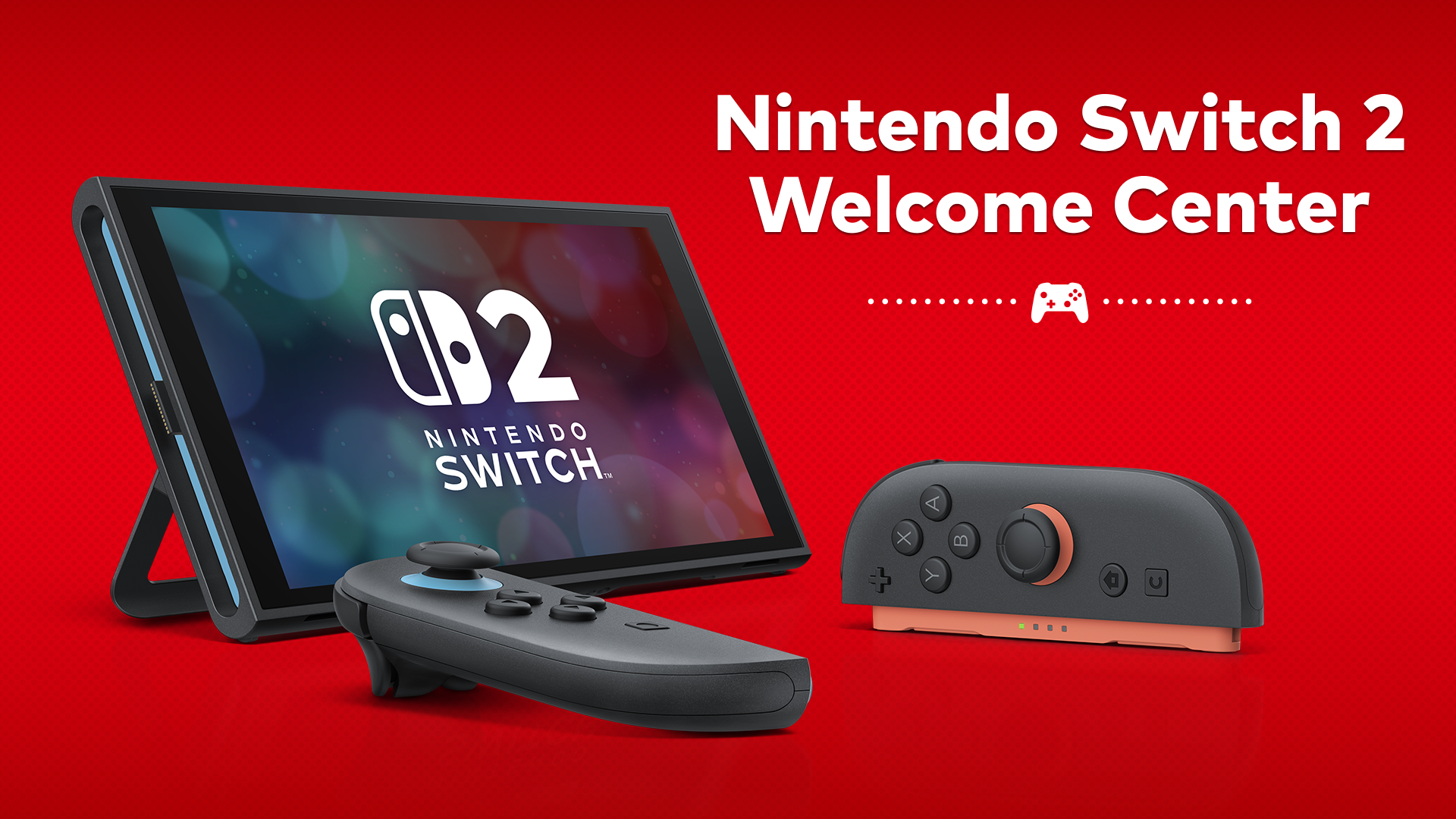
Nintendo sold 2.67 million Switch 2 consoles between July and September 2026, down 41.2% from 4.54 million a year earlier, according to half-year results published on 5 November 2026. Operating profit still rose 49.1% to ¥216.5 billion, and Nintendo kept its target of 16.5 million Switch 2 units for the year to March 2027. In the UK the Switch 2 costs £419.99 on the Nintendo Store, and The Legend of Zelda: Ocarina of Time arrived on it on 5 November.
Quick Facts
- Results published: 5 November 2026 (six months to 30 September 2026)
- Switch 2 hardware, July to September: 2.67 million units, down 41.2% year on year
- Switch 2 hardware, first half: 6.49 million units, down 37.4%
- Switch 2 lifetime sales: 26.35 million consoles and 73.21 million games
- Net sales: ¥966.0 billion, down 12.1%
- Operating profit: ¥216.5 billion, up 49.1%
- Full-year Switch 2 target: 16.5 million units, unchanged
In the UK
- Switch 2 price: £419.99 on the Nintendo Store since 1 September 2026, up from £395.99 at launch.
- Newest big release: The Legend of Zelda: Ocarina of Time, out on Switch 2 since 5 November 2026, rated PEGI 12.
- Next Nintendo game confirmed: Metroid Ravenous, due on Switch 2 in January 2027.
- UK sales figures: Nintendo doesn’t publish UK-only console numbers, so a UK split is not disclosed.
This is a ranked list of the 12 biggest takeaways from Nintendo’s results for the six months to 30 September 2026, the second half-year report of the Switch 2 era.
We ordered the takeaways by how much they change the outlook for Switch 2 owners and buyers this Christmas, starting with hardware sales and the forecast, then profit, software, digital and film income, costs and pricing, and finally the release line-up. Every figure comes from Nintendo’s own earnings release unless another source is named.
| # | Takeaway | Key figure | Period | Change |
|---|---|---|---|---|
| 1 | Switch 2 quarterly sales slump | 2.67m units | Jul to Sep 2026 | Down 41.2% |
| 2 | Full-year target kept | 16.5m units | Apr 2026 to Mar 2027 | Unchanged |
| 3 | Profit up, sales down | ¥216.5bn operating profit | Apr to Sep 2026 | Up 49.1% |
| 4 | Switch 2 software growth | 24.49m units | Apr to Sep 2026 | Up 18.8% |
| 5 | Splatoon Raiders leads new games | 2.42m units | Jul to Sep 2026 | New release |
| 6 | Original Switch still selling | 157.20m lifetime | To 30 Sep 2026 | Hardware down 32.7% in half |
| 7 | Digital sales surge | ¥249.6bn | Apr to Sep 2026 | Up 60.5% |
| 8 | Mario film money | ¥62.7bn IP income | Apr to Sep 2026 | Up 87.9% |
| 9 | Memory and tariff costs | About ¥100bn built in | Full year | Not disclosed |
| 10 | UK price rise | £419.99 | Since 1 Sep 2026 | Up £24 |
| 11 | Stockroom fills up | ¥814.6bn inventory | At 30 Sep 2026 | Up 50.9% since March |
| 12 | Holiday and January line-up | Ocarina of Time, Metroid Ravenous | Nov 2026 to Jan 2027 | Not applicable |
1. Switch 2 Sales Fall 41% in the July to September Quarter (Nintendo, Q2 FY2027)
What makes it stand out: It’s the steepest year-on-year drop Switch 2 has posted, and it landed in the console’s second summer rather than some distant twilight year.
Key data: Nintendo shipped 2.67 million Switch 2 units from July to September 2026, against 4.54 million in the same quarter of 2025 and 3.82 million in April to June 2026.
Why it matters: It’s the number every headline led with, and it frames the question for the next five months: was this a launch hangover or a real slowdown?
Context first. The comparison quarter in 2025 was the first full quarter after the Switch 2 launched in June that year, when shops were still filling empty shelves and early adopters were queuing. Beating that was never on the cards. Anadolu Agency, which reported the 41.2% figure, also noted that sales fell 30.1% on the previous quarter, and that’s harder to wave away. April to June 2026 had no launch to lean on either.
There’s also a price factor that didn’t exist a year ago. Nintendo raised the Switch 2’s price in the US, Canada, Europe and Japan in May, then confirmed a UK rise in August. Both took effect on 1 September, so only the last month of the quarter was affected, but buyers who’d been on the fence had a reason to jump in July and August and stop in September.
Put simply, the drop is real, it’s partly a quirk of the calendar, and it isn’t yet a crisis. Shacknews summed it up as a console that “continued to fly off shelves” even while the percentage fell. Both readings are fair. What settles it is Christmas.
2. The 16.5 Million Target Now Needs a Bigger Second Half Than Launch Year (Nintendo, FY2027 Forecast)
What makes it stand out: Nintendo didn’t cut its Switch 2 forecast, which means it now has to sell more consoles in six months than it did in the same six months of the launch year.
Key data: With 6.49 million sold from April to September, hitting 16.5 million requires about 10.01 million units between October 2026 and March 2027, while the same period a year earlier delivered roughly 9.49 million.
Why it matters: It’s a bold bet that the holiday season and a January Metroid can outsell the first, novelty-driven Christmas of the console.
Here’s how we got the 9.49 million. Nintendo reported 17.37 million lifetime Switch 2 sales at 31 December 2025, after a 7 million-unit October to December quarter. Its lifetime total at 31 March 2026 works out at 19.86 million (today’s 26.35 million minus the 6.49 million sold since April). That puts January to March 2026 at about 2.49 million, and the whole second half of the launch year at about 9.49 million.
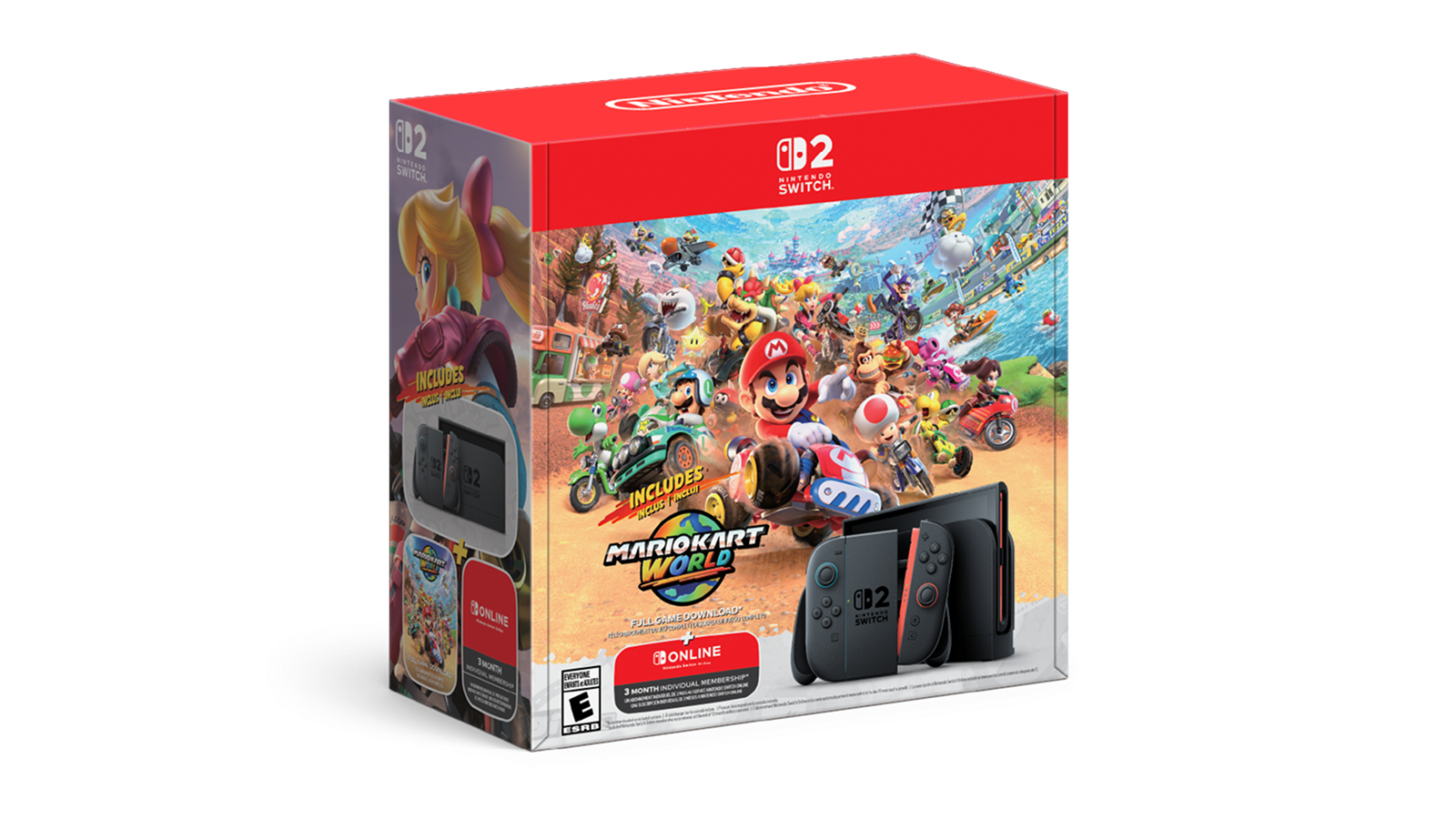
So Nintendo is promising roughly half a million more consoles in this winter than it sold in last year’s, at a higher price, with a first half that’s 37.4% down. That’s not impossible. A Zelda 40th Anniversary hardware edition, a Mario Kart World bundle and Ocarina of Time are all aimed squarely at that crowd.
Still, it’s the most demanding number in the whole report. If the October to December quarter comes in well under 7 million, expect the forecast to be revisited in February.
3. Profit Jumped 49% While Sales Fell 12% (Nintendo, First Half FY2027)
What makes it stand out: Nintendo made far more money on far less revenue, which is the opposite of what a 41% hardware drop usually means.
Key data: Net sales fell 12.1% to ¥966.0 billion, but operating profit rose 49.1% to ¥216.5 billion and net profit rose 11.0% to ¥220.9 billion.
Why it matters: Consoles are thin-margin products, especially with memory prices climbing, so selling fewer of them and more software is good for the bottom line.
Nintendo gave two reasons. First, software made up a bigger share of sales, and Nintendo makes much more on a £60 game than on a £420 console. Second, there was a one-off: a refund in the first quarter of US tariffs charged under the International Emergency Economic Powers Act, which Nintendo had previously booked as a cost. Getting that money back fed straight into profit.
That second point matters if you’re reading the 49% as a sign of a new normal. It isn’t. Strip out a one-off refund and the profit jump would be smaller, though Nintendo didn’t say by how much.
The full-year forecast tells the same story. Nintendo still expects ¥2,050 billion in sales (down 11.4%), ¥370 billion in operating profit (up 2.7%) and ¥310 billion in net profit (down 26.9%). The first half has already delivered about 58.5% of that operating profit target, which gives the company some breathing room if Christmas disappoints. Shareholders got good news too: the interim dividend is ¥76 a share, up from ¥42 a year ago, with a full-year forecast of ¥162.
4. Switch 2 Software Sales Rose 18.8% (Nintendo, First Half FY2027)
What makes it stand out: Fewer people bought the console, yet the people who own one bought more games than ever.
Key data: Switch 2 software sold 24.49 million units from April to September 2026, up 18.8%, taking lifetime software to 73.21 million against 26.35 million consoles.
Why it matters: A healthy tie ratio keeps third-party publishers interested, and that’s what kept the original Switch alive for nine years.
Divide 73.21 million games by 26.35 million consoles and you get about 2.8 games per Switch 2. That’s not spectacular for a machine that’s 17 months old, but it’s climbing quickly. It’s also only Switch 2 software. Switch 2 plays almost every original Switch game, and a lot of owners are buying older titles too, which shows up in the original Switch’s own software line instead.
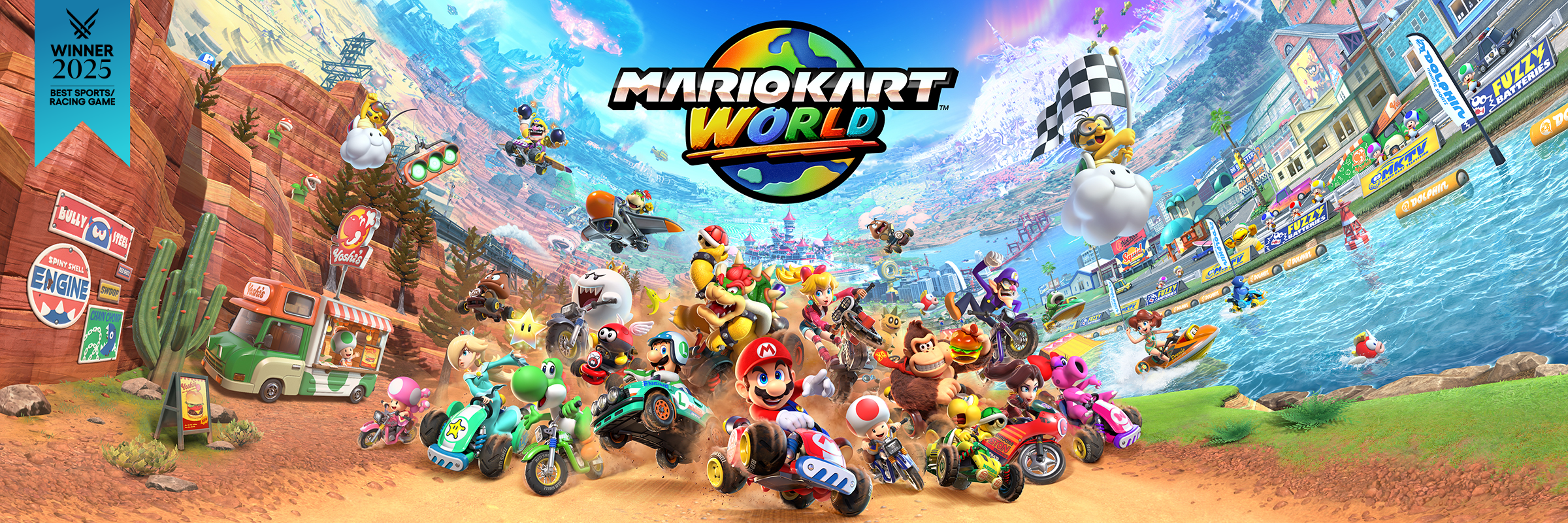
Nintendo singled out Mario Kart World and Pokémon Pokopia as the older releases still selling well. Mario Kart World came bundled with many consoles, so it rides along with hardware. Pokopia, released in March 2026, is the more interesting one: it’s kept selling six months on, which suggests it’s become an evergreen rather than a launch spike.
The software surge is also why the profit picture looks so good. It’s the reason Nintendo can lose 41% of a quarter’s console sales and still lift profit by half.
5. Splatoon Raiders Was the Half-Year’s Biggest New Game (Nintendo, Switch 2)
What makes it stand out: A Splatoon spin-off outsold both a Star Fox revival and a new Fire Emblem in its first few months.
Key data: Splatoon Raiders (July) sold 2.42 million units, Fire Emblem: Fortune’s Weave (September) sold 1.34 million and Star Fox (June) sold 1.17 million.
Why it matters: These are the first-party releases that had to carry the console through a quiet stretch, and the gap between them shows where demand really sits.
Splatoon has always sold best in Japan, so 2.42 million for a spin-off in roughly two and a half months is a solid result. It’s not a Mario Kart number, but it doesn’t need to be.
Fire Emblem: Fortune’s Weave is the eye-catcher. It released in September, so its 1.34 million represents only a few weeks on sale before the quarter closed. That’s a fast start for a series that used to be a niche strategy franchise before Three Houses and Engage broadened it.
Star Fox, at 1.17 million since June, is the softest of the three. It’s still a million-seller, and Star Fox games have historically been hit and miss commercially, so nobody should be calling it a flop. It does suggest that nostalgia alone won’t carry a revival on Switch 2.
Add those three together and you get 4.93 million units, about a fifth of all Switch 2 software sold in the half. The rest came from the back catalogue, which is good news for Nintendo’s margins and a sign the console has built a library people want to dip into.
6. The Original Switch Is Still Selling, and Tomodachi Life Proved It (Nintendo, Switch)
What makes it stand out: A new life sim on the nine-year-old Switch sold more copies in six months than any new Switch 2 game.
Key data: Tomodachi Life: Living the Dream (April) sold 8.81 million units and Rhythm Heaven Groove (July) sold 2.89 million, while the original Switch sold 1.27 million consoles (down 32.7%) and reached 157.20 million lifetime.
Why it matters: It shows Nintendo’s two-console strategy is working, and that its biggest hit of the year so far isn’t a Switch 2 exclusive at all.
8.81 million is a huge number. It’s more than three times Splatoon Raiders. Part of the reason is reach: Tomodachi Life plays on both the 157.20 million original Switch consoles and on Switch 2, so it has an enormous audience. The other part is that it’s exactly the sort of game that sells for years, to people who don’t read games news.
Original Switch software as a whole sold 65.73 million units in the half, up 6.8%. Nintendo said it expects to “leverage the Nintendo Switch hardware installed base” to keep software sales going, which is a polite way of saying it’s not abandoning the old machine any time soon.
One milestone to watch: Sony has said PlayStation 2 sold more than 160 million units. The original Switch is now at 157.20 million and still selling more than a million units every six months. It could plausibly close that gap within the next couple of years, though Nintendo hasn’t commented on it.
7. Digital Sales Jumped 60.5% (Nintendo, eShop)
What makes it stand out: More than a quarter of Nintendo’s revenue in the half came through digital sales, a record share for a company long tied to cartridges.
Key data: Digital sales reached ¥249.6 billion from April to September 2026, up 60.5%, mainly from downloadable versions of packaged games.
Why it matters: Digital copies carry no cartridge, box or shipping costs, so every shift away from physical improves profit.
Against total sales of ¥966.0 billion, digital made up about 25.8%. It’s another quiet reason the profit line looks healthier than the hardware line.
There’s a Switch 2 angle too. A lot of Switch 2 physical releases have come as Game-Key Cards, which hold a licence rather than the full game, and Switch 2 cartridges are expensive for publishers to produce. Neither point appeared in Nintendo’s statement, but both nudge buyers and publishers towards the eShop.
For UK buyers, the practical upshot is that eShop sales and Nintendo Switch Online perks are getting more attention from Nintendo, while physical prices at UK retailers often undercut the eShop on launch day. If you’re buying Ocarina of Time or Pikmin this month, it’s still worth comparing both.
8. Film and IP Income Rose 87.9% Thanks to Mario (Nintendo, IP Business)
What makes it stand out: The movie side of Nintendo is no longer a rounding error.
Key data: IP-related income reached ¥62.7 billion in the half, up 87.9%, which Nintendo put down to audience engagement with The Super Mario Galaxy Movie.
Why it matters: Films keep Nintendo characters in front of people who don’t own a console, and Christmas is when they decide to buy one.
¥62.7 billion is about 6.5% of Nintendo’s half-year sales. That’s modest next to games, but it’s growing faster than any other line in the report, and it costs Nintendo little compared with making a console.
Nintendo has said for years that films are meant to widen the audience for its games rather than become a business of their own. The Super Mario Galaxy Movie is the second Illumination Mario film, and its run feeding straight into a Mario Kart World bundle season isn’t an accident.
The next test is The Legend of Zelda live-action film from Sony Pictures, which Filmoria has covered in our Legend of Zelda movie guide. Ocarina of Time arriving on Switch 2 in the same 40th anniversary window looks very deliberate.
9. Memory Chip Costs Are Squeezing Consoles, but No New Price Rise Is Planned (Nintendo, FY2027)
What makes it stand out: Nintendo is carrying a nine-figure cost hit from the AI-driven memory shortage and says it won’t pass more of it on to buyers yet.
Key data: The full-year forecast includes about ¥100 billion (roughly $633 million) of costs from rising component prices, mainly memory, and tariffs.
Why it matters: It’s the main reason Switch 2 prices went up on 1 September, and it’s the biggest risk to prices in 2027.
Memory prices have climbed sharply since 2025 as chipmakers prioritise high-bandwidth memory for AI data centres. Every console maker is affected. Microsoft’s recent results showed its own hardware revenue falling, which we covered in our Xbox results takeaways.
At the briefing, president Shuntaro Furukawa said Nintendo had secured enough memory to cover Switch 2 sales up to March 2027, according to a report by FRVR. The same report says Nintendo isn’t currently planning further price changes for consoles, accessories or software, but could revisit that if memory prices keep rising into 2027.
Read that carefully. It’s a promise for this financial year, not a forever promise. If you’ve been waiting for a Switch 2 price cut before buying, the results give no sign one is coming, and some sign the next move could be up.
10. UK Buyers Now Pay £419.99 for a Switch 2 (Nintendo UK)
What makes it stand out: The UK rise was smaller than most predicted, and it was announced separately from the rest of Europe.
Key data: Nintendo raised the Switch 2 price on the UK Nintendo Store from £395.99 to £419.99 from 1 September 2026, a £24 (about 6%) increase, while the Republic of Ireland went from €469.99 to €499.99.
Why it matters: It’s the price UK families are looking at for Christmas, and it’s part of why the July to September numbers look the way they do.
When Nintendo announced its May price increases for the US, Canada, Europe and Japan, the UK figure was missing. It finally came on 20 August. Some outlets had forecast a £30 jump; the confirmed £24 was lower. In the US the console went from $449.99 to $499.99 on the same day.
The price change doesn’t apply to Northern Ireland, which follows UK pricing. Retailers set their own prices, so bundle deals around Black Friday may still bring the effective cost down, but we wouldn’t bank on a big discount on the base console given what Nintendo said about memory costs.
There’s an awkward truth here for Nintendo’s 16.5 million target. The first Christmas was sold at £395.99. This one has to sell more consoles at £419.99.
11. Nintendo’s Stockroom Grew by ¥274.8 Billion (Nintendo, Balance Sheet)
What makes it stand out: Hidden in the balance sheet is a 50.9% jump in inventory in six months, the clearest sign of how hard Nintendo is preparing for Christmas.
Key data: Inventories rose from ¥539.8 billion at 31 March 2026 to ¥814.6 billion at 30 September 2026, while cash and deposits fell from ¥1,791.8 billion to ¥1,553.9 billion.
Why it matters: Nintendo has paid for a lot of stock up front, which supports its 16.5 million target and its claim to have memory covered until March.
Nintendo said total assets rose “mainly due to increases in inventories and investment securities”. It didn’t break down what the inventory is, but consoles, parts and cartridges are the obvious candidates. Buying memory and components early, before prices rise further, would fit neatly with Furukawa’s comment about having enough memory secured.
Money owed to suppliers also rose, from ¥236.1 billion to ¥370.7 billion, which again points to heavy recent purchasing.
This is the part of the report that should reassure anyone worried about shortages. On these numbers, Nintendo has built a cushion. Whether that cushion turns into sales, or into unsold boxes in February, is the real story of the next quarter.
12. Ocarina of Time Now, Metroid Ravenous in January (Nintendo, Switch 2 Line-Up)
What makes it stand out: Nintendo is going into its most important quarter with a remake of the series’ most famous game rather than a brand-new 3D adventure.
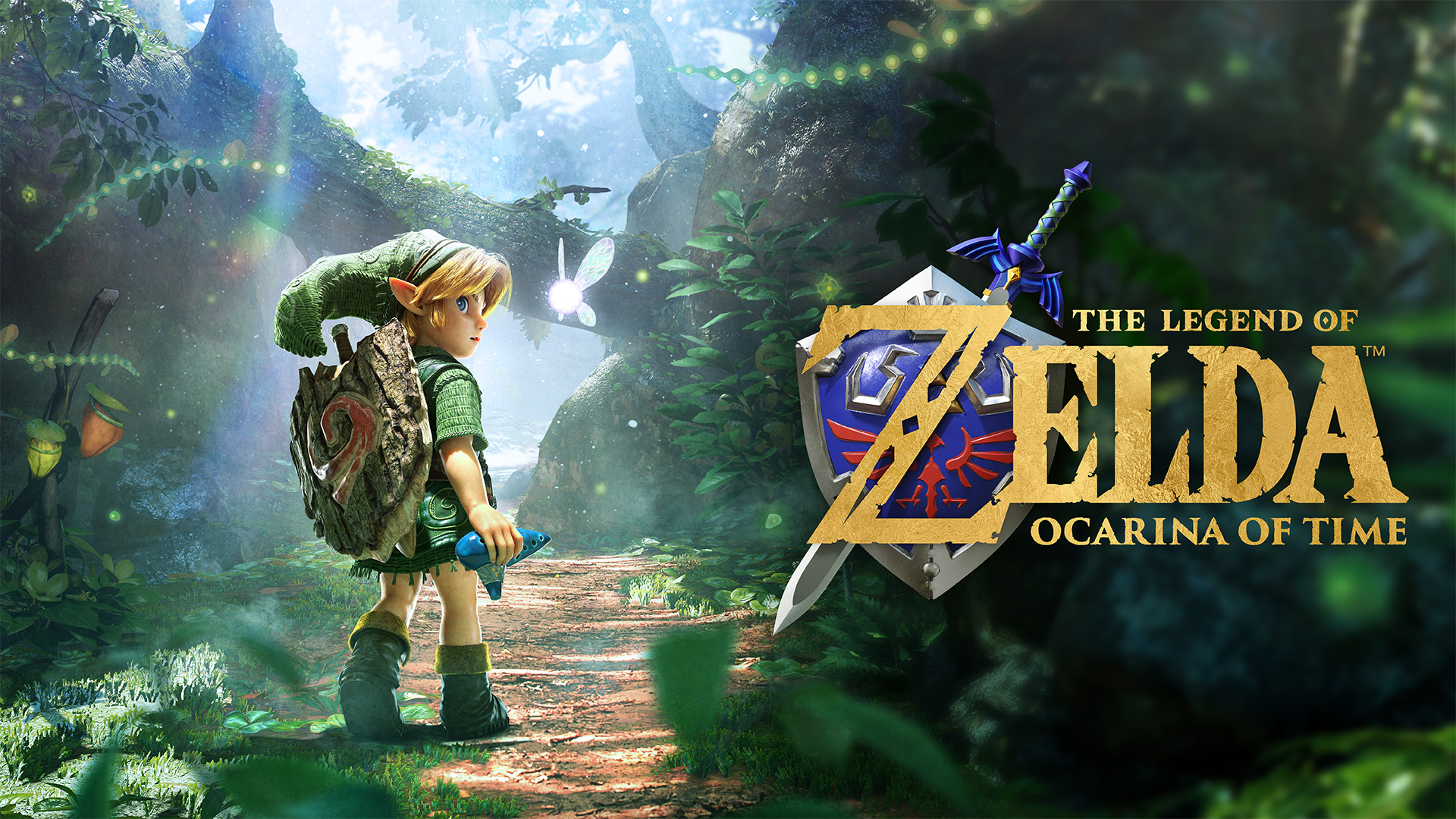
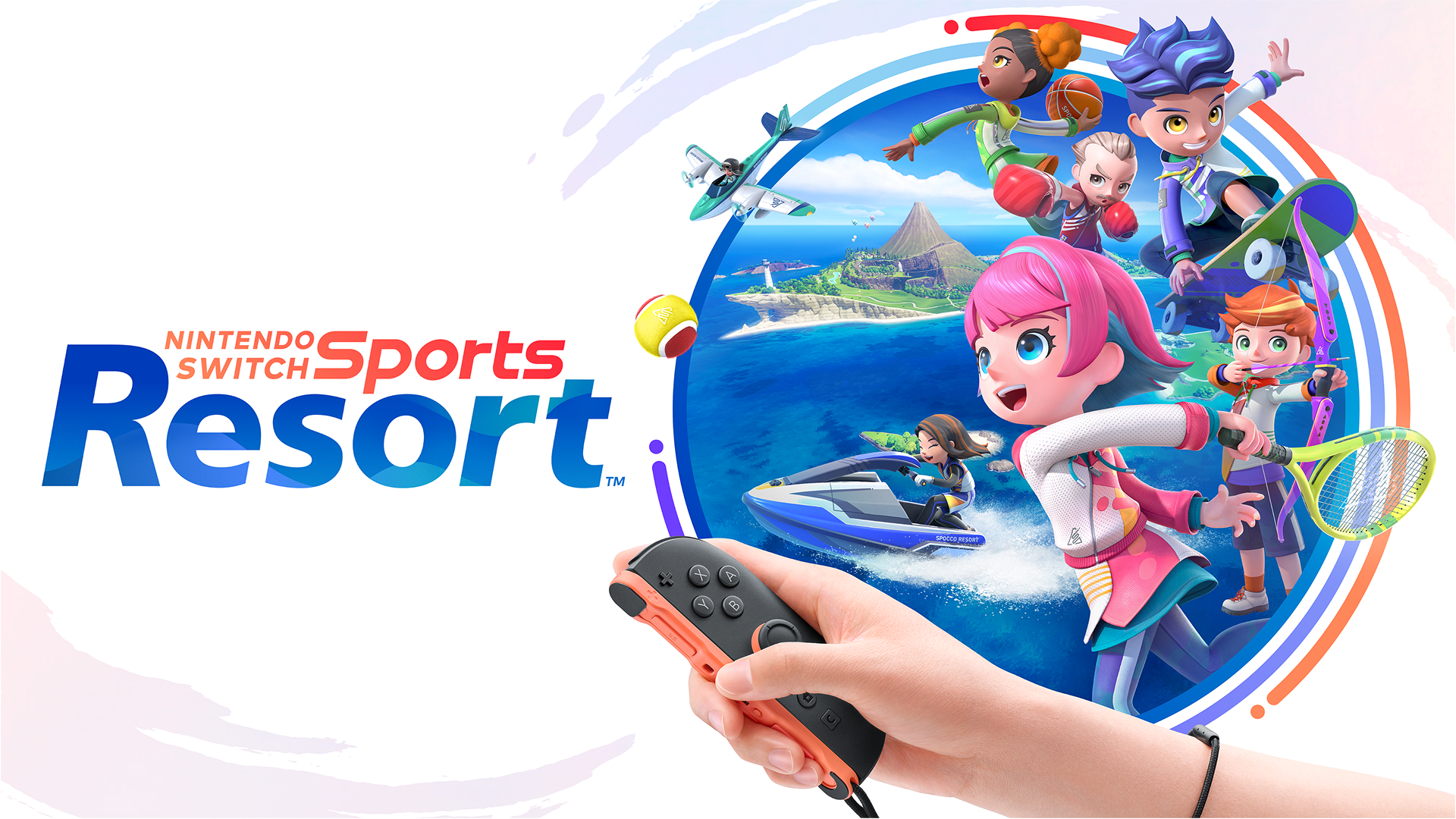
Key data: Nintendo Switch Sports Resort and a Zelda 40th Anniversary Edition Switch 2 arrived in October, The Legend of Zelda: Ocarina of Time launched on 5 November, and Metroid Ravenous is set for January 2027.
Why it matters: These are the games Nintendo is relying on to sell 10 million consoles in six months.
The line-up is aimed at two groups. Switch Sports Resort and the Mario Kart World bundle are for families. Ocarina of Time and the Zelda edition console are for lapsed fans who grew up with the N64. Early critical reaction has been strong, with GagAdget reporting an aggregate review score of 96 for the remake, making it one of the best-reviewed games of the year.
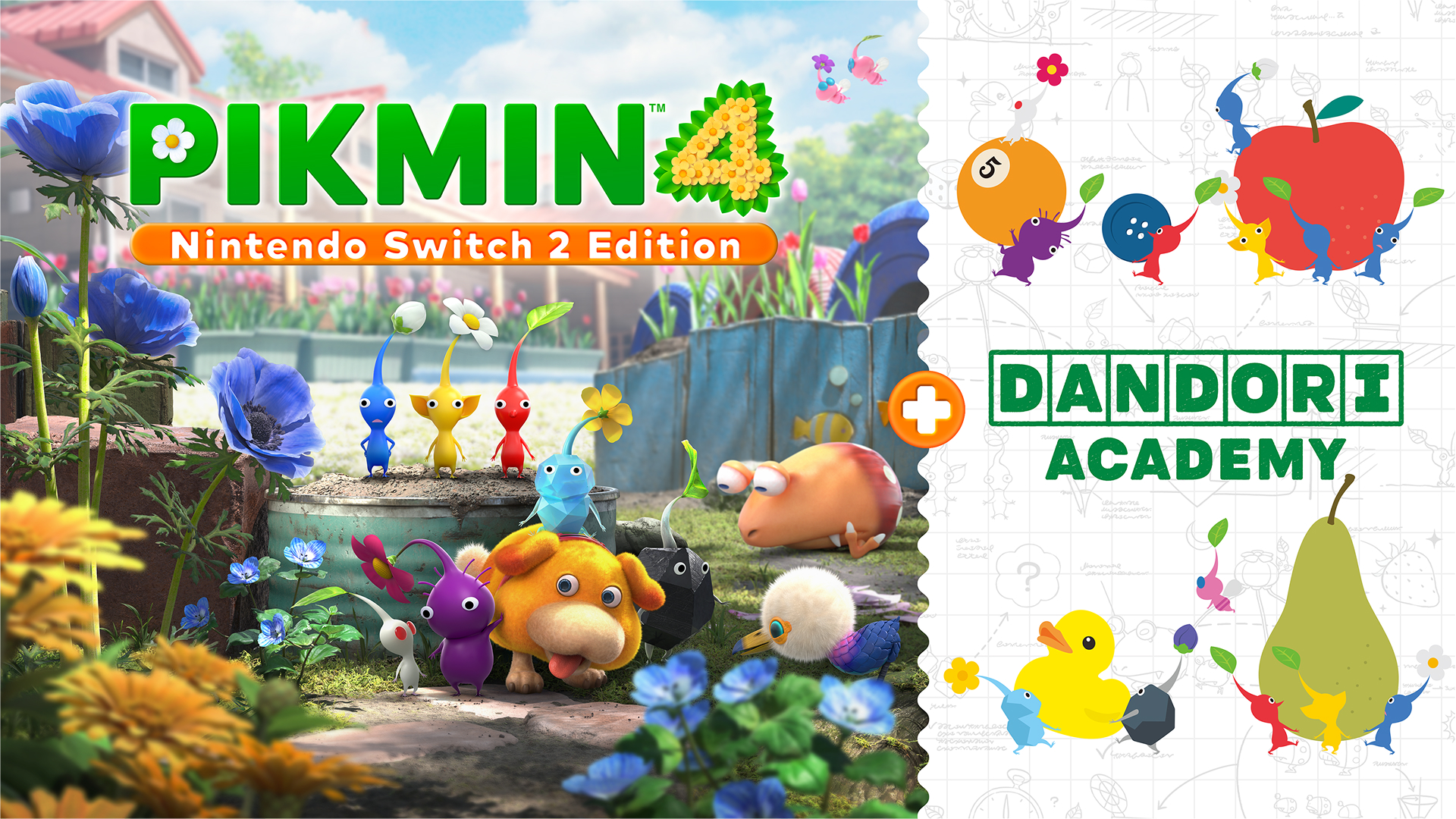
Pikmin 4 Nintendo Switch 2 Edition, bundled with the new Dandori Academy, follows on 12 November. Then the big one for early 2027 is Metroid Ravenous, the first 2D Metroid since Metroid Dread in 2021, which Nintendo confirmed for January.
The obvious rival is Grand Theft Auto VI, which launches on 19 November 2026 on PS5 and Xbox Series X|S, not Switch 2. Read our GTA 6 guide for the details. Nintendo doesn’t have to beat it. It just has to be the console on family wish lists while everyone else talks about Vice City.
Filmoria’s Read: A Strong Business Hiding Behind a Weak Headline
Take away the 41% and this is a company in very good shape. Software is up, digital is up, film income nearly doubled, profit rose by half and the dividend went up. The worry is entirely about hardware, and specifically about whether a pricier Switch 2 can match the launch-year Christmas without the launch-year excitement.
Our verdict: Nintendo will probably get close to 16.5 million, but it’ll need a very big October to December quarter to do it, and the remaining risk sits with the price tag rather than the games. The February results will tell us who was right. Until then, if you were planning to buy a Switch 2 this year, there’s no sign that waiting will make it cheaper.
Sources: Nintendo consolidated financial highlights, 5 November 2026; Nintendo dedicated video game sales units; Anadolu Agency; Shacknews; FRVR; Nintendo Life.
Frequently Asked Questions
How many Switch 2 consoles has Nintendo sold in total?
Nintendo had sold 26.35 million Switch 2 consoles worldwide by 30 September 2026, along with 73.21 million Switch 2 games.
Why did Switch 2 sales drop 41 percent?
Switch 2 sales fell 41.2 percent in July to September 2026 mainly because the same quarter in 2025 was the console’s first full quarter after launch, when demand was at its peak. A price rise on 1 September 2026 also landed in the last month of the quarter.
Did Nintendo lower its Switch 2 sales forecast?
No, Nintendo kept its forecast of 16.5 million Switch 2 units for the year ending 31 March 2027, which means it needs to sell about 10 million more by then.
How much profit did Nintendo make from April to September 2026?
Nintendo made an operating profit of 216.5 billion yen in the six months to 30 September 2026, up 49.1 percent, and a net profit of 220.9 billion yen, up 11 percent.
Why did Nintendo’s profit go up when sales went down?
Profit rose because software, which earns far more per sale than consoles, made up a bigger share of sales, and because Nintendo got a refund of US tariffs it had previously paid.
What was Nintendo’s best selling new game this year?
Tomodachi Life: Living the Dream on the original Switch was Nintendo’s biggest new release of the half, with 8.81 million units, while Splatoon Raiders led new Switch 2 games with 2.42 million.
How much does a Switch 2 cost in the UK now?
A Switch 2 costs 419.99 pounds on the UK Nintendo Store, after Nintendo raised the price from 395.99 pounds on 1 September 2026.
Will the Switch 2 go up in price again?
Nintendo is not currently planning another price rise, and Shuntaro Furukawa said it has enough memory secured for Switch 2 sales until March 2027, according to FRVR, but it may revisit pricing if memory costs keep climbing.
When does Metroid Ravenous come out?
Metroid Ravenous is due on Nintendo Switch 2 in January 2027, according to Nintendo’s 5 November 2026 earnings release.
How many original Nintendo Switch consoles have been sold?
Nintendo has sold 157.20 million original Switch consoles as of 30 September 2026, plus 1,593.87 million Switch games.
📸 Follow us on Instagram for daily film, TV & gaming news: @filmoriauk

Chris Whitmore
Sub-Editor of Filmoria. Dwayne Johnson's No.1 fan. Arthouse celebrator. Romancer of all things Michael Haneke & Woody Allen. Irrevocably in love with Felicity Jones. She'll be my wife one day; you'll see...