
BioWare Shut Down: 12 Things to Know as EA Cancels the Next Mass Effect
Gaming News 27th October 2026 Oliver Laurent
By the Filmoria News Desk
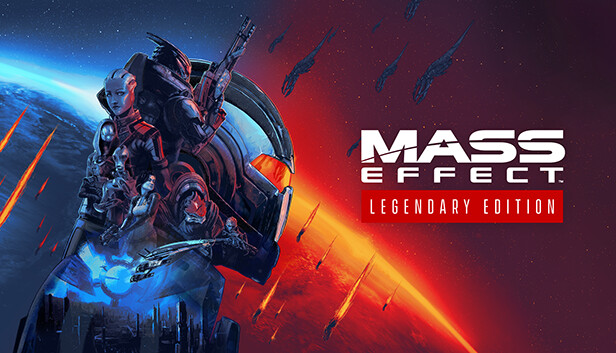
Electronic Arts is shutting down BioWare, the Edmonton studio behind Mass Effect, Dragon Age and Star Wars: Knights of the Old Republic, and has cancelled the next Mass Effect game that its last remaining team was building. EA told staff on 21 October 2026 as part of a company-wide round of roughly 400 job cuts, about 3% of its workforce. There’s no new BioWare game to play in the UK or anywhere else, and the cancelled Mass Effect never had a release date.
Quick Facts
- What happened: EA is closing BioWare and ending early development of the next Mass Effect game
- Announced: 21 October 2026, in a staff letter from EA’s Cam Weber and David Tinson
- Jobs: about 400 across EA (roughly 3%), with about 50 at BioWare, according to Bloomberg
- Studio age: founded in Edmonton on 1 February 1995, so 31 years old at closure
- Also hit: The Sims “Project Lotus” stopped, and Skate’s team at Full Circle cut back
- Still going: EA Sports, Battlefield, Apex Legends, Marvel’s Iron Man and the next Star Wars Jedi game
In the UK
- Next Mass Effect: cancelled, so there’s no UK release date, platform or PEGI rating
- Existing BioWare games: EA hasn’t announced any delisting of Mass Effect Legendary Edition, Dragon Age: The Veilguard or the older titles
- UK jobs: EA hasn’t published a studio-by-studio breakdown, so any impact on UK teams is not yet confirmed
- Mass Effect TV series: reportedly still in development at Amazon MGM Studios for Prime Video; no UK date has been confirmed
This is a ranked list of the twelve things that matter most about EA’s decision to close BioWare and cancel the next Mass Effect game, from the announcement itself to the petition, the money and the TV show.
Items are ordered by how directly they affect the studio and the series: the closure and the cancelled game first, then the business reasons behind them, then BioWare’s history, the reaction, and finally what could still happen to Mass Effect.
| # | Item | Date | Who | Key figure | Status |
|---|---|---|---|---|---|
| 1 | BioWare closure | 21 Oct 2026 | EA / BioWare | 31-year-old studio | Closing |
| 2 | Next Mass Effect | Teased Dec 2020 | BioWare | Early development | Cancelled |
| 3 | EA layoffs | 21 Oct 2026 | Electronic Arts | About 400 jobs (3%) | Under way |
| 4 | Take-private deal | Closed Aug 2026 | PIF, Silver Lake, Affinity Partners | About $55 billion | Completed |
| 5 | Dragon Age: The Veilguard | 31 Oct 2024 | BioWare | About 1.5 million players | Below EA’s target |
| 6 | BioWare’s history | 1 Feb 1995 | Muzyka, Zeschuk, Yip | Founded in Edmonton | Ending |
| 7 | What EA keeps | 21 Oct 2026 | Respawn, DICE, Motive, Maxis | Iron Man, Star Wars Jedi | Continuing |
| 8 | #SaveMassEffect petition | 21 or 22 Oct 2026 | Change.org | 200,000+ signatures | No EA response |
| 9 | Shepard actors react | 21 Oct 2026 | Jennifer Hale, Mark Meer | Instagram Live | Backing petition |
| 10 | Industry tributes | 21 to 22 Oct 2026 | Larian, CD Projekt | Not disclosed | Ongoing |
| 11 | Possible IP sale | Oct 2026 | Former BioWare staff | No buyer named | Speculation |
| 12 | Mass Effect TV series | Announced Nov 2024 | Amazon MGM Studios | No release window | Reportedly continuing |
1. The Closure Itself (2026, Edmonton, Electronic Arts)
What makes it stand out: This isn’t a downsizing or a merger into another team; EA is ending BioWare as a studio and closing its Edmonton workspace.
Key data: Announced 21 October 2026 in a letter from EA’s Cam Weber and David Tinson, 31 years after BioWare was incorporated on 1 February 1995.
Why it matters: BioWare is one of a handful of studio names that ordinary players actually know, and its games shaped how western RPGs handle choice, companions and romance.
The letter called BioWare “a legendary studio that helped define the role-playing genre” and said a “hard look” at the business led to the decision. BioWare posted its own farewell the same day, thanking players and saying what generations of the studio had built together was worth celebrating and remembering. Read the two statements side by side and you get the whole story in miniature: EA talks about portfolio and growth, BioWare talks about people.
There are gaps. EA hasn’t given a final closing date for the Edmonton office, hasn’t said what severance looks like, and hasn’t said whether any BioWare staff will be moved to other EA teams. That last point matters because it’s exactly what happened in January 2025, when BioWare said a number of developers were being matched with roles elsewhere in EA while a small core group stayed on Mass Effect. This time there’s no core group left to protect.
Edmonton feels this one. CBC has spent the week talking to former staff about how the studio became part of the city’s identity, and Mayor Andrew Knack described it as a decision made by the parent company, not the city. For a long stretch of the 2000s, if you wanted to make story-heavy RPGs in Canada, BioWare was where you went.
2. The Cancelled Mass Effect (2020 to 2026, BioWare)
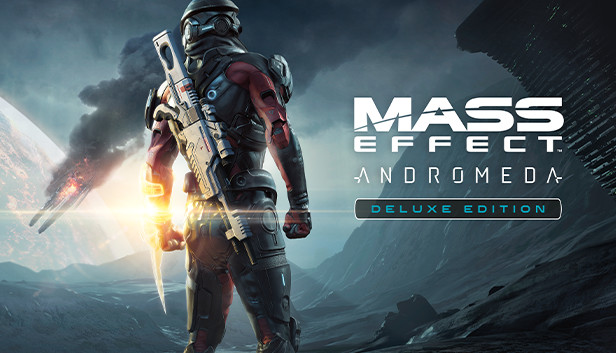
What makes it stand out: The game fans have waited on since a teaser at The Game Awards in December 2020 won’t be made by BioWare at all.
Key data: The project was still in early development when it was stopped, and no title, platform or release window was ever announced.
Why it matters: Mass Effect: Andromeda in 2017 is now the last new Mass Effect game, nearly a decade on.
BioWare’s statement confirmed that early development on the next Mass Effect is ending. That’s the line most fans went looking for, and it’s blunt. Nearly six years after that first teaser, the game never got past the stage where a small team builds tools, prototypes and story outlines.
It’s hard to overstate how much of BioWare’s remaining identity sat on this one project. After The Veilguard, the studio had shrunk around it. Mike Gamble, who led the work, had been the public face of the new game through those years of slow drip teasers on N7 Day. With the studio gone, so is the team that understood the trilogy’s tone and Andromeda’s mistakes from the inside.
The useful comparison here is Andromeda itself. That game was rough at launch in 2017, mocked for its animations, and EA put the series on ice afterwards. Fans then got the remastered trilogy in the Legendary Edition in 2021, which sold on nostalgia and was well received. The new game was meant to bridge those two moments: Shepard’s world and Andromeda’s characters, done properly. Now there’s no bridge, just the remaster and a cancelled project.
If you’re in the UK and you were waiting on this for PS5, Xbox Series X|S or PC, there’s no refund or pre-order to worry about. It was never put on sale.
3. The 400 Layoffs Across EA (2026, Electronic Arts)
What makes it stand out: BioWare is the headline, but it’s only around an eighth of the people losing their jobs.
Key data: Roughly 400 roles, about 3% of an EA workforce last reported at around 14,500, with Bloomberg putting about 50 of those at BioWare.
Why it matters: Cuts on this scale reach far beyond a single studio and say a lot about how the new owners view EA’s spending.
Bloomberg broke the story on 21 October, reporting that EA would shed about 400 jobs and close BioWare to reduce costs. EA’s own public letter doesn’t spell out a number by studio, so the BioWare figure rests on Bloomberg’s sourcing. It’s worth reading it as “about 50” rather than a fixed headcount.
Two other teams were named directly. At Maxis, a Sims project called Project Lotus has been stopped, and its resources move to another Sims effort, Project Evergreen. At Full Circle, the studio behind the free-to-play Skate, the letter says work continues but with a smaller team. Skate only reached early access in 2025, so a cut this soon tells you EA isn’t happy with how it’s earning.
For UK readers, the obvious question is whether British studios such as Criterion in Guildford or Codemasters are affected. EA hasn’t said. Until there’s a breakdown, any claim that UK teams have or haven’t been cut is a guess, and we won’t make it.
4. The $55 Billion Buyout Behind It (2026, PIF, Silver Lake and Affinity Partners)
What makes it stand out: This is the first studio closure since EA went private in the largest all-cash take-private deal on record.
Key data: About $55 billion, or $210 a share, completed in early August 2026, backed by Saudi Arabia’s Public Investment Fund, Silver Lake and Affinity Partners, with about $20 billion of debt committed by JPMorgan.
Why it matters: Debt has to be serviced, and studios that don’t produce steady revenue are the easiest costs to cut.
EA left the Nasdaq after the deal closed, and Andrew Wilson stayed on as chief executive. Public companies have to explain themselves to shareholders every quarter. Private ones, especially ones carrying this much borrowing, answer to owners who want the debt paid down and the cash flowing.
Kotaku and others have tied the BioWare decision directly to that pressure, and it’s hard to argue with the timing. Less than three months after the deal closed, the first big move is to close the company’s most famous single-player RPG studio and cancel a game that was years away from earning anything.
There’s a fair counterpoint. BioWare’s run since 2017 was poor commercially, and a public EA might well have made the same call. But a public EA had already been making that call slowly, through repeated layoffs. The buyout seems to have turned a slow decline into a quick end.
5. Dragon Age: The Veilguard’s Shortfall (2024, BioWare)
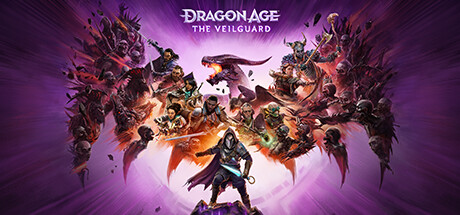
What makes it stand out: BioWare’s last released game turned out to be the one that decided its fate.
Key data: Released on 31 October 2024; in January 2025, EA said it had reached about 1.5 million players, nearly 50% below what the company expected.
Why it matters: After that miss, BioWare lost staff, lost Dragon Age and was left with one project.
The Veilguard had a troubled history long before release. It started life as a live-service project, was rebuilt as a single-player RPG, and arrived a full decade after Inquisition. Reviews were decent and some players loved it. But EA was blunt when it reported results: the game didn’t connect with enough people.
What followed was quick. Within months, long-serving Dragon Age developers had left or been laid off, and BioWare said it was narrowing its focus to Mass Effect. Looking back, January 2025 was the moment the studio started to disappear, and some commentators this week have asked whether the BioWare EA closed was already a shell of the old one.
It’s fair to compare The Veilguard with Baldur’s Gate 3, which came out the year before and sold in huge numbers. The two games were chasing the same audience, and Larian’s game did what EA wanted The Veilguard to do. That comparison has hung over BioWare ever since, and it’s one Larian’s own boss raised this week (see item 10).
6. 31 Years From a Basement to Baldur’s Gate (1995, Edmonton)
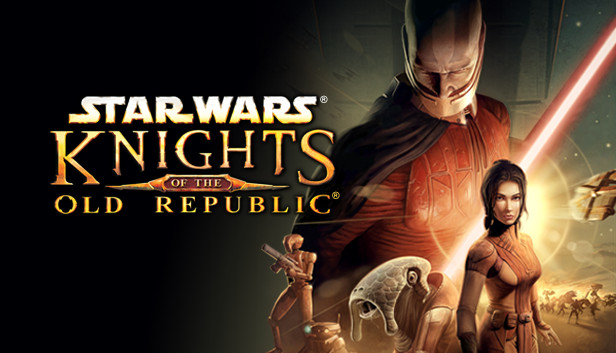
What makes it stand out: Three doctors fresh out of medical school started a studio that went on to define the western RPG.
Key data: Founded by Ray Muzyka, Greg Zeschuk and Augustine Yip, incorporated on 1 February 1995 in Zeschuk’s basement, and bought by EA in a deal announced in 2007.
Why it matters: The list of games is the reason this closure is getting the coverage it is.
Run through it and the scale is obvious. Baldur’s Gate in 1998 and Baldur’s Gate II in 2000. Neverwinter Nights in 2002. Star Wars: Knights of the Old Republic in 2003, still one of the best-loved Star Wars games of any kind. Jade Empire in 2005. Then Mass Effect in 2007, which came out on Xbox 360 the same year EA agreed to buy the studio.
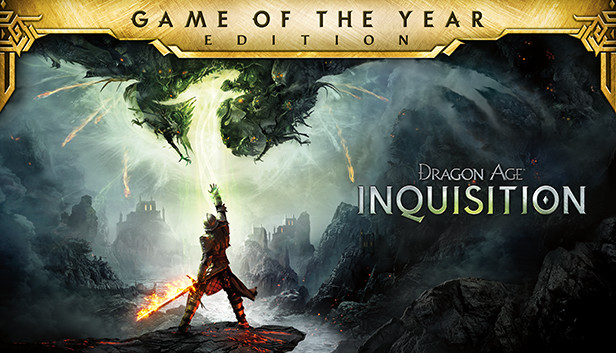
Under EA, BioWare made Dragon Age: Origins (2009), Mass Effect 2 (2010), Mass Effect 3 (2012) and Dragon Age: Inquisition, which won Game of the Year at The Game Awards in 2014. Muzyka and Zeschuk retired in 2012, and things got harder from there. Andromeda in 2017, Anthem in 2019 and The Veilguard in 2024 all fell short in different ways. Anthem’s servers went offline in January 2026.
Star Wars: The Old Republic, the studio’s MMO, had already moved to Broadsword Online Games in 2023, so it isn’t directly caught up in this closure.
One small detail tells you how much BioWare meant to others. CD Projekt’s Michał Nowakowski pointed out this week that BioWare lent its engine for the first Witcher game. Without that, the studio behind Cyberpunk 2077 might look very different.
7. What EA Is Keeping (2026, Respawn, DICE, Motive and Maxis)
What makes it stand out: In the same letter that closed BioWare, EA called itself “the number one publisher in Western HD gaming”.
Key data: Named as continuing: EA Sports titles, Battlefield, Apex Legends, Marvel’s Iron Man from Motive and the next Star Wars Jedi game from Respawn.
Why it matters: It shows where the money is going, and it isn’t into large, slow-burning original RPGs.
That “number one publisher” line got picked apart quickly. GamesRadar pointed out it’s not clear what metric EA used, and the timing struck plenty of people as tone-deaf. Still, the list is useful because it tells you what EA thinks is worth paying for.
Sports is the obvious one. EA Sports FC, Madden and the rest bring in recurring revenue every year. Battlefield and Apex Legends are live games that can earn for years. Iron Man and the next Star Wars Jedi game are licensed action games with famous names on the box, and the letter treats them as EA’s two big upcoming launches.
Game File also reported that a new shooter being made jointly by Respawn and DICE is Star Wars Battlefront 3. EA hasn’t confirmed the name, so treat that as reported, not official. If it’s right, it would bring back one of EA’s biggest licensed series, and it underlines the pattern: shooters and licences in, story-led original RPGs out.
8. The #SaveMassEffect Petition (2026, Change.org)
What makes it stand out: It went from nothing to more than 200,000 signatures in under a week.
Key data: Started on Change.org by a user named Joe Smith around 21 to 22 October; one count on 26 October put it at 212,180 signatures.
Why it matters: It’s the clearest measure we have of how many people still care about Mass Effect, and that number is something EA or a buyer could notice.
The petition asks for one of two things. Either EA commits to keep making Mass Effect with proper funding, enough staff and enough time, or it licenses the series to another studio that will. That second ask is the more realistic one, and it’s the one fans keep coming back to on social media.
Growth has been steep. Early reports put it at around 50,000, then 180,000 by the weekend, then past 200,000. Commander Shepard actors Jennifer Hale and Mark Meer have both backed it publicly.
Be realistic, though. Petitions like this rarely reverse a corporate decision, and EA hasn’t responded. The studio isn’t coming back because of a Change.org page. What the petition can do is show any company thinking about licensing or buying Mass Effect that there’s a large, organised audience waiting. That’s a more modest goal, and a more achievable one.
9. Commander Shepard’s Voices Speak Out (2026, Jennifer Hale and Mark Meer)
What makes it stand out: The two actors who voiced the female and male Shepard went live together on the day of the news.
Key data: Jennifer Hale and Mark Meer discussed the closure on Instagram Live on 21 October 2026, as reported by IGN and PC Gamer.
Why it matters: They’re the most recognisable faces of the series, and their criticism of EA’s ownership landed hard.
Hale’s line that BioWare “was in the hands of ownership that may not have understood what BioWare fully is” was the quote that travelled. She also spoke about the developers losing their jobs and about consolidation across the games industry. Her message to fans was that the series and the community carry on.
Meer has a particular connection to this story. He’s an Edmonton local who worked with BioWare for years, so for him this is also about his home city losing one of its best-known employers. He’s since encouraged people to support the #SaveMassEffect campaign.
Actors from game series rarely criticise publishers this directly, especially publishers they might work with again. That both did so on the first day says something about how the community sees EA’s handling of BioWare over the past decade.
10. The Industry’s Eulogies (2026, Larian Studios and CD Projekt)
What makes it stand out: Rival RPG studios, including the one that made Baldur’s Gate 3, paid public tribute within a day.
Key data: Larian founder Swen Vincke and CD Projekt’s Michał Nowakowski both posted reactions on 21 and 22 October 2026.
Why it matters: These are the studios that now lead the genre BioWare helped build, and both said plainly that they owe it something.
Vincke wrote that he never expected to see this. He noted that Larian and BioWare entered the industry at about the same time, that BioWare pioneered the big RPG, and that it was almost unimaginable the name BioWare would no longer come up when people talk about upcoming RPGs. He ended with “What a loss for all of us.”
There’s a neat irony in that. Larian made Baldur’s Gate 3, a sequel to the games that first made BioWare famous, and its success set the bar The Veilguard was then measured against.
Nowakowski’s tribute was more personal. He recalled BioWare helping CD Projekt localise and sell the Baldur’s Gate games in Poland, the Czech Republic and Slovakia, lending its engine for the first Witcher, and giving the Polish studio space on its E3 booth. He called the news very sad for everyone affected.
11. Could EA Sell Mass Effect? (2026, Electronic Arts)
What makes it stand out: Former BioWare leaders disagree about whether EA would ever let Mass Effect and Dragon Age go.
Key data: No sale, buyer or price has been announced; the debate rests on comments from former BioWare staff to GameSpot, Insider Gaming and GamesRadar.
Why it matters: A sale or licence is the only realistic route to a new Mass Effect game in the next few years.
A former studio head told GameSpot that EA could sell BioWare’s IP as it looks to bring down its debt, and Insider Gaming carried a similar view from another former executive. The logic is simple: Mass Effect and Dragon Age have value, and a company carrying billions in borrowing might want cash more than dormant brands.
The other view came from a former developer on the cancelled game, who told GamesRadar that “EA never actually sells anything” and that the publisher tends to shut things down and sit on its licences. History backs that up. EA has closed plenty of studios over the years and has rarely sold the series they made.
We’d lean towards the sceptics, at least in the short term. Licensing out is more likely than an outright sale, and even that probably isn’t quick. Watch for any hint of it in how EA handles the TV series, below.
12. The Amazon Mass Effect TV Series (2024, Prime Video and Amazon MGM Studios)
What makes it stand out: With the game cancelled, the Prime Video show is now the only Mass Effect project known to be in development.
Key data: Announced in November 2024; IGN reports showrunners Doug Jung and Daniel Casey, with Avi Arad and Karim Zreik among the producers; no release window.
Why it matters: It keeps the series in front of a mainstream audience while the games are on hold.
IGN’s sources at Prime Video say the show is still going ahead at Amazon MGM Studios, and Game Informer and Kotaku have carried the same report. Neither Amazon nor EA has said anything publicly, and the show wasn’t mentioned in either the EA or BioWare statements.
The show is set after the original trilogy, so it isn’t a retelling of Shepard’s story. Mike Gamble is reportedly still attached, though nobody has said what his role is now that BioWare is closing.
A TV series can’t save a games studio. But game adaptations have a recent track record of reviving interest. Fallout on Prime Video sent sales of the older Fallout games up sharply in 2024. If Mass Effect ever gets that kind of bump, EA or a licensee would have a commercial reason to make another game. When the series does arrive, it will stream on Prime Video in the UK, but no date has been confirmed.
Where This Leaves BioWare and Mass Effect
BioWare is closing, the next Mass Effect is cancelled, and EA has put its money into sport, shooters and licensed action games. The fan petition is big and loud, and the TV show is still alive, but nothing this week points to a new Mass Effect game soon. The honest takeaway is that the series now depends on whether EA decides it’s worth more licensed out than locked away. For the games BioWare already made, nothing changes: they’re still there to play, and for many people they’re still the reason they care about RPGs at all.
Sources: Bloomberg, Variety, Kotaku, CBC News, PC Gamer, Game Informer
Frequently Asked Questions
Why did EA shut down BioWare?
EA says it took a hard look at its business and is moving money and staff to projects with stronger growth potential, such as EA Sports, Battlefield, Apex Legends, Marvel’s Iron Man and the next Star Wars Jedi game. Reports link the timing to the debt from EA’s roughly 55 billion dollar take-private deal, which closed in August 2026.
When did BioWare close?
EA announced the closure to staff on 21 October 2026. It has not given a final date for shutting the Edmonton office.
Is Mass Effect 5 cancelled?
Yes, the next Mass Effect game is cancelled. BioWare confirmed on 21 October 2026 that early development on the project was ending, and it never had an official title, platform or release date.
How many people lost their jobs at BioWare?
About 50 people at BioWare lost their jobs, according to Bloomberg. That is part of roughly 400 cuts across EA, about 3 percent of the company.
Who owns the Mass Effect and Dragon Age rights now?
Electronic Arts still owns Mass Effect and Dragon Age. No sale or licensing deal has been announced, although former BioWare staff have said EA could sell or license the series.
Is the Mass Effect TV series still happening?
The Mass Effect series is reportedly still in development at Amazon MGM Studios for Prime Video, according to IGN. Neither Amazon nor EA has commented, and there is no release window or UK date.
How many signatures does the Save Mass Effect petition have?
The Save Mass Effect petition on Change.org passed 200,000 signatures within a week, with one count on 26 October 2026 putting it at 212,180. EA has not responded to it.
Can I still buy Mass Effect Legendary Edition in the UK?
EA has not announced any delisting of Mass Effect Legendary Edition or other BioWare games. The closure affects the studio and its unreleased project, not games already on sale.
What was the last game BioWare released?
Dragon Age: The Veilguard was the last game BioWare released, on 31 October 2024. EA said in January 2025 that it reached about 1.5 million players, nearly 50 percent below its expectations.
When was BioWare founded and by whom?
BioWare was founded in Edmonton, Canada, by Ray Muzyka, Greg Zeschuk and Augustine Yip and incorporated on 1 February 1995. EA agreed to buy the studio in 2007.
📸 Follow us on Instagram for daily film, TV & gaming news: @filmoriauk

Oliver Laurent
Writes about mainstream releases and the business behind them for Filmoria — box office, studio strategy and the long tail of franchise filmmaking.