

China’s AI Micro-Drama Takeover: 13 Things to Know as Hengdian’s Studios Fall Silent
AI & Future of Film 11th October 2026 Chris Whitmore
By the Filmoria News Desk
On 7 October 2026 Fortune reported that the sound stages at Hengdian, the giant studio town known as China’s Hollywood, now sit largely idle because short dramas are being generated with AI rather than shot with actors. Official figures back that up: China’s broadcast regulator, the NRTA, says more than 90% of the 430,000 micro-dramas released in China between January and August 2026 were made with AI. These shows play on Chinese apps such as Douyin and ByteDance’s Hongguo, and none of the titles has a confirmed UK release, but Britain is already Europe’s biggest market for the micro-drama format.
Quick Facts
- What happened: AI-generated vertical “micro-dramas” have overtaken live-action production in China in under a year, leaving Hengdian’s stages and actors short of work
- Latest report: Fortune, 7 October 2026, following CNN (22 August), Caixin (1 June) and the NRTA briefing reported by CGTN (17 September)
- Scale: 430,000 micro-dramas released January to August 2026, 13 times the 2025 total, with AI-made shows above 90%
- Main tools: ByteDance’s Seedance 2.0 (launched February 2026) and Kuaishou’s Kling
- Hengdian: stage vacancy reported close to 80% in April 2026; the studio now sells tourists the chance to shoot their own short drama from about 200 yuan (roughly US$30)
- Market: China’s micro-drama sector passed 100 billion yuan (about US$14.9 billion) in 2025
In the UK
- UK release: the Chinese AI micro-dramas discussed here are made for Chinese platforms such as Douyin and Hongguo. No UK release for any of them is confirmed.
- UK audience: Omdia says the UK was Europe’s leading micro-drama market in 2025, with 8.2 million monthly active users, nearly double Germany’s 4.4 million.
- The apps: Omdia’s data names ReelShort, DramaBox and FlickReels among the leading Western micro-drama apps. Which AI-made titles they offer UK users is not yet confirmed for the UK.
- BBFC rating and UK pricing: not yet confirmed for the UK for any title covered here.
- UK actors: in Equity’s indicative ballot, more than 99% of members said they were prepared to refuse digital scanning on set, on a 75.1% turnout.
This is a ranked list of the 13 most important things to know about China’s AI micro-drama takeover, from the video model that started it to what it could mean for British actors and viewers.
Items are ordered by how much each one explains the shift: first the causes, then the human and industrial fallout in China, then the regulatory and Hollywood response, and finally the international and UK picture. Every figure comes from the regulator, trade reporting or named news outlets, and where sources disagree we say so.
| # | Development | When | Who | Key figure |
|---|---|---|---|---|
| 1 | Seedance 2.0 launches | February 2026 | ByteDance | Hongguo cut live-action subsidies the same month |
| 2 | AI takes over in 90 days | Q1 2026 | Whole industry | Over 95% of 128,000 new titles AI-made |
| 3 | Hengdian’s stages go quiet | April 2026 onwards | Hengdian World Studios | Vacancy close to 80% |
| 4 | Actors lose their work | Spring to summer 2026 | Hengdian performers and crews | Over 60% of live-action crews halted (Ebrun) |
| 5 | Costs collapse | 2026 | Producers | Under 20,000 yuan per drama (Caixin) |
| 6 | The glut on Douyin | H1 2026 | Douyin, DataEye | 1,055 of about 220,000 AI dramas passed 100m views |
| 7 | Faces for rent | Summer 2026 | ActID and others | US$15 to US$700 per likeness |
| 8 | Regulator backs live action | 17 September 2026 | NRTA | 430,000 releases, over 90% AI |
| 9 | Kling cashes in | Q1 to Q2 2026 | Kuaishou | Q1 revenue about 650m yuan, up 300%+ |
| 10 | Hollywood pushes back | February to August 2026 | Disney, MPA, ByteDance | MOU signed 17 August 2026 |
| 11 | Hengdian sells the dream to tourists | August to September 2026 | Hengdian World Studios | From about 200 yuan per person |
| 12 | TVB brings AI drama to Hong Kong | September 2025 onwards | TVB, Volcano Engine | Hong Kong’s first AI short drama |
| 13 | The format reaches Britain | 2025 to 2026 | Omdia, Fox, Holywater | 8.2 million UK monthly users |
1. Seedance 2.0, the Model That Lit the Fuse (February 2026, ByteDance)
What makes it stand out: one software release did more to change Chinese screen production in 2026 than any studio, guild or government.
Key data: ByteDance launched Seedance 2.0 in February 2026 through its Jimeng and Jianying apps, and in the same month its Hongguo short-drama platform cut subsidies for live-action short dramas over financial concerns, according to Caixin.
Why it matters: when the biggest buyer of short dramas stops paying extra for live action just as a cheap AI alternative arrives, producers don’t need much persuading.
Ask anyone in the trade when things changed and you tend to get the same answer: right after Spring Festival. Seedance 2.0 arrived in February and it was good enough, quickly enough, that the people commissioning micro-dramas could see an obvious saving. Caixin’s June cover story called it a key catalyst, and the Financial Times reached the same conclusion when it tracked the rise of AI titles on Douyin.
The timing of the Hongguo decision is what turned a new tool into an industry shift. Hongguo is ByteDance’s own short-drama platform, so the company was effectively making the model and then changing the economics that made the old way of working pay. Nobody has to argue that was planned. The effect was the same either way.
2. AI Took Over the Industry in About 90 Days (Q1 2026, China)
What makes it stand out: it’s hard to think of another screen industry that has changed its production method this completely in a single quarter.
Key data: Caixin reported that more than 95% of the roughly 128,000 micro-dramas released in China in the first three months of 2026 were made with AI, and CNN put the quarter’s total above 120,000.
Why it matters: this isn’t a pilot or a festival curiosity. It’s a mainstream entertainment business, with hundreds of millions of viewers, that has already switched.
Caixin’s headline put the timescale at 90 days, and the numbers support it. Chinese state media cited a figure of more than 95% AI-generated content for early 2026, which Fortune repeated this week. By the time the regulator published its own count in September, the share for January to August was “more than 90%”, which suggests the first quarter wasn’t a spike.
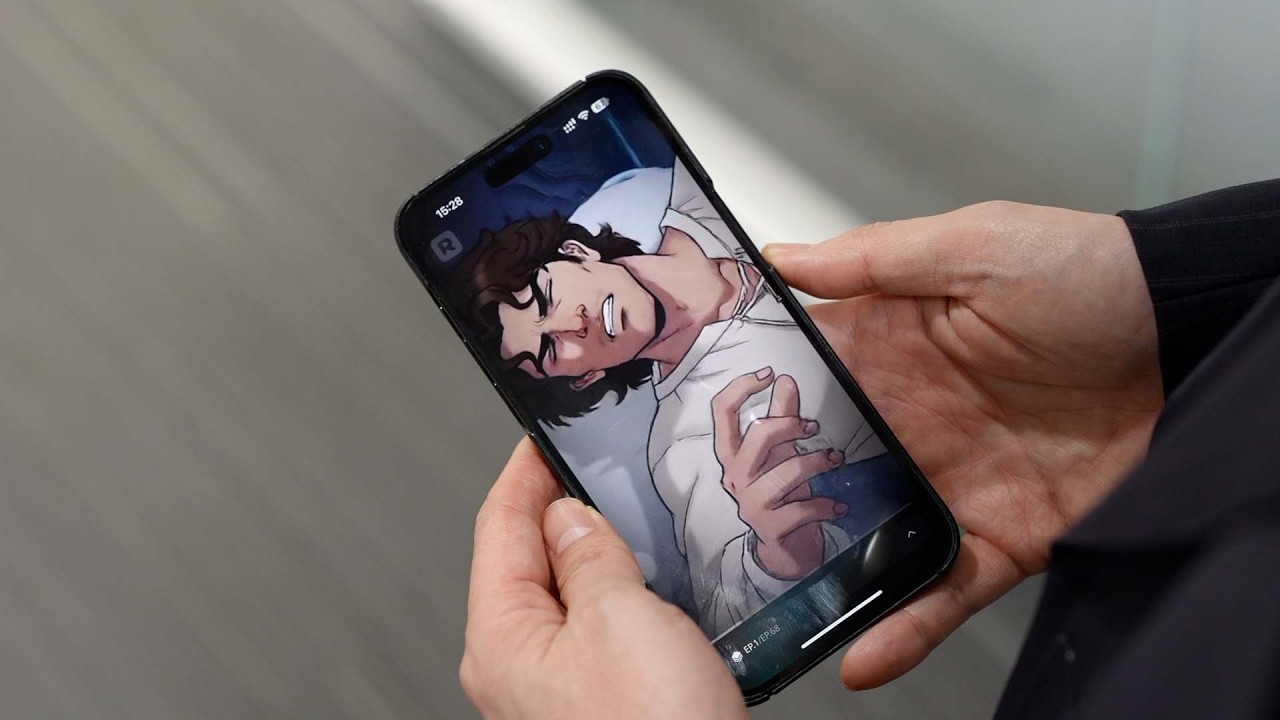
It’s worth being precise about what “AI-made” covers. Many of these titles are comic-style or animated dramas, a category that barely existed two years ago. DataEye estimated that AI comic-style micro-dramas alone were worth about 16.8 billion yuan in 2025. Others use photoreal generated characters in the familiar revenge-romance and palace-intrigue plots. Some blend real footage with generated scenes. The reported shares don’t always separate these, so treat “95%” as a measure of how many titles used AI in production, not proof that no human appeared in any of them.
3. Hengdian’s Sound Stages Fall Silent (April 2026 Onwards, Zhejiang)
What makes it stand out: the world’s largest film and TV production complex now has most of its stages empty.
Key data: a Chinese report carried by 36Kr said the stage vacancy rate at Hengdian World Studios was close to 80% in April 2026, a year after it was hard to book a single stage, and Asia Business Daily, citing Ming Pao, said more than 3,000 short dramas had been shot in Hengdian the previous year.
Why it matters: Hengdian is where Chinese screen careers start. If it empties, the pipeline for actors, crew and craft empties with it.
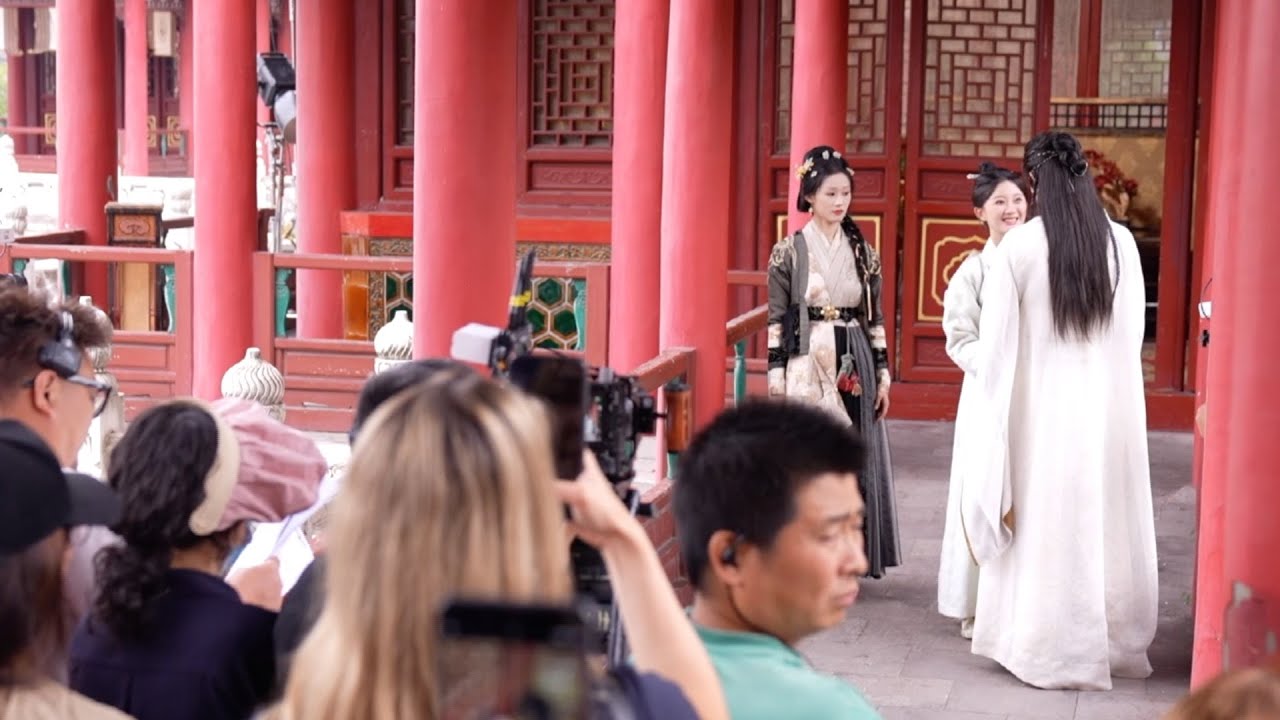
Hengdian built its name on period epics, with replica palaces and old Shanghai streets that have appeared in a huge number of Chinese films and series. Over the past few years micro-dramas became its bread and butter. They were quick, cheap and constant, and they filled stages that big features couldn’t.
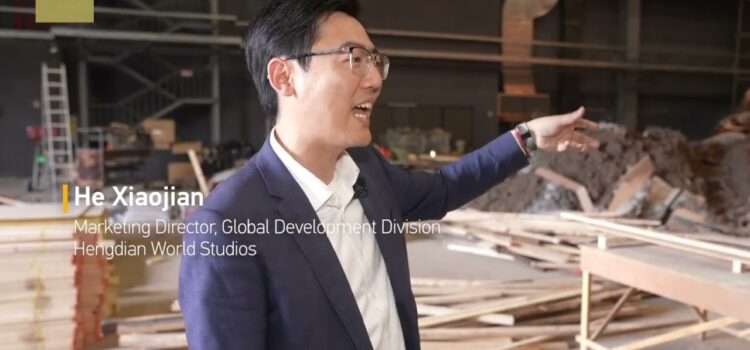
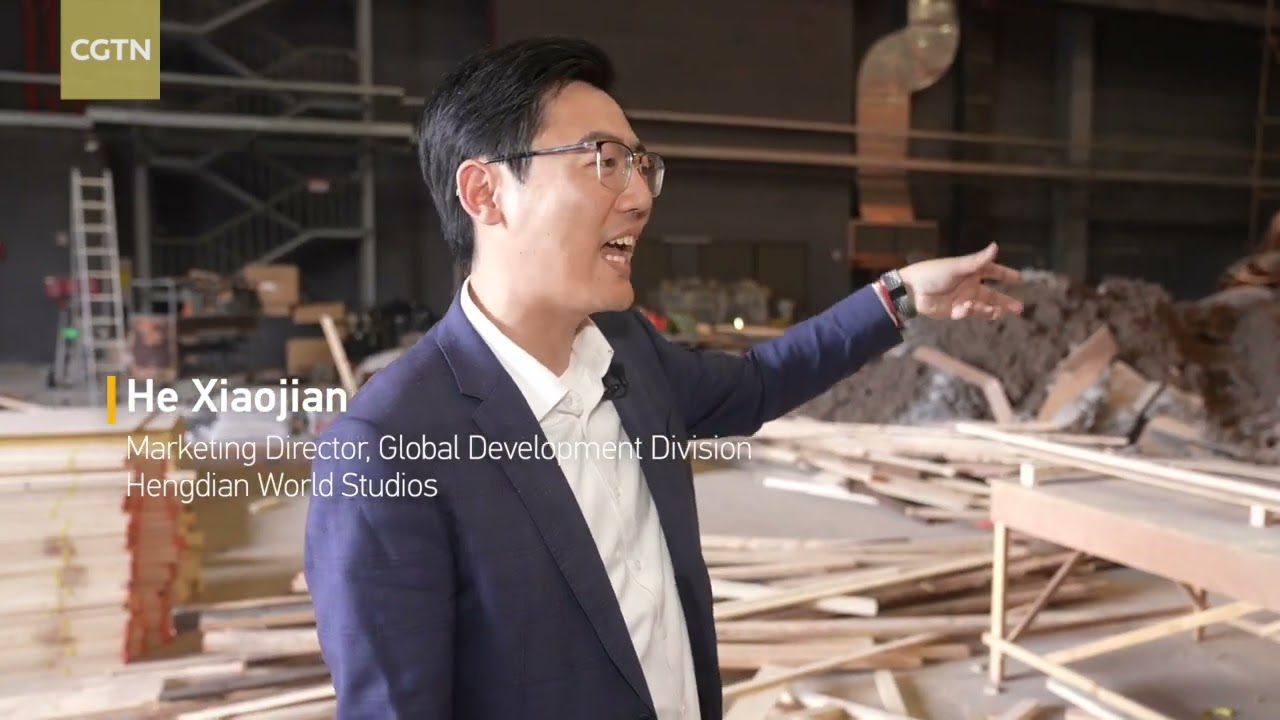
That’s the work that vanished. CNN’s August report, titled “Quiet on set”, described sets that had been “flourishing” only months earlier now going quiet. Fortune’s piece this week says the studios are largely idle. Asia Business Daily’s report adds that nearby businesses, the hotels, costume shops and restaurants that serve crews, have started closing too.
Not every report is quite so bleak. Some Chinese coverage says tech firms have opened offices in Hengdian this year and are using AI for big fantasy and science-fiction scenes in productions that still use the town. The 80% figure also comes from a single magazine report, so it should be read as a snapshot. But no source we found describes Hengdian’s live-action short-drama trade as healthy.
4. The Actors and Crews Who Lost Their Work (Spring to Summer 2026, Hengdian)
What makes it stand out: this is the first time AI has visibly emptied a whole community of working screen actors, not just threatened to.
Key data: CNN reported that one Hengdian actor, Junlin, went from about 25 filming days a month in spring to seven days in June, and an Ebrun survey found that more than 60% of live-action micro-drama crews had quietly stopped work after Spring Festival.
Why it matters: the fears that drove the 2023 Hollywood strikes are no longer hypothetical. Here they are, in payroll terms.
The individual stories are what make this hard to dismiss. Li Jiao’e moved to Hengdian in 2024 and told CNN that roles evaporated in recent months, and that the group chats where people traded job tips went silent. Another actor told the Financial Times he had been shooting three productions a week before Seedance 2.0. Afterwards, he said, “everything just went”, and many of his friends had to leave the profession.
Others have reportedly left altogether. Actor Xu Peng is said to have gone home to help his family sell vegetables. Liu Yuzhan, who used to land about four new roles a month, reportedly started working as a food delivery courier. Some reports also describe mid-tier actors’ fees halving.
Not everyone blames AI alone. One Hengdian actor quoted in the coverage pointed to stricter buying standards from platforms as well as the “hype around AI”. That’s fair. Platforms were already tightening up, and the Hongguo subsidy cut mattered. But the timing lines up too neatly with Seedance’s launch to treat as coincidence, and nobody in the reporting argues that live-action work is coming back on its own.
For British and American actors, this is the scenario Equity and SAG-AFTRA have been warning about. The difference is that Chinese micro-drama performers had no union contract to fall back on.
5. The Cost of a Drama Collapsed (2026, China)
What makes it stand out: AI didn’t make short dramas a bit cheaper. It changed the order of magnitude.
Key data: Caixin reported that AI tools such as Seedance 2.0 cut production costs for a short drama to under 20,000 yuan, and Fortune reports that Chinese studios are using ByteDance and Kling models to generate 100-minute short dramas for less than US$3,000.
Why it matters: at that price almost anyone can be a producer, which explains both the explosion in volume and the problems that came with it.
Twenty thousand yuan is roughly £2,100. A live-action micro-drama shot over a week or so in Hengdian, with a cast, crew, locations, costumes and catering, was always going to cost far more than that, even on the tight budgets the genre is known for. When a single operator with a subscription and a script can turn out something comparable, a producer’s maths becomes very simple.
It also changes who gets to be a producer. Several reports describe one-person or very small teams turning out full series, which is a real opening for new writers and editors. It’s the same pitch AI festival organisers keep making in the West: the bottleneck moves from money to ideas. What cheap production doesn’t do is create more viewers, which is where the trouble starts.
6. A Flood of Shows and Very Few Hits (H1 2026, Douyin)
What makes it stand out: the AI boom produced staggering view counts in total and almost no breakout successes.
Key data: DataEye figures for the first half of 2026 counted about 220,000 new AI-generated micro-dramas on Douyin with around 500 billion views between them, but only 1,055 titles, or 0.48%, passed 100 million views each.
Why it matters: the economics only work if a few titles hit big, and AI has made it much harder to stand out.
Five hundred billion views sounds like a triumph until you divide it up. One analysis says around 90% of AI micro-dramas are running at a loss. The South China Morning Post reported this autumn that the challenge for AI producers has moved from making cheap videos to standing out among lookalike productions. When everyone uses the same handful of models, everyone’s leads start to look like each other.
The FT found that 89 of the top 100 animated dramas on Douyin in May were AI-made, so audiences are clearly watching. What they’re not doing, judging by those hit rates, is loyally following particular shows or creators in the way a human star used to guarantee.
7. Faces for Rent: Actors Selling Their Likeness to AI (Summer 2026, China)
What makes it stand out: the same industry that stopped hiring actors is now offering to license their faces instead.
Key data: The World of Chinese reported on 7 September 2026 that actress Dai Zongqi was offered 500 yuan for a one-year licence to use her face in AI short dramas, and Rest of World found platforms paying between US$15 and US$700 for a person’s likeness, with Shenzhen-based ActID counting about 800 registered users and roughly 300 licensed faces.
Why it matters: this is the digital-replica fight that SAG-AFTRA and Equity have been bargaining over, playing out with almost no protections at all.
Five hundred yuan is about £52, for a year. Dai, according to the report, hadn’t booked a job in weeks when the offer came in. It’s a bleak little transaction, and it shows where the leverage sits.
The face-licensing market is still small. Rest of World reported that only about ten ActID likenesses had actually been used in AI dramas. IBTimes put ActID’s fees at 99 to 500 yuan per episode, with the platform taking a 10% commission. Beijing lawyer Yile Deng told reporters that legal face marketplaces could create clearer commercial rules, but warned that people may lose long-term control of their biometric identity once their images enter these systems.
The unlicensed version is worse. Two influencers accused ByteDance’s Hongguo platform of taking their faces and altering them with AI without consent for a drama that drew more than 40 million views. The show was taken down. Some performers have also reportedly been asked to “distil” their faces, voices and acting styles into AI systems before losing their jobs. If you want to know why the word “consent” keeps appearing in Western union contracts, this is why.
8. China’s Regulator Steps In to Back Live Action (17 September 2026, NRTA)
What makes it stand out: Beijing is publicly defending human-made drama while the industry it regulates runs the other way.
Key data: the National Radio and Television Administration said 430,000 micro-dramas were released from January to August 2026, 13 times the whole of 2025, with AI productions above 90%; it has removed 68,000 non-compliant micro-dramas and acted against more than 1,200 accounts this year.
Why it matters: it’s the first major government to set out a position on AI-made screen drama at this scale, and the position is “support live action”.
At a State Council press conference reported by CGTN, NRTA official Wang Xiaoliang said the agency would step up a programme to support the production and distribution of quality works, and the regulator described live-action dramas as the mainstay of quality production. AI micro-dramas must now carry content labels, and platforms must make sure they have proper authorisation to use people’s likenesses and voices.
That last rule is the important one for performers. It doesn’t ban AI actors, but it puts responsibility for consent on the platform, which is closer to what unions in the West have asked for than anything in UK law right now.
The market the regulator is managing is huge. The NRTA put micro-drama revenue above 100 billion yuan in 2025, roughly double 2024’s 50.4 billion yuan, with CGTN reporting more than 800 million users (Yicai puts the figure closer to 700 million). The SCMP framed the policy as a push to steer the sector towards higher-quality production. Whether labels and quality programmes can reverse a 90% AI share is another matter. Nobody expects the old Hengdian to come back by decree.
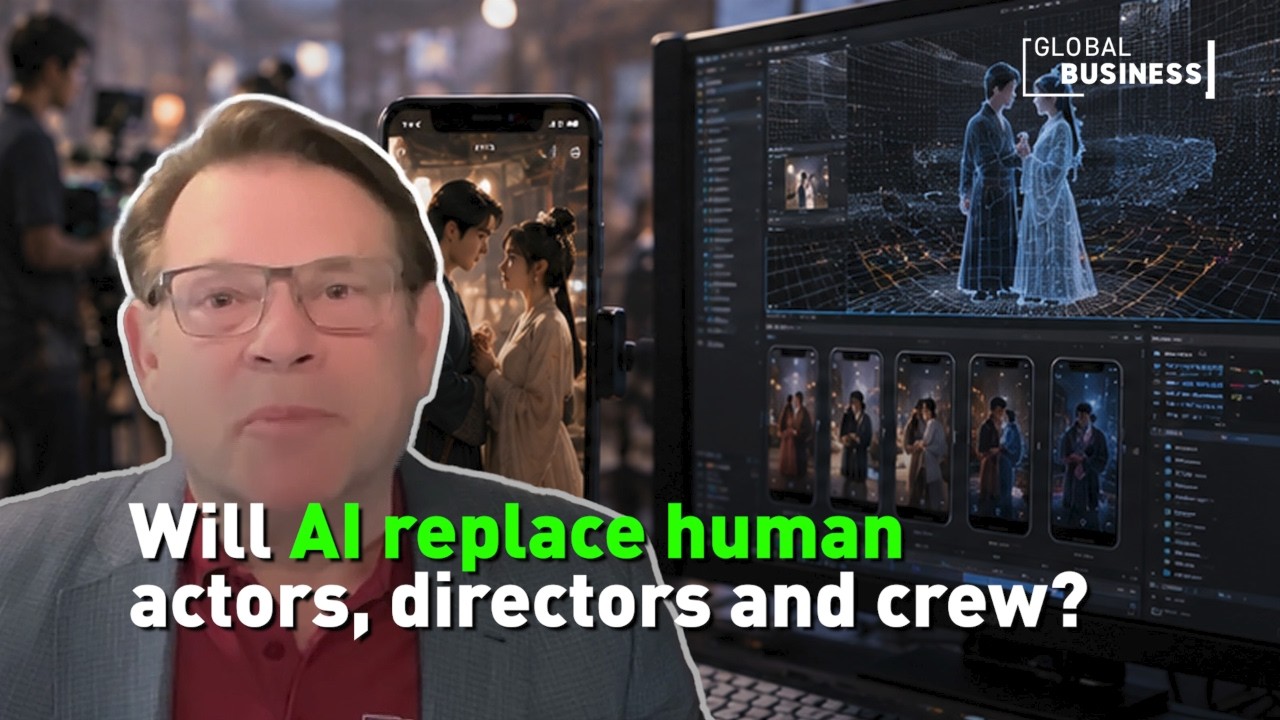
9. Kling Becomes Kuaishou’s Growth Engine (2026, Kuaishou)
What makes it stand out: Seedance gets the headlines, but Kuaishou’s Kling is the AI video business with the clearest public numbers.
Key data: Kling’s revenue in Q1 2026 was about 650 million yuan, up more than 300% year on year; Kuaishou raised its 2026 annualised revenue guidance for Kling from US$300 million to US$500 million; and Kling passed 100 million users worldwide by June, with close to 50,000 enterprise clients.
Why it matters: the money flowing to the tool makers shows who is capturing the value that used to go to crews and actors.
Kling is used across the short-drama pipeline, from script breakdowns and concept design to storyboards and finished shots. Fortune names it alongside ByteDance’s models as one of the tools Chinese studios are using to generate full dramas. Kling-made work also picked up one silver and two bronze awards at Cannes Lions 2026, which shows how quickly it has moved into commercial production too.
The investor story is just as telling. On 2 July 2026 Kling’s operating company signed a capital agreement aiming to raise up to US$3 billion, reportedly at an US$18 billion pre-money valuation, ahead of a planned 2027 listing.
Put those figures next to Junlin’s seven days of work in June and you get the whole argument about AI in entertainment in one comparison. The value hasn’t disappeared. It has moved.
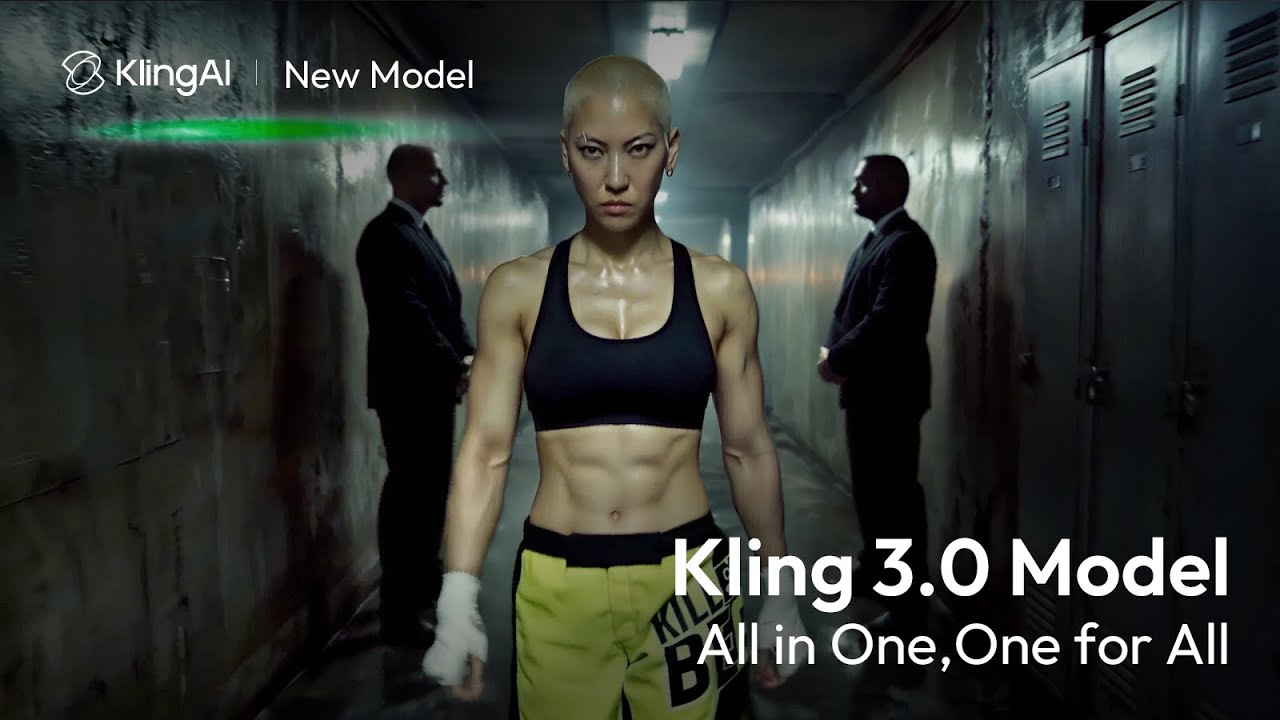
10. Hollywood Fights Seedance, Then Signs a Truce (February to August 2026, US)
What makes it stand out: the same model that emptied Hengdian triggered the biggest copyright clash yet between Hollywood and a Chinese AI company.
Key data: Disney sent ByteDance a cease-and-desist letter on 13 February 2026, the MPA followed with its own, Netflix, Warner Bros., Paramount and Sony sent letters too, and on 17 August 2026 the MPA and ByteDance signed a memorandum of understanding on copyright protections for Seedance and the Seedream image model.
Why it matters: Hollywood fought over its characters. Nobody in that fight was negotiating for the Chinese actors losing work to the same tool.
The February row was loud. The MPA had never before sent a formal cease-and-desist to a major generative AI company. SAG-AFTRA condemned the infringement, and on 16 March US Senators Marsha Blackburn and Peter Welch wrote to ByteDance’s chief executive demanding that Seedance be shut down. ByteDance responded within days by restricting features, including suspending references to real people, and its planned API launch was delayed.
The August agreement covers tools offered through TikTok, CapCut and Dreamina. But it’s voluntary, not a licence, and it doesn’t pay studios anything. Neither side has spelled out exactly what the safeguards involve. One legal analysis described it as a truce rather than a settlement, which seems right.
What stands out from the UK is how narrow the Western fight was. It was about Spider-Man and Darth Vader turning up in generated clips. It wasn’t about what happens to a whole production town when the same model makes its actors unnecessary.
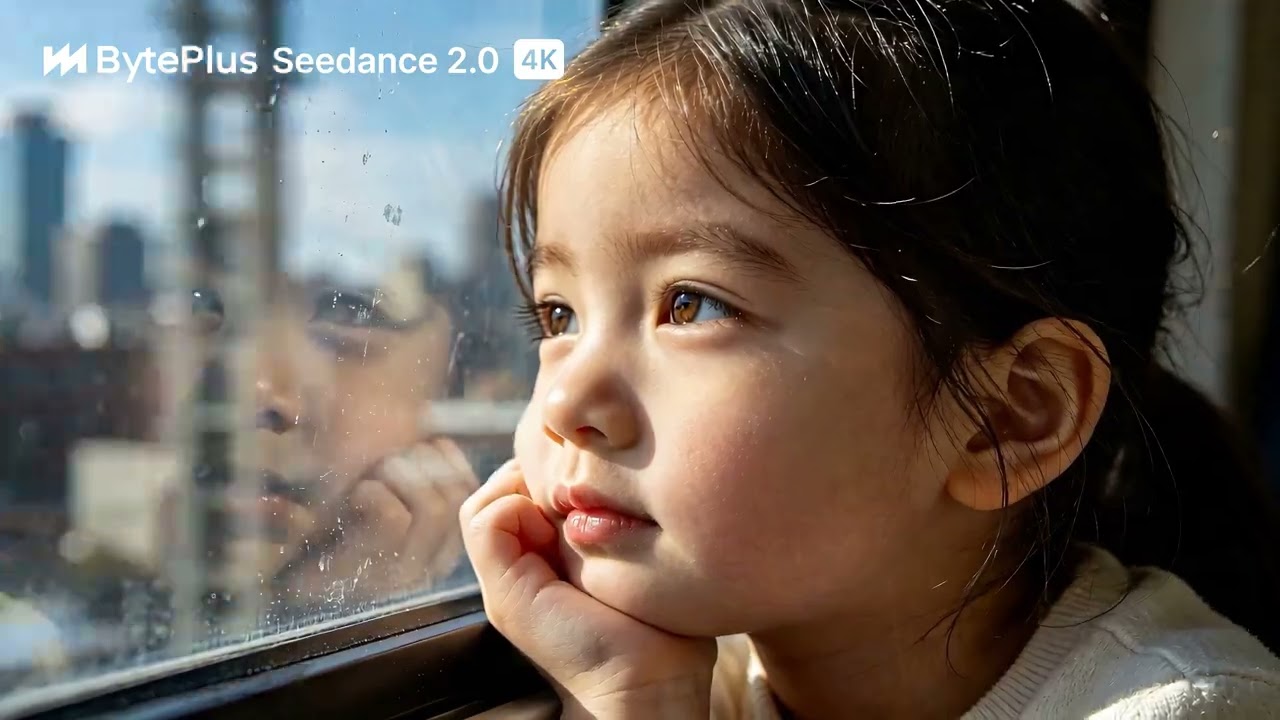
11. Hengdian Sells the Dream to Tourists (August to September 2026, Hengdian World Studios)
What makes it stand out: the studio that used to rent stages to producers now rents the experience of acting to visitors.
Key data: the South China Morning Post reported that Hengdian World Studios lets tourists film their own short drama for about 200 yuan (US$30), with one hour of acting from 218 yuan and a package with make-up and styling at 388 yuan; ECNS and CGTN gave slightly different prices.
Why it matters: it’s a neat, slightly sad picture of what happens to physical film infrastructure when production moves into software.
It’s a clever move, to be fair. Hengdian has always been part theme park, and plenty of visitors would happily pay to play a concubine or a Republican-era gangster in front of real sets. CGTN ran a feature on 9 September about tourists stepping “into the spotlight”.
But the pivot also tells you how the studio sees its own future. Selling short-drama shoots to tourists is a way to keep the sets earning while professional bookings are down. Tourists won’t support the costume makers, lighting crews and supporting actors in the way a steady stream of productions did.
12. TVB Brings AI Drama to Hong Kong (September 2025 Onwards, TVB)
What makes it stand out: a traditional broadcaster, not an app, is making AI drama part of its schedule.
Key data: TVB aired In My Heart, You Are One of a Kind, billed as Hong Kong’s first AI-generated short drama, in September 2025; it later signed a memorandum of understanding with ByteDance’s Volcano Engine to use Seedance 2.0 for short-drama production.
Why it matters: it’s the clearest sign that AI drama is moving from cheap phone apps towards mainstream broadcast television.
The first show was a campus romance, and one of its generated characters, Hugo, was picked by an advertiser for a TV commercial. TVB has released more AI titles since and says it will keep going in 2026. Fortune’s report this week singles out TVB’s use of AI-generated characters as one of the signs that the shift is spreading beyond mainland micro-dramas.
One detail from TVB is worth noting. The broadcaster’s Lu Silin said TVB deliberately hires professional voice actors to dub its AI dramas, to show viewers commitment and sincerity. So even in a fully generated production, the company decided a human voice still mattered. That’s a small win for performers, and it may be a preview of where the line ends up: generated images, human voices, at least for now.

13. The Format Is Already Big in Britain (2025 to 2026, UK and US)
What makes it stand out: UK viewers are not watching this from a distance. Britain is Europe’s biggest micro-drama audience.
Key data: Omdia says the UK had 8.2 million monthly active micro-drama users in 2025, ahead of Germany’s 4.4 million, and estimates global micro-drama revenue at US$11 billion in 2025, rising to US$14 billion by the end of 2026.
Why it matters: if AI production works for the Chinese market, the apps already serving British viewers have every reason to copy it.
The Western micro-drama business is still mostly live action, but it’s heading the same way. Fox Entertainment took a stake in Holywater in October 2025 and committed to making more than 200 vertical titles for its My Drama app over two years. Holywater raised US$22 million in January 2026, and in 2025 it launched My Muse, a platform for series made with generative AI. Omdia’s US data shows how sticky the format is: ReelShort users spent 35.7 minutes a day in the app in Q4 2025, more than Netflix’s 24.8 minutes on mobile, although Netflix still has far more users.
For British actors, the question is whether the UK can avoid a Hengdian of its own. Equity’s indicative ballot found more than 99% of members prepared to refuse digital scanning on set. Talks with producers’ body Pact were still going on after Pact made an improved offer in January 2026, and in August Equity threatened to help members file subject access requests en masse against companies using their likenesses without permission.
None of that applies to an app buying cheap AI series made elsewhere. That’s the gap. We’ve looked at how the wider deal-making is shaping up in Hollywood’s new AI deal-making boom, and at the festival circuit rewarding AI films in our Astana AI Film Festival winners guide.
What Hengdian Tells the Rest of Us
It’s tempting to file this under “China does things differently”. That would be a mistake. Micro-dramas were the most price-sensitive, formula-driven corner of screen production anywhere, which made them the obvious first place for AI to take over. They won’t be the last. The Western versions of the same apps are already investing in AI pipelines, and UK viewers are already watching in their millions.
Two things are clear from the Chinese experience. The first is that cheap production doesn’t automatically mean good business: thousands of shows are losing money, and hits are rarer than ever. The second is that once the jobs go, they don’t come back easily, even with a regulator publicly backing live action. Hengdian is selling acting sessions to tourists. British actors and crews would be right to see that as a warning, and right to keep pushing for consent and pay rules before the same tools reach their own sets.
Sources: Fortune: Will AI kill the Asian entertainment industry, or reinvent it?; CNN: Quiet on set. How AI transformed China’s microdrama scene; Caixin Global: How AI took over China’s micro-drama industry in 90 days; CGTN: AI-made micro-dramas exceed 90%, China steps up oversight; Rest of World: China’s AI microdramas and face licensing; Advanced Television: UK emerges as Europe’s leading microdrama market (Omdia).
Frequently Asked Questions
What percentage of Chinese micro-dramas are made with AI?
More than 90% of the 430,000 micro-dramas released in China from January to August 2026 were made with AI, according to the National Radio and Television Administration. Caixin put the share above 95% for the first quarter of 2026.
Why are Hengdian’s film studios empty?
Hengdian’s stages emptied because micro-drama producers switched from live-action shoots to AI-generated shows after ByteDance launched Seedance 2.0 in February 2026. A Chinese report carried by 36Kr put stage vacancy close to 80% in April 2026.
What is Seedance 2.0?
Seedance 2.0 is ByteDance’s AI video generation model, launched in February 2026 through its Jimeng and Jianying apps and marketed through Dreamina. It became the main tool behind China’s shift to AI-made short dramas.
How much does it cost to make an AI micro-drama in China?
Caixin reported that AI tools cut the cost of a short drama to under 20,000 yuan, roughly 2,100 pounds. Fortune reports some studios generate 100-minute short dramas for less than 3,000 US dollars.
How many micro-dramas were released in China in 2026?
China released 430,000 micro-dramas between January and August 2026, which is 13 times the total for all of 2025, according to the NRTA figures reported by CGTN on 17 September 2026.
How big is China’s micro-drama market?
China’s micro-drama market passed 100 billion yuan, about 14.9 billion US dollars, in 2025, roughly double the 50.4 billion yuan recorded in 2024.
Can you visit Hengdian and film your own short drama?
Yes. Hengdian World Studios lets tourists film their own short drama, from about 200 yuan per person according to the South China Morning Post, with a make-up and styling package at 388 yuan.
How much are Chinese actors paid to license their faces to AI?
Rest of World found platforms paying between 15 and 700 US dollars for a person’s likeness, and actress Dai Zongqi was offered 500 yuan for a one-year licence to use her face in AI short dramas.
Did Hollywood take legal action over Seedance 2.0?
Disney sent ByteDance a cease-and-desist letter on 13 February 2026 and the MPA sent its own, but no lawsuit has been reported. The MPA and ByteDance signed a voluntary copyright memorandum of understanding on 17 August 2026.
How many people watch micro-dramas in the UK?
The UK had 8.2 million monthly active micro-drama users in 2025, according to Omdia, making it Europe’s leading micro-drama market ahead of Germany on 4.4 million.
📸 Follow us on Instagram for daily film, TV & gaming news: @filmoriauk

Chris Whitmore
Sub-Editor of Filmoria. Dwayne Johnson's No.1 fan. Arthouse celebrator. Romancer of all things Michael Haneke & Woody Allen. Irrevocably in love with Felicity Jones. She'll be my wife one day; you'll see...