
Astana AI Film Festival Winners: 12 Things to Know About The First Honest Day’s $450,000 Grand Prix
AI & Future of Film 4th October 2026 Oliver Laurent
By the Filmoria News Desk
Latvian filmmaker Nikolay Shestak won the $450,000 Grand Prix at the first Astana AI Film Festival on 3 October 2026 for The First Honest Day, beating 8,066 other entries from 125 countries. India’s SITARA took second place and $200,000, and Spain’s Looking For Perseida came third with $100,000. None of the winning films has a UK cinema or streaming release, though Best Concept winner Pomegranate is free to watch on YouTube in Britain.
Quick Facts
- Event: Astana AI Film Festival (AAIFF) 2026, the first edition
- Dates: 1 to 3 October 2026, Astana, Kazakhstan; winners named on 3 October
- Grand Prix ($450,000): The First Honest Day, Nikolay Shestak (Latvia)
- Second ($200,000): SITARA, Abhik Banerjee (India)
- Third ($100,000): Looking For Perseida, Ernest Desumbila (Spain)
- Entries: 8,067 films from 125 countries; 25 finalists
- Total fund: $2 million, half prizes and half investment capital
In the UK
- UK release: none of the eight prize-winning films has a UK cinema, streaming or TV release announced. Not yet confirmed for the UK.
- Where to watch: Zack London’s Pomegranate is on YouTube, free, and plays in the UK. The other winners had not been published for UK viewers at the time of writing.
- BBFC rating: none of the winning films has been classified by the BBFC.
- British entries: the UK sent 324 films, sixth highest of any country. No British filmmaker appears among the announced winners.
- Coming next: London’s AI anthology feature Gods Don’t Give Gifts opens in US cinemas on 30 October 2026. A UK date is not yet confirmed.
This is a list of the twelve things worth knowing about the Astana AI Film Festival winners, from the $450,000 Grand Prix down to the films that went home with nothing.
The first eight items are the prize-winners, ordered by the size of their cheque and then by category. The last four cover the jury, the president’s opening speech, the investment money and what the results tell British filmmakers. Figures come from the festival, the Kazakh presidency and Kazakh and international press reporting from 2 to 4 October 2026.
| Film | Filmmaker | Country | Award | Prize |
|---|---|---|---|---|
| The First Honest Day | Nikolay Shestak | Latvia | Grand Prix, thematic competition | $450,000 |
| SITARA | Abhik Banerjee | India | Second place, thematic competition | $200,000 |
| Looking For Perseida | Ernest Desumbila | Spain | Third place, thematic competition | $100,000 |
| It Was Just a Joke | Myrzakhan Zhumakhan | Kazakhstan | Best Character | $50,000 |
| The Last Span | 2xLabs | Not disclosed | Best Story | $50,000 |
| What’s the Job? | Jacopo Zanetti | Italy (Milan-based) | Best Visual | $50,000 |
| The Fracture | Jacopo Reale | Not disclosed | Best Direction | $50,000 |
| Pomegranate | Zachary London | Not disclosed | Best Concept | $50,000 |
Category prize amounts are the $50,000 per award set out in the festival’s published prize structure.
1. The First Honest Day (2026, Latvia), Grand Prix
What makes it stand out: it’s the first film ever to win the biggest cash prize on offer anywhere for an AI-made short.
Key data: directed by Nikolay Shestak of Latvia; Grand Prix of the thematic competition “The Future Worth Living In”; $450,000; chosen from 10 thematic finalists and 3,138 thematic entries.
Why it matters: a $450,000 cheque for a short of ten minutes or less is more than many British features get in development money, and it went to a moral fable rather than a tech demo.
The premise is simple enough to fit on a postcard. In Shestak’s film, what you do shows on your face. Bad deeds make a person ugly. Good ones make them better looking. That’s it, and it’s a smart choice for a medium that is very good at transforming faces and quite bad at almost everything else.
Shestak is a former actor. He started directing around four years ago and has been making AI-assisted films for about two, which makes him a fairly typical figure in this scene: someone who came from conventional screen work, hit a wall on cost or access, and found a tool that let him keep going. He told Kazakh reporters he hadn’t expected to win, given how many films were in the running and how different they were from each other. He also said he puts something personal into every film, his own thoughts and ideas, and that the money will go straight into making more of them.
The theme matters here. “The Future Worth Living In” was an optimism brief, and a lot of generative video defaults to dystopia: grey cities, drones, wrecked coastlines. A film about honesty literally reshaping people is a neat way of meeting the brief without a single solar panel on screen. Whether it holds up as filmmaking is something British audiences can’t judge yet. It hasn’t been published here, and nobody has announced a UK screening.
2. SITARA (2026, India), Second Place
What makes it stand out: an AI film about a very human problem, the ordinary worker who never gets noticed.
Key data: directed by Abhik Banerjee of India; second place in the thematic competition; $200,000; India submitted around 700 films, the third-highest total.
Why it matters: it confirms India as one of the real centres of AI filmmaking, not just a big source of entries.
Banerjee’s film follows an office employee with almost no personal life who wants recognition and a chance to live up to his potential, despite circumstances that keep pushing him down. It’s the kind of story Indian cinema has told for decades with stars attached. Here, the star is generated.
That India took second place won’t surprise anyone who has watched the numbers. The country sent roughly 700 films, behind only the United States and the host nation, and its film industry has been far quicker than Hollywood to fold generative tools into real productions. Netflix named the Indian series Glory as one of the titles where it used generative AI this year. For a filmmaker in India, where conventional film finance is fiercely competitive and often tied to stars, a $200,000 prize is serious production money.
The more interesting point is the subject. The AI films that keep winning prizes this year are not about robots or apocalypses. They’re about loneliness, work and being overlooked. That’s a sign the people using these tools are writing from their own lives, which is roughly what the festival’s backers hoped would happen.
3. Looking For Perseida (2026, Spain), Third Place
What makes it stand out: it was made in ten days, and its villains are dolphins.
Key data: directed by Barcelona-based Ernest Desumbila; third place in the thematic competition; $100,000; produced in about ten days after Desumbila heard about the festival from his wife.
Why it matters: a $100,000 film made in under a fortnight is the clearest example yet of how far generative tools have collapsed production time.
Desumbila’s hero is Silas, a cowboy-like robot with a human soul, crossing a dystopian desert to find his lost love, Perseida. The antagonists are dolphins. Make of that what you will. It sounds like the kind of idea that would die in a pitch meeting and thrive on a laptop, which is the whole argument for this medium in one sentence.
The production story is the bit that will get quoted. Desumbila only found out about the competition when his wife told him, with roughly ten days to go. He says he locked himself in at home and made the film in that window. Ten days. A live-action short of comparable scale would need weeks of prep before anyone turned a camera on.
There’s a less romantic reading, too. If a third-placed film can be made in ten days by one person, the tools are now cheap and quick enough that the bottleneck has moved entirely to ideas and taste. That’s good news for writers with odd imaginations. It’s worse news for the crews, from concept artists to VFX compositors, whose paid work used to sit between the idea and the finished image. Both things are true at once.
4. It Was Just a Joke (2026, Kazakhstan), Best Character
What makes it stand out: the only home-grown winner, and a comedy, the genre AI tools find hardest.
Key data: directed by Myrzakhan Zhumakhan of Kazakhstan; Best Character in the open competition; $50,000; Kazakhstan sent 829 films, second only to the US.
Why it matters: Best Character was the award most likely to go unclaimed, because consistent faces are the thing AI video still gets wrong most often.
Zhumakhan’s film starts with a simple joke that slowly grows into a serious conflict. It’s a comic premise with a dark turn, and it needs a lead whose face, voice and manner hold steady from scene to scene. That’s still the weak spot of generative video. Characters drift. A jaw changes shape between cuts, a jacket swaps colour. Winning a character prize in this medium means fighting the tools shot by shot.
For the hosts, this was the result they needed. Kazakhstan put real money and a presidential appearance behind the festival, and the country entered 829 films. Leaving with nothing would have looked awkward. Several Kazakh outlets put the home win in their headlines the morning after the ceremony, and you can see why.
It’s also a useful reminder that comedy might be where AI film gets interesting. Most entries chase epic visuals because that’s what the tools do well. Timing is much harder. If a comedy can win, the field is maturing faster than its critics assume.
5. The Last Span (2026, 2xLabs), Best Story
What makes it stand out: a studio, not a single person, took the writing prize.
Key data: made by 2xLabs; Best Story in the open competition; $50,000; the open competition drew 4,929 entries across 19 genres.
Why it matters: story is the craft AI films are most often attacked for lacking, so this is the award sceptics should look at first.
Not much has been published about The Last Span beyond the credit and the award, and we’re not going to guess at its plot. What’s notable is the name on it. 2xLabs is a team label rather than an individual filmmaker, and that reflects how a lot of serious AI production now works: small studios of three or four people splitting writing, image generation, editing and sound between them.
That matters for the wider argument. When people say “AI films”, they often picture one person typing prompts. The winners list says something different. Small teams are doing the work, and the jury chose to reward the part of the job that no model can do on its own: deciding what happens, to whom, and why anyone should care.
Best Story was the prize that tested the festival’s credibility most. Generative video is brilliant at eight-second fragments and poor at second acts. A competition that couldn’t find a decent story in nearly 5,000 open entries would have been an embarrassment. It found one.
6. What’s the Job? (2026, Italy), Best Visual
What makes it stand out: it won the visual prize with an office, not a spaceship.
Key data: directed by Jacopo Zanetti, who lives and works in Milan; Best Visual in the open competition; $50,000; Zanetti works on visual projects for the Italian startup UVI.
Why it matters: Best Visual was the most crowded category, so beating thousands of glossy sci-fi entries with a familiar workplace setting is a statement about taste.
Zanetti’s film is about personal choices and the importance of following your own path, set against an ordinary office. That’s a brave setting for a visual award. The default AI showreel is neon cities and alien skies, and judges at these events see hundreds of them. An office is the opposite: fluorescent light, grey carpet, the stuff everybody recognises and nobody looks at twice. Making that look striking is harder than making a nebula look striking.
Zanetti also fits a pattern among the winners. He does commercial visual work for a startup and makes films for himself, for competitions and for clients on the side. That’s the working life of many AI filmmakers right now. The art and the day job use the same tools, and prizes like this are one of the few ways the personal work gets paid.
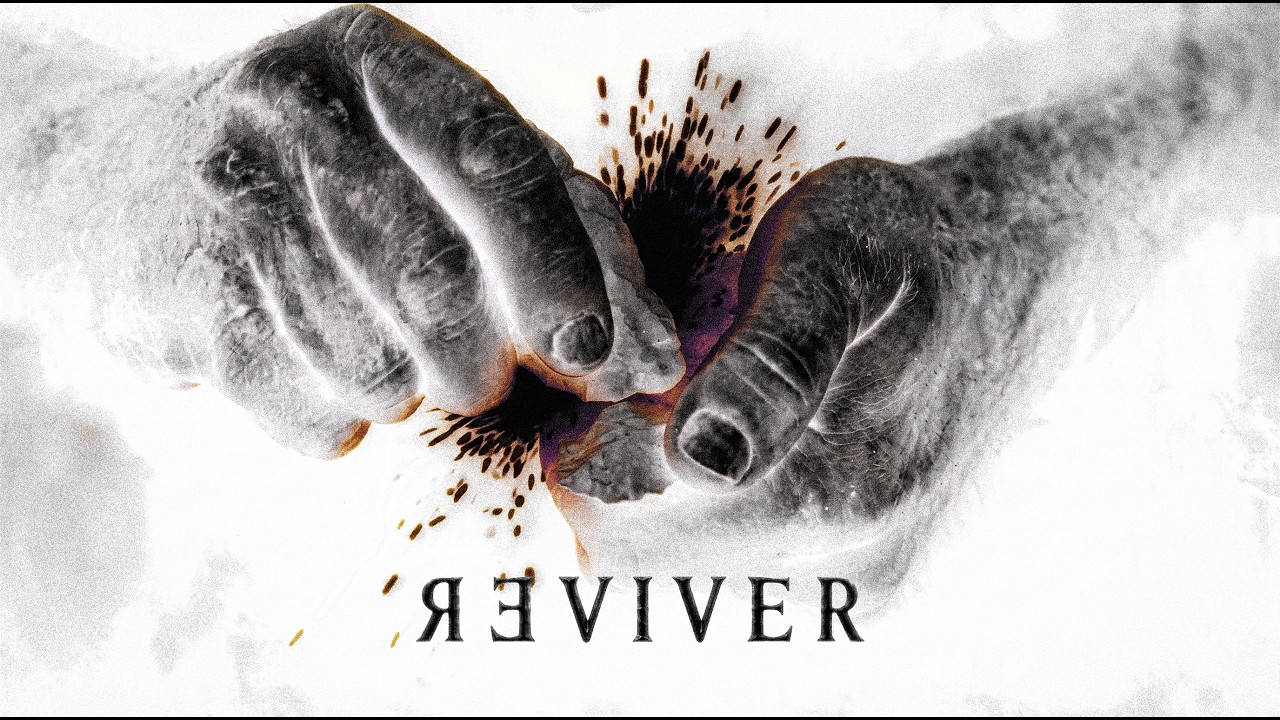
7. The Fracture (2026, Jacopo Reale), Best Direction
What makes it stand out: it won the award that most directly answers the question “is anyone actually directing these films?”
Key data: directed by Jacopo Reale; Best Direction in the open competition; $50,000.
Why it matters: direction in AI film usually means choosing between hundreds of generated takes, and the prize recognises that as a real craft.
As with The Last Span, the plot of The Fracture hasn’t been widely reported, so we’ll stick to what’s known: Reale’s film won the direction prize, and that prize says something about how the jury sees the job.
On a live-action set, a director works with actors, a cinematographer and a crew. In AI production, the director is often closer to an editor with unlimited footage. They write the shot, generate dozens of versions, throw most away, and assemble the rest into something with rhythm and intent. Critics of the form say that isn’t directing. The festival’s answer, with $50,000 attached, is that it is, and that some people do it far better than others.
Two of the five open-competition prizes went to filmmakers called Jacopo, which is a fun coincidence and nothing more. Zanetti is Milan-based; the festival didn’t publish Reale’s country in the results we’ve seen, so we’ve left it out.
8. Pomegranate (2026, Zachary London), Best Concept
What makes it stand out: it’s the one winning film you can watch tonight, and its maker has a feature opening in American cinemas this month.
Key data: made by Zachary “Zack” London, who works as Gossip Goblin; Best Concept in the open competition; $50,000; the version on YouTube runs close to half an hour; his anthology feature Gods Don’t Give Gifts opens in US cinemas on 30 October 2026.
Why it matters: London is the bridge between online AI film and real cinema screens, and an Astana prize three weeks before his US release is very good timing.
Pomegranate follows a jaded aristocrat who, after centuries of simulated wars, wives and wonders, visits his local “dreamspool” dealer looking for something that still excites him. It’s a sharp concept, a world where people can upgrade and simulate anything and have run out of things to want, and it’s easy to see why a Best Concept jury went for it.
London is probably the best-known name among the winners. He came to AI film from sculpture, anthropology and product design, including work at Oculus, and has built a large YouTube following under the Gossip Goblin name. The Hollywood Reporter has called him “the George Lucas of AI filmmaking”, a label he’ll be living with for a while. His workflow is public: characters and sets built in Midjourney, refined in Google’s Nano Banana, then animated shot by shot from a first frame rather than with multi-reference video tools.
One detail is worth flagging. The YouTube cut of Pomegranate is close to half an hour, while AAIFF capped entries at ten minutes. Either a shorter version was entered or the open competition allowed it; the festival hasn’t said which, and we’d rather point it out than guess.
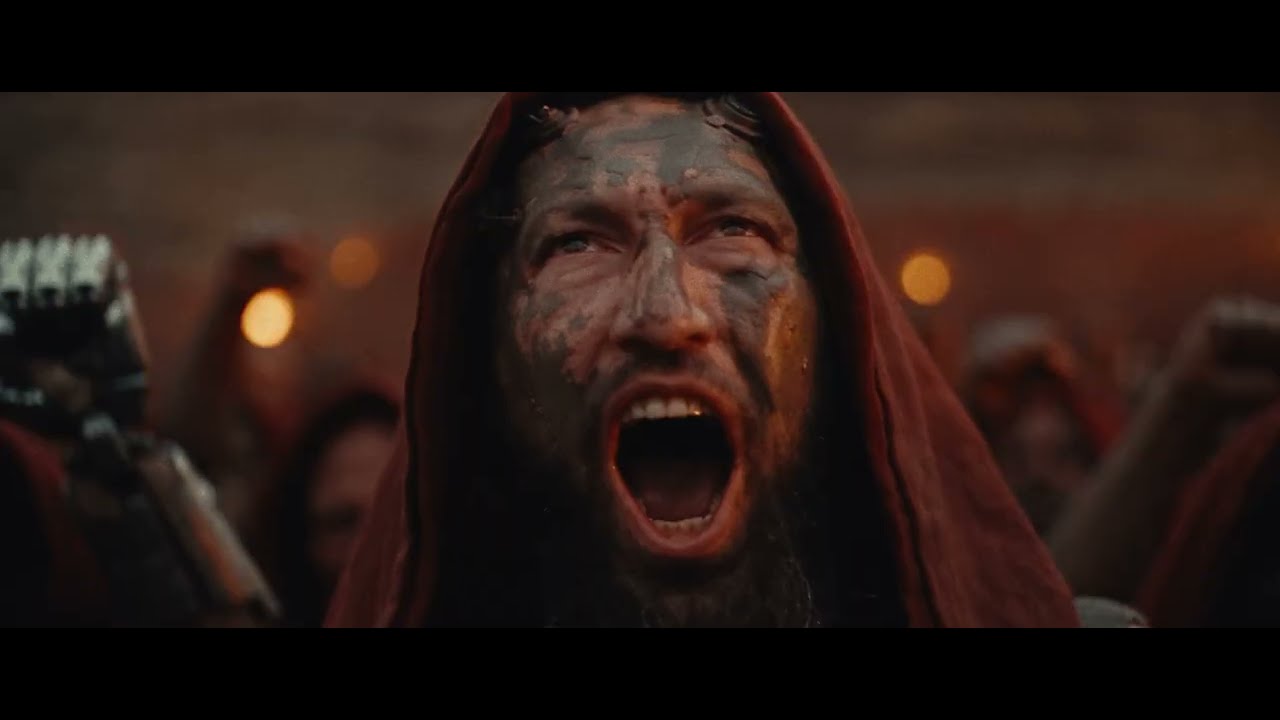
9. REVIVER and the Finalists Who Went Home Empty-Handed
What makes it stand out: the best-known studio in the shortlist, The Dor Brothers, didn’t win.
Key data: 10 thematic finalists, including REVIVER by The Dor Brothers, The Choice by Tarek Abdelhakim, WTF by Richard Kassai and Project “A” by Anna Frolova; 15 open-competition finalists; 25 in total from 8,067 entries.
Why it matters: a festival that handed its top prize to the most famous name would have looked like a marketing exercise. This one didn’t.
The Dor Brothers are a Berlin-based AI video studio, and they’re probably the most widely shared name in the form. Their viral pieces get passed around Hollywood as proof that AI is coming for the industry. REVIVER made the ten-film thematic shortlist. It didn’t place.
That’s healthy. Festivals get credibility by surprising people, and a jury that passed over the famous studio in favour of a former actor from Latvia, an Indian filmmaker and a Spaniard who made his film in ten days was clearly judging the films rather than the follower counts.
Getting to the final at all was brutal. Around 150 of the 8,067 entries reached senior review, under two per cent, and 25 made the final. For almost everyone who entered, AAIFF was a deadline and a reason to finish something. That’s what open competitions have always been, AI or not.
10. The Jury: UNESCO, China Film Group and a Silicon Valley Investor
What makes it stand out: not a single working Hollywood or European film director sat on it.
Key data: former UNESCO director-general and ex-French culture minister Audrey Azoulay; Ma Ping, dean of the China Film Group AI research institute; Wang Hao, deputy dean of animation at the Beijing Film Academy; investor Balaji Srinivasan; and Li Long.
Why it matters: the jury tells you where the money and institutional interest in AI cinema currently sit, and it isn’t Los Angeles.
Two of the five jurors come from China’s film establishment. That fits a bigger picture. China Film Group runs a dedicated AI research institute, and on 23 October Chinese cinemas will open Sanxingdui: Future Past, a 100-minute science-fiction animation from Bona Film Group described as the country’s first theatrical film made with AI throughout production. China is building an AI film pipeline in public while Hollywood argues about it.
Azoulay brings a cultural-policy name, and her presence lends the event a respectability AI festivals have mostly lacked. Srinivasan, the former Coinbase chief technology officer, is also funding the festival’s $1 million investment pot through his Network School, which means one juror has a direct interest in which teams are worth backing. Nobody has suggested that affected the awards. It’s still worth knowing.
The absence matters as much as the names. Runway’s AI Film Festival in New York and Los Angeles has used Hollywood figures such as Roger Avary and Jane Rosenthal as jurors. Astana didn’t. That will make it easier for the Western industry to ignore. It probably shouldn’t.
11. Tokayev’s Speech: “Small Creative Teams Can Put Up a Serious Competition”
What makes it stand out: a head of state opened an AI film festival and made the anti-gatekeeper argument out loud.
Key data: President Kassym-Jomart Tokayev attended the opening ceremony on 2 October 2026; he called the event “a competition of sharp minds and bold initiatives”.
Why it matters: it’s the clearest statement yet of why governments outside the US are betting on AI film: it lets their filmmakers skip Hollywood’s gatekeepers.
The key line, from the presidency’s own account, was this: “Today, even small creative teams can put up a serious competition to major studios. To produce films, creative people and film crews no longer need to knock on the doors of production companies or look for sponsors.” Entering the market, he said, “has become considerably easier”.
That’s the pitch in its purest form, and it’s not entirely wrong. Shestak, Desumbila and Zhumakhan made films that would have needed studios and sponsors ten years ago. But it skips the part that unions in Britain and America keep raising: the models behind these films were trained on the work of artists, actors and crews who were neither asked nor paid.
Tokayev didn’t dodge the risks completely. He acknowledged that “many politicians, scientists, and tech leaders have raised concerns about the growing power of AI and the risks of its uncontrolled use,” and then added that “this tendency or way of things is irreversible.” Inevitability is a comfortable position for a government funding the festival. For performers who are watching their voices and faces turn up in training data, it reads very differently.

12. The $1 Million Investment Fund, and What It Means for British Filmmakers
What makes it stand out: half the money isn’t prize money at all, it’s capital meant to turn winning teams into working studios.
Key data: $2 million total fund; $1 million in prizes; $1 million in investment for promising AI teams and AI film production in Kazakhstan; UK entries 324, sixth in the world.
Why it matters: the festival is effectively a recruitment drive for a national AI film industry, and British talent was part of the pool it fished in.
The prize half is now spent: $750,000 across the three thematic places and $250,000 across the five open categories. The other $1 million is meant to back promising AI teams and build production capacity in Kazakhstan itself. Who gets it, and on what terms, hasn’t been announced. That’s the number to watch. A prize is a one-off. An investment pot with strings attached to Kazakhstan is industrial policy.
For Britain, the picture is awkward. The UK entered 324 films, more than Japan, Brazil or France, and won nothing. There’s no BFI fund for this kind of work, no Film4 strand, and the government dropped its planned copyright opt-out for AI training in March after pressure from Equity and Bectu, without settling what replaces it. Meanwhile the Academy ruled in May that AI-generated performances and screenplays can’t be nominated for Oscars.
So British AI filmmakers are entering foreign competitions, for foreign money, while their own industry works out its rules. Some will see that as a lost opportunity. Others, especially the actors and crews whose work trained these models, will see the lack of a UK equivalent as a line worth holding. We covered how that fight is playing out for performers in AI Actors: What’s Actually Happening, and the run-up to this festival in our guide to Astana 2026.
What Astana’s Results Actually Tell Us
Strip away the money and the presidential speeches, and the winners list is more modest and more interesting than the headlines suggest. The jury rewarded small stories: a man whose face shows his honesty, an overlooked clerk, a robot looking for love, a joke that goes wrong, a man stuck in an office. Not one of the top three is a spectacle film. The famous studio lost. A comedy won a craft prize.
That won’t settle the bigger argument. The training-data question is still open, and so are the questions about jobs and consent. But anyone still claiming AI films are all empty visuals with no story will find this list awkward. The next test is the one every festival faces: whether any of these films reaches an audience outside the people who make them. Gods Don’t Give Gifts on 30 October will be the first real check on that.
Sources: Astana AI Film Festival (official site); Akorda, the Kazakh presidency: Tokayev attends opening ceremony; Qazinform: Astana AI Film Festival crowns winners; Kazakhstanskaya Pravda: festival results; The Astana Times: Tokayev on AI and the creative industries; TechNode: Sanxingdui: Future Past sets 23 October release.
Frequently Asked Questions
Who won the Astana AI Film Festival 2026?
Latvian filmmaker Nikolay Shestak won the Grand Prix for The First Honest Day, announced on 3 October 2026. The award came with 450,000 US dollars, the largest single prize at the festival.
How much did the Astana AI Film Festival Grand Prix pay?
The Grand Prix paid 450,000 US dollars. Second place received 200,000 dollars, third place 100,000 dollars, and each of the five open-competition category awards carried 50,000 dollars.
What is The First Honest Day about?
The First Honest Day is about how actions shape a person: in the film, bad deeds make people ugly and good deeds make them better. It was directed by former actor Nikolay Shestak.
Which films came second and third at AAIFF 2026?
SITARA by Abhik Banerjee of India came second and won 200,000 dollars. Looking For Perseida by Barcelona-based Ernest Desumbila came third and won 100,000 dollars.
Did a Kazakh filmmaker win at the Astana AI Film Festival?
Yes. Myrzakhan Zhumakhan of Kazakhstan won Best Character for It Was Just a Joke, a comedy about a simple joke that turns into a serious conflict.
Who was on the Astana AI Film Festival jury?
The jury included former UNESCO director-general Audrey Azoulay, Ma Ping of the China Film Group AI research institute, Wang Hao of the Beijing Film Academy, investor Balaji Srinivasan and Li Long.
Can I watch the Astana AI Film Festival winners in the UK?
Only one winner is easy to watch in the UK so far: Zack London’s Pomegranate, which is free on YouTube. None of the winning films has a UK cinema, TV or streaming release announced.
Did any British films win at the Astana AI Film Festival?
No British filmmaker appears among the announced winners. The UK entered 324 films, the sixth-highest total of the 125 countries that took part.
What is Gods Don’t Give Gifts and when is it released?
Gods Don’t Give Gifts is an AI-made anthology feature from Zack London, the Gossip Goblin creator who won Best Concept at Astana for Pomegranate. It opens in US cinemas on 30 October 2026, and a UK release is not yet confirmed.
What happens to the other 1 million dollars from the Astana AI Film Festival fund?
The second 1 million dollars is investment capital rather than prize money, earmarked for promising AI teams and AI film production in Kazakhstan. Which teams receive it has not yet been announced.
📸 Follow us on Instagram for daily film, TV & gaming news: @filmoriauk

Oliver Laurent
Writes about mainstream releases and the business behind them for Filmoria — box office, studio strategy and the long tail of franchise filmmaking.