
Below Review: 10 Things That Decide Netflix’s Josh Hartnett Sea-Creature Thriller
OTT Reviews 16th October 2026 Kevin Bennett
Filmoria Review
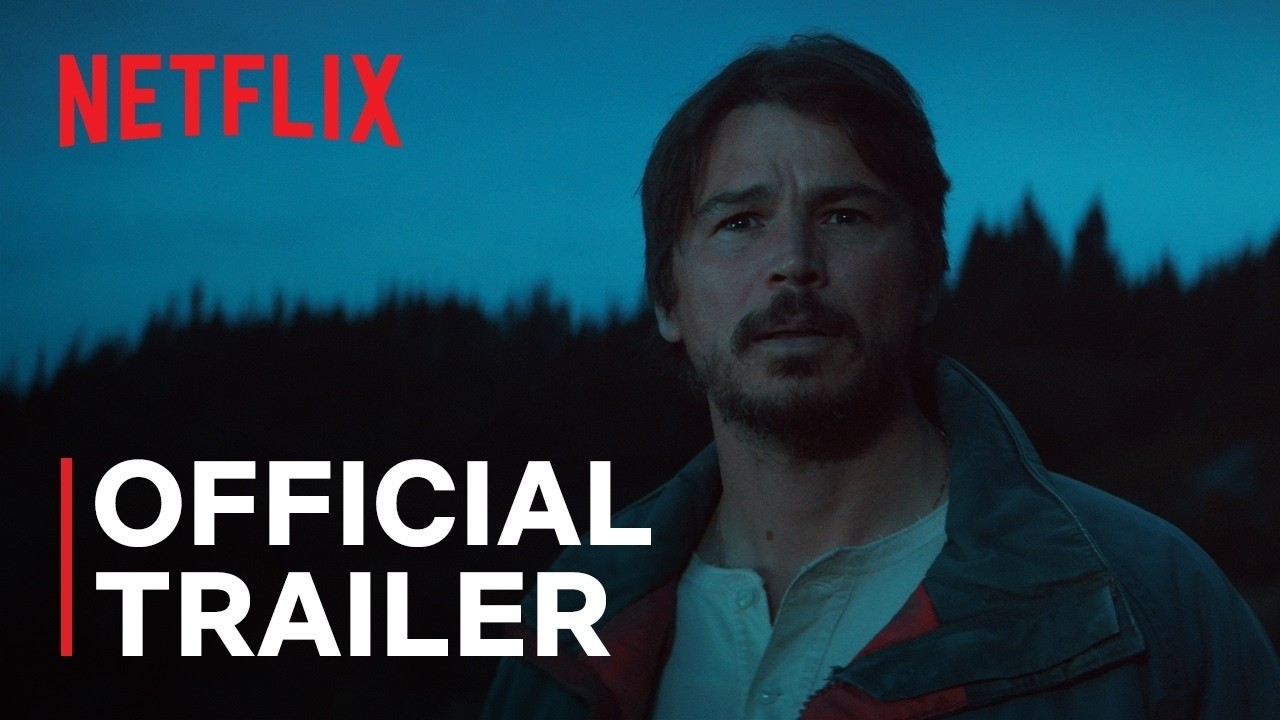
Below (2026). Key art © Netflix, via the official trailer.
Below is a six-episode Netflix limited series, created by Jesse McKeown and starring Josh Hartnett as a Newfoundland fisherman fighting a giant sea creature, and it has been streaming on Netflix UK since Thursday 8 October 2026. Filmoria’s verdict is 3.5 out of 5: a moody, well-acted creature feature with real grief underneath it, let down by a wobbly accent and a back half that loses its grip. It runs to roughly four hours in total, so it’s a one-evening or one-weekend watch.
Filmoria Verdict
★★★½ 3.5 / 5
Filmoria’s verdict: Below is the rare Netflix monster show that cares more about the town than the monster, and that’s both why it works and why it occasionally frustrates.
TL;DR
Hartnett is very good in the bits that don’t need him to talk much, the Newfoundland locations do half the storytelling, and the first four episodes build real dread. Episodes five and six try to land a climate parable, a family drama and a creature finale all at once, and they don’t quite manage all three. Still worth your evening.
Quick Facts
- Creator and showrunner: Jesse McKeown (The Umbrella Academy, 19-2)
- Directors: Jamie Childs, Helen Shaver, Stephen Dunn
- Cast: Josh Hartnett, Mackenzie Davis, Charlie Heaton, Ruby Stokes, Rohan Campbell, Willow Kean, Natasha Henstridge, Mary Walsh
- Episodes: 6, all released at once (roughly four hours in total)
- Platform: Netflix (Netflix original)
- Release date: Thursday 8 October 2026
- Filmoria rating: 3.5/5
In the UK
- UK release date: Thursday 8 October 2026, all six episodes at once.
- Where to watch: Netflix UK only. It’s a Netflix original and isn’t on any other UK service.
- Price: Included with every Netflix UK plan, with no extra rental fee.
- Age rating: A BBFC certificate is not yet confirmed for the UK; Netflix shows its own age guidance on the title page.
This is a ranked list of the ten things that decide whether Netflix’s Below is worth your time, from the story and the performances to the craft, the pacing across six episodes, the obvious comparisons and our final verdict.
The items are ordered the way a viewer meets the show: what it is, who’s in it, how it’s made, how it holds up across the run, and who should watch it. Each one carries its own rating, and the overall score of 3.5/5 reflects both our own take and the broad critical response, which sits in the low 80s on Rotten Tomatoes and at 69 on Metacritic.
| # | Aspect | Rating | Verdict |
|---|---|---|---|
| 1 | Story and setup | 4/5 | A Jaws hook with a dying town underneath it |
| 2 | Josh Hartnett as Calvin Penney | 4/5 | Physical, weathered, quietly devastating |
| 3 | The Newfoundland accent | 2/5 | Close, not quite, and a real distraction for locals |
| 4 | Supporting cast | 3.5/5 | Davis and Kean shine; the Penney kids are thinly written |
| 5 | Place and resettlement history | 4.5/5 | The show’s best idea, and its sharpest edge |
| 6 | The creature | 3.5/5 | Smart restraint that some viewers will call stinginess |
| 7 | Direction and craft | 4/5 | Looks far more expensive than a mid-budget genre show |
| 8 | Pacing across six episodes | 3/5 | Peaks at episode four, sags in the final two |
| 9 | Comparisons | 3.5/5 | Less fun than Widow’s Bay, more heart than most creature features |
| 10 | Final verdict | 3.5/5 | A strong one-evening binge with a few soggy patches |
1. The Story and Setup (2026, Netflix, Six Episodes)
What makes it stand out: It takes the oldest monster-movie template there is and drops it into a town that’s already halfway to dying. Key data: Set in the fictional Newfoundland outport of Snook’s Arm; Netflix’s logline casts Josh Hartnett as a hard-bitten fisherman who has to protect his family, his community and his vanishing way of life from a mysterious sea creature. Why it matters: The setup is the reason Below feels like something more than a streaming B-movie.
You know the shape of this before the opening titles finish. Something is in the water. People start going missing. The officials would rather everyone kept calm. Spielberg built that machine in 1975 and every sea-monster story since has borrowed a few parts.
What McKeown adds is timing. Snook’s Arm isn’t worried about the summer tourist trade. It’s in the middle of deciding whether to accept resettlement and give up on itself altogether. The fishery is collapsing, the ice is behaving strangely, and a government liaison officer is pushing the paperwork along. Then the creature arrives, and every argument about whether the town has a future suddenly has teeth. Literally.
That’s a genuinely good idea, and the first episode sells it with real patience. We meet Calvin Penney as a man who’s lost a lot already and isn’t ready to lose his home too. The monster is almost a supporting character for the first hour. Some people will find that slow. We found it confident.
The story rating is 4/5 because the premise is strong and the first half executes it beautifully. The marks it drops come later, when the script starts stacking more themes on the pile than it can resolve.
2. Josh Hartnett as Calvin Penney (Star and Executive Producer)
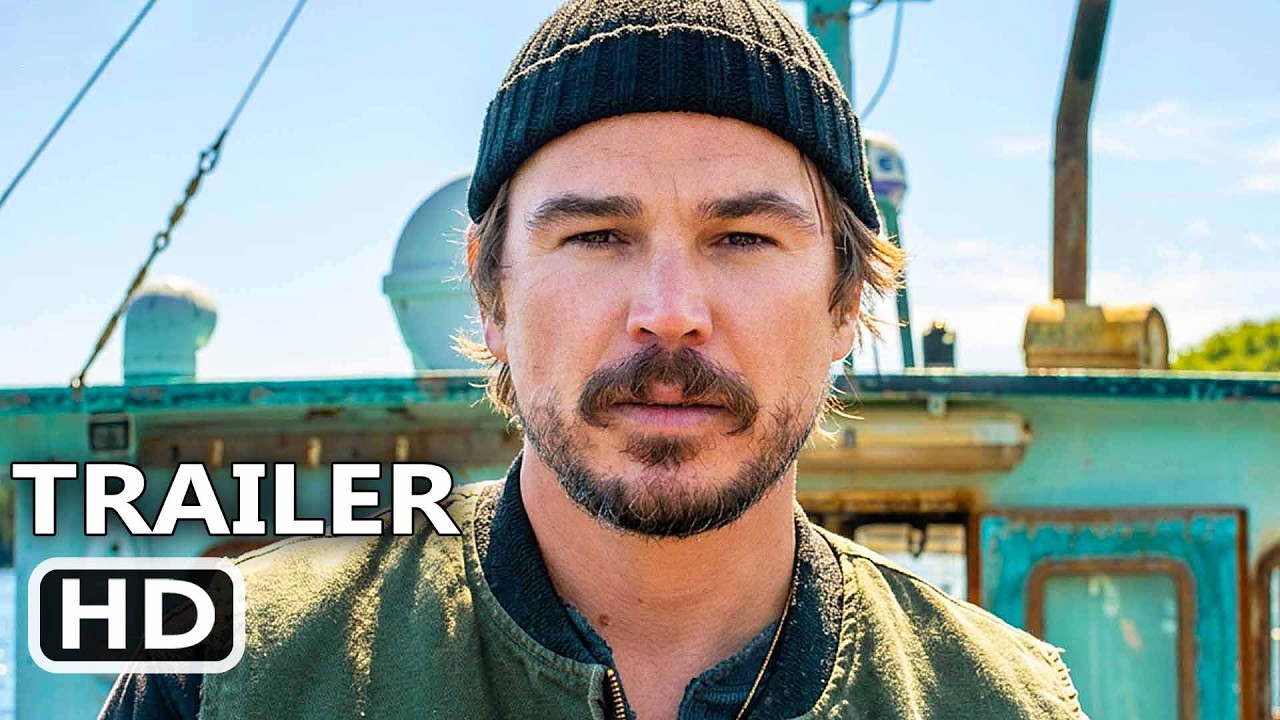
A frame from the official Below trailer. Image © Netflix.
What makes it stand out: Hartnett carries the whole series on screen, and it’s one of the best things he’s done. Key data: Hartnett plays fisherman Calvin Penney and is also an executive producer; Netflix announced his casting when it ordered the series in February 2025. Why it matters: It’s the clearest sign yet that his post-Oppenheimer comeback is the real thing.
Hartnett has been on a quiet run. Ernest Lawrence in Oppenheimer, the Black Mirror episode “Beyond the Sea”, M. Night Shyamalan’s Trap. Each one showed a different side of an actor who spent a long stretch of the 2010s away from the spotlight. Below asks him to do something harder: be the centre of gravity for four hours without much flash to hide behind.
He’s at his best when he’s working. Hauling nets, sizing up the water, watching his kids make choices he doesn’t like. There’s a heaviness in how he moves that tells you about Calvin’s grief before the script spells it out. RogerEbert.com’s Kaiya Shunyata called the show one of the year’s best and most poignant, and a lot of that poignancy is coming from Hartnett’s face rather than the dialogue.
Variety called the series exhilarating and put Hartnett at the heart of it. We agree on Hartnett, if not quite on the exhilaration. His performance is the most consistent thing in the show. When the plotting wobbles in the last two episodes, he doesn’t.
The one thing holding the performance back is his voice, which needs its own section.
3. The Accent Problem (Newfoundland English)
What makes it stand out: It’s the single most criticised thing about the show. Key data: Variety’s review poked fun at the Minnesota-born Hartnett’s Newfoundland accent even while praising the show; Rotten Tomatoes’ first-reviews round-up noted that some critics disapproved of it; McKeown has said Hartnett prepared by listening to Newfoundland call-in and talk radio. Why it matters: In a show this invested in place, getting the voice wrong undercuts the thing it does best.
Newfoundland English is one of the hardest accents in the English-speaking world. It’s West Country and Irish in its roots, it changes from bay to bay, and the people who speak it are understandably touchy about how it’s done on screen. They’ve had decades of being either ignored or turned into a joke.
Hartnett clearly did the work. Learning from call-in radio rather than from a coach’s tape is a smart, unglamorous way to pick up how people really talk. But the result drifts. It’s strongest in short, clipped exchanges and weakest in longer speeches, where you can hear him reaching for it. Put him next to Willow Kean, a Newfoundland actor who doesn’t have to reach for anything, and the gap is obvious.
FandomWire went as far as calling the accent unforgivable. That’s too harsh. For most UK viewers it’ll register as a vaguely Irish lilt and then fade into the background. But it’s a fair 2/5. It’s the kind of flaw that never sinks a scene by itself and still chips away at the illusion every time he gives a big speech.
4. The Supporting Cast (Davis, Heaton, Stokes, Campbell, Kean, Henstridge)
What makes it stand out: Netflix surrounded Hartnett with recognisable genre faces and real Newfoundland performers. Key data: Mackenzie Davis plays marine biologist Dr. Fonda Howander; Charlie Heaton, Ruby Stokes and Rohan Campbell play Calvin’s children Wade, Mary and Jay; Willow Kean plays his sister Ruth, the harbourmaster; Natasha Henstridge plays the town’s Resettlement Liaison Officer; Mary Walsh also appears. Why it matters: The family drama has to hold the show together between creature scenes, and that’s where it’s most uneven.
Mackenzie Davis is the best thing here after Hartnett. Her Fonda is the person who wants to understand the creature rather than kill it, and Davis plays that curiosity with an edge of recklessness that keeps her from becoming a walking exposition machine. She’s worked with executive producer Jessica Rhoades before, on Station Eleven, and it shows. Both shows trust her to carry the ideas.
Willow Kean is the discovery. As Ruth the harbourmaster, she’s dry, practical and completely of the place, and her scenes with Hartnett have an easy sibling shorthand the show could have used more of.
The Penney children are where it thins out. Charlie Heaton, still best known as Jonathan in Stranger Things, does solid work as Wade, the son who stayed. Ruby Stokes (Bridgerton, Lockwood and Co.) and Rohan Campbell (Halloween Ends) are fine, but their characters are drawn in broad strokes: the one who came home, the one who left. Six episodes isn’t much room, and the script spends it elsewhere.
Natasha Henstridge, of Species fame, has the thankless job of embodying the government. She’s good, and the show is smart enough not to make her a cartoon villain.
5. Place and the Resettlement History (Filmed in St. John’s, Newfoundland)
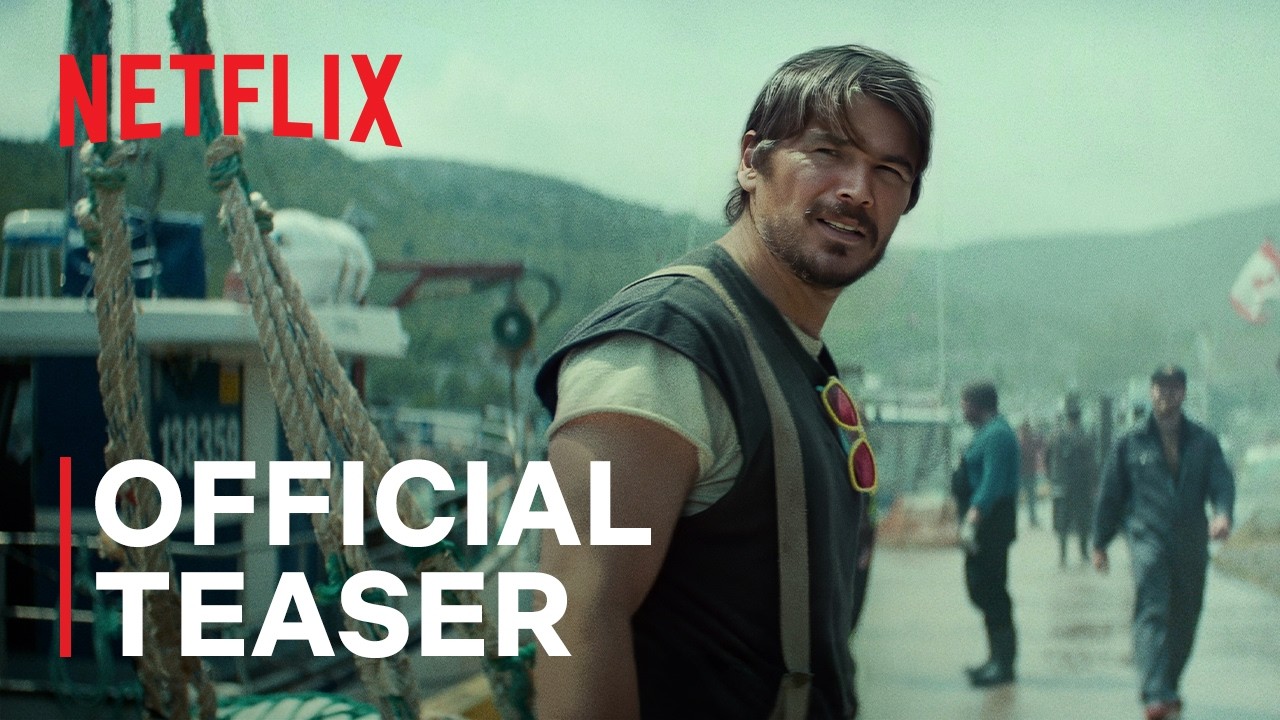
A frame from Netflix promotional footage for Below. Image © Netflix.
What makes it stand out: The real subject of Below isn’t a monster. It’s a way of life being written off. Key data: Filmed in and around St. John’s in autumn 2025; the story draws on Newfoundland’s resettlement programmes of the 1950s to the 1970s, which moved families out of remote outport villages; the writing room includes Perry Chafe, co-creator of Republic of Doyle. Why it matters: It’s what makes the show feel specific, and it’s why the critics who loved it really loved it.
Between the 1950s and the 1970s, government schemes moved thousands of Newfoundlanders out of small coastal communities and into bigger “growth centres”. Whole villages were emptied. Some families floated their houses across the water rather than leave them. For a lot of people in the province, that’s family memory, not history.
Below puts that same choice in the present day and adds climate change to it. The question isn’t just whether the town survives the creature. It’s whether the town was going to survive anyway. That gives every creature attack a second meaning, and it’s a smarter use of genre than most streaming horror bothers with. Rotten Tomatoes’ critics summary picked up on it, noting that reviewers felt the series offers pertinent criticisms of resettlement and climate change.
And then there’s the look of the place. Grey sea, fog, rock, painted clapboard houses clinging to the shore. Newfoundland on screen is still rare, and the series lets the landscape do a lot of the heavy lifting. For British viewers there’s an extra echo: Newfoundland was a dominion of its own until it joined Canada in 1949, and the voices and place names still carry the West Country and Ireland.
This is the show’s best idea and it earns a 4.5/5. If Below gets a second season, this is the thing it has to keep.
6. The Creature: Restraint or Stinginess? (A Giant Squid, Mostly Off Screen)
What makes it stand out: Below keeps its monster in the dark for a long time, and it’s a deliberate choice. Key data: The creature is based on the real giant squid, Architeuthis dux; the show mostly offers glimpses of an eye or tentacles rather than full reveals; Netflix consulted Memorial University marine biologist Dr. Annie Mercier, who also inspired Davis’s character. Why it matters: How you feel about this will decide how you feel about the whole show.
The Jaws lesson was that the shark you don’t see is scarier than the one you do. Spielberg learned that partly because his mechanical shark kept breaking. McKeown seems to have chosen it on purpose. For long stretches, the creature is a disturbance in the water, a shape under the ice, a wrecked boat. When it does appear, it’s in pieces.
We think that mostly works. It keeps the focus on the people and stops the CGI from becoming the star. It also fits the show’s argument, which treats the creature less as a villain than as another living thing being pushed out of its home. Spoiler-light, but worth knowing: the final episodes recast it in a way that makes the restraint feel earned.
The flip side is that the trailers sold a monster show. If you came for a creature feature in the Deep Rising mould, you’ll probably feel short-changed, and that’s likely part of the reason the Rotten Tomatoes audience score (62%) trails the critics’ score by around 20 points. Fox19’s reviewer, who gave it 3/5, put it well: a deeply contemplative creature feature whose execution doesn’t always match its ideas. That’s about where we land. A 3.5/5: right choice, not always made with enough confidence.
A science note for the pedants. As IBTimes pointed out, the creature’s aggression has very little to do with how real giant squid behave. It’s a monster story. Let it be one.
7. Direction and Craft (Jamie Childs, Helen Shaver, Stephen Dunn)
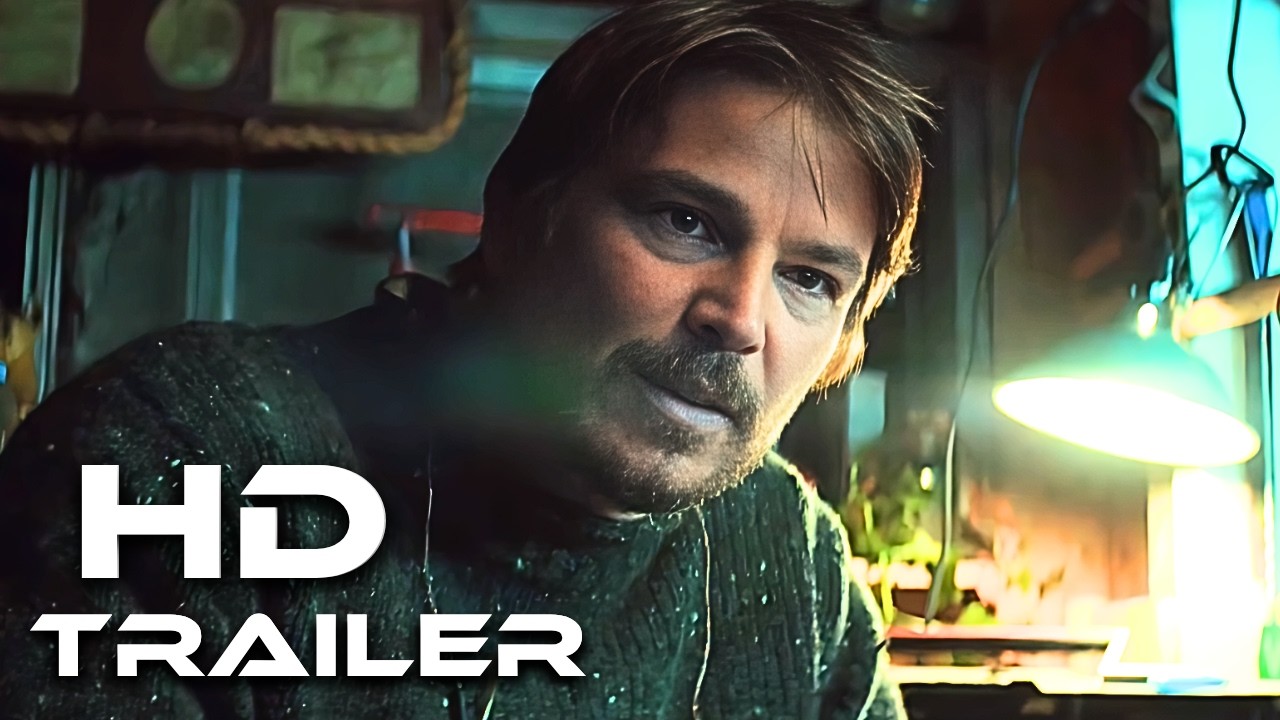
A frame from the second Below trailer. Image © Netflix.
What makes it stand out: It looks and sounds far more expensive than most mid-budget genre TV. Key data: Directed by Jamie Childs (The Sandman, His Dark Materials), Helen Shaver (The Penguin, Station Eleven) and Stephen Dunn (Closet Monster); written by McKeown with Karen Walton (Orphan Black, Ginger Snaps), Perry Chafe and Natty Zavitz; executive produced by Jessica Rhoades through Pacesetter U.K. Why it matters: The craft is why the show’s quieter stretches still hold your attention.
Three directors on six episodes can easily mean three different shows. Not here. The visual language stays consistent: cold light, a lot of grey-blue, cameras that sit low near the waterline so you’re always aware of how much you can’t see below it. The sound design does a lot of work too, with creaking hulls and ice that groans like something alive.
The practical effects deserve credit. Speaking to What’s on Netflix at TIFF, the creators said they “actually sunk a house” for one sequence. You can feel it. Real water and real wreckage read on screen in a way digital floods rarely do, and it makes the big set pieces land with weight.
The writing room is a smart mix of genre and place. Karen Walton co-wrote Ginger Snaps, still one of the best Canadian horror films, and Chafe brings a Newfoundland ear to the dialogue. When the script works, it’s because those two instincts are pulling together. When it doesn’t, it’s usually because a scene is trying to explain a theme rather than dramatise it.
Tom’s Guide called it atmospheric and seriously bingeable. The atmosphere part is beyond argument. 4/5.
8. Pacing Across Six Episodes (Is It Worth Four Hours?)
What makes it stand out: It’s short, and it still has a sag. Key data: Six episodes, roughly four hours in total; Variety singled out episode four as the most riveting; eGamers found the first half stronger than the last three episodes, which it called messy and sometimes absurd; several reviews say the story loses steam near the end. Why it matters: For a binge show, how it finishes is how it’s remembered.
Here’s the honest version. Episodes one to four are very good. The build is slow but purposeful, the creature attacks escalate cleanly, and episode four is the peak, a tense, beautifully staged hour where every thread is pulling tight at once. Variety’s critic picked it out too, and we’d agree it’s the best single episode of the run.
Then the show tries to tie everything off. The climate theme, the resettlement vote, the family reconciliation, Fonda’s science plot and a military response all arrive in the last two hours, and not all of them get the room they need. A couple of the Penney children’s storylines end more because the season is ending than because they’ve been resolved. It’s not a collapse. It’s a loss of focus.
Pajiba’s Dustin Rowles made the case that it never overstays its welcome at six episodes, and on runtime alone, that’s true. Four hours is a single long evening. Netflix’s own numbers suggest plenty of people treated it exactly that way: Below drew 17 million views in its first four days, a record for a Canadian title on the service, and you don’t rack up that many hours without people finishing it.
So is it worth the time? Yes. Just go in knowing the first two-thirds are the reason to watch, and the finale is more interesting than satisfying. 3/5 for pacing.
9. How It Compares (Jaws, Widow’s Bay, Station Eleven)
A frame from a Below trailer. Image © Netflix.
What makes it stand out: Everyone’s comparing it to something, and the comparisons are mostly unfair in both directions. Key data: Reviewers have measured it against Jaws (1975) and Apple TV’s Widow’s Bay (2026); BGR billed it as Netflix’s answer to Widow’s Bay, while Pajiba argued the two shows share little beyond small seaside towns. Why it matters: Knowing what Below isn’t will help you decide if it’s for you.
Against Jaws: no contest, and the show knows it. Where Jaws is an adventure, Below is an elegy. It borrows the setup and then turns away from the hunt towards the town. That’s the right call, because it can’t beat Spielberg at his own game and doesn’t try.
Against Widow’s Bay: this is the comparison everyone’s making, and we side with Pajiba. Apple’s show is a horror grab-bag that’s often very funny. Below sticks to one monster and one mood, and there are very few laughs. If you loved Widow’s Bay for its playfulness, this will feel heavy. If you loved it for the small-town-under-siege atmosphere, you’ll be happy.
Against Station Eleven: the more useful comparison, and one nobody’s making. Same executive producer in Jessica Rhoades, same director in Helen Shaver, same lead actress in Mackenzie Davis, and the same interest in what communities hold on to when the world around them falls apart. Below doesn’t reach that show’s heights. It isn’t trying to. But if you liked the way Station Eleven used genre as a way into grief, this is its moodier, smaller cousin.
And against Netflix’s own October slate? Our East of Eden review gave Florence Pugh’s Steinbeck epic 4/5. That’s the better show. Below is the easier evening.
10. Who It’s For, and the Final Verdict (3.5/5)
What makes it stand out: It’s a monster show for people who usually find monster shows a bit empty. Key data: Rotten Tomatoes critics’ score in the low 80s and an audience score of 62%; Metacritic 69 from 16 critics; 17 million views in its first four days on Netflix. Why it matters: The split between critics and audiences tells you exactly who’ll enjoy it.
Filmoria’s verdict: Below is a well-made, sincerely felt creature drama with a terrific sense of place, held back by an unsteady accent and a finale that tries to do too much.
Watch it if… you like slow-burn horror that takes its time; you liked Station Eleven, The Terror or the quieter stretches of Jaws; you’re interested in places TV rarely visits; or you want a complete story you can finish in one evening.
Skip it if… you want a full-throttle monster movie with plenty of creature on screen; regional accents done imperfectly will drive you up the wall; or you need every subplot tied up neatly by the end.
We’d sit closer to the critics than to FandomWire’s “underwhelming and utterly boring”. Boring it isn’t. Underwhelming, in places, yes, mostly in the last two episodes. But the show’s ambitions are real, Hartnett and Davis are worth watching, and there’s a real ache in how it treats a community deciding whether it has a future.
3.5 out of 5. Pick a cold night, put the kettle on, and don’t expect a happy ending.
The Bottom Line
Below isn’t the year’s best Netflix series, but it’s one of its most distinctive. Most creature features are about the creature. This one is about who gets left behind when the sea, the government and the climate all decide your town is finished, and it mostly earns the weight of that idea. If you’ve already read our guide to Below’s record Netflix debut, consider this the verdict: it’s worth the four hours, flaws and all.
Sources: Variety review; Rotten Tomatoes first reviews round-up; Pajiba review; BGR; IBTimes UK; Deadline. Last updated: 16 October 2026.
Frequently Asked Questions
Is Below on Netflix UK?
Yes, Below has been streaming on Netflix UK since Thursday 8 October 2026, with all six episodes available at once.
Is Below worth watching?
Yes, if you like slow-burn horror; Filmoria gives Below 3.5 out of 5 for its atmosphere, Newfoundland setting and Josh Hartnett’s performance, though the last two episodes lose focus.
How long does it take to watch Below?
Below runs to roughly four hours across six episodes, so most viewers can finish it in a single evening.
What is the monster in Below?
The creature in Below is a giant squid, based on the real Architeuthis dux, although the show keeps it mostly hidden until late in the series.
Why do people criticise Josh Hartnett’s accent in Below?
Critics including Variety felt Hartnett’s Newfoundland accent drifts, especially in longer speeches, even though he prepared by listening to Newfoundland call-in radio.
Is Below scary?
Below is more eerie than gory, relying on dread, sound and glimpses of the creature rather than constant jump scares.
What is Below’s Rotten Tomatoes score?
Below’s Rotten Tomatoes critics’ score settled in the low 80s after launch, with an audience score of 62 percent, while Metacritic rates it 69 from 16 critics.
Is Below like Widow’s Bay?
Only partly; both are set in small seaside towns under threat, but Widow’s Bay mixes horror styles with comedy while Below sticks to one creature and a much heavier mood.
Is Below based on a true story?
No, the creature story is fiction, but it draws on Newfoundland’s real resettlement programmes, which moved families out of remote outport villages between the 1950s and 1970s.
Will there be a second season of Below?
No second season of Below has been announced as of 16 October 2026; Netflix ordered it as a six-episode limited series, though the finale leaves threads open.
📸 Follow us on Instagram for daily film, TV & gaming news: @filmoriauk

Kevin Bennett
Covers genre cinema for Filmoria: horror, thrillers and the sort of low-budget film that finds its audience years after release. Also writes on physical media and restorations.