

A Different World Review: 10 Things to Know About Netflix’s Hillman Homecoming
OTT Reviews 3rd October 2026 Chris Whitmore
Filmoria Review
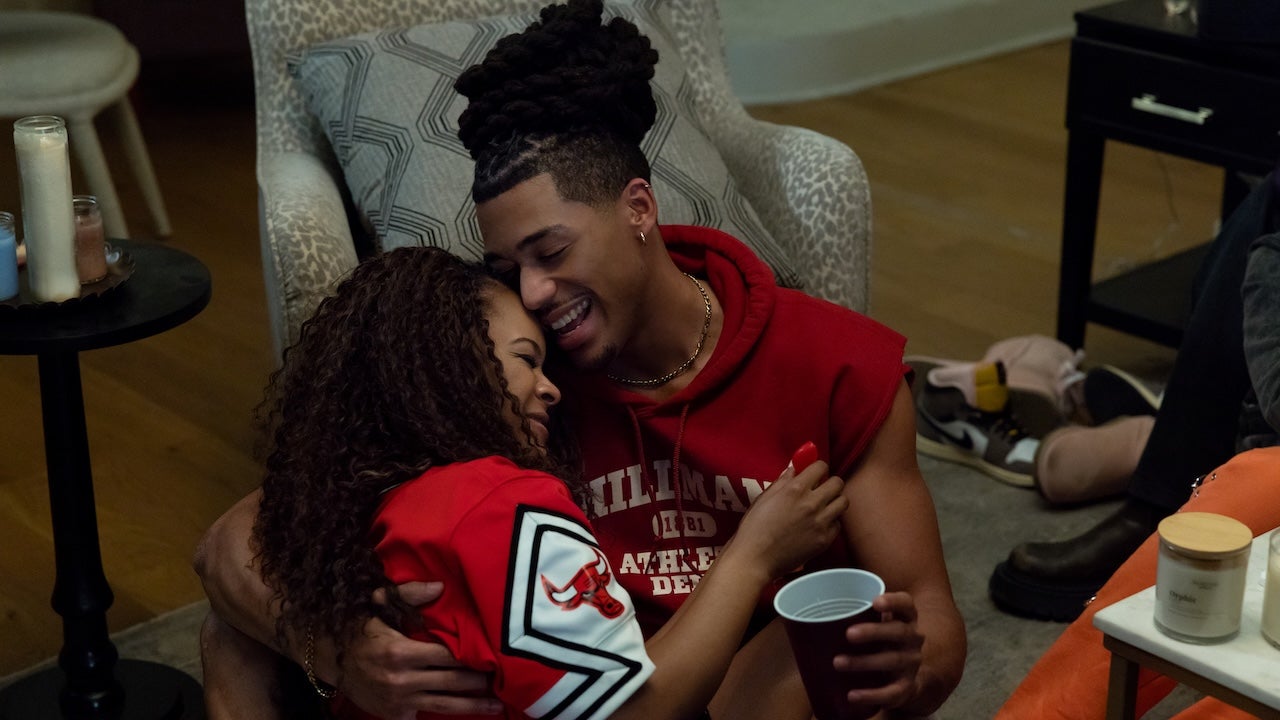
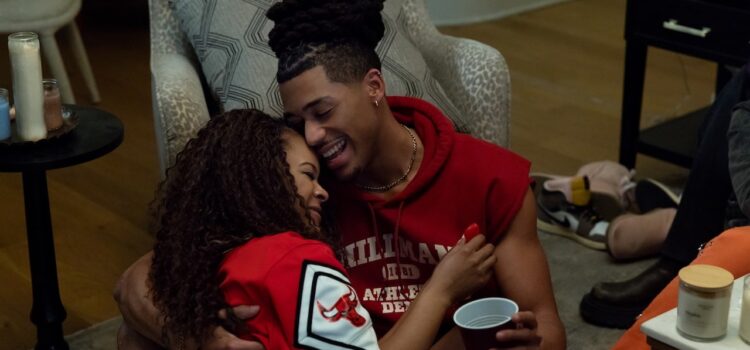
Maleah Joi Moon and Cornell Young IV in A Different World. Photo: Eli Joshua Ade/Netflix.
TL;DR: Netflix’s A Different World sequel is warm, likeable and smarter about 2026 campus life than it needed to be, and Tony winner Maleah Joi Moon is a real find. It is also a single-camera dramedy wearing a sitcom’s jacket, and it rarely gets close to the snap and swagger of the 1987 original.
Filmoria Rating: 3.5/5. Worth a weekend for anyone who grew up with Hillman; newcomers should expect a gentle campus drama, not a laugh-a-minute comedy.
Quick Facts
- Showrunner: Felicia Pride (executive producer and director: Debbie Allen)
- Cast: Maleah Joi Moon, Kadeem Hardison, Jasmine Guy, Cree Summer, Darryl M. Bell, Alijah Kai, Cornell Young IV, Jordan Aaron Hall, Kennedi Reece, Chibuikem Uche, Vincent Jamal Hooper, with Jada Pinkett Smith, Glynn Turman, Dawnn Lewis and Charnele Brown
- Episodes/Runtime: 10 episodes of roughly 30 minutes, all released at once
- Platform: Netflix (UK and worldwide)
- Release date: 24 September 2026
- Rating: TV-14 (US, per Netflix)
- Status: Renewed for season 2 on 2 October 2026
This is a ranked breakdown of the ten things that decide whether Netflix’s A Different World sequel is worth your time, from the premise and performances to the format change, the pacing and how it stacks up against the show it follows.
The items run in the order a verdict gets built: story first, then the actors carrying it, then the craft and writing decisions behind them, then comparisons, and finally who should watch. Filmoria’s view draws on the full ten-episode season’s critical reception, published review scores and the confirmed production facts, and the table below scores each aspect before the detail underneath.
| Aspect | Filmoria Rating | Verdict |
|---|---|---|
| Story & premise | 3.5/5 | A smart way back into Hillman that puts a new generation at the centre |
| Maleah Joi Moon (lead) | 4/5 | Energetic, funny and the clearest reason the show works |
| Legacy cast | 3.5/5 | Lovely to see, but Dwayne and Whitley are oddly muted |
| New ensemble | 3/5 | Alijah Kai stands out; others need more room |
| Format & tone | 2.5/5 | The single-camera dramedy shift costs it the original’s comic snap |
| Writing & themes | 3.5/5 | Timely HBCU storylines, some handled more deftly than others |
| Pacing (10 x 30 min) | 3/5 | Strong opener and finale, softer middle stretch |
| Overall | 3.5/5 | A warm, worthwhile return that lives in the original’s shadow |
1. The Premise: Deborah Wayne Goes to Hillman (2026, Netflix)
What makes it stand out: The sequel follows Deborah Wayne, the daughter of Dwayne Wayne and Whitley Gilbert, through her freshman year at Hillman College, the fictional Virginia HBCU where her parents met. Key data: Ten half-hour episodes released on Netflix on 24 September 2026, exactly 39 years to the day after the original premiered on NBC on 24 September 1987. Why it matters: It is a continuation rather than a reboot, so the show lives or dies on whether a new class can earn the same affection as the old one.
The hook is simple and quite clever. Deborah arrives on campus wanting to be her own person, which is hard when your father is now the provost and your mother is a cosmetics entrepreneur with very definite opinions. Dwayne and Whitley, meanwhile, are separated, so the romance that defined the original’s later seasons has become something more complicated and adult. That’s a bold call, and one that some long-time fans will resent.
Netflix’s own logline says Deborah must “escape their shadow and build her own legacy”, and that is precisely the tension running through the whole season. Every time the show leans on the past, it gets a warm glow. Every time it tries to stand alone, it has to prove itself from scratch. Most episodes do a bit of both.
The timing of the premiere is a statement of intent. Netflix revealed the date at the American Black Film Festival in May alongside a teaser of Deborah in a Hillman letterman jacket, humming the old theme and slipping on her father’s famous flip-up sunglasses. It tells you exactly who this show was made for first.
2. Maleah Joi Moon Is the Real Deal (Lead, Deborah Wayne)
What makes it stand out: Moon carries the season with a bright, restless energy that even the show’s harsher critics single out. Key data: Born in 2002, Moon won the 2024 Tony Award for Best Actress in a Musical for Alicia Keys’ Hell’s Kitchen and shared the 2025 Grammy for Best Musical Theater Album; this is her first leading TV role. Why it matters: A legacy sequel needs a new face audiences will follow, and Netflix found one.
TVLine, which was cool on the show overall, said Moon “brings heaps of energy” to Deborah. TheWrap’s Diedre Johnson went further and found “no slacker performances” anywhere in the ensemble. We’re closer to TheWrap on this point. Moon has a stage performer’s timing, and she knows how to land a line without pushing it, which matters in a show where the jokes are lighter than they used to be.
What she does best is play Deborah’s contradictions without sanding them down. Deborah is clever, funny and a little entitled, and she makes bad decisions with total conviction. What’s on Netflix’s Kristen Lopez praised the writing for portraying ADHD in a young woman accurately, with impulsive spending rather than cartoon hyperactivity; the season’s $14,000 credit-card spiral is a storyline Moon plays with real embarrassment rather than as a gag.
If there is a criticism, it’s that the scripts sometimes ask her to explain her feelings out loud when her face has already done the work. That’s a writing issue, not a performance one. On this evidence, Moon is the reason season 2 is worth caring about.
3. Dwayne and Whitley, Older and Quieter (Kadeem Hardison and Jasmine Guy)
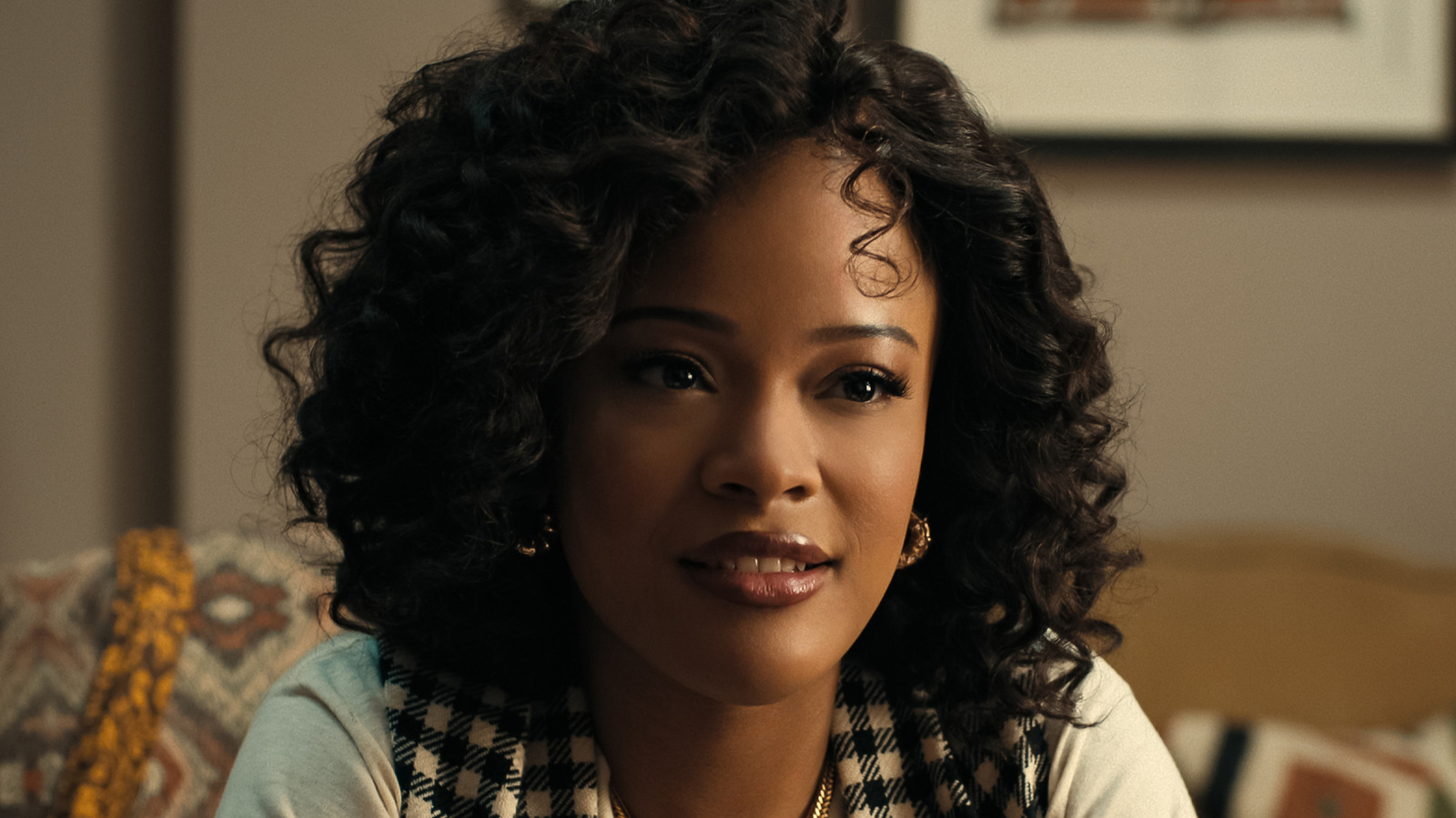
A Different World. Photo: Netflix.
What makes it stand out: Hardison and Guy return to the roles that made them famous, now as separated parents with grown-up responsibilities. Key data: Dwayne is Hillman’s provost and Whitley runs a cosmetics business; the pair were the original show’s central couple from season 2 onwards after Lisa Bonet’s Denise Huxtable left. Why it matters: How the sequel treats its most beloved characters will decide whether fans of the original stay for the new ones.
Here’s where critics split hardest. Lopez wrote that both actors “slip back into them effortlessly”. JoBlo’s Alex Maidy, who gave the show 5/10, still argued that “the prominent presence of Hardison and Guy helps salvage this series.” TVLine saw it differently, complaining that Whitley has been “stripped of her riotous flair” and Dwayne is “devoid of his slick confidence and joy.”
Both readings are fair, and they’re describing the same choice. The show has made Dwayne and Whitley sadder and more serious, because a separation is sad and serious. Guy, in particular, plays Whitley with a weary dignity that’s affecting, but you do miss the gloriously over-the-top Whitley of old. A couple more scenes letting her be outrageous would have helped the balance enormously.
Hardison has the trickier job. Provost Dwayne is mostly reacting to crises, from budget shortfalls to his own daughter’s choices, and administrators are rarely the funny ones. When he does get a light moment, the old twinkle is still there. The show just doesn’t hand him enough of them.
4. The Legacy Bench: Cree Summer, Darryl M. Bell and Friends
What makes it stand out: Almost the entire original core returns in supporting or guest roles, which gives the show a reunion feel without turning it into a nostalgia tour. Key data: Returning cast include Cree Summer (Freddie Brooks, now a professor), Darryl M. Bell (Ron Johnson), Jada Pinkett Smith (Lena James), Glynn Turman (Col. Bradford Taylor), Dawnn Lewis (Jaleesa), Charnele Brown (Kim Reese), Karen Malina White and Ajai Sanders, plus newcomers Method Man and Tichina Arnold. Why it matters: It’s the show’s biggest asset and, at times, its biggest distraction.
TV Guide’s Lyvie Scott, who scored the season 5.5/10, called Summer’s return as Professor Freddie Brooks “delightful”, and that’s the right word. Freddie was always the show’s free spirit, and seeing her shape young minds feels earned rather than convenient. Darryl M. Bell’s Ron, now a widowed businessman, gets a surprisingly tender arc too.
The catch is screen time. Ten half-hours is not much room, and with this many familiar faces some of them only drop in for a scene or two. Scott noted that key legacy moments unfold off-screen, which is frustrating when you’ve waited three decades for them. Still, the decision to let the old guard support rather than smother the new class is the right one. It’s what makes this a sequel rather than a reunion special.
5. The New Freshman Class: Rashida Steals Scenes
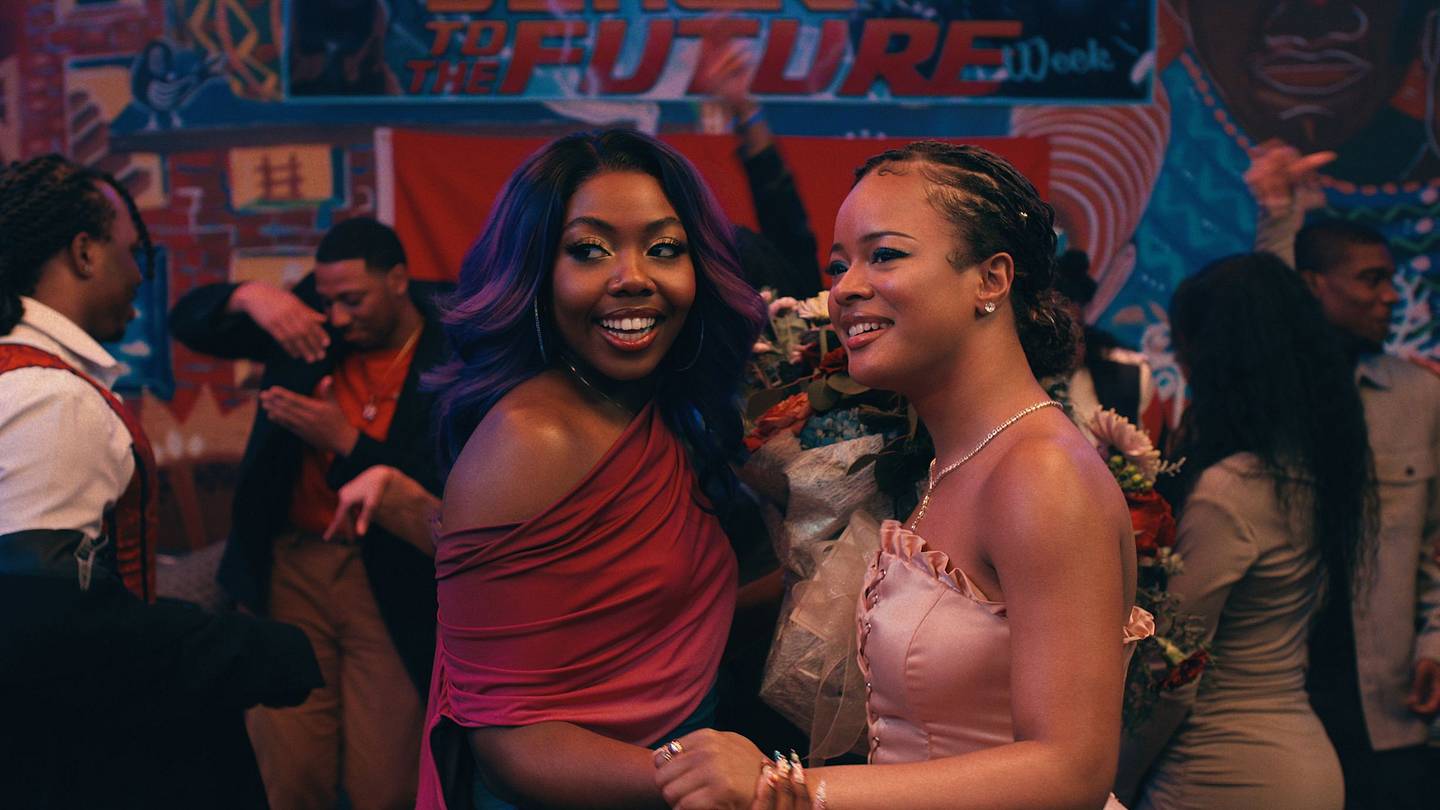
Alijah Kai as Rashida and Maleah Joi Moon as Deborah in episode 107. Photo: Netflix.
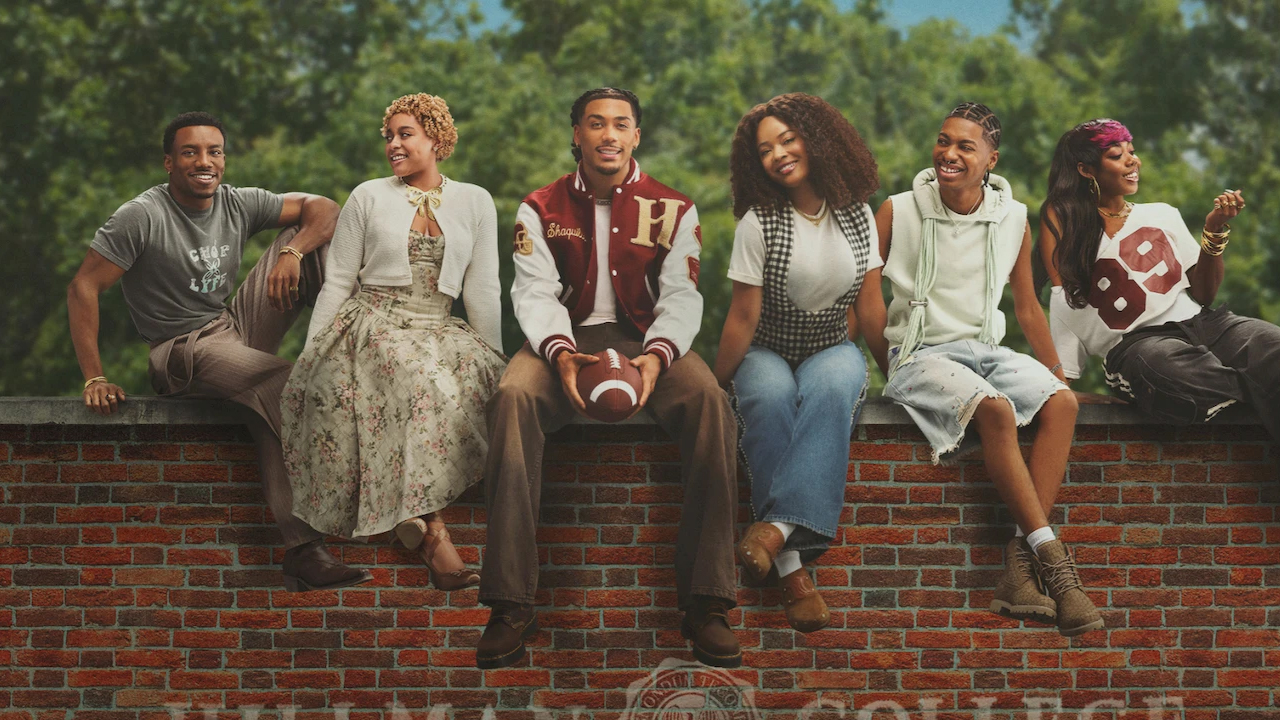
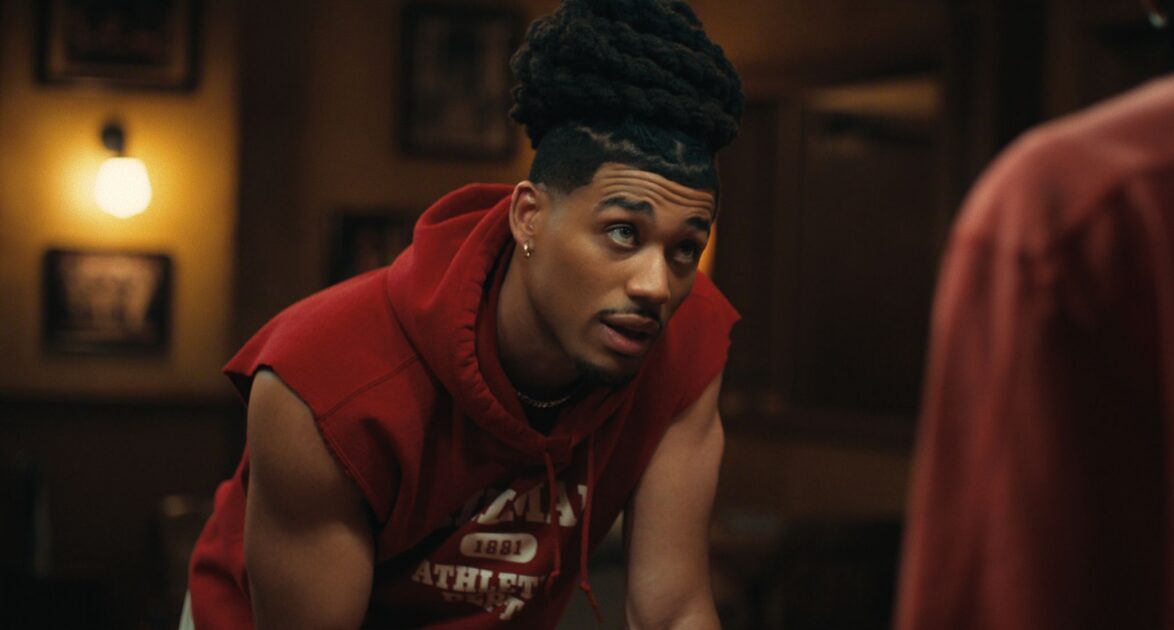
What makes it stand out: Deborah’s freshman circle is built to mirror, and update, the original’s mix of personalities. Key data: Alijah Kai plays roommate Rashida, Cornell Young IV plays football star Shaquille, Jordan Aaron Hall plays Amir, Kennedi Reece plays Hazel, Chibuikem Uche plays Ghanaian-Nigerian student Kojo and Vincent Jamal Hooper plays Ellington. Why it matters: The show’s long-term future rests on these characters, not on cameos.
Alijah Kai is the breakout. Scott called Rashida the “revival’s MVP”, and she’s right: Kai has a dry, sideways delivery that cuts through the show’s earnestness and gives Moon someone to spar with. The best scenes in the season are often just the two of them in their dorm room, sorting out who owes whom an apology.
Jordan Aaron Hall’s Amir is the other standout. But Why Tho’s LaNeysha Campbell, who gave the season 10/10, praised the show for treating Amir’s identity as a Black gay man without sensationalising it, and that’s a fair read. He’s allowed to be funny, romantic and a bit of a mess, like everyone else.
The rest of the ensemble is a mixed bag. Shaquille is mainly there for a love triangle that TVLine called “more soapy than magnetic”, and Hazel and Kojo need another season before they feel like people rather than types. Maidy found the new generation “vastly less interesting” than the legacy cast. That’s harsh, but it’s a fair warning: you’ll probably like two or three of these kids by the finale, not all six.
6. From Multi-Camera Sitcom to Single-Camera Dramedy
What makes it stand out: The sequel abandons the studio audience and three-camera set-up of the NBC original for a filmed, single-camera style. Key data: Shot on location in Atlanta between February and May 2026, with Debbie Allen directing the first three episodes; Allen ran the original from season 2 and is credited with turning it into a “lively, socially responsible” ensemble comedy. Why it matters: This is the single biggest reason reviews are split.
On paper, the switch makes sense. Real campus locations look great, Atlanta’s HBCU backdrop gives the show a texture the old soundstage never had, and Campbell argued the format “adds depth and opportunity to the show’s storytelling, cinematography, and overall tone.” JoBlo also singled out the soundtrack, which is a genuine pleasure.
In practice, it changes what kind of show this is. TVLine called the shift “jarring”, and Scott described the humour as “stilted”. We’d put it slightly differently. The jokes are still there, they just don’t have a live audience to bounce off, so lines that would have brought the house down in 1990 land softly and the scene moves on. Time’s critic, quoted on Metacritic, said the new episodes lack “quite the same spark of energy and wit”, and that’s the most precise summary going.
Peacock’s Bel-Air made a similar leap and committed to full drama. A Different World sits halfway between the two modes, and while it’s often charming, it’s rarely laugh-out-loud funny. If you come in expecting a sitcom, recalibrate.
7. The Writing: HBCU Life in 2026, Budget Cuts and All
A Different World (2026). Photo: Netflix.
What makes it stand out: Like the original, which tackled HIV/AIDS, apartheid and date rape on network TV, the sequel goes straight at the issues facing Black students and Black colleges today. Key data: Storylines include Hillman’s budget crisis amid cuts to DEI funding, racist threats against HBCUs, the social cost of the pandemic for Gen Z, student debt and an encounter with ICE agents. Why it matters: Relevance was the original’s superpower, and the sequel clearly wants to inherit it.
Showrunner Felicia Pride, whose credits include Queen Sugar, Grey’s Anatomy and Bel-Air, has a lot she wants to say, and some of it lands beautifully. Scott called the budget storyline “arguably the revival’s most successful plot point”, and it works because it’s personal: Dwayne’s job is on the line, students’ futures are on the line, and the show lets the stakes build across several episodes.
Other topics get less room. Lopez noted that a bomb-threat subplot “gets relegated to the season finale” and that the ICE encounter, “an all-too-sad reality”, doesn’t carry real consequences. The Guardian, per Metacritic’s summary, found the handling of consent “often rather surface level”. Scott went further and said some issue episodes tip into “after-school special” territory.
That’s the trade-off of trying to cover this much in ten half-hours. When the original took on a big subject, it often spent a whole episode on it. Here, the issues compete for space with love triangles and legacy reunions, and the most serious ones sometimes get squeezed. The ambition is admirable. The execution is uneven.
8. Pacing: Ten Half-Hours, a Strong Start and a Softer Middle
What makes it stand out: At about five hours in total, this is an easy weekend binge, but the season front-loads and back-loads its best material. Key data: Ten episodes of roughly 30 minutes, all released on 24 September 2026; Screen Rant’s review headline said it “loses steam in the second half”, while JoBlo named the opener and finale as the strongest episodes. Why it matters: For a binge-drop series, the shape of the whole season matters more than any single episode.
The first episode is a confident piece of television. It reintroduces Hillman, sets up Deborah’s split loyalties and gives fans their first sight of Dwayne and Whitley without overdoing it. Allen’s direction across the opening three is lively and warm, and you can feel the care in every frame.
The middle stretch is where the show drifts. Romance subplots start circling, the issue-driven threads stop and start, and Maidy’s complaint that the season feels like “an extended movie rather than a season worth investing in” starts to make sense. It’s never bad, just a bit shapeless. Things sharpen again for the final run, which brings the budget storyline and Deborah’s personal mess to a head and ends on a cliffhanger clearly built for season 2.
Our advice: commit to at least the first three episodes. If you’re not hooked by then, the middle won’t change your mind. If you are, the finale makes the journey worthwhile.
9. How It Compares: The 1987 Original, grown-ish and Bel-Air
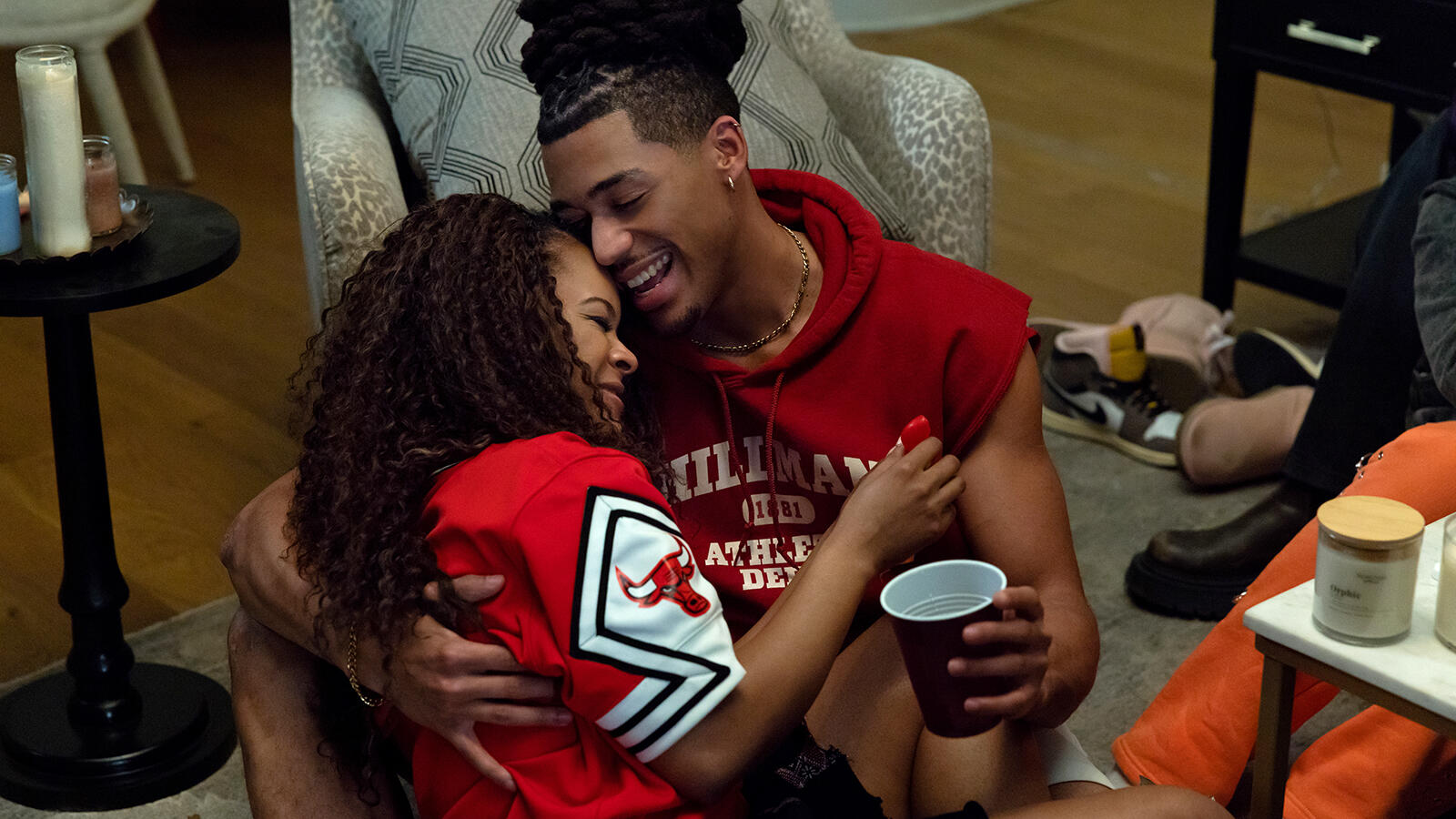
Maleah Joi Moon as Deborah and Cornell Young IV as Shaquille in episode 108. Photo: Eli Joshua Ade/Netflix.
What makes it stand out: The sequel follows one of the most culturally significant sitcoms in American TV history, and lands in a crowded field of legacy revivals. Key data: The original ran for six seasons and 144 episodes on NBC from 1987 to 1993, as a spin-off of The Cosby Show; HBCU enrolment rose markedly during its run, a trend widely linked to the show. Why it matters: Context determines whether this is a fine show or a disappointing sequel, and the honest answer is that it’s both.
Against the original, it falls short. That’s not a surprise; very few revivals match the show they’re reviving, and the original had six seasons to find its voice. RogerEbert.com’s review, as summarised by Metacritic, suggested the sequel struggles to “break any new ground of its own”, which is fair. Its strongest scenes are often the ones that echo something you already loved.
Against its peers, it looks much better. Freeform’s grown-ish, which ran from 2018 to 2024, is the obvious modern college comparison, and A Different World has more heart and a clearer sense of place. Against Bel-Air, it’s less polished but warmer. And compared with Netflix’s own That ’90s Show, it takes far bigger swings. USA Today called it “the rare series that satisfies the corporate hunger for reboots”, and that’s a smart way to put it: it’s a product of the reboot era that still feels like somebody cared.
10. Who Should Watch It, and Filmoria’s Final Verdict
A Different World. Photo courtesy of Netflix.
What makes it stand out: Critics are divided, but audiences turned up quickly and Netflix moved fast to renew it. Key data: Metascore 72 from 13 reviews; 82% on Rotten Tomatoes from 22 reviews at the time of writing; No. 4 on Netflix’s global English TV chart in its debut week with 4.2 million views; renewed for season 2 on 2 October 2026, eight days after release. Why it matters: Season 2 is coming, so this is the start of something, not a one-off nostalgia trip.
Look at the spread of individual scores and you’ll see why this show is hard to pin down. TheWrap gave it an A+ and But Why Tho gave it 10/10. What’s on Netflix gave it four stars. TV Guide landed on 5.5/10, and JoBlo on 5/10. That’s not a consensus; it’s a reflection of what you bring to it.
If you grew up with Whitley, Dwayne and the Hillman crowd, or you discovered the original on Netflix’s US library, you’ll get a lot out of this, even if you spend some of it wishing the old couple got to be funnier. If you’re a younger viewer after a warm, lightly serious campus drama with a strong female lead, it’s an easy recommendation. If you want a sharp, joke-dense sitcom, this isn’t it.
Filmoria’s verdict is 3.5 out of 5. A Different World is a sincere, good-looking and often moving continuation with a star-making lead, held back by a format change that dulls its comedy and a season too short for everything it wants to say. Showrunner Felicia Pride said after the renewal that the team is “beyond excited to return to Hillman”. On this evidence, so are we, with a few notes for the second year.
The Bottom Line
Thirty-nine years on, Netflix has managed something most legacy sequels don’t: it has made Hillman feel like a living place again rather than a museum. Maleah Joi Moon and Alijah Kai give the show a new heartbeat, Cree Summer and Darryl M. Bell bring real warmth, and the HBCU budget storyline shows what this series can do when it gives a big idea room to breathe.
The trade-off is comedy. Without the live-audience rhythm that made the original sing, and with Dwayne and Whitley turned down to a hum, the laughs are softer and fewer. Fix that balance in season 2, give the issue storylines a full episode instead of a scene, and this could become more than a nostalgic curiosity. For now, it’s a warm, worthwhile watch that knows exactly whose shoes it’s walking in.
For more streaming verdicts, read our Slow Horses season 6 review and our take on Netflix’s Monster: The Lizzie Borden Story.
Sources: Netflix Tudum; TVLine; TheWrap; TV Guide; JoBlo; What’s on Netflix; But Why Tho; Metacritic; Rotten Tomatoes; Forbes; Netflix Life; theGrio; Wikipedia. Last updated: 3 October 2026.
Frequently Asked Questions
Is A Different World on Netflix in the UK?
Yes, the 2026 A Different World sequel is streaming on Netflix in the UK and worldwide, with all ten episodes available since 24 September 2026.
When did the new A Different World come out on Netflix?
The sequel series premiered on Netflix on 24 September 2026, exactly 39 years after the original show debuted on NBC on 24 September 1987.
How many episodes are in A Different World season 1?
Season 1 of the Netflix sequel has ten episodes, each running roughly 30 minutes, for about five hours in total.
Is the new A Different World a reboot or a sequel?
It is a sequel that continues the original story, following Deborah Wayne, the daughter of Dwayne Wayne and Whitley Gilbert, during her freshman year at Hillman College.
Who plays Dwayne and Whitley’s daughter in A Different World?
Maleah Joi Moon plays Deborah Wayne; she won the 2024 Tony Award for Best Actress in a Musical for Hell’s Kitchen.
Are Kadeem Hardison and Jasmine Guy back in the new A Different World?
Yes, Kadeem Hardison returns as Dwayne Wayne, now Hillman’s provost, and Jasmine Guy returns as Whitley Gilbert, now a cosmetics entrepreneur; the couple are separated at the start of the series.
Which original A Different World cast members return?
Returning cast include Kadeem Hardison, Jasmine Guy, Cree Summer, Darryl M. Bell, Jada Pinkett Smith, Glynn Turman, Dawnn Lewis, Charnele Brown, Karen Malina White and Ajai Sanders.
Who is the showrunner of the Netflix A Different World sequel?
Felicia Pride is the showrunner, with Debbie Allen serving as executive producer and director of the first three episodes.
Is Lisa Bonet in the new A Different World?
Lisa Bonet is not listed among the sequel’s cast; she starred as Denise Huxtable only in the original show’s first season.
Where was the new A Different World filmed?
The sequel was filmed in Atlanta, Georgia, between February and May 2026, standing in for the fictional Hillman College in Virginia.
What is Hillman College in A Different World?
Hillman College is the fictional historically Black college in Virginia where both the original series and the 2026 sequel are set.
Has A Different World been renewed for season 2?
Yes, Netflix renewed A Different World for a second season on 2 October 2026, eight days after the first season premiered.
When will A Different World season 2 be released?
Netflix has not announced a release date for season 2; the logline says the students return for sophomore year with a ‘New Year, New Me’ attitude.
What is A Different World’s Rotten Tomatoes score?
At the time of writing the sequel held an 82% critics score on Rotten Tomatoes from 22 reviews, and a Metascore of 72 from 13 reviews on Metacritic.
How well did A Different World do on Netflix?
It debuted at No. 4 on Netflix’s global Top 10 English TV list with 4.2 million views in its first week and entered the Top 10 in 15 countries.
Is the new A Different World a sitcom?
Not in the traditional sense; the sequel is a single-camera comedy-drama without a live studio audience, unlike the multi-camera NBC original.
Is the new A Different World worth watching?
Filmoria rates it 3.5 out of 5: it is warm, timely and anchored by a strong lead in Maleah Joi Moon, but it is less funny than the original and its middle episodes drift.
What issues does the new A Different World cover?
The season tackles HBCU budget cuts and DEI funding, racist threats against Black colleges, student debt, the pandemic’s effect on Gen Z, consent and an encounter with ICE agents.
How many seasons did the original A Different World have?
The original ran for six seasons and 144 episodes on NBC from 1987 to 1993, as a spin-off of The Cosby Show.
What age rating is the new A Different World?
Netflix lists the sequel as TV-14 in the US, making it suitable for most teenagers and adults.
📸 Follow us on Instagram for daily film, TV & gaming news: @filmoriauk

Chris Whitmore
Sub-Editor of Filmoria. Dwayne Johnson's No.1 fan. Arthouse celebrator. Romancer of all things Michael Haneke & Woody Allen. Irrevocably in love with Felicity Jones. She'll be my wife one day; you'll see...