
Carrie Review: 11 Things That Decide Mike Flanagan’s Prime Video Stephen King Series
OTT Reviews 30th October 2026 Jon Dingle
Filmoria Review
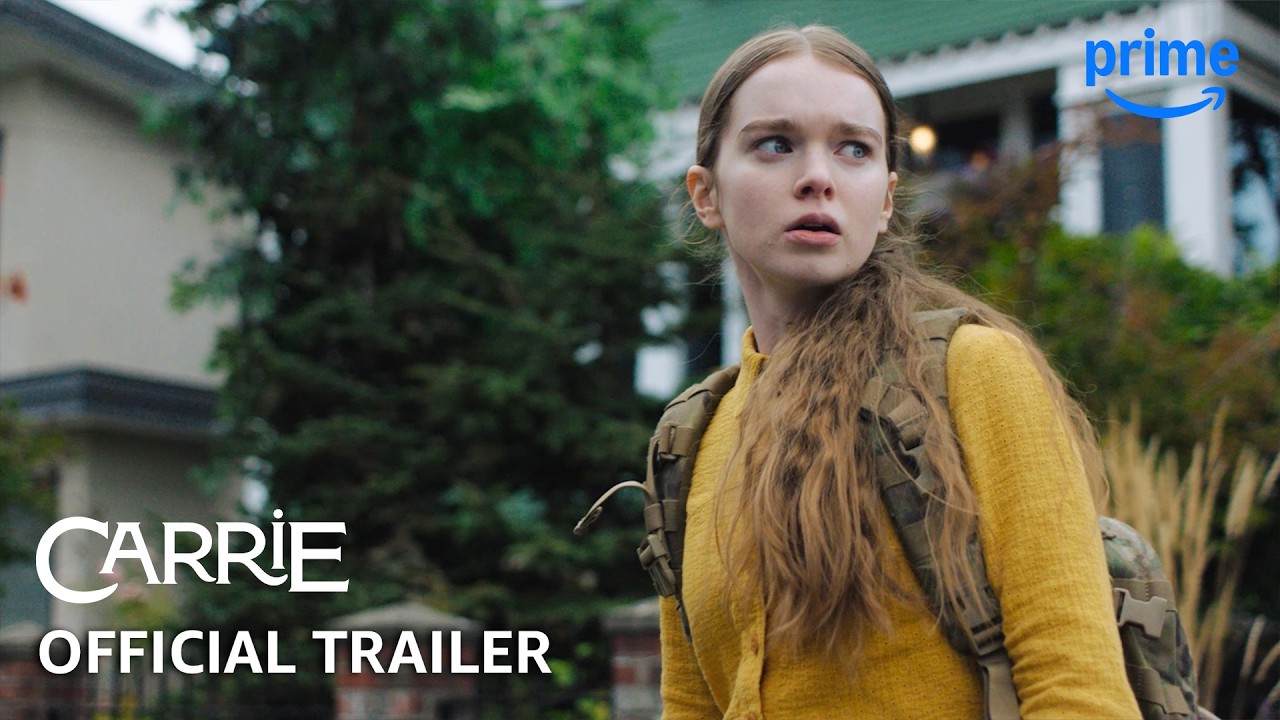
This article contains affiliate links. As an Amazon Associate, Filmoria earns from qualifying purchases.
Carrie is Mike Flanagan’s eight-episode Prime Video adaptation of Stephen King’s 1974 debut novel, starring Summer H. Howell as Carrie White and Samantha Sloyan as her mother, Margaret, and all eight episodes have been streaming on Prime Video in the UK since 7 October 2026. Filmoria rates it 3.5 out of 5: Howell and Sloyan are superb and the smartphone-era update genuinely bites, but the middle episodes stall and a story famous for one explosive night strains to fill eight hours.
TL;DR: Two terrific performances, a sharp modern take on high-school cruelty and some of Flanagan’s most confident direction, dragged down by a saggy middle and an ending that trades King’s tragedy for a Season 2 set-up.
Filmoria’s verdict: The best-acted Carrie since 1976, and the most frustrating, because it’s a great five-hour show stretched across eight.
Quick Facts
- Created by: Mike Flanagan (showrunner, writer and executive producer), from Stephen King’s 1974 novel
- Directors: Mike Flanagan (episodes 1, 2, 7 and 8), Kate Siegel (3), Axelle Carolyn (4), Kyra Sedgwick (5), Hiromi Kamata (6)
- Cast: Summer H. Howell, Samantha Sloyan, Siena Agudong, Alison Thornton, Joel Oulette, Amber Midthunder, Matthew Lillard, Josie Totah, Thalia Dudek
- Episodes and runtime: 8 episodes of roughly 45 to 57 minutes each, all released at once
- Platform: Prime Video (UK and worldwide)
- Release date: Wednesday 7 October 2026
- Filmoria rating: 3.5/5
In the UK
- UK release date: 7 October 2026, all eight episodes at once.
- Where to watch: Prime Video UK, as an Amazon original; it isn’t on any other UK service.
- Price: included with Amazon Prime (£8.99 a month or £95 a year); removing adverts costs an extra £2.99 a month.
- Age rating: a BBFC certificate is not yet confirmed for the UK; expect strong violence and bullying, and check the Prime Video listing before watching with younger teens.
- Season 2: renewed on 22 October 2026; a UK date is not yet confirmed.
Watch Carrie on Prime Video via Amazon UK
Buy Stephen King’s Carrie (paperback) on Amazon UK
This is a ranked breakdown of the eleven things that decide whether Prime Video’s Carrie is worth your time, from the story and the performances to the direction, the pacing, the ending and how it stacks up against Brian De Palma’s 1976 film.
The items follow the order a verdict gets built: story first, then the actors, then the writing and craft behind them, then the comparisons, and finally who should watch. The ratings are Filmoria’s own, set against the published reviews of the full season, the Nielsen figures and the confirmed production facts.
| Aspect | Filmoria Rating | Verdict |
|---|---|---|
| Story and setup | 4/5 | King’s bones, moved convincingly into 2026 |
| Summer H. Howell (Carrie) | 4.5/5 | Sunny, naive and heartbreaking; a real star turn |
| Samantha Sloyan (Margaret) | 4.5/5 | Tender and terrifying in the same breath |
| Supporting cast | 3.5/5 | Lillard and Midthunder shine; the teens blur |
| The social media update | 4/5 | The smartest change Flanagan makes |
| Direction | 4/5 | Flanagan plus four women directors, all in step |
| Pacing across 8 episodes | 2.5/5 | Strong start, sagging middle, too much filler |
| The prom and the ending | 3/5 | A brutal prom, then a Season 2 hook |
| Against the 1976 film | 3/5 | Fuller, but not better |
| Against Flanagan’s best | 3/5 | Below Midnight Mass and Hill House |
| Overall | 3.5/5 | Worth it for the performances; be ready to push through |
1. The Setup: Chamberlain, Maine, in 2026 (2026, US/Prime Video)
What makes it stand out: Flanagan keeps King’s story almost beat for beat but sets it firmly in the present, with phones in every hand and Carrie’s humiliation going viral before she’s out of the shower. Key data: Eight episodes released together on 7 October 2026, titled like a school timetable, from “First Period” to “AP Physics”. Why it matters: It’s the first time Carrie has been told as a series, and the extra room lets the town become a character rather than a backdrop.
You know this one. A shy girl raised by a fanatically religious mother gets her first period in the school showers, the other girls torment her, and the cruelty sets off something nobody in Chamberlain is ready for. King wrote it in 1973 as his first published novel. De Palma made it a horror landmark three years later.
Flanagan doesn’t fiddle with that spine. What he changes is the air around it. This Chamberlain is a 2026 town, and the bullying doesn’t stop when the bell rings. It follows Carrie home on everyone’s screens. The show’s choice to set the story concretely in the present has been one of the things reviewers praised most, and it’s easy to see why: the 1970s version of cruelty was a bucket of blood. The 2026 version is a clip with a million views.
The class-schedule episode titles are a nice touch, and a clue to the structure. This is a show about a school as much as a girl. Teachers, parents and the principal all get their own threads, which is where the series finds its best new material and, later, its biggest problems.
2. Summer H. Howell Makes Carrie Her Own (Lead, Carrie White)
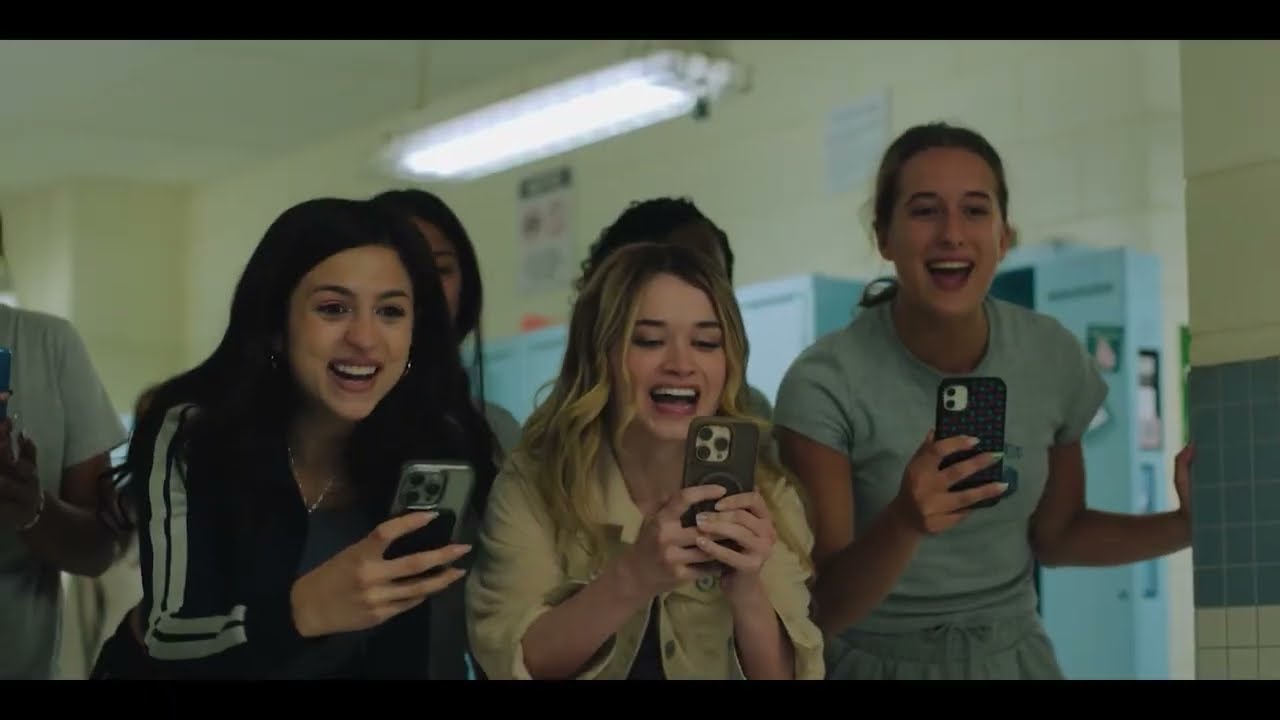
What makes it stand out: A near-unknown takes on a role Sissy Spacek has owned for fifty years, and doesn’t try to copy her. Key data: Howell was cast after the production reviewed more than a thousand submissions, according to The Hollywood Reporter; Spacek earned an Oscar nomination for the same part in 1976. Why it matters: If Carrie doesn’t work, nothing else does, and Howell is the main reason to watch.
Spacek’s Carrie is strange. That’s her genius: she looks like she’s been dropped into the film from another planet, and you’re never quite sure what she’s thinking. Howell goes the other way. JoBlo’s critic described her Carrie as less “weird” than Spacek’s, sunny but wholly naive to the world around her, and that’s exactly right. This is a girl who still hopes people might be kind. It makes the cruelty harder to watch.
The Playlist went further, crediting Howell with “complete ownership of a role that Sissy Spacek has had on lock for half a century”. We’d stop just short of that. Spacek is still the definitive Carrie. But Howell’s is the most human one, and she’s very good at the hardest part of the job, which is the slow turn. Over eight episodes you watch the light go out of her, and when the power arrives it doesn’t feel like a superhero origin. It feels like grief.
Dread Central, which gave the season 4 out of 5, also singled her out, and it’s hard to find a review, positive or negative, that doesn’t. Whatever you think of the show around her, Howell is the real thing.
3. Samantha Sloyan’s Margaret White Is the Scariest Thing in It (Supporting, Margaret White)
What makes it stand out: Sloyan plays Carrie’s mother as a woman who genuinely loves her daughter, which makes her far more frightening than a shrieking zealot. Key data: Sloyan played Bev Keane in Flanagan’s Midnight Mass (2021); Piper Laurie was Oscar-nominated for the role in 1976. Why it matters: Margaret is the house Carrie can’t escape, and the show’s horror lives in that kitchen as much as the gym.
Piper Laurie’s Margaret is operatic. Big eyes, big voice, a knife and a lot of scripture. Sloyan dials it down, and the effect is chilling. Critics describe a Margaret with real maternal tenderness running right alongside the religious extremism. The tenderness is real. So is the fanaticism. You can’t separate them, and neither can Carrie.
Anyone who watched Midnight Mass knows Sloyan is brilliant at smiling, pious menace. Bev Keane was one of the most hated characters on television in 2021, and Margaret White is her natural next step. Critics have consistently ranked Sloyan’s turn alongside Howell’s, and they share the show’s best scenes. The two-hander moments at home are where Flanagan’s love of long, talky confrontations pays off most.
If there’s a criticism, it’s that the show occasionally gives Margaret too much backstory. Some mystery is lost. But Sloyan never lets her become sympathetic in a way that lets her off the hook, and that’s a tricky balance to hold for eight hours.
4. The Supporting Cast and the Flanagan Rep Company
What makes it stand out: Flanagan surrounds his newcomer lead with familiar faces and a few genuine surprises. Key data: Siena Agudong plays Sue Snell, Alison Thornton is Chris Hargensen, Joel Oulette is Tommy Ross, Amber Midthunder is gym teacher Miss Desjardin, Matthew Lillard is Principal Henry Grayle and Josie Totah also stars; Mark Hamill makes a secret cameo in Episode 6, “Home Economics”. Why it matters: The town has to feel real for the prom to land, and the adults carry more of the story than in any earlier version.
The adults are where this Carrie is strongest. Lillard, who was also in The Fall of the House of Usher, gives Principal Grayle far more to do than the novel ever did, and in a show about who’s to blame for what happens, the man in charge of the school matters. Midthunder’s Miss Desjardin, the gym teacher who in King’s book is the one adult who tries to help, gets the kind of room the 1976 film never had time for.
The teenagers get less room to breathe. Sue Snell’s guilt, the thread King built the novel’s aftermath around, gives Agudong the meatiest of the student roles, while Chris Hargensen and Tommy Ross remain closer to the archetypes they’ve always been. That’s where several critics felt the invented subplots were spread thinnest.
Then there’s Hamill. Flanagan told PEOPLE that his only request was “Just don’t tell anyone I’m doing that,” and his turn as a fortune teller in Episode 6 is a fun surprise. It’s also, frankly, part of the problem. It’s a delightful detour in a show that has a few too many.
5. The Social Media Update Is the Smartest Change (Writing)
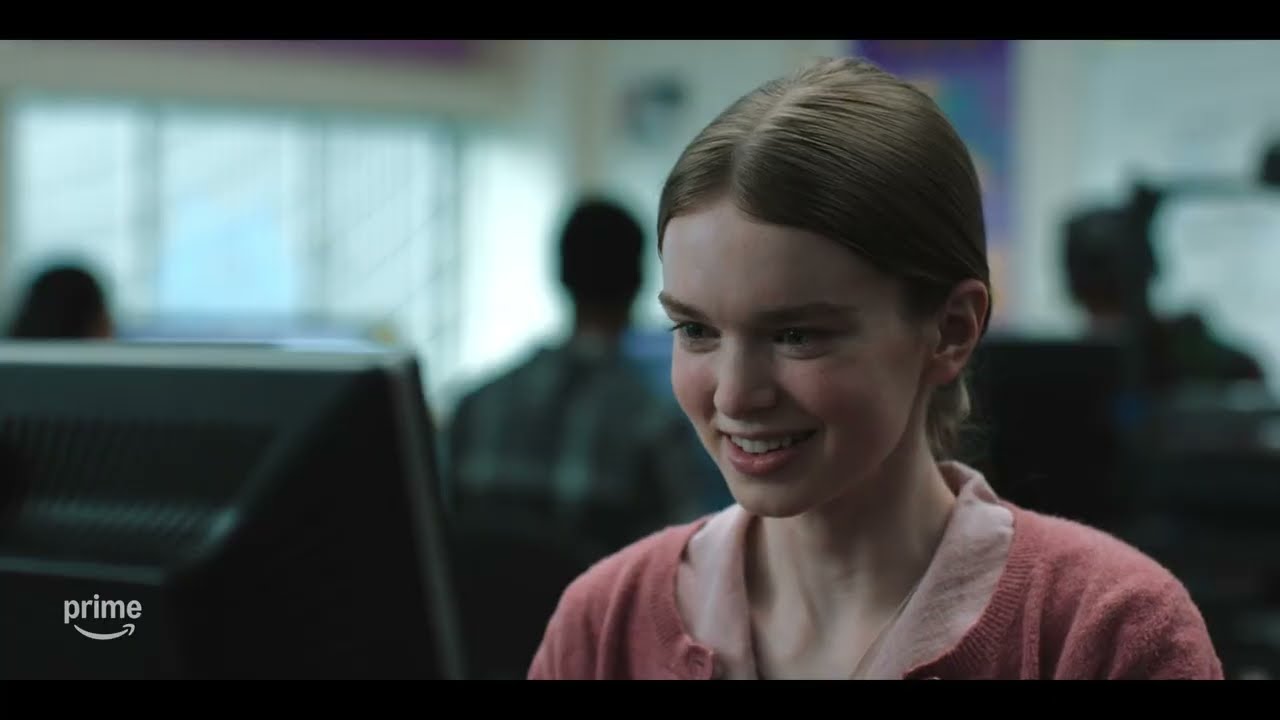
What makes it stand out: Flanagan rebuilds the bullying for the smartphone age, so the humiliation is filmed, shared and replayed. Key data: Stephen King, an executive producer alongside Flanagan and Trevor Macy, called the series “brilliant” on Threads and said its take on social media was “shocking and true”. Why it matters: It’s the one change that makes a 52-year-old story feel urgent rather than nostalgic.
Every Carrie remake has had the same problem: why are we doing this again? Kimberly Peirce’s 2013 film added a phone video of the shower scene and not much else, and critics shrugged. Flanagan takes the idea much further. The viral clip isn’t a gimmick here. It’s the engine of the whole season. Carrie can’t go anywhere without knowing that everyone has seen it, and the show understands how that kind of shame works on a teenager in a way no earlier version could.
King’s praise matters. He’s famously blunt about adaptations he dislikes, and he’s never made peace with Kubrick’s The Shining. When he calls the social media angle “shocking and true”, that’s not studio politeness.
Flanagan’s scripts are also, as ever, full of long speeches. Characters explain themselves in paragraphs. If you loved the monologues in Midnight Mass, you’ll be at home. If they drove you up the wall, be warned: some of the parents and teachers here get speeches that a tighter show would’ve cut in half.
6. Flanagan and Four Women Directors Keep It Consistent (Direction)
What makes it stand out: Flanagan directs the opening and closing pairs of episodes himself and hands the middle four to women directors, including his wife and regular star Kate Siegel. Key data: Flanagan directed episodes 1, 2, 7 and 8; Kate Siegel directed 3, Axelle Carolyn 4, Kyra Sedgwick 5 and Hiromi Kamata 6; the first two episodes premiered at the Toronto International Film Festival in September 2026. Why it matters: A story about girls being watched and judged benefits from being shaped by women behind the camera.
The handover is smooth. You’d struggle to spot where Flanagan stops and Siegel starts, which is a credit to the house style he’s built over Hill House, Bly Manor, Midnight Mass and Usher. Long takes, quiet rooms, faces held a beat longer than is comfortable. It’s all here.
The TIFF screenings of the first two episodes were well received. But Why Tho? gave them 8 out of 10 and JoBlo called them a killer start. That opening pair is the show at its best: precise, patient and genuinely upsetting. Flanagan’s eye for school spaces, the fluorescent corridors and empty gym, is sharp, and the early episodes make the school itself feel hostile.
Where the direction can’t help is the material in the middle. Siegel, Carolyn, Sedgwick and Kamata all deliver handsome, well-acted episodes. They just have less story to work with than Flanagan does at either end.
7. Pacing: A Near-Perfect Start and a Sagging Middle
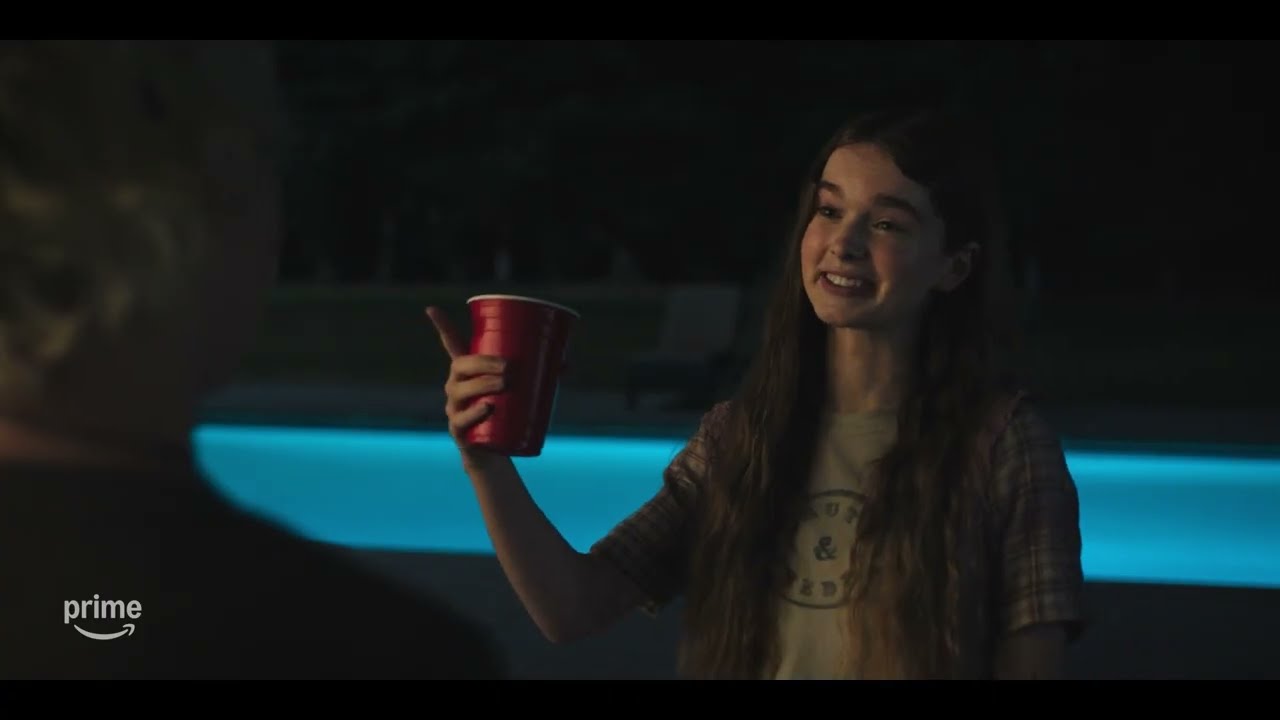
What makes it stand out: This is the show’s biggest weakness, and nearly every critic has said so. Key data: Eight episodes of roughly 45 to 57 minutes; Film Stories called it “an exceptional, near perfect first half, but a disappointing second half”, FandomWire scored it 5 out of 10 for being repetitive and slow, and HorrorBuzz gave the opening episodes 4 out of 10. Why it matters: It’s a binge release, and the sag is exactly where casual viewers will drop off.
King’s novel is short. It runs to only around 200 pages, and De Palma told the story in 98 minutes. Eight hours is a lot of room for a story whose whole point is one catastrophic night.
The A.V. Club put it neatly: to fill out eight 45-minute episodes, the writers invent subplots for supporting characters, and only some of them add meaningful twists. That’s the problem in a sentence. The middle episodes spend a lot of time with parents, teachers and side characters, and while some of it is good (Lillard’s principal, Midthunder’s teacher), a lot of it feels like the show circling the prom rather than heading towards it.
We’d split the difference between the harshest and kindest reviews. The first two episodes are excellent. The last two are big and bold. In between, you’ll probably check your phone. Our advice: don’t binge it in one go. Two episodes a night makes the middle stretch much easier to sit through.
8. The Prom and the Ending (Light Spoilers)
What makes it stand out: Flanagan promised the prom would be “completely different” from the novel, and he wasn’t bluffing. Key data: Episode 7 (“Romantic Literature”) builds to the prom and Episode 8 (“AP Physics”) deals with the aftermath; Prime Video renewed the series for Season 2 on 22 October 2026. Why it matters: The ending decides whether this is a retelling or the first chapter of something bigger, and Flanagan chooses the second.
We’ll keep this light. The prom is the payoff the whole season builds to, and reviews and viewer reactions alike single out the closing episodes for their blood, fire and gore. Flanagan has always been better at dread than at gore, but when Carrie finally lets go, the show doesn’t hold back.
The trouble is what comes after. Without spoiling the specifics, the finale moves away from King’s ending and towards a much bigger mythology, and it’s obviously built to set up more seasons. Flanagan has said his ideal plan is three. Gizmodo’s verdict was that Carrie “has power but doesn’t quite stick the landing”, and we agree.
King’s ending works because it’s final. Carrie’s story is a tragedy, and tragedies need a full stop. Swapping that for a cliffhanger makes the show feel less like a complete statement and more like a pilot for something else. Your mileage will depend on how much you want a Season 2. Given the 1.26 billion minutes Nielsen recorded in the first five days in the US, plenty of people clearly do.
9. How It Compares: De Palma’s 1976 Film and the 2013 Remake
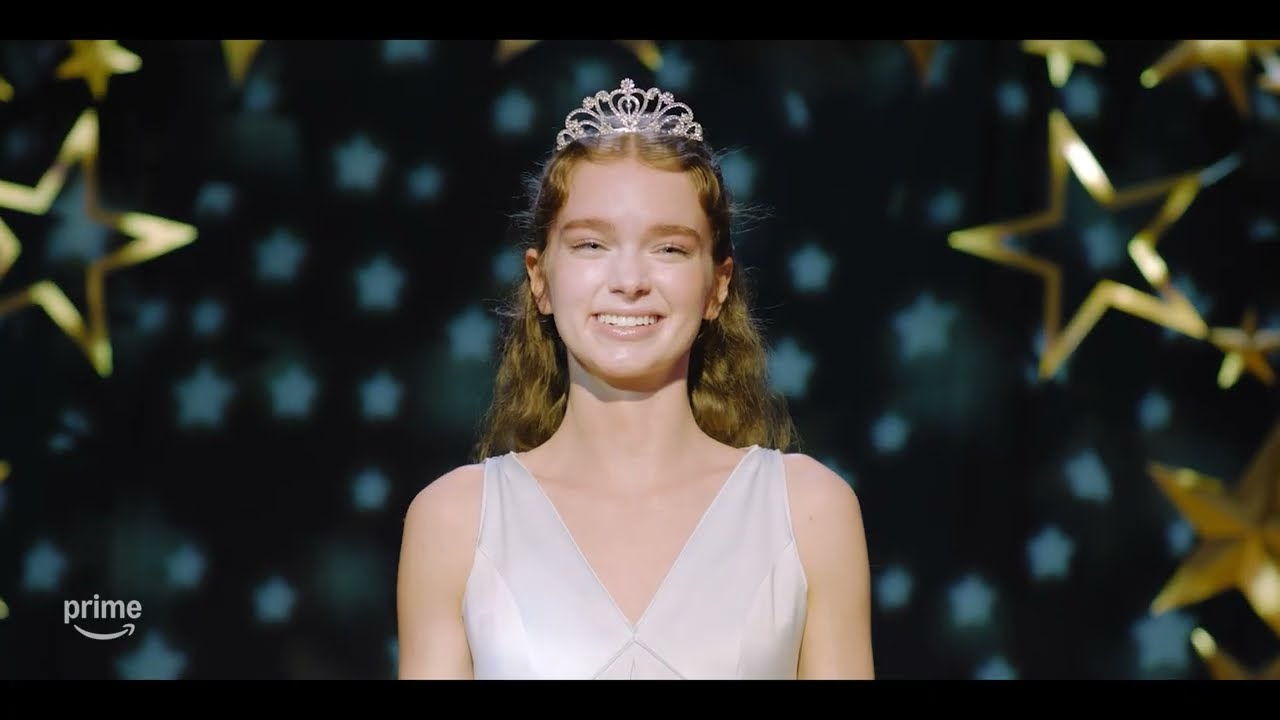
What makes it stand out: It’s the fullest screen version of the novel, but not the best. Key data: De Palma’s 1976 film sits at 94% on Rotten Tomatoes and earned Oscar nominations for Sissy Spacek and Piper Laurie; Kimberly Peirce’s 2013 remake with Chloë Grace Moretz sits at 51%; Flanagan’s series has hovered around 85% from more than 70 reviews. Why it matters: Anyone weighing eight hours against 98 minutes deserves a straight answer.
Here’s ours. If you’ve never seen any Carrie, watch De Palma’s first. It’s shorter, stranger and still one of the great horror films. The split-screen prom, the slow-motion bucket and the final jump scare have been copied for five decades because they’re perfect.
Flanagan’s series is better than the 2013 remake by some distance. Peirce’s film felt like a cover version, too close to De Palma to justify itself, and Moretz never convinced as an outcast. The series, by contrast, has a real reason to exist: the social media angle, the expanded adults and two performances that stand on their own.
It also beats NBC’s largely forgotten 2002 TV film, which let Carrie survive to set up a series that never happened. Flanagan has now pulled off what NBC couldn’t. But fuller isn’t the same as better. De Palma’s ruthlessness is the thing this version most lacks.
10. How It Ranks Among Flanagan’s Shows and King Adaptations
What makes it stand out: It’s Flanagan’s first big series away from Netflix, and his fourth King adaptation. Key data: Flanagan previously adapted King with Gerald’s Game (2017), Doctor Sleep (2019) and The Life of Chuck; Carrie was the No. 1 streaming title on Nielsen’s US chart for the week of 5 to 11 October 2026. Why it matters: Flanagan fans will want to know where this sits next to Midnight Mass and Hill House.
Honestly? In the middle. The Haunting of Hill House and Midnight Mass remain his best television, both built on original ideas that needed every one of their hours. The Fall of the House of Usher was a riot. Carrie is more polished than The Midnight Club and more emotionally direct than Bly Manor, but it doesn’t have the sense of discovery of his best work. You’re always waiting for the prom.
As a King adaptation, Dread Central called it “a worthy addition to Flanagan’s copious King adaptations”, which feels fair. Doctor Sleep remains his most impressive King job, because it reconciled the novel with Kubrick’s film. Gerald’s Game solved a supposedly unfilmable book. Carrie has the opposite problem: the book was already filmed brilliantly, so the bar is sky-high.
Bloody Disgusting summed it up as a modernisation with “mixed results”. That’s harsher than we’d go, but it’s in the right neighbourhood.
11. Who Should Watch It, and Filmoria’s Final Verdict
What makes it stand out: It’s a well-made, superbly acted horror series that asks a bigger time commitment than its story can justify. Key data: Filmoria rates it 3.5 out of 5; Dread Central (4/5), TheWrap and The Playlist were positive, while Film Stories, Gizmodo, Bloody Disgusting and FandomWire (5/10) were mixed. Why it matters: At eight hours, you should know what you’re signing up for.
Watch it if you’re a Flanagan regular who loved Midnight Mass, if you want to see a breakout lead performance from Summer H. Howell, or if you’ve got teenagers of your own and want a horror show that actually understands what phones have done to bullying.
Skip it if you want the lean, nasty shock of De Palma’s film, if slow middle episodes test your patience, or if you’d rather not commit to a story that now ends on a Season 2 cliffhanger. It also contains strong violence and sustained cruelty towards a teenager, which some viewers will find hard going.
Filmoria’s verdict is 3.5 out of 5. Carrie has two performances worth the price of a Prime subscription on their own, a genuinely clever modern spin and a prom sequence that delivers. It’s let down by a story stretched too thin and an ending more interested in what’s next than in finishing what it started. Watch the first two episodes. If you’re hooked by then, you’ll make it through the rest.
The Bottom Line
Fifty years after De Palma turned King’s first novel into a horror classic, Mike Flanagan has made the most humane Carrie yet. Summer H. Howell is a find, Samantha Sloyan is chilling, and the move to a world of phones and viral clips gives the story a sting it hasn’t had in decades. But eight hours is too long for this tale, and the finale swaps tragedy for a sequel hook. It’s a good show with a great one hiding inside it. For more streaming verdicts, read our Below review and our East of Eden review, or catch up on what we know about Carrie Season 2.
Sources: Dread Central review; Film Stories review; Bloody Disgusting review; The Hollywood Reporter (casting); TheWrap (Nielsen chart); Prime Video official trailer. Last updated: 30 October 2026.
Frequently Asked Questions
Is Carrie on Prime Video worth watching?
Yes, mostly. Filmoria rates Carrie 3.5 out of 5 for Summer H. Howell and Samantha Sloyan’s excellent performances and its sharp social media update, though the middle episodes drag and the ending is built around a Season 2 set-up.
Is the new Carrie series scary?
Carrie is more of a slow-burn psychological horror than a jump-scare show for most of its run, but the prom episodes deliver strong, bloody violence once Carrie’s powers are unleashed.
How is the Prime Video Carrie different from the book?
The series moves Stephen King’s 1974 story to the present day, makes social media and viral videos central to the bullying, expands the adult characters, and changes the ending so that Carrie survives.
Does Carrie die at the end of the Prime Video series?
No. Unlike the novel and the 1976 film, Carrie White survives the Season 1 finale, which sets up a second season.
Has Carrie been renewed for Season 2?
Yes. Prime Video renewed Carrie for a second season on 22 October 2026, but no release date has been announced.
What did Stephen King think of the Carrie series?
Stephen King, an executive producer on the show, called it brilliant on Threads and said its take on social media was shocking and true.
Is the Carrie series better than the 1976 film?
Not quite. Filmoria thinks Brian De Palma’s 1976 film, which earned Oscar nominations for Sissy Spacek and Piper Laurie, is still the best version, but the series is far stronger than the 2013 remake.
What is the Rotten Tomatoes score for Carrie 2026?
Mike Flanagan’s Carrie has held a Rotten Tomatoes score of around 85 percent from more than 70 critics, compared with 94 percent for the 1976 film and 51 percent for the 2013 remake.
Where was the Carrie series filmed?
Carrie was reportedly filmed in Vancouver, Canada, standing in for the fictional town of Chamberlain, Maine.
Is Carrie suitable for teenagers?
Carrie is aimed at adults and older teens because it contains strong violence, gore and sustained bullying; a UK BBFC certificate has not been confirmed, so check the Prime Video age rating first.
📸 Follow us on Instagram for daily film, TV & gaming news: @filmoriauk

Jon Dingle Editor
A film journalist, writer and a filmmaker in business for over 20 years. I am passionate about movies, television series, music and online games. When I'm not reviewing the latest releases, you'll usually find me deep in a retro gaming session or catching up on the newest prestige drama. I believe great storytelling deserves an honest take, whatever the screen it's on.