


Monster: The Lizzie Borden Story Review: 10 Things to Know About Netflix’s Most Divisive True Crime Season Yet
OTT Reviews 20th September 2026 Oliver Laurent
Filmoria Review
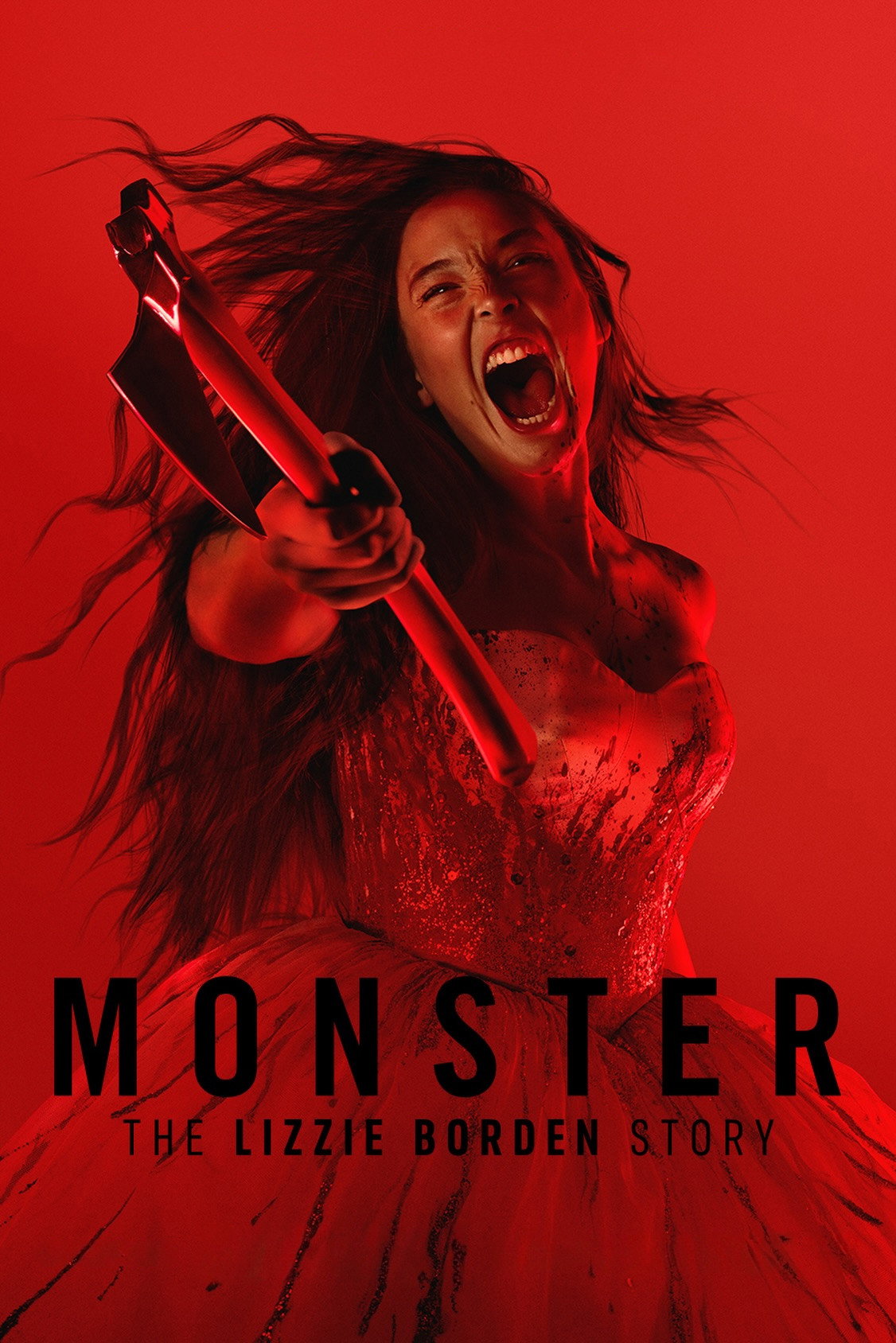
Key art © Netflix, via TMDB.
TL;DR: Ryan Murphy’s true-crime anthology swings an axe at nuance and mostly misses, but Vicky Krieps, Rebecca Hall and Sarah Paulson are good enough to make you stick around for the bloody, overstuffed ride anyway.
Filmoria Rating: ★★☆☆☆ (2.5/5)
Quick Facts
- Creators: Ryan Murphy & Ian Brennan (Brennan writes and showruns)
- Cast: Ella Beatty, Vicky Krieps, Charlie Hunnam, Rebecca Hall, Billie Lourd, Jessica Barden, Joey Pollari, Sarah Paulson
- Episodes/Runtime: 8 episodes, 39–63 minutes each, all released at once
- Platform: Netflix
- Release date: September 17, 2026
- Rating: 18 (UK) / TV-MA (US) — graphic violence, sexual content
This is a ranked list of the ten things most worth knowing about Monster: The Lizzie Borden Story before you press play, built from Filmoria’s own viewing of all eight episodes and the wider wave of reviews that landed alongside the premiere.
The items below are ordered the way a critic actually works through a verdict: premise first, then the performances that carry it, then the direction and writing choices that either justify or undercut those performances, then how the season sits against its own franchise, and finally who should bother and why. The comparison table summarises Filmoria’s rating for each aspect before the full breakdown underneath.
| Aspect | Filmoria Rating | Verdict |
|---|---|---|
| Story & Writing | 2/5 | Loose with the facts and heavy-handed with its themes, trading nuance for shock value |
| Performances | 4/5 | Krieps, Hall and Paulson elevate thin material well above what it earns |
| Direction & Style | 3/5 | Gorgeous gothic maximalism let down by wildly uneven tonal control |
| Pacing (8 episodes) | 2.5/5 | Sags badly in the middle third before a stronger final stretch |
| Vs. Dahmer / Menendez / Ed Gein | Not disclosed | Widely considered the weakest season of the anthology so far |
| Overall | 2.5/5 | Worth it for the cast, frustrating for anyone wanting depth |
1. The Setup: A Familiar Victorian Nightmare, Retold as Gothic Camp
What makes it stand out: This is the fourth season of Netflix’s Monster anthology, and the first to centre on a woman accused rather than a male killer. Key data: Eight episodes, released all at once on September 17, 2026, dramatising the 1892 axe murders of Andrew and Abby Borden in Fall River, Massachusetts. Why it matters: The franchise’s whole appeal is picking apart why these cases still grip us, and Lizzie Borden — acquitted, never officially solved, endlessly rhymed about — is arguably the most mythologised true-crime figure America has.
The season opens inside the suffocating Borden household: a controlling father who counts every penny, a stepmother Lizzie despises, and a housemaid, Bridget “Maggie” Sullivan, who becomes Lizzie’s only real confidante. From there it fractures into something closer to gothic horror than procedural drama, jumping timelines and even historical eras to make its case that Lizzie was less a monster than a product of one. It is a genuinely interesting angle for the franchise to take. Whether the show has the discipline to follow through on it is a different question, and it’s the one this whole review is really answering.
Structurally, the season alternates between the slow tightening of the Borden household in the months before the murders and the media circus that followed — reporters camped outside the courthouse, a jury visibly unsure what to make of a woman accused of the unthinkable, a public that couldn’t decide whether to pity or despise her. That back-and-forth is one of the smarter formal choices Murphy and Brennan make, because it keeps the show from ever settling into a simple “did she or didn’t she” mystery. The real Lizzie Borden was acquitted and the case was never solved, and the show leans into that ambiguity rather than trying to resolve it, which is more interesting than a tidier true-crime dramatisation would have been, even when the execution around that idea gets messy.
2. Ella Beatty’s Lizzie: Stillness as a Choice, Not a Flaw

Ella Beatty as Lizzie Borden. Photo © Netflix, via TMDB.
What makes it stand out: Beatty, in her first major leading TV role, plays Lizzie with a deliberate flatness that critics have split hard on. Key data: Warren Beatty and Annette Bening’s daughter, cast at 26 to play Lizzie across roughly her mid-twenties to early thirties. Why it matters: The lead performance is the hinge the whole season swings on, and this one has divided reviewers more than almost anything else about the show.
Some critics have read Beatty’s “inscrutable blankness” as the smartest choice in the season — a woman who has learned that showing nothing is the only safety available to her, letting the horror leak out around the edges instead of through her face. Others have called the same performance “vacant,” arguing it leaves a hole where the show’s emotional centre should be. Watching all eight hours, Filmoria lands closer to the first camp, but only barely. Beatty is doing careful, controlled work, and there are moments — a courtroom stare held a beat too long, a flicker of something like relief after the murders — that land precisely because she’s underplaying everything around them. The problem is that the show surrounding her rarely earns that restraint, which makes her performance feel like it belongs to a better, quieter series than the one Murphy and Brennan actually built.
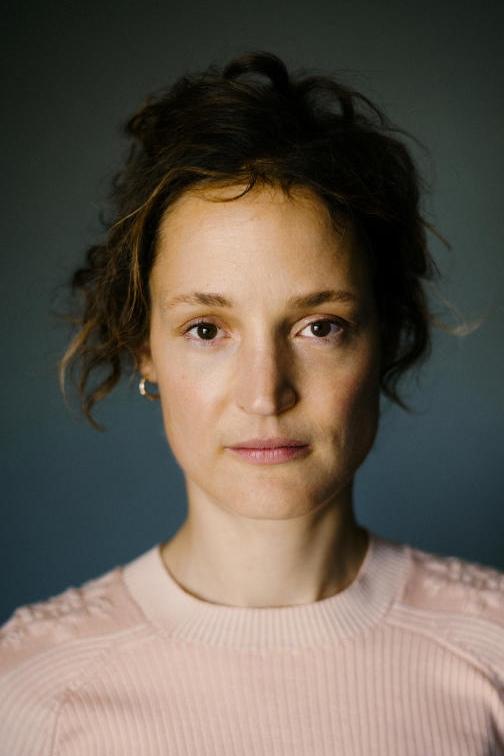
3. Vicky Krieps Steals the Season as Bridget Sullivan
Vicky Krieps as Bridget Sullivan. Photo © Netflix, via TMDB.
What makes it stand out: Nearly every review of this season, positive or negative, singles Krieps out as the best thing in it. Key data: Krieps plays both the Bordens’ maid and, in a separate historical strand the season weaves in, Elizabeth Báthory — the “Blood Countess” of 16th-century Hungarian legend. Why it matters: When the consensus among warring critics is this unanimous, it’s worth paying attention to.
Krieps gives Bridget a watchful, coiled intelligence that the script doesn’t always ask for but always benefits from. She’s playing a servant who understands the Borden household’s cruelties better than anyone in it, including the family, and Krieps lets you see her calculating in real time — what to say, what to withhold, how far this alliance with Lizzie can go before it becomes dangerous for her too. It’s the season’s most purely enjoyable performance because it’s the one that trusts subtext over declaration, and it makes a strong case that Bridget, not Lizzie, was the more interesting character to build a season around in the first place.
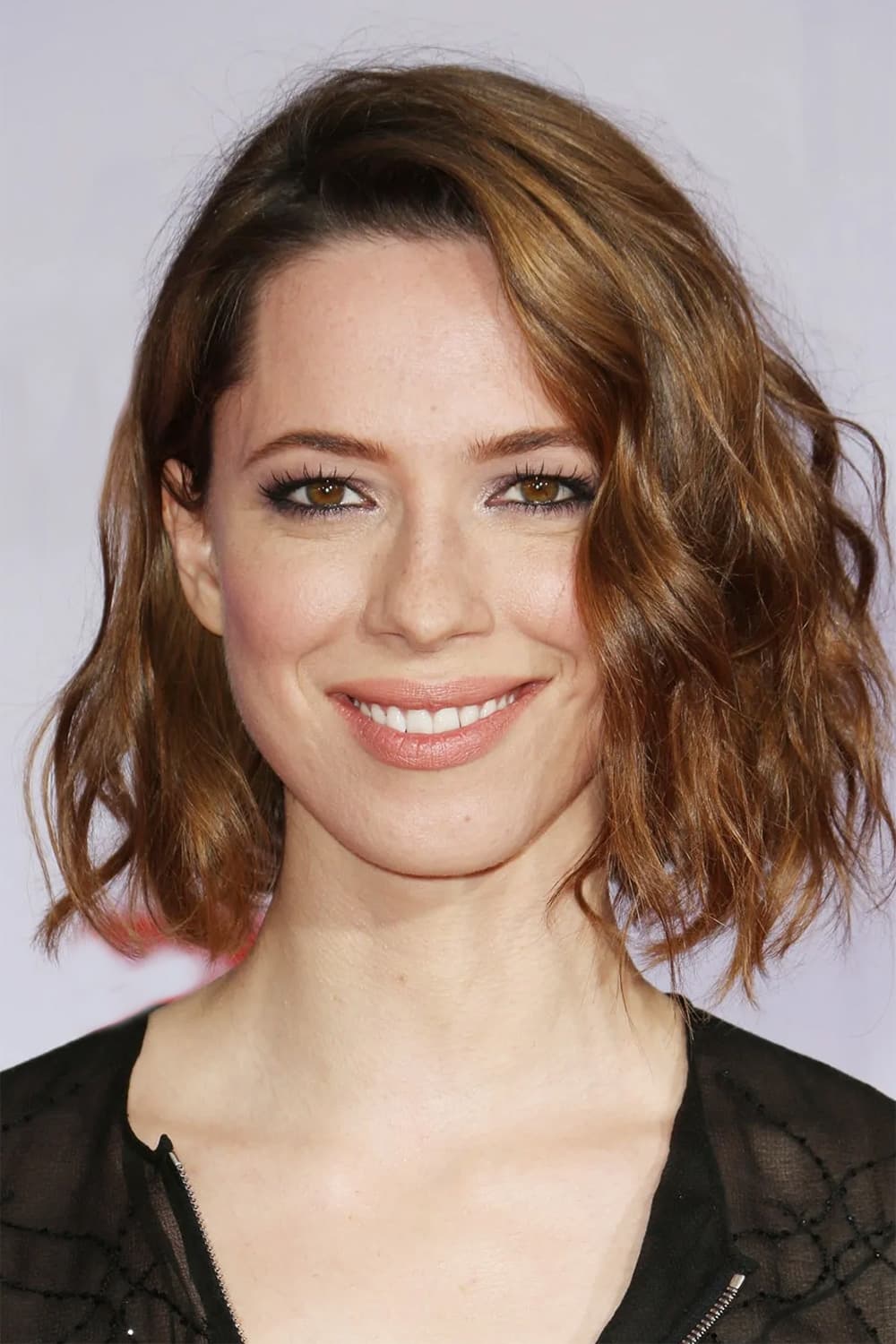
4. Rebecca Hall’s Abby Borden Is the Best Reason to Watch
Rebecca Hall as Abby Borden. Photo © Netflix, via TMDB.
What makes it stand out: Hall plays Abby as a “shrill shrew” turned into something closer to a phenomenal villain, and reviewers across the political spectrum of opinion on this show agree she’s the standout. Key data: Hall’s Abby anchors most of the season’s first half, opposite Charlie Hunnam’s Andrew. Why it matters: Where Beatty plays restraint and Krieps plays control, Hall goes fully, gleefully big — and it turns out that’s exactly what this show needed more of.
Hall attacks every ridiculous line as if it were Shakespeare, and that commitment is what makes the season’s campier instincts actually work when they land. She understands that this isn’t a subtle show and refuses to pretend otherwise, playing Abby’s pettiness, her small cruelties, her genuine fear of the daughter she’s failed to control, all at full volume and all at once. It’s a performance built for exactly this kind of maximalist, blood-soaked melodrama, and it’s the clearest evidence in the whole season that Murphy and Brennan’s instincts aren’t wrong so much as inconsistently executed. When the show lets Hall lead, it sings. When it doesn’t, you feel the absence.
5. Charlie Hunnam Plays the Patriarchy Without Much Nuance — On Purpose
What makes it stand out: Hunnam’s Andrew Borden is written as pure, casual cruelty, with almost no interiority offered in his defence. Key data: Hunnam, best known for gruffer leading-man roles, plays against type as a miserly, controlling Victorian patriarch. Why it matters: The choice to make Andrew simply, unambiguously awful is central to the show’s whole feminist-revenge framing, and it’s one of the more genuinely debated decisions in the season.
Critics have split on whether this flatness is a feature or a bug. The show wants Andrew to function as an indictment of a system, not a person — every small humiliation he inflicts on Lizzie is meant to accumulate into justification for what comes later. Hunnam plays that assignment competently, but the character never really surprises you, and a handful of reviewers have argued the show would be stronger if Andrew’s cruelty felt more specific and less like a thesis statement wearing a moustache. Filmoria falls somewhere in the middle: it’s a functional villain performance in service of a genuinely interesting argument, even if the argument gets made louder than it needs to be, episode after episode.
It doesn’t help that Hunnam is working from the thinnest characterisation in the main cast. Where Hall gets to be gleefully monstrous and Beatty gets ambiguity, Andrew is mostly just there to be resented, a plot function dressed in period costume. That’s a defensible choice for a show building toward a specific argument about patriarchal violence, but it does mean the season’s most straightforwardly “evil” figure ends up being its least memorable performance, which is an odd outcome for a cast this stacked.
6. Ryan Murphy and Ian Brennan’s Direction: All Style, Little Restraint
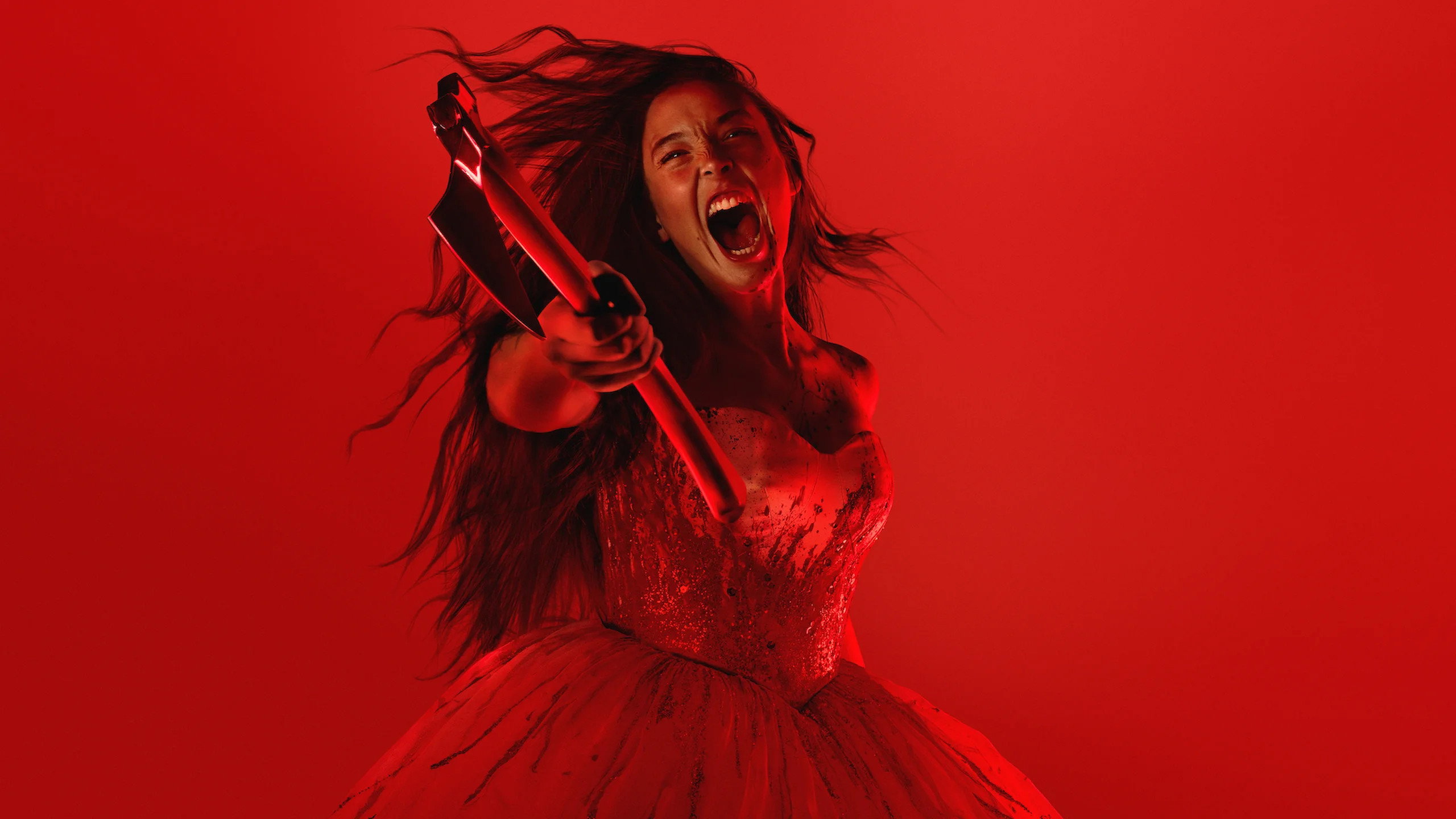
A scene from Monster: The Lizzie Borden Story. Photo © Netflix, via TMDB.
What makes it stand out: The season is drenched in maximalist gothic imagery — blood-soaked hallways, anachronistic needle drops, dream sequences that blur centuries. Key data: Murphy and Brennan share creator credit; Brennan is the primary writer and showrunner this season, continuing the pair’s long collaboration from Glee through Dahmer. Why it matters: The craft is the most consistently praised element after the performances, but almost every review flags the same problem: nobody reins it in.
Visually, this is a handsome, confident season of television. The Fall River house is shot like something out of a horror film, all shadow and claustrophobia, and the show is unafraid of big needle-drop swings — Kate Bush, a deliberately obvious Verve cut during a poisoning scene, Lambrini Girls blasting over a murder sequence. Some of these choices land as genuinely thrilling, irreverent television; several critics singled the poisoning-scene needle drop out as a highlight. Just as many, though, landed as “aggressively obvious,” underlining points the show has already made two or three times already. The season never met a metaphor it didn’t want to say out loud, twice, in bold. That’s a fixable problem in theory. In practice, across eight episodes, it wears you down.
7. The Sarah Paulson Digression: A Bold Swing That Doesn’t Land
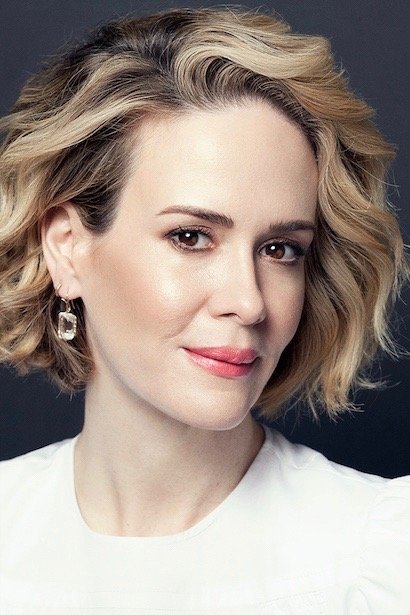
Sarah Paulson as Aileen Wuornos. Photo © Netflix, via TMDB.
What makes it stand out: Paulson, a franchise veteran from earlier Monster seasons, appears in a separate strand as real-life serial killer Aileen Wuornos, threaded through Lizzie’s story as a kind of spiritual echo across a century. Key data: The Wuornos material runs through several episodes rather than appearing as a one-off cameo. Why it matters: It’s the single most divisive structural choice in the season, and it’s the one Filmoria agrees least with, even while admitting Paulson is excellent in it.
On paper, connecting Borden and Wuornos as two women driven to violence by the men and systems around them is a bold, ambitious idea, exactly the kind of anthology-bending swing a franchise four seasons deep should be allowed to take. In practice, it plays as a distraction, pulling focus from a Borden story that’s already struggling to justify eight hours of runtime. Paulson’s performance is compelling on its own terms — committed, unsettling, technically excellent — and more than one critic has openly wondered why Murphy didn’t just build an entire season around her Wuornos instead of folding her into someone else’s. That’s not a compliment to how this particular choice was executed, even if it’s a compliment to Paulson.
8. How It Stacks Up Against Dahmer, Menendez and Ed Gein
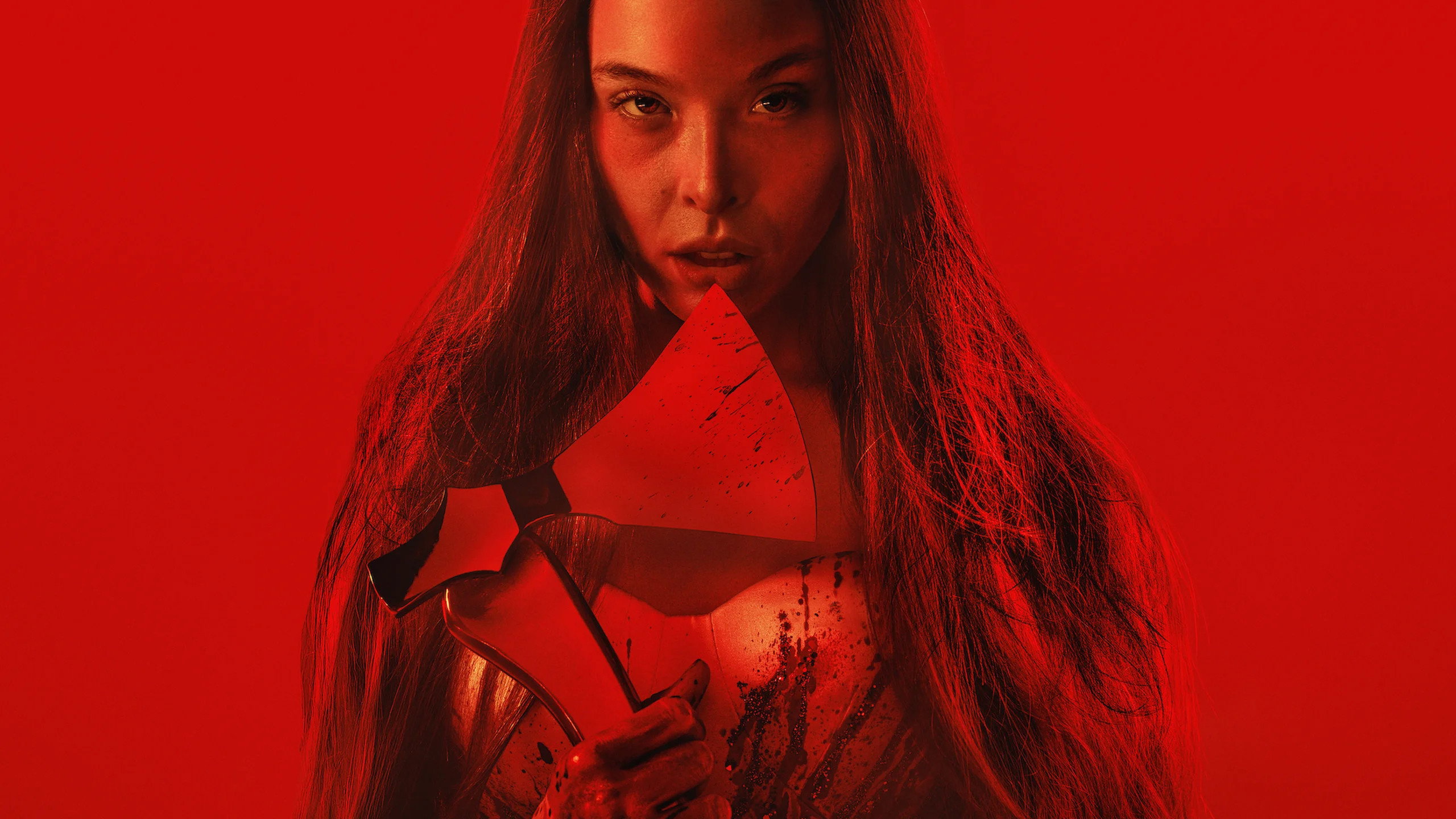
A courtroom scene from the series. Photo © Netflix, via TMDB.
What makes it stand out: Reviewers are remarkably consistent in ranking this the weakest of the anthology’s four seasons to date. Key data: Previous seasons covered Jeffrey Dahmer (2022), the Menendez brothers (2024) and Ed Gein (2025); this is the first built around a woman and the first to lean this heavily into stylised camp over grounded procedural detail. Why it matters: Context matters for a franchise verdict — is this a bad show, or a good franchise’s off season?
Dahmer worked because it paired lurid material with a genuine, if uncomfortable, interest in the mechanics of how a killer went unnoticed for so long. The Menendez season leaned into competing narratives and courtroom drama with real tension. Even Ed Gein, divisive as it was, stayed tethered to something resembling investigative curiosity. Lizzie Borden is the first season to more or less abandon that approach in favour of mood, theme and spectacle, and the results are exactly as inconsistent as that trade-off suggests. It’s not a disaster — the craft and performances keep it well above the franchise’s floor — but ranked against its three predecessors, this is comfortably the shakiest outing, and the one most likely to be skipped by anyone who only has time for one Monster season this year.
9. The Pacing Problem Across Eight Episodes
What makes it stand out: At roughly six and a half hours total, the season front-loads its strongest material and sags hard through the middle. Key data: Episode runtimes range from 39 to 63 minutes; the finale is the longest episode by a wide margin. Why it matters: For a binge-drop true-crime series, pacing across the whole run — not just any single hour — is what actually determines whether it’s worth the time investment.
The first two episodes move briskly, establishing the household’s dynamics with real efficiency. Then the Wuornos digression and an extended stretch of courtroom and flashback material in episodes four through six slow everything to a crawl, repeating thematic beats the show has already made clearly. It’s only in the final two episodes, as the season builds toward the murders and their aftermath, that the pacing snaps back into focus, delivering the season’s most gripping stretch by some distance. If you’re the kind of viewer who bails on a slow middle, you’ll miss the best of it. Filmoria’s honest recommendation is to push through episode five specifically; it’s the low point, and things do genuinely improve after it.
This is where the binge-drop release model works against the show a little. Weekly release, of the kind Apple TV+ used for Slow Horses this same month, would have forced some breathing room between the sluggish middle episodes and given viewers time to digest one thematic swing before the next one arrived. Dropped all at once, the repetition is more exposed, and the temptation to burn through the slow stretch in one sitting only makes the pacing problems more noticeable, not less.
10. Who Should Watch It — and Filmoria’s Final Verdict
What makes it stand out: This is a season built for performance chasers and true-crime completists first, casual viewers a distant second. Key data: Early Rotten Tomatoes tallies sat around 29% from initial reviews, alongside individual scores ranging from harsh (2/5, 5/10) to genuinely enthusiastic; Filmoria’s own rating lands at 2.5/5. Why it matters: Knowing who a show is actually for matters more than a single aggregate number ever will.
If you came to the Monster franchise for grounded, uncomfortable true-crime storytelling in the mould of Dahmer, this season is likely to frustrate you — it’s playing a different, campier game, and it knows it. If you’re watching primarily for performances, awards-conversation turns from actors working at the top of their craft, or you simply have an appetite for gothic maximalism and don’t need every needle drop to be subtle, there’s a genuinely good time to be had here, especially once the back half kicks in. Newcomers to the franchise should start with Dahmer instead; longtime fans of the anthology will find enough here to justify eight hours, even while acknowledging it’s the shakiest entry yet. Filmoria’s verdict: a messy, overreaching, frequently frustrating season saved from being a genuine disappointment by three performances that are simply better than the material surrounding them.
The Bottom Line
Monster: The Lizzie Borden Story is a season at war with itself — a show that has something real to say about the Victorian-era forces that could push a woman toward an axe, buried under an avalanche of style choices that keep undercutting its own argument. Vicky Krieps, Rebecca Hall and Sarah Paulson all do work worth your time regardless of what you think of the writing around them, and the final two episodes deliver the propulsive, unsettling television this franchise built its reputation on. It’s not the season to convert a skeptic to the Monster format, but for anyone already invested in this strange, uneven anthology, it’s a flawed, watchable, occasionally brilliant instalment rather than a reason to give up on it.
What lingers after the credits roll isn’t the axe murders themselves, or even the courtroom theatrics, but the handful of scenes where the show trusts its actors to sit in silence and let the dread do the work — Krieps watching Bridget calculate her next move, Hall’s Abby realising too late what she’s raised, Beatty’s Lizzie exhaling after the verdict. Those moments suggest a tighter, six-episode version of this season that trusted its cast a little more and its needle drops a little less. That’s not the season Netflix released. It’s the season that makes this one worth arguing about, which, for a franchise built on provocation, might be the point after all.
Frequently Asked Questions
What is Monster: The Lizzie Borden Story about?
It’s the fourth season of Netflix’s true-crime anthology series Monster, dramatising the 1892 axe murders of Andrew and Abby Borden in Fall River, Massachusetts, and the trial of their daughter Lizzie, who was acquitted.
When did Monster: The Lizzie Borden Story come out on Netflix?
All eight episodes premiered on Netflix on September 17, 2026, released at once rather than weekly.
How many episodes does Monster: The Lizzie Borden Story have?
The season has eight episodes, ranging from 39 to 63 minutes each, for a total runtime of roughly six and a half hours.
Who plays Lizzie Borden in the new Netflix series?
Ella Beatty, daughter of Warren Beatty and Annette Bening, plays Lizzie Borden in her first major leading television role.
Who else stars in Monster: The Lizzie Borden Story?
The cast includes Vicky Krieps as housemaid Bridget Sullivan, Charlie Hunnam as Andrew Borden, Rebecca Hall as Abby Borden, Billie Lourd as Emma Borden, Jessica Barden as Nance O’Neil, Joey Pollari as John Morse, and Sarah Paulson as Aileen Wuornos.
Is Monster: The Lizzie Borden Story connected to Dahmer and Monster: The Menendez Brothers?
Yes, it’s the fourth instalment in the same Netflix anthology series, following Monster: The Jeffrey Dahmer Story (2022), Monster: The Lyle and Erik Menendez Story (2024) and Monster: The Ed Gein Story (2025), though each season is a self-contained story with a new cast.
Is Monster: The Lizzie Borden Story based on a true story?
Yes, it dramatises the real 1892 Borden murder case, though creators Ryan Murphy and Ian Brennan take significant creative liberties with timelines, ages and relationships rather than sticking closely to the historical record.
How historically accurate is Monster: The Lizzie Borden Story?
Several critics and historians have noted the show departs heavily from the documented facts of the case, including altering Lizzie’s age at the time of the murders (she was 32, not the younger woman implied on screen) and inventing relationships not supported by the historical record.
Why is Sarah Paulson playing Aileen Wuornos in a Lizzie Borden show?
The season weaves in a separate strand about real-life serial killer Aileen Wuornos as a thematic echo of Lizzie’s story across a century; it’s a structural choice that divided critics, many of whom found it a distraction from the main story despite praising Paulson’s performance.
Who created and showran Monster: The Lizzie Borden Story?
Ryan Murphy and Ian Brennan share creator credit on the anthology, with Brennan serving as the primary writer and showrunner for this season.
Is Monster: The Lizzie Borden Story worth watching?
It’s worth watching mainly for the performances from Vicky Krieps, Rebecca Hall and Sarah Paulson and a strong final two episodes, but critics and Filmoria both consider it the weakest season of the anthology so far, hampered by heavy-handed writing and uneven pacing.
What did critics say about Monster: The Lizzie Borden Story?
Reception was mixed to negative overall: outlets including The Hollywood Reporter and Consequence were sharply critical of its handling of feminist themes, while NME, TheWrap and others praised its performances and gothic style even while flagging its lack of subtlety.
What is Monster: The Lizzie Borden Story’s Rotten Tomatoes score?
Early aggregation showed the season in the high-20s percent range on the Tomatometer based on initial reviews, reflecting the mixed-to-negative critical consensus, though the score was still being updated with more reviews shortly after release.
Is there a season 5 of Monster confirmed?
As of this review’s publication, Netflix had not officially confirmed the subject of a fifth Monster season.
What age rating does Monster: The Lizzie Borden Story have?
Consistent with previous Monster seasons, it carries an 18 certificate in the UK and a TV-MA rating in the US for graphic violence and sexual content.
Where can I watch Monster: The Lizzie Borden Story in the UK?
The series is streaming exclusively on Netflix in the UK, as with previous Monster seasons.
How does Monster: The Lizzie Borden Story compare to Monster: The Ed Gein Story?
Critics generally rank the Lizzie Borden season below the Ed Gein season, arguing it leans further into stylised camp at the expense of the grounded investigative detail that made earlier seasons work.
Is Monster: The Lizzie Borden Story scary or more of a drama?
It’s closer to gothic melodrama with horror-inflected imagery than a straightforward horror series, mixing courtroom drama, family dysfunction and stylised violence rather than sustained scares.
What really happened to Lizzie Borden after her trial?
The real Lizzie Borden was acquitted of the murders in 1893 and lived in Fall River until her death in 1927; the case was never officially solved and remains one of America’s most famous unresolved true-crime stories.
How long does it take to watch all of Monster: The Lizzie Borden Story?
The full eight-episode season runs approximately six and a half hours in total, with episode lengths ranging from 39 to 63 minutes.
📸 Follow us on Instagram for daily film, TV & gaming news: @filmoriauk

Oliver Laurent
Writes about mainstream releases and the business behind them for Filmoria — box office, studio strategy and the long tail of franchise filmmaking.