
The Lord of the Rings: The Rings of Power Season 3 Review: 12 Things That Decide Its Darkest Season Yet
OTT Reviews 13th November 2026 Oliver Laurent
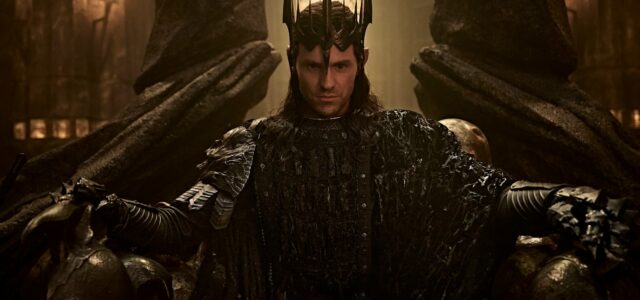
Filmoria Review
This article contains affiliate links. As an Amazon Associate, Filmoria earns from qualifying purchases.
The Lord of the Rings: The Rings of Power Season 3 is the show’s most confident run yet, but it isn’t the full reset Prime Video promised. The eight-episode season started streaming on Prime Video in the UK on 11 November 2026 with four episodes, followed by two more on 18 November and the final two on 25 November. Charlie Vickers’ Sauron and the forging of the One Ring carry it. A crowded ensemble and a soapy Khazad-dûm plot drag it back. Filmoria’s rating: 3.5 out of 5.
Filmoria Verdict
★★★½☆ 3.5/5
Filmoria’s verdict: Sauron finally makes The Rings of Power worth the time, even if half the map still feels like filler.
TL;DR
Season 3 jumps forward five years, into the open war between the Elves and Sauron, and puts the making of the One Ring at the centre. It’s darker and more focused than Season 1, and at its peak it’s better than Season 2. It still carries too many storylines for eight hours, and the Dwarves and Númenor slow it down whenever the camera leaves Mordor.
Quick Facts
- Showrunners: J.D. Payne and Patrick McKay
- Directors: Charlotte Brändström, Sanaa Hamri and Stefan Schwartz
- Cast: Charlie Vickers, Morfydd Clark, Robert Aramayo, Jamie Campbell Bower, Owain Arthur, Sophia Nomvete, Daniel Weyman, Ciarán Hinds, Trystan Gravelle, Lloyd Owen
- Episodes: 8, released in three batches (4 + 2 + 2)
- Platform: Prime Video
- Release: 11 November 2026 (episodes 1 to 4); finale 25 November 2026
- Filmed at: Shepperton Studios, UK
- Filmoria rating: 3.5/5
In the UK
- UK release: Episodes 1 to 4 out now (11 November 2026), episodes 5 and 6 on 18 November, episodes 7 and 8 on 25 November.
- Where to watch: Prime Video UK only, included with an Amazon Prime membership or a standalone Prime Video subscription.
- Release time: Episodes go live at midnight Pacific time, which is 8am in the UK.
- Age rating: A UK age rating for Season 3 is not yet confirmed in Amazon’s published materials.
Watch The Rings of Power Season 3 on Prime Video
This is a ranked list of the 12 things that decide whether The Rings of Power Season 3 is worth your time, from the time jump and the cast to the craft, the pacing and our final verdict. The items follow the order you meet them as a viewer: setup first, then performances, then storylines, then craft and comparisons, with the overall verdict last. Our calls are based on the episodes now streaming, the official release details and reviews from critics who saw seven of the eight episodes in advance (Amazon held back the finale).
| # | Aspect | Rating | Verdict |
|---|---|---|---|
| 1 | Five-year time jump | 3.5/5 | Smart reset, only half used |
| 2 | Charlie Vickers’ Sauron | 5/5 | The reason to watch |
| 3 | Forging the One Ring | 5/5 | Best sequence in the show so far |
| 4 | Galadriel and Celeborn | 4/5 | Bower is a strong addition |
| 5 | Elrond and Elros | 4/5 | Aramayo’s double act works |
| 6 | Khazad-dûm subplot | 2/5 | The season’s weakest thread |
| 7 | Númenor civil war | 2.5/5 | Slow to catch fire |
| 8 | Gandalf and the Dark Wizard | 3/5 | Answers arrive, momentum doesn’t |
| 9 | Direction, scale and effects | 4.5/5 | Big-screen television |
| 10 | Pacing across eight episodes | 2.5/5 | Too many stories, too little room |
| 11 | Against Seasons 1 and 2 and its rivals | 3.5/5 | Best peaks, familiar flaws |
| 12 | Final verdict | 3.5/5 | Watch it for Sauron |
1. The Five-Year Time Jump (Season 3, Prime Video)
What makes it stand out: Season 3 skips five years after the fall of Eregion and drops us straight into the War of the Elves and Sauron.
Key data: Eight episodes, premiering 11 November 2026 on Prime Video, with the Harfoot storyline written out.
Why it matters: The jump was sold as a reset for a show that had been criticised for wandering, and it’s the first thing that decides how this season feels.
Here’s the honest version. The jump works on paper. The war is already raging when we arrive, Sauron’s armies are pushing across Middle-earth and the Elves are leaning on their three rings to hold the line. That’s a cleaner starting point than anything Season 1 gave us, and it means the show no longer has to spend two hours explaining why anybody should care about rings at all.
But a reset needs cutting, and the writers didn’t cut enough. Losing the Harfoots helps. Everyone else, though, is still here, and five years of off-screen history have to be explained for each of them. Jeremy Mathai at /Film called the changes half-measures, and we agree with him. The show uses its time jump to raise the stakes, not to slim down, and you feel that in the middle episodes when the story hops from a battlefield to a council chamber to a mine to a desert and back again.
Still, there’s a real gain here. The war gives every storyline a shared clock. Even the weaker plots are now ticking towards the same thing, which is the Ring and what Sauron means to do with it. After two seasons that sometimes felt like separate shows sharing a budget, that counts for a lot.
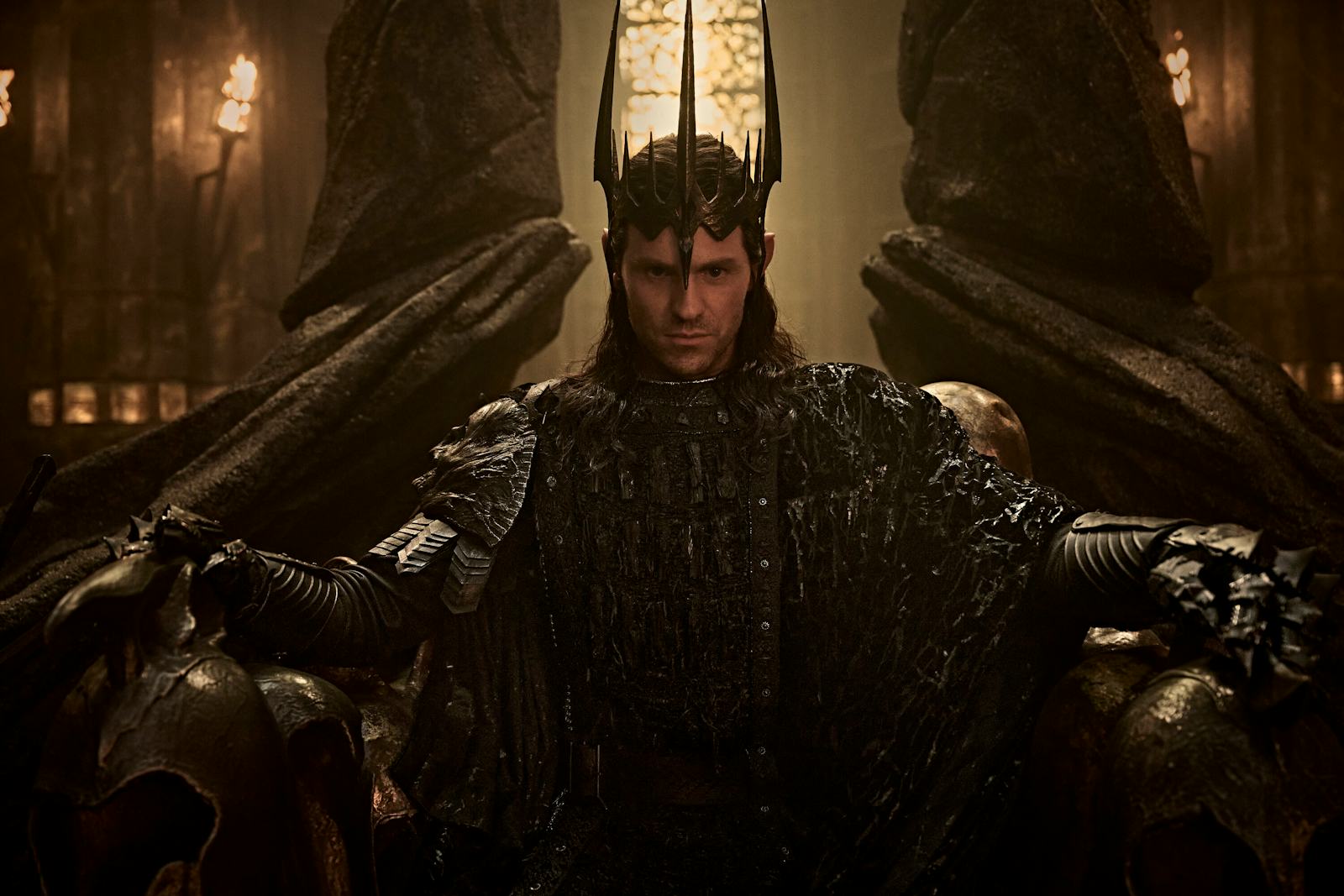
2. Charlie Vickers as Sauron (Prime Video)
What makes it stand out: Vickers plays Sauron as a ruler who is frightening and insecure at once, and he owns every scene he’s in.
Key data: Vickers is in his third season in the role, and every major review we read singles him out, from TheWrap to Nerdist, Inverse and /Film.
Why it matters: This season is built around Sauron, so if he didn’t work, nothing would.
He works. Vickers has always been the show’s secret weapon, first as the mysterious Halbrand and then as Annatar, the bright-eyed gift-giver of Season 2. Season 3 lets him drop the disguise and play the villain outright, and he clearly enjoys it. Hoai-Tran Bui at Inverse describes a more ruthless, “capital ‘E’ evil” turn, and that’s right. But the clever bit is what Vickers keeps underneath. Nerdist’s Rotem Rusak puts it well, calling this Sauron “SO evil and SO pathetic” at the same time.
That mix is what Tolkien’s Sauron needs on screen. He isn’t a fiery eye yet. He’s a fallen craftsman who wants order, wants to be admired and can’t stand being refused. Vickers plays the hurt pride as clearly as the menace, and it makes the scenes where he bargains or threatens far more tense than the battle sequences around them.
Mathai at /Film makes the sharpest point about him: the season soars when Sauron’s on screen and suffers when he isn’t. That’s our view too, and it’s the single best argument for watching. It’s also the season’s biggest problem, because he can’t be in every scene.
3. The Forging of the One Ring (Season 3 centrepiece)
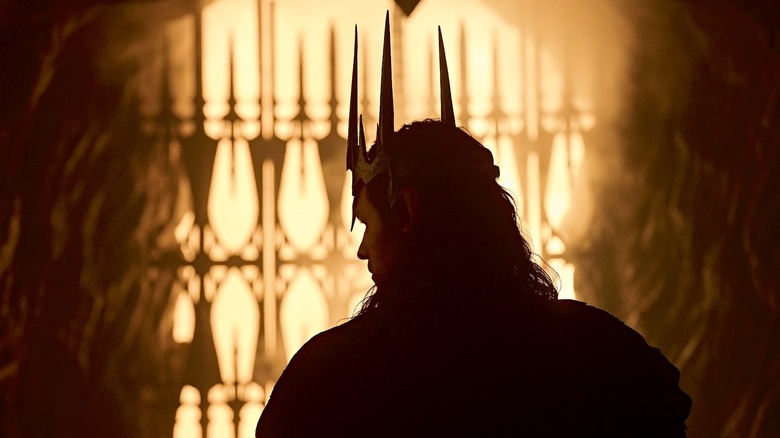
What makes it stand out: The sequence where Sauron forges the master ring is the best thing The Rings of Power has ever put on screen.
Key data: The picture widens to fill the whole screen for the forging, according to TheWrap, and Vickers plays much of it alone against the fires of Mount Doom.
Why it matters: The One Ring is the reason this story exists, and the show finally delivers the moment fans have been waiting three seasons for.
Every Tolkien adaptation lives or dies on how it handles the Ring, and the show gets this one right. Rafael Motamayor at TheWrap calls the forging the highlight of the season and notes the aspect ratio opening up as it happens, a trick that sounds like a gimmick and plays like a jolt. Rusak at Nerdist calls it “truly incredible”. The scene is quiet where you expect it to be loud, and it lets Vickers carry it almost by himself.
What’s smart is that the scene isn’t just spectacle. It’s about the character we’ve just spent two seasons watching lie, flatter and manipulate, finally making something that is only his. The writing gives the forging a private, almost lonely feel. You don’t need to know the appendices to understand that something has gone very wrong for Middle-earth.
Our only reservation is what comes after. Mathai at /Film argues that the Ring’s threat stays abstract and that the show tells us Mordor is close to victory without showing much of it. That’s fair. The forging is a peak. The episodes around it don’t always build on it.
4. Galadriel and Celeborn (Morfydd Clark and Jamie Campbell Bower)
What makes it stand out: Galadriel’s long-lost husband Celeborn finally arrives, and Jamie Campbell Bower gives the show a new emotional centre.
Key data: Bower joined as a series regular for Season 3; Morfydd Clark is in her third season as Galadriel.
Why it matters: Galadriel has been the show’s lead since 2022, and Celeborn changes what she’s fighting for.
Clark has had a tough job. Season 1’s Galadriel was all fury and certainty, and plenty of viewers found her hard to warm to. Season 3 gives her more to play. Bui at Inverse calls her “a shining beacon of the show”, and singles out her visions of Sauron as the series’ strongest new idea. We’d agree. The way the show lets Sauron into her head is creepier than any orc army.
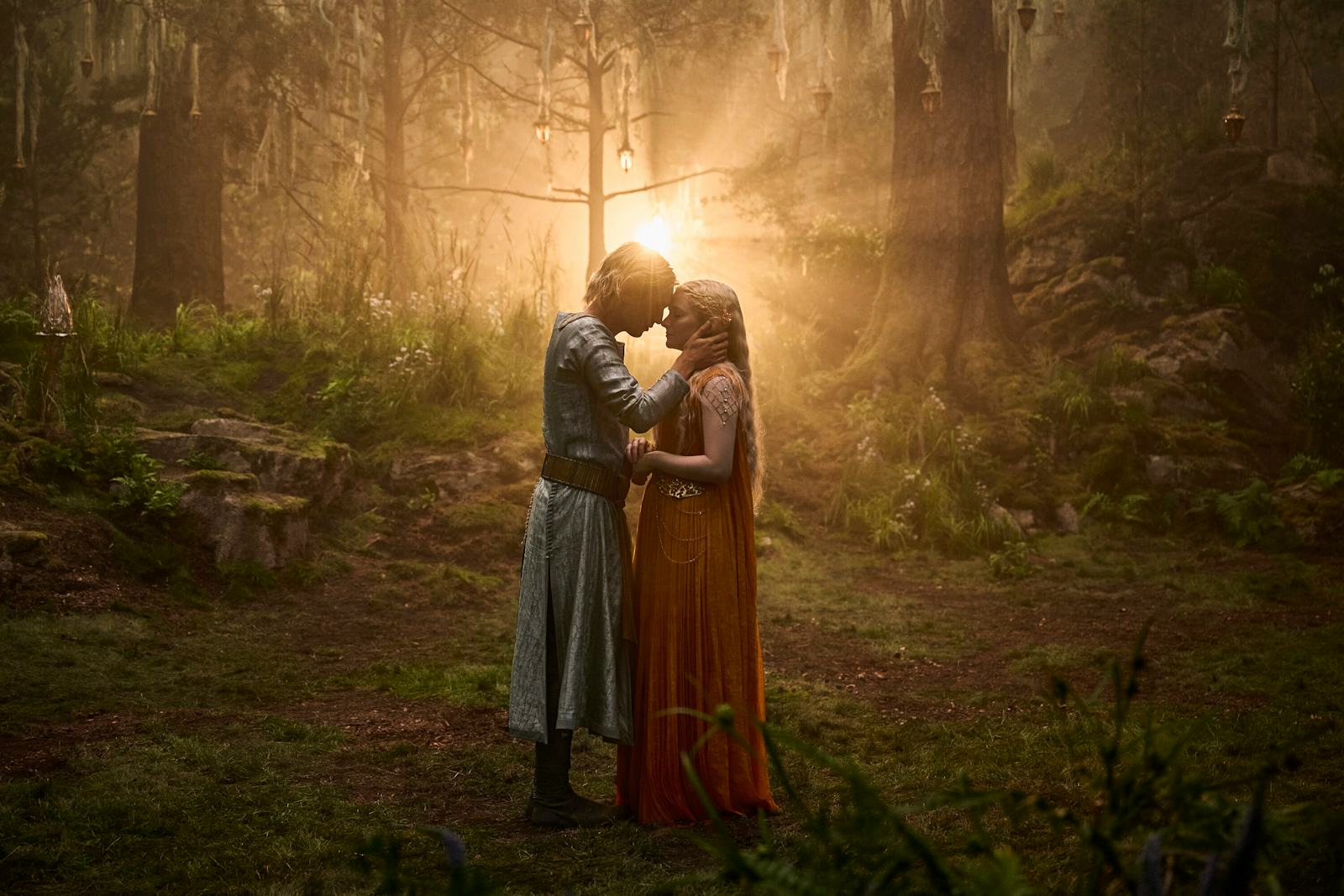
Then there’s Celeborn. Bower, best known as Vecna in Stranger Things, plays him with a melancholy that the show badly needed. TheWrap praises the mix of sadness and hope in the performance, and Inverse notes his “sharp, enigmatic edge”. The marriage storyline is one of the season’s main threads, and it gives Galadriel something to lose that isn’t just a kingdom.
/Film notes that Celeborn’s arrival turns the Galadriel and Sauron connection into a love triangle. That’s the risky part. Tolkien purists may wince at how much romance is in the mix here. But in practice it gives the Elven scenes a human pulse, which is more than they had for most of Season 1.
5. Elrond and Elros (Robert Aramayo)
What makes it stand out: Robert Aramayo plays both Elrond and his twin brother Elros, the first king of Númenor.
Key data: Aramayo is in his third season as Elrond; Season 3 adds the double role and puts Elrond at the heart of the Númenor plot.
Why it matters: Elrond is the character who connects the Elven war to the human kingdom that will eventually fall, and he’s the one who finally gets Númenor moving.
Aramayo has quietly been one of the show’s most reliable actors, and Season 3 gives him his best material. Inverse praises him for “stepping up to play double duty” as the twins, and it’s a neat use of Tolkien’s history. Elros chose to be mortal. Elrond didn’t. Having one actor carry both sides of that choice gives a short scene a lot of weight.
Elrond’s friendship with Durin has always been one of the show’s best relationships, and it’s a shame the Dwarf plot this year (see item 6) gives them less to do together. But his role in Númenor is crucial. Mathai at /Film notes that the island’s civil war only really comes together once Elrond is involved, and that’s true. When Aramayo is on the island, the politics feel urgent. When he isn’t, they drift.
If you’ve been lukewarm on Elrond so far, this is the season that might win you round. He’s no longer just the polite diplomat. He’s someone caught between two worlds, and the show finally plays that out.
6. The Khazad-dûm Subplot (Owain Arthur and Sophia Nomvete)
What makes it stand out: The Dwarves get a new, show-original succession drama involving a brother of King Durin IV and his history with Disa.
Key data: Owain Arthur returns as Durin IV and Sophia Nomvete as Disa; Eddie Marsan joins the cast as Thrain.
Why it matters: Khazad-dûm was the warmest part of Seasons 1 and 2, and this year it’s the part most critics say drags.
This is where we part ways with the season. TheWrap calls the invented brother for Durin IV a “lazy addition” and the weakest thread, and says it slows the first half. /Film calls the succession plot a misguided detour that aims for House of the Dragon drama and doesn’t land. Inverse says the Dwarven plot is “padded with soapy twists”. That’s three very different critics landing on the same problem, and we’d add our name to the list.
It’s frustrating because the raw material is good. Arthur’s Durin is still charming and tender, and Rusak at Nerdist is right that Nomvete’s Stone Singing is a highlight. The pressure on Durin’s people over the Dwarven rings is a genuinely interesting idea, one that ties straight back to Sauron’s plan. The show just buries it under a family feud that feels borrowed from another series.
To be fair, Nerdist disagrees in part. Rusak calls the Dwarf story “touch-and-go at times” but thinks it’s handled well in the end. Maybe the finale pays it off. On the evidence so far, though, this is the subplot most likely to make you reach for your phone.
7. The Númenor Civil War (Trystan Gravelle and Lloyd Owen)
What makes it stand out: The island kingdom splits further, with Trystan Gravelle’s Pharazôn more dangerous than ever.
Key data: Gravelle returns as Pharazôn and Lloyd Owen as Elendil; Númenor gets some of the season’s biggest sets.
Why it matters: Númenor’s fall is one of the most important stories in Tolkien’s Second Age, and it sets up Isildur, Elendil and the Last Alliance.
Visually, Númenor has never looked better. TheWrap describes the scale on the island as a clear step up, and the sets have the weight of a real place. Gravelle is having a ball, too. Nerdist calls his Pharazôn “more sinister and punchable than ever”, which is exactly the energy a would-be tyrant needs.
The trouble is the pace. Bui at Inverse calls Númenor “always a slog”, and criticises Elendil’s scenes as slow. /Film says the civil war takes far too long to take shape. We’d put it this way: the Númenor scenes are often well made, but they feel like chess pieces being moved into place for a season that hasn’t been made yet. Inverse uses almost that exact image, and it’s the right one.
If you love Tolkien’s history, there’s still plenty here. The politics of a proud human kingdom turning away from the Elves is good drama. It just needs sharper writing to compete with what’s happening in Mordor.
8. Gandalf and the Dark Wizard (Daniel Weyman and Ciarán Hinds)
What makes it stand out: The season finally reveals who the Dark Wizard is, and Daniel Weyman’s Stranger is now fully Gandalf, staff and hat included.
Key data: Weyman returns as Gandalf and Ciarán Hinds as the Dark Wizard; their storyline plays out in Rhûn.
Why it matters: It answers the biggest mystery left from Season 2 and introduces the show’s version of the Nazgûl.
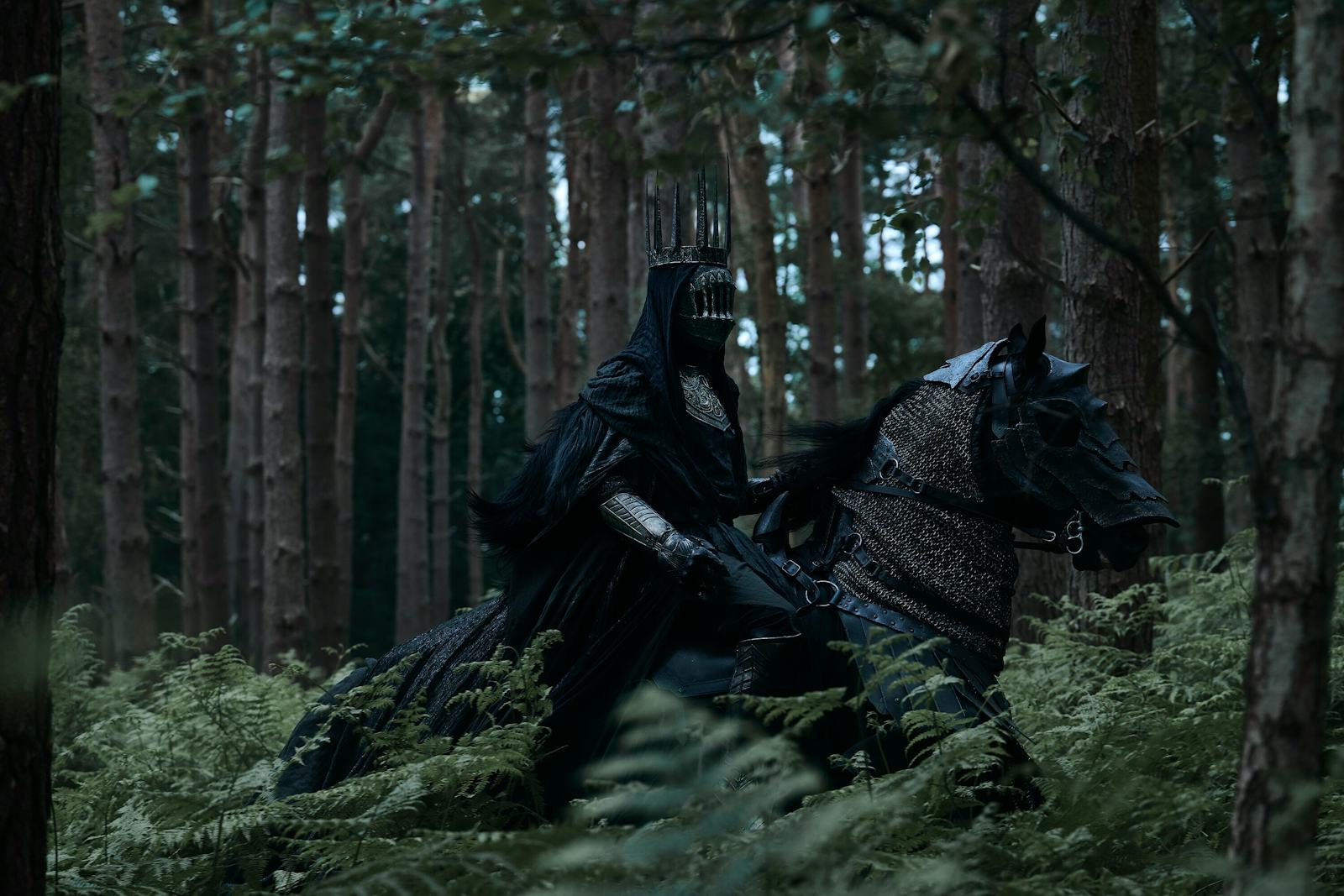
The good news first. The mystery is resolved, so if the Dark Wizard question has been bugging you since 2024, you’ll get your answer. TheWrap notes that the season also shows and names the proto-Nazgûl, and calls them genuinely terrifying. That’s our favourite design choice of the year. These aren’t the ghostly riders of Peter Jackson’s films yet, but you can see the shape of them.
The less good news is that the Rhûn thread still feels separate from everything else. /Film calls the Gandalf and Dark Wizard story another distraction, and Inverse lumps it in with the padded plots. Weyman is a warm, likeable Gandalf, and Hinds brings real gravity. But their scenes often play like a different show that cuts in now and then.
That said, this is the storyline with the most room to grow. With Gandalf now properly Gandalf, a fourth and fifth season have something solid to build on, even if Season 3 spends more time setting him up than using him.
9. Direction, Scale and Effects (Shepperton Studios, UK)
What makes it stand out: Season 3 looks like the most expensive show on television, and much of that comes from practical craft, not just CGI.
Key data: Directed by Charlotte Brändström, Sanaa Hamri and Stefan Schwartz, and filmed at Shepperton Studios after Season 2 was made at Bray Film Studios and Bovingdon.
Why it matters: Even critics who didn’t like the season agree that it’s beautifully made.
This is the one area where there’s barely any argument. Mathai at /Film, the toughest critic we read, still praises “a breathtaking level of scope and scale”. Inverse calls the practical effects “an oasis in a desert of AI slop and shoddy CGI”, which is a great line and a fair one. Episode 4’s big action sequence gets singled out as a standout, and it’s the kind of set piece most streaming shows simply can’t afford.
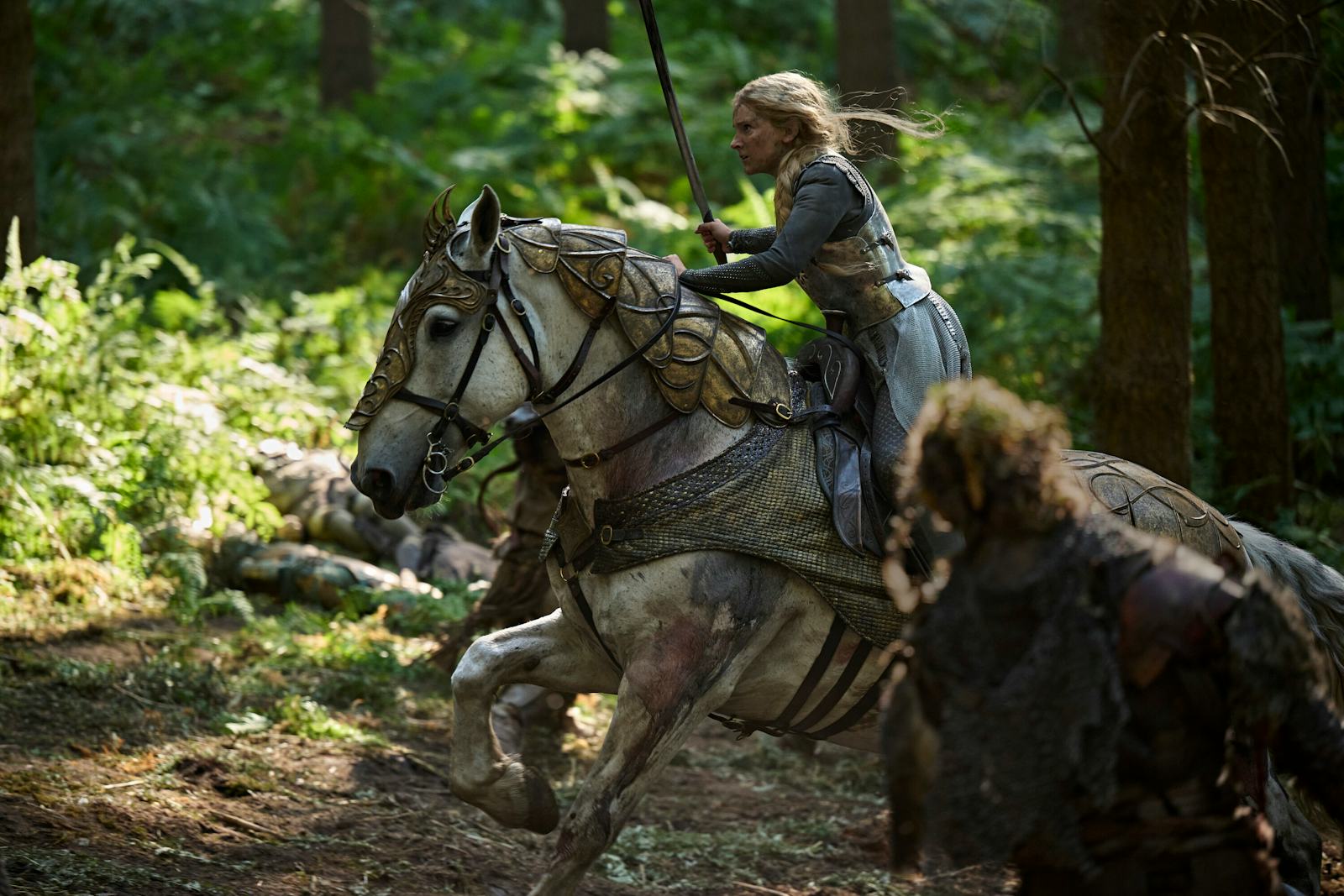
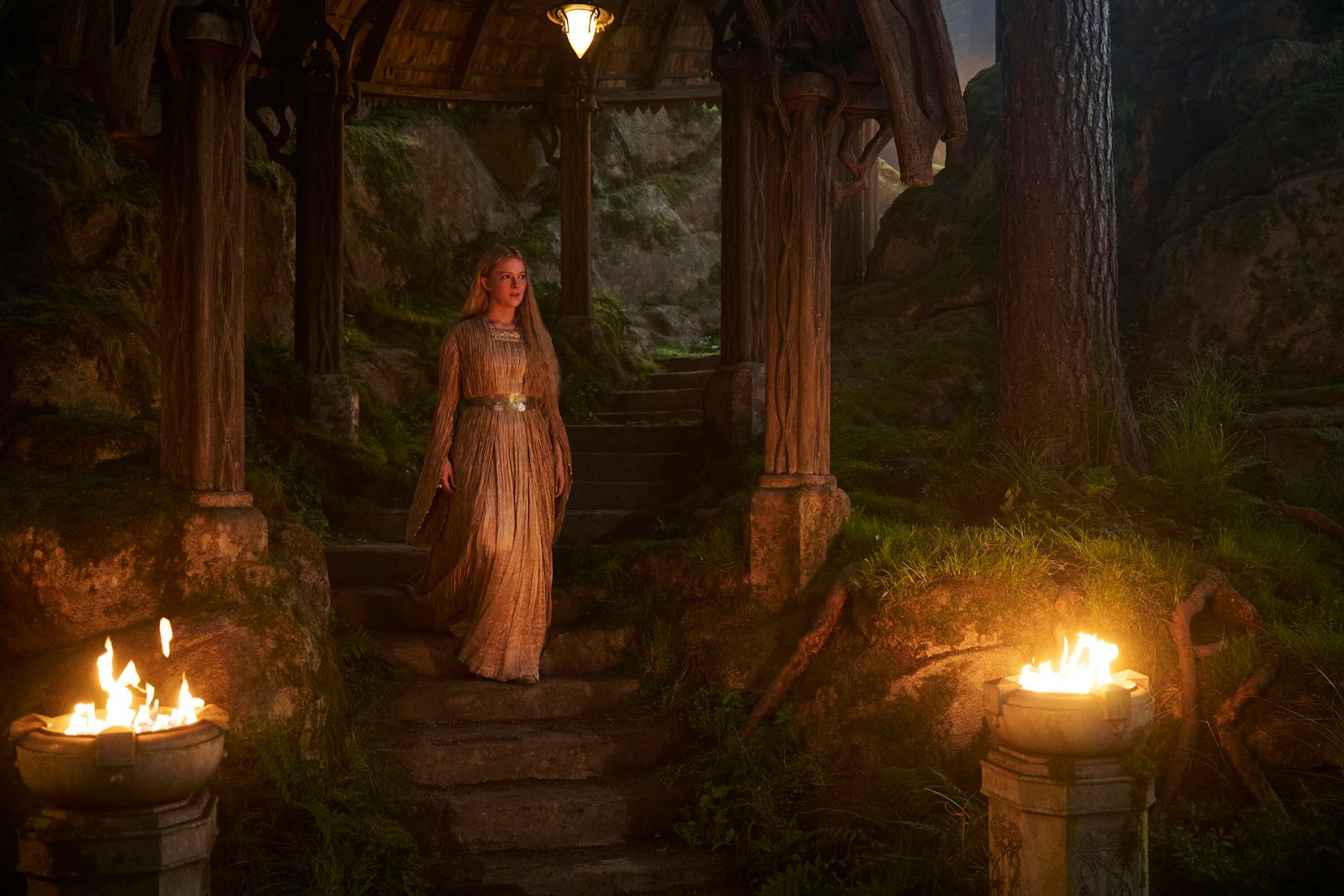
Brändström and Hamri both return from earlier seasons, and their experience shows in how comfortable the show now feels in its own world. Schwartz is new and adds a harder edge in places. The British base helps too. The forest scenes in the press stills have the damp, mossy feel of real woodland, which is a big change from the sometimes plasticky look of Season 1.
The show also picks its moments. The aspect ratio shift during the forging is the boldest example, but the battle scenes are cut so you can follow them, which isn’t something you can say about a lot of big fantasy television right now.
10. Pacing Across Eight Episodes (Release Schedule)
What makes it stand out: The season packs at least six major storylines into eight episodes, and the pacing is its biggest weakness.
Key data: Episodes 1 to 4 on 11 November, 5 and 6 on 18 November, 7 and 8 on 25 November; critics saw seven episodes in advance.
Why it matters: If you’re deciding whether to commit eight hours, this is the part that will test you.
RogerEbert.com’s review says the season is repeatedly hamstrung by uneven, disjointed pacing, and that’s the most common complaint across the reviews. TheWrap, the most positive critic we read, still admits the season tries to fit too much story into too few episodes and gets “at times messy”. Inverse puts the split neatly: at its best when it’s focused on the hunt for the master ring, at its worst when it’s moving pieces around.
The four-episode premiere actually helps here. You get a big run to start with, enough to reach the action sequence in Episode 4, before the show slows to two a week. If you’re unsure, watch the first four and judge from there. That’s a fair test of whether the rest is for you.
If you’d rather binge, wait until 25 November. The structure suits a run of two or three episodes at a time better than one-a-week viewing, because the jumps between storylines hurt less when you can see where they’re heading.
11. How It Compares (Seasons 1 and 2, House of the Dragon, Peter Jackson)
What makes it stand out: Season 3 has the series’ highest peaks, but it repeats the structural problems that held back the first two seasons.
Key data: Season 1 premiered in September 2022 and Season 2 in August 2024; Season 3 arrives two years and three months after Season 2.
Why it matters: If you gave up after Season 1, or loved Season 2, this tells you where Season 3 sits.
Against Season 1, it’s a clear improvement. That first run had gorgeous images and very little urgency, and Sauron’s identity was a slow-burn mystery. Season 3 has a villain in plain sight, a war in progress and a Ring to forge. There’s no contest.
Against Season 2, it’s closer. /Film rates Season 2 as the show going darker, bolder and better, building naturally to the siege of Eregion. Season 3 doesn’t have one set piece that clean to aim at, so it feels more scattered, even if its best moments are better. Nerdist’s Rusak goes further than us and calls Season 3 the best season so far. We’d say it has the best scenes, but Season 2 is the better season.
The House of the Dragon comparison is the one critics keep reaching for, and it doesn’t flatter the show. HBO’s series has made court politics its main thing. The Rings of Power is at its best when it’s mythic, not when it’s trying to do family power struggles in Khazad-dûm. And next to Peter Jackson’s films, it still lacks a group at its heart. There’s no Fellowship here, just a lot of separate people in separate places.
12. Final Verdict: Who Is The Rings of Power Season 3 For?
What makes it stand out: It’s the best case yet for the show existing, built around a great villain and one great sequence.
Key data: Filmoria rating 3.5/5; critics range from 5/10 at /Film to 4/5 at Nerdist, with TheWrap and Inverse positive.
Why it matters: With Season 3 ending on 25 November, the question is whether the show earns your time before it does.
Filmoria’s verdict: Sauron finally makes The Rings of Power worth the time, even if half the map still feels like filler.
Watch it if you liked Season 2, want to see the One Ring forged on screen, or simply enjoy watching a great villain work. Vickers alone is worth the four-episode premiere, and the craft is as good as anything on streaming this year.
Skip it if you bailed on Season 1 because it was slow and you don’t have patience for a lot of storylines that only half connect. The Dwarf and Númenor plots will test you, and if you want tight, character-led drama, Black Doves or the other recent shows we’ve reviewed will reward your evening more.
We land at 3.5 stars. That’s between the generous takes from TheWrap and Nerdist and the harsher ones from /Film and RogerEbert.com, and we think it’s where the season truly sits. The peaks are the best the show has managed. The valleys are just as familiar as they’ve always been. If the finale lands, this could end up the season that turns The Rings of Power from a pricey curiosity into something people genuinely look forward to. On what we’ve seen so far, it’s halfway there.
The Bottom Line
The Rings of Power Season 3 isn’t the clean reset Amazon promised, but it’s the first season where the show feels sure of what it’s about. That’s the Ring, and the man who made it. Start with the four episodes out now, and if Vickers has you hooked by Episode 4, stay for the rest. For more streaming verdicts, read our Black Doves Season 2 review, and if you’re staying with Prime Video, here’s what to know about Blade Runner 2099, which also lands on 25 November.
Sources: TheWrap, /Film, Inverse, Nerdist, Nerdist release schedule, Screen Global Production.
Frequently Asked Questions
Is The Rings of Power Season 3 worth watching?
Yes, if you liked Season 2: Filmoria rates it 3.5 out of 5, with Charlie Vickers’ Sauron and the One Ring forging as the highlights and the Dwarf and Númenor plots as the weak spots.
How many episodes are in The Rings of Power Season 3?
Season 3 has eight episodes, released in three batches: four on 11 November 2026, two on 18 November and two on 25 November.
When is the Rings of Power Season 3 finale released in the UK?
The finale arrives on Prime Video UK on 25 November 2026, alongside Episode 7, from 8am UK time.
What time does The Rings of Power Season 3 come out in the UK?
New episodes go live at midnight Pacific time, which is 8am in the UK, on each release day.
How long after Season 2 is The Rings of Power Season 3 set?
Season 3 is set five years after Season 2, during the War of the Elves and Sauron.
Who plays Celeborn in The Rings of Power?
Jamie Campbell Bower plays Celeborn, Galadriel’s husband, joining the show as a series regular in Season 3.
Does Sauron forge the One Ring in Season 3?
Yes, the forging of the One Ring is the centrepiece of Season 3, and critics including TheWrap and Nerdist call it the season’s best sequence.
Are the Harfoots in The Rings of Power Season 3?
No, the Harfoot storyline has been written out of Season 3, according to /Film’s review.
Where was The Rings of Power Season 3 filmed?
Season 3 was filmed at Shepperton Studios in the UK, after Season 2 was shot at Bray Film Studios and Bovingdon Airfield Studios.
Who directed The Rings of Power Season 3?
Charlotte Brändström and Sanaa Hamri returned to direct Season 3, joined by Stefan Schwartz, with J.D. Payne and Patrick McKay as showrunners.
📸 Follow us on Instagram for daily film, TV & gaming news: @filmoriauk

Oliver Laurent
Writes about mainstream releases and the business behind them for Filmoria — box office, studio strategy and the long tail of franchise filmmaking.