
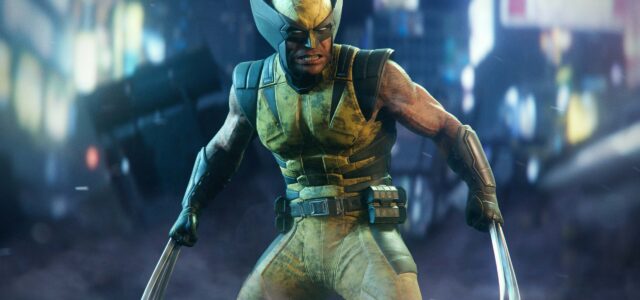
Marvel’s Wolverine Review: 11 Things That Decide Insomniac’s Bloodiest Game
Gaming Reviews 3rd October 2026 Chris Whitmore
Filmoria Review
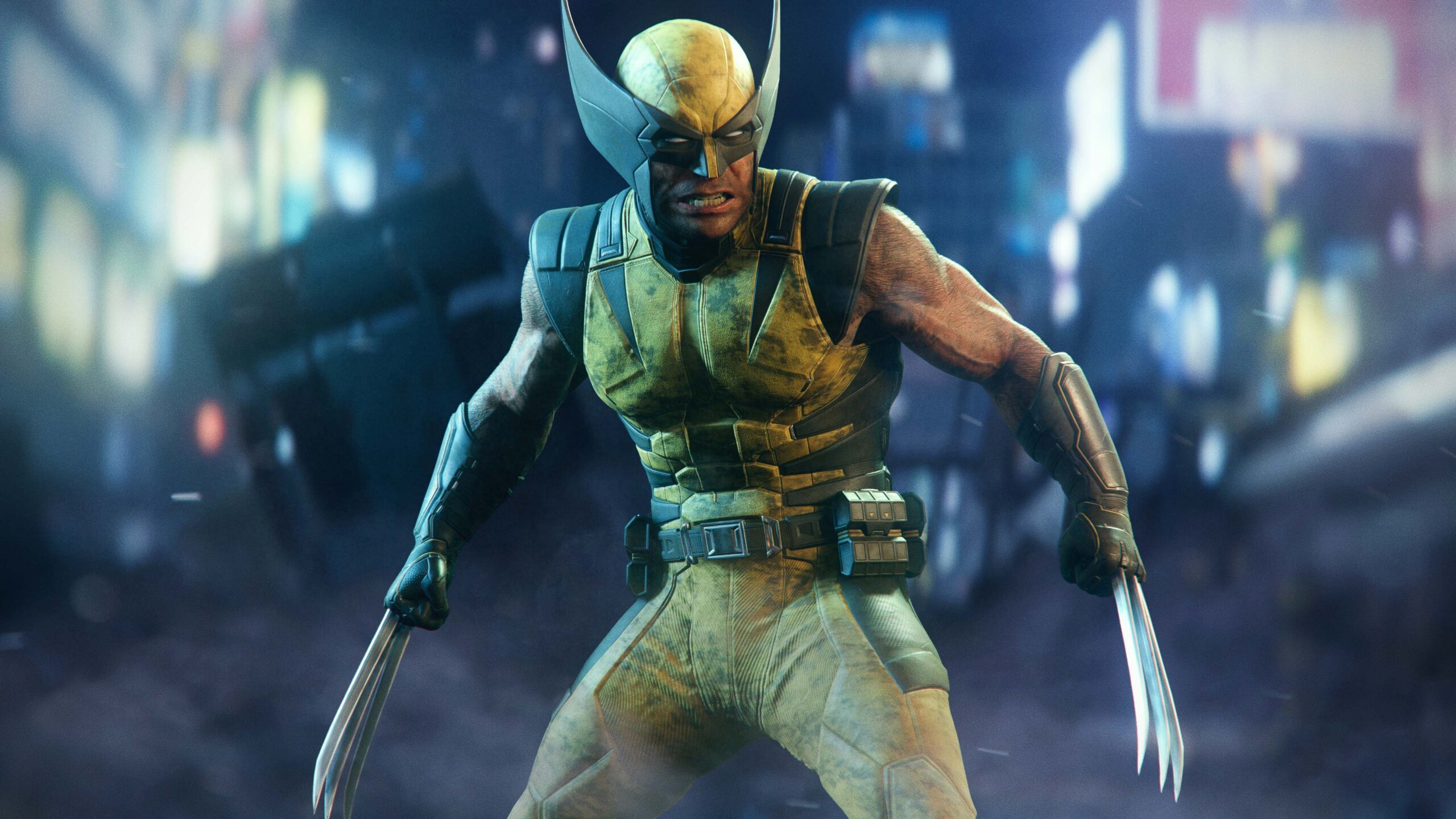
Cover art © Sony Interactive Entertainment / Insomniac Games / Marvel, via PlayStation Blog.
TL;DR: Marvel’s Wolverine is the best-looking game Insomniac has ever made and, for the first five or six hours, one of the most viscerally satisfying brawlers on PS5. Liam McIntyre’s Logan is superb, the Team X story has real bite, and the 60fps ray-traced default mode is a quiet technical triumph. Then the fights start repeating, the enemy roster runs dry and the hand-holding gets louder. It’s a good game wearing the reputation of a studio that usually makes great ones, and its Metacritic score of 77 makes it the lowest-rated PlayStation Studios release of the PS5 era so far.
Quick Facts
- Developer / Publisher: Insomniac Games / Sony Interactive Entertainment
- Platforms: PlayStation 5 only (PS5 Pro enhanced)
- Release Date: 15 September 2026 (reviews published 10 September)
- Price: £69.99 Standard Edition / £79.99 Digital Deluxe Edition ($69.99 / $79.99 in the US)
- Length: Roughly 12–15 hours for the main story
- Critical consensus: Metacritic 77 (Generally Favourable); OpenCritic Top Critic Average around 79, with roughly two-thirds of critics recommending it
Filmoria Verdict
Gorgeous, brutal and brilliantly acted, but too narrow to sustain its 15 hours. A strong first outing for Logan that needs a sequel with more ideas.
This is a ranked list of the eleven things that decide whether Marvel’s Wolverine is worth your time and money, built from Insomniac’s own design details and the critical response since reviews went live on 10 September.
The items run from the core of the game (the combat everything else is built around) outward to story, performances, technical delivery and value, and finish with Filmoria’s star rating. Scores cited are from Metacritic, OpenCritic and the named outlets themselves, checked on 3 October 2026.
How the Aspects Stack Up
| Aspect | Rating | Verdict |
|---|---|---|
| Combat feel | Excellent | Fast, gory and heavy; the best-feeling melee Insomniac has built |
| Rage and healing factor | Strong | Three-tier Rage and Last Stand make Logan feel unkillable in the right way |
| Enemy and boss variety | Weak | Repeating archetypes and parry-heavy boss slogs drag the back half |
| Story (Team X) | Strong | Grounded, personal and properly R-rated, if predictable |
| Performances | Excellent | Liam McIntyre’s Logan earns near-universal praise |
| Level design and pacing | Mixed | Beautiful linear spaces undercut by forced walks and heavy hand-holding |
| Technical performance | Strong, with caveats | 60fps with ray tracing by default; some reviewers hit hard crashes |
| Side content and replay | Decent | Nightmare Trials, New Game Plus and 100+ accessibility options |
| Value | Mixed | Full £69.99 price for a 12–15 hour campaign |
| Critical consensus | 77 Metacritic / ~79 OpenCritic | Generally favourable, but the lowest PlayStation Studios score of the PS5 era |
1. The Claws Are the Whole Game (PS5, Insomniac Games, 2026)
What makes it stand out: Insomniac built Wolverine around close-quarters claw combat rather than Spider-Man’s traversal-first design. Key data: Logan fights with claws, kicks and Critical Strikes, and can equip four special Techniques at once, including Tornado Spin, Knee Breaker, Spiral Strike and Bull Rush. Why it matters: Every other part of the game leans on how good this feels, and in the opening hours it feels excellent.
Creative director Marcus Smith has been blunt about how early the studio split from its own playbook: “Every decision that we made after deciding what was key to Logan took us down a different road that deviated from Spider-Man.” You feel that the moment the first Reaver goes down. There’s no web-zip to reposition and no gadget wheel to fall back on. You close the gap, you cut, you take a hit, you cut again.
The animation work is ferocious. Senior animation director Brian Wyser’s team gave Logan a low, almost quadrupedal stride when he charges, and the claws drag sparks and gore through everything they touch. Senior art director Grant Hollis put the brief in three words: “blood, destruction, damage.” That’s exactly what you get. Limbs come off. Armour peels away. The DualSense haptics thud on every connecting blow.
Gaming Trend’s Ron Burke, who scored it 90, said the combat combines “the best parts of their Spider-Man games” with the blocking, countering and parrying of the Arkham series, and that’s a fair description of the first act. Parries feel snappy, dodges cancel cleanly, and switching targets mid-combo has the fluidity Insomniac is famous for. If the whole game played like its first three hours, this would be a very different review.
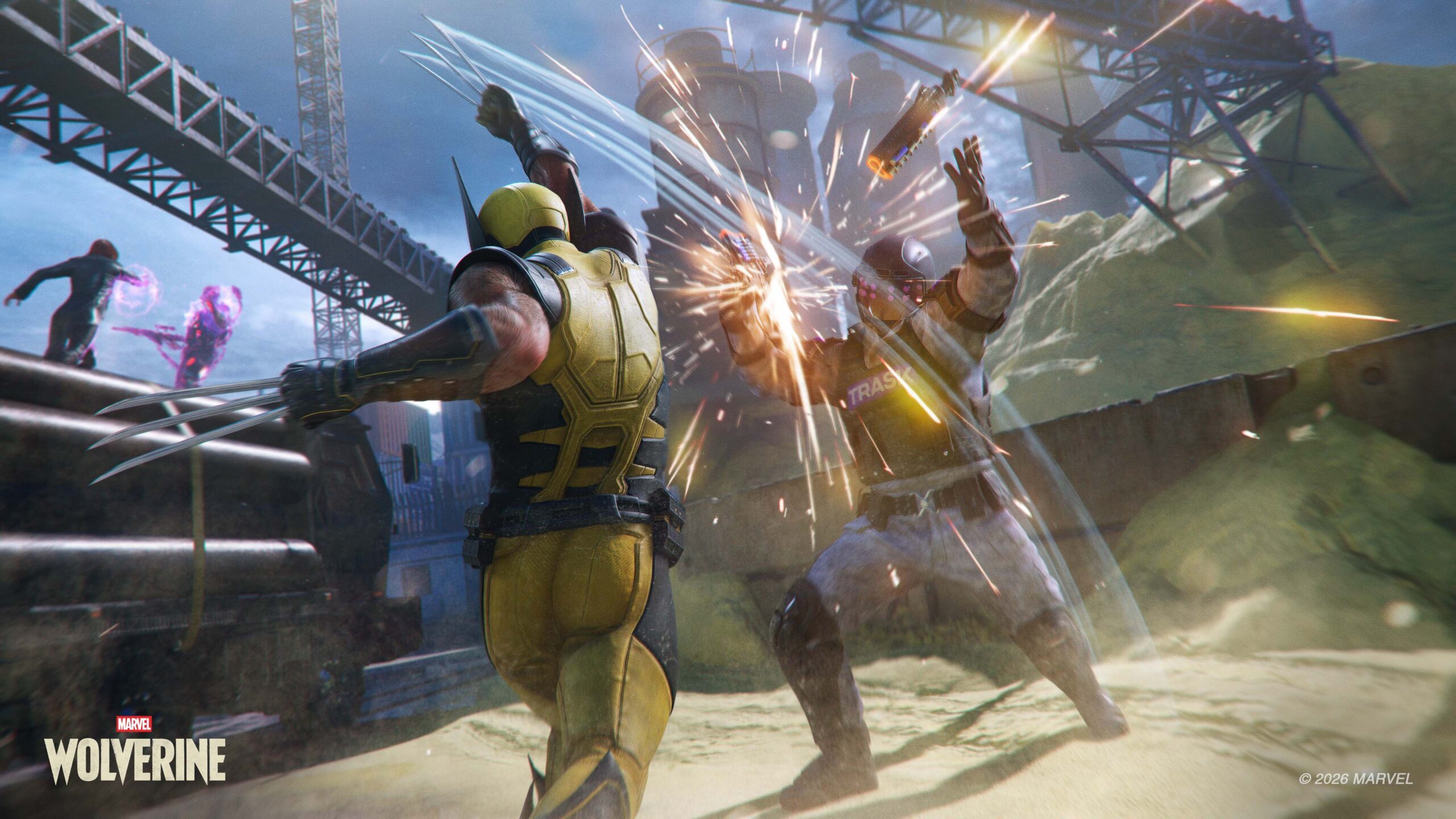
Logan and Jean Grey take on Reavers atop a moving truck. Screenshot © Sony Interactive Entertainment / Insomniac Games, via PlayStation Blog.
2. Rage, Last Stand and the Healing Factor
What makes it stand out: Wolverine turns Logan’s healing factor into a core mechanic rather than a passive health bar. Key data: A three-tier Rage meter fills through kills and parries, powering execution-style finishers, while the Last Stand ability lets Logan heal back from a fatal blow if he has the Rage banked. Why it matters: It’s the smartest translation of a comic-book power into game design in the whole package.
The game pushes you to be reckless. Play cautiously and the Rage meter stays empty; play aggressively and you hit Tier 3, the screen bleeds into a stark black-and-white comic look, and weakened enemies can be finished instantly. Insomniac’s own description is a “three-tiered adrenaline pool” supporting “survivability, resilience, and fury”, and that’s what it amounts to: the more damage you deal, the harder you are to kill.
Last Stand is the clever bit. Get knocked down with Rage in the tank and Logan claws his way back up, wounds closing as you mash. It never stops being cool. It also solves a design problem most character-action games struggle with, because dying in a Wolverine game should feel wrong, and here it mostly does.
Adaptations add another layer, letting you widen defensive windows or soak more damage. Enhanced Senses handle the quieter side, highlighting enemies through walls for stealth takedowns. The trouble is that the toolset arrives early and grows slowly. VGC’s Jordan Middler noted that unlocks offer little real power progression, and the skill tree’s linear structure, which hands out abilities two to four at a time, keeps things balanced at the cost of surprise.
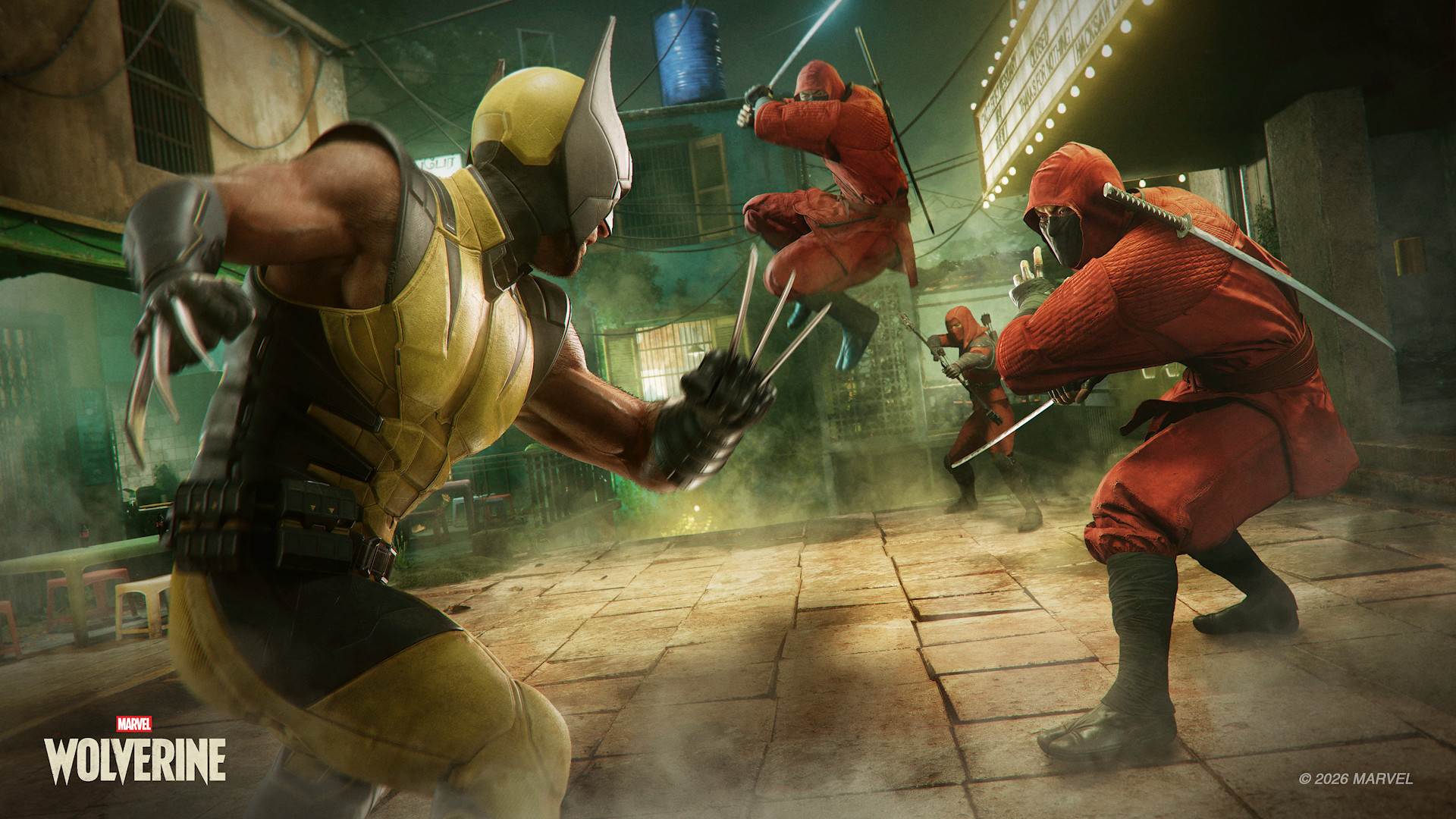
Rage Tier 3 shifts the presentation and unlocks instant finishers. Screenshot © Sony Interactive Entertainment / Insomniac Games, via PlayStation’s official Flickr.
3. The Repetition Problem: Enemies, Armour and Bosses
What makes it stand out: This is where Wolverine loses most of the critics who scored it low. Key data: IGN (6/10), GameSpot (6/10), VGC (3/5), Eurogamer (3/5), GamesRadar+ (3/5) and Giant Bomb (2.5/5) all cite repetitive fights, thin enemy variety or slog-like bosses. Why it matters: A game that’s almost entirely combat can’t afford combat that runs out of ideas halfway through.
IGN’s Simon Cardy summed it up neatly: the “slick and satisfying combat wears thin well before its conclusion.” By the midpoint you’ve seen most of what the Reavers have to offer, and the variations are often cosmetic. A new uniform here, a shield there. The bigger, spongier enemies don’t feel like a challenge so much as a chore, because they ask you to whittle rather than think.
Armour is the worst offender. VGC’s review has the line that’s going to follow this game around: “It feels like he’s got blunt kitchen knives on the ends of his fists.” For a character whose entire identity is cutting through anything, claws that bounce off plating is a strange tonal misstep. Ability Inhibitor zones, which strip your powers and force basic brawling, are meant to add variety and mostly just remove the fun bits.
Boss fights split opinion too. The Sentinel Prototype encounter is a proper spectacle, but several reviewers found the bosses leaned on drawn-out parry sequences rather than escalation. Giant Bomb’s Shawn McDowell went furthest, arguing the combat is dragged down by weak storytelling and poor pacing. We don’t think it’s that bad. We do think the second half needed two or three more enemy types and one more genuine combat idea.
4. Team X and the Story of Logan’s Missing Past
What makes it stand out: Rather than an X-Men story, Insomniac tells a Team X story, with an amnesiac Logan pulled back into his old black-ops unit. Key data: Logan reunites with Sabretooth (Victor Creed), Mystique (Raven Darkhölme) and Nathaniel Essex to investigate the abduction of displaced mutants by billionaire industrialist Bolivar Trask and his cybernetic Reaver militia. Why it matters: It gives the game a personal, grounded hook that suits Logan far better than a save-the-city plot.
Narrative director Walt Williams, who co-wrote the game with Jon Paquette, keeps the focus tight. This is a story about a man who doesn’t remember who he was, working with people who very much do. That dynamic gives Sabretooth and Mystique scenes a nasty, loaded edge. You’re never sure who knows what, and the game’s mature rating means nobody softens anything.
The Hand and Lady Deathstrike also feature, and the story trailer’s moment of Logan lashing out at Jean Grey in “an abrupt moment of vulnerability” turns out to be one of the more honest beats in the script. Most critics, even the harsh ones, praised the writing. VGC called the narrative the game’s strongest element. TheSixthAxis’s Jim Hargreaves (8/10) felt it never outstays its welcome.
The complaint is predictability. If you know your Weapon X lore, you’ll see most of the turns coming. The game also shares continuity with Insomniac’s Spider-Man series, all set on the studio’s Earth-1048, but it’s a standalone story. You don’t need to have played anything else first.
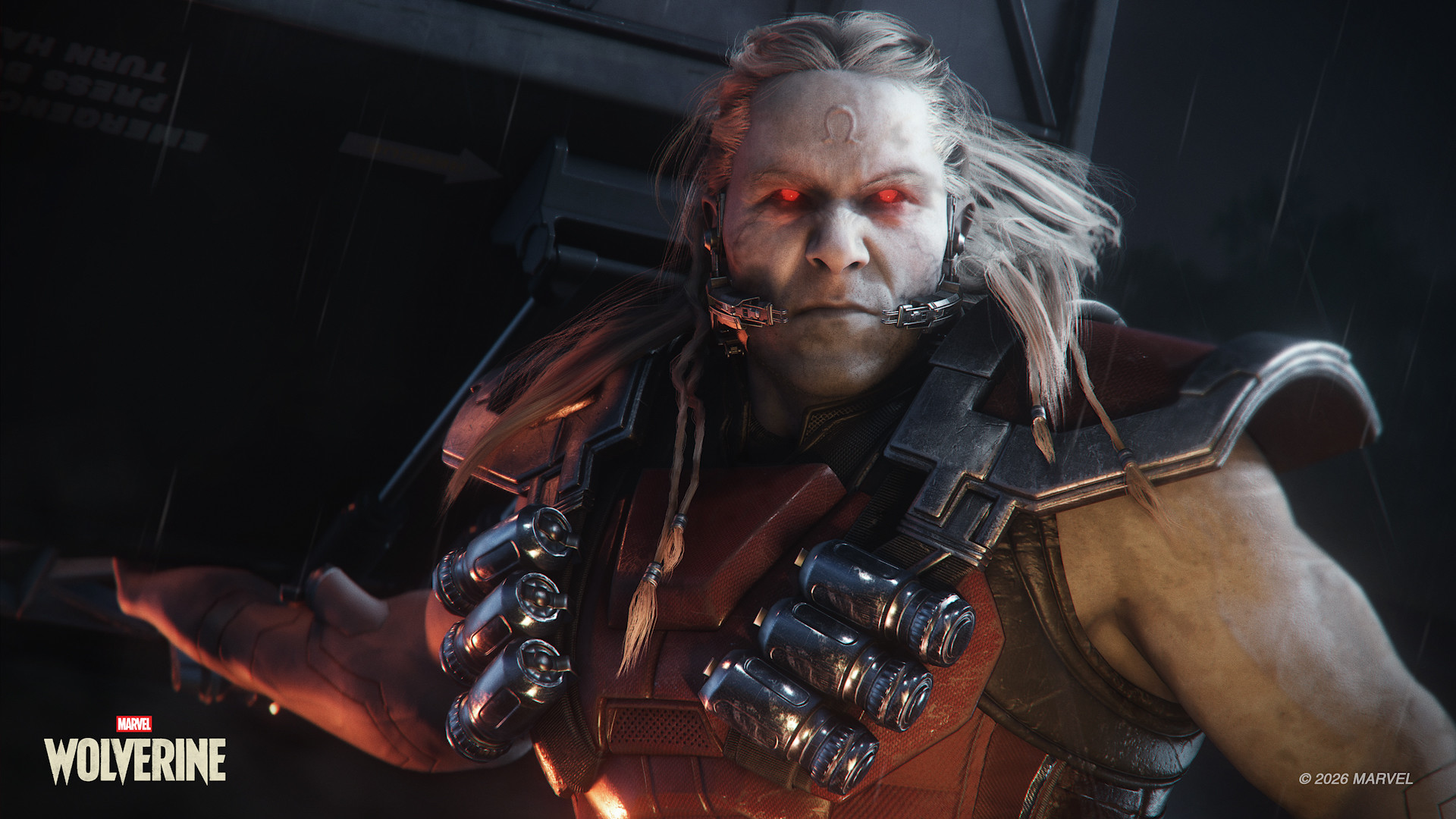
Mystique and Sabretooth bring the Team X past back into Logan’s life. Screenshot © Sony Interactive Entertainment / Insomniac Games, via PlayStation’s official Flickr.
5. Liam McIntyre’s Logan and a Standout Supporting Cast
What makes it stand out: The performances are the most consistently praised part of the game across every score bracket. Key data: Liam McIntyre plays Logan, with Krizia Bajos as Jean Grey, Troy Baker as Dr Nathaniel Essex, Jason Spisak as Bolivar Trask and Kelly Hu as Tyger Tiger; the score is by composer David Fleming. Why it matters: Hugh Jackman defined Logan on screen for the best part of two decades, so McIntyre had to make the role his own.
He does. McIntyre’s Logan is gruff without being a cartoon, and he finds a tiredness in the character that suits the amnesia plot. Walt Williams described what the studio saw in him as “the ferocity and the animalistic rage” alongside “such a gentle, kind soul,” and you can hear both, often in the same scene. Even IGN and GameSpot, both at 6/10, singled out the character work as a strength.
Krizia Bajos is the other half of the game’s emotional engine. Logan and Jean’s relationship carries the quieter stretches, and reviewers repeatedly flagged it as a highlight. Troy Baker, who has become a fixture of big PlayStation releases, gives Essex a calm, clinical menace that pays off. Jason Spisak’s Trask is a more conventional villain, but he’s fun to hate.
David Fleming’s score deserves a mention too. Insomniac describes it as cues that “dynamically shift alongside Logan’s intense journey,” and in practice the music swells with your Rage meter in a way that makes long fights feel more cinematic than they really are. The motion capture, facial animation and audio design are, by broad agreement, Insomniac’s best to date.
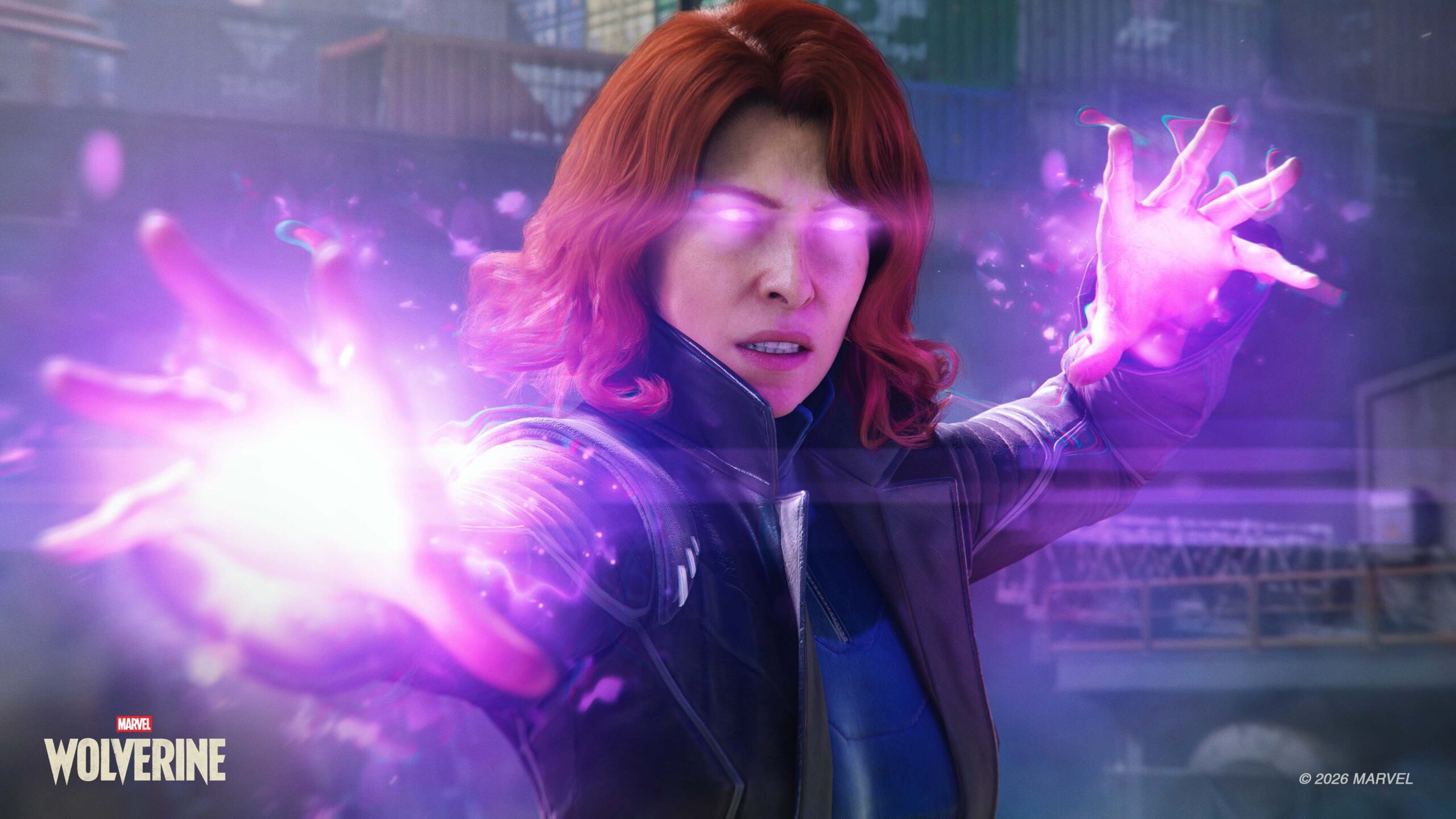
Jean Grey, played by Krizia Bajos, is Logan’s key ally. Screenshot © Sony Interactive Entertainment / Insomniac Games, via PlayStation Blog.
6. Canada, Tokyo and Madripoor: Linear by Design
What makes it stand out: Wolverine trades the open-world New York of Spider-Man for a linear, location-hopping campaign. Key data: The story moves through the Canadian wilderness, Tokyo (including a small semi-open district) and the island of Madripoor, with set pieces such as a motorcycle chase down a highway. Why it matters: The narrower structure delivers stunning environments but also creates the pacing problems many critics flagged.
Insomniac sent a team to Japan to scan real locations, and it shows. Tokyo at night is the visual peak of the game, dense with signage and rain. Madripoor, with its seedy Princess Bar, is a perfect fit for Logan’s scuffed-knuckle side. VGC argued the linear design is what allowed this level of detail in the first place, and we’d agree.
The cost is control. Skill Up’s Ralph Panebianco was critical of excessive hand-holding and on-screen prompts, and VGC pointed to forced walking sequences that stall the momentum. There are too many moments where the game takes the controller away to tell you something it could have shown you. Eurogamer’s Chris Tapsell (3/5) found it an underwhelming, old-school romp, and these stretches are a big part of why.
Exploration is modest. Hidden upgrade materials, collectible whisky bottles and Nightmare doors are tucked off the main path, but there’s little reason to wander for long. The semi-open Tokyo district is the closest the game gets to Spider-Man-style freedom, and it left us wishing Insomniac had built more of it.
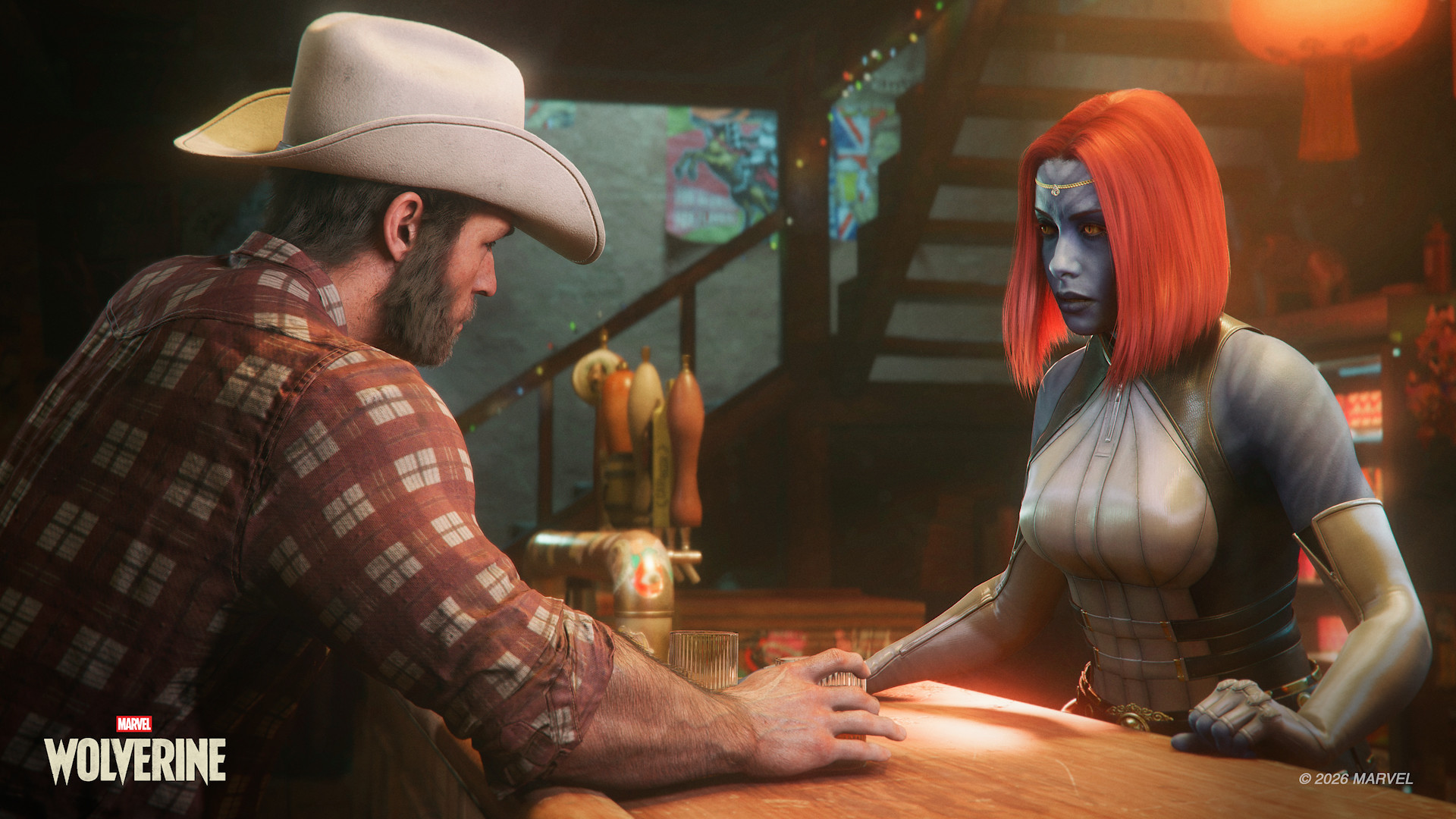
The Princess Bar in Madripoor is one of the game’s most atmospheric stops. Screenshot © Sony Interactive Entertainment / Insomniac Games, via PlayStation’s official Flickr.
7. 60fps With Ray Tracing by Default: The Technical Story
What makes it stand out: Wolverine is Insomniac’s first game to make a 60fps, ray-traced Performance mode the default on base PS5. Key data: Base PS5 runs 60fps with ray tracing; PS5 Pro adds a Performance Pro mode at 60fps and a Fidelity Pro mode at 30fps with advanced ray tracing. Why it matters: A combat game this fast needs a stable frame rate, and Insomniac built for it from day one.
Head of technology Mike Fitzgerald explained the decision directly: “It’s the default mode for the first time for us in one of our games. It’s important for the presentation.” Insomniac says it targeted that mode from the start of development rather than bolting it on late, as it did with the Spider-Man games. Senior project director Jess Reiner-Reed’s summary was simpler: “The game feels super smooth.”
It mostly does. Character models are best-in-class, loading is fast, and the DualSense implementation is excellent, with directional haptics and audio cues through the controller speaker. On PS5 Pro, Fidelity Pro is the showcase option if you can live with 30fps, though for a game this reaction-based we’d stick with Performance Pro.
The caveat is stability. Reports varied a lot. Tom’s Guide said it encountered “half a dozen hard crashes,” and CG Magazine needed “around 10 hard resets.” Push Square ran into fewer issues, mostly bugs that needed a checkpoint restart, while Gaming Trend only noted minor cosmetic glitches in vehicle sections. Your mileage will vary, and patches will matter.
8. Nightmare Trials, New Game Plus and Accessibility
What makes it stand out: The side content is light but cleverly tied to Logan’s lost memories. Key data: Nightmare Trial doors offer time trials, combat challenges and speed-navigation runs ranked from bronze to adamantium, and completing them unlocks memory fragments; New Game Plus, mission replay and photo mode are available at launch alongside more than 100 accessibility features. Why it matters: In a 12–15 hour game, replay systems do a lot of work justifying the price.
The Nightmare Trials are the best of it. They’re set in a cabin that Gaming Trend described as a prison of the mind, a space that ties the challenge rooms back to the amnesia plot. Chasing an adamantium ranking actually pushes you to learn the combat properly, which, ironically, is when the system shows its depth.
New Game Plus adds exclusive techniques, and mission replay means you can revisit the best set pieces without restarting. That’s welcome given how short the campaign is.
Accessibility is a real strength. Insomniac lists over 100 options, including high-contrast visuals, audio descriptions, global game-speed controls and toggles to tone down violence and adult language. That last one is notable for an M-rated game this bloody, and it opens the door to players who want the story without the full gore dial. Difficulty is customisable too, with separate challenge settings for combat.
9. How It Compares to Insomniac’s Spider-Man Games
What makes it stand out: Wolverine is the first Insomniac PS5 game to land clearly below the studio’s usual critical bar. Key data: Marvel’s Spider-Man 2 sits at 90 on Metacritic, Marvel’s Spider-Man at 87 and Spider-Man: Miles Morales at 85, against Wolverine’s 77. Why it matters: Most of the disappointment in reviews is measured against Insomniac’s own track record rather than against action games in general.
GameSpot’s Tamoor Hussain put the comparison most sharply: “just because you can make really good superhero games with one character, doesn’t mean you can with any character.” It’s harsh, but it gets at something real. Spider-Man’s design is built around movement, and movement is endlessly replayable. Logan’s power set is about getting close and staying there, which is harder to build fifteen hours around.
In some ways Wolverine is the more focused game. It’s tighter, more personal, and far more willing to be ugly. But it lacks the variety and playful charm that made the Spider-Man games so easy to love, and it’s noticeably more linear. If you’ve been waiting for Insomniac’s version of God of War, this isn’t quite it either; the combat doesn’t have Kratos-level depth.
The closer comparison is something like the Arkham games, which Gaming Trend referenced directly, or Capcom’s more grounded brawlers. If you’ve played Onimusha: Way of the Sword, Wolverine is flashier but less mechanically ambitious. And next to Remedy’s Control Resonant, which took a similar melee gamble with deeper RPG systems, Wolverine plays it safer.
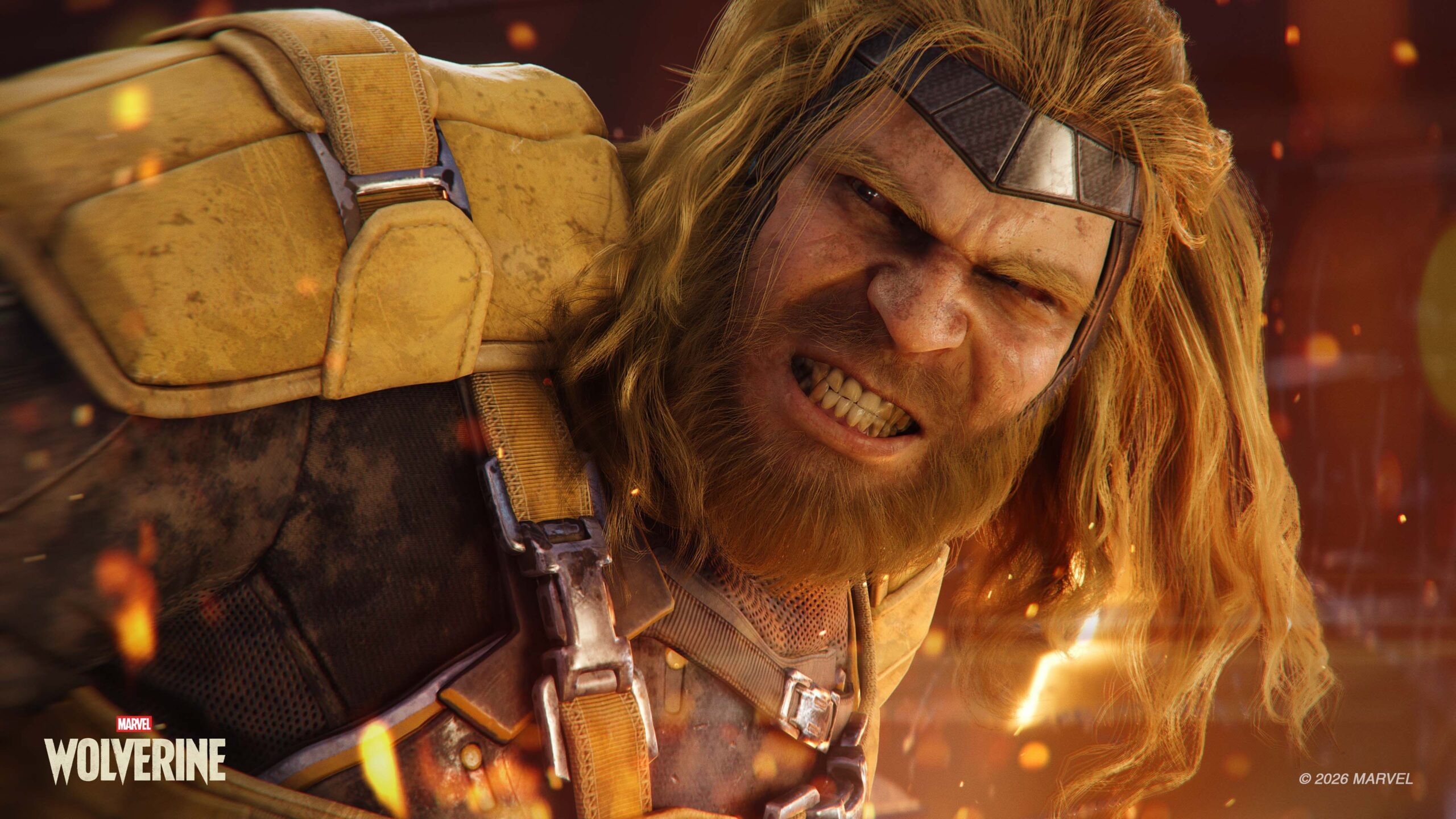
Sabretooth, Logan’s oldest rival, plays a central role. Screenshot © Sony Interactive Entertainment / Insomniac Games, via PlayStation Blog.
10. Price, Length, Sales and Who It’s For
What makes it stand out: Wolverine asks full price for a campaign that most critics finished in around 15 hours, yet players bought it in huge numbers anyway. Key data: The Standard Edition costs £69.99 and the Digital Deluxe £79.99 (adding five suits, five claw sets and bonus technique points), and analytics firm Alinea Analytics estimates 1.9 million copies and around $130 million in revenue in its first three days. Why it matters: The audience clearly wanted this game, so the question is whether you’ll get £70 of fun from it.
Alinea’s estimates, which are third-party figures and not confirmed by Sony, put physical sales at about 22.9% of the total and the UK at roughly 7% of units. Insider Gaming reported the three-day figure already passed Alinea’s lifetime PS5 estimate for Death Stranding 2. Players have been far kinder than critics, too: the PlayStation Store rating sat at 4.85 out of 5 from more than 24,000 ratings a week after launch.
So who’s it for? Wolverine fans, first and foremost. This is the most faithful, most violent take on the character in games, and McIntyre’s performance alone will justify it for many. It’s also for players who want a tight, cinematic, single-player action game they can finish in a couple of weekends.
It’s less suited to anyone expecting Spider-Man-scale freedom, deep combo systems or lots of post-game content. If you’re on the fence, the Deluxe Edition’s extras are purely cosmetic and not worth the extra £10. Waiting for a price drop or a stability patch is a reasonable call too.
11. The Final Verdict: 3.5 Stars
What makes it stand out: A beautifully made, brilliantly acted action game held back by repetition and a lack of mechanical ambition. Key data: Metacritic 77 from more than 115 critics and an OpenCritic Top Critic Average of about 79, with scores spanning GamingBolt’s 10/10 and Hardcore Gamer’s 5/5 down to Giant Bomb’s 2.5/5. Why it matters: That spread tells you this is a game people will love or shrug at, depending on what they want from it.
Filmoria’s verdict is three and a half stars. That sits squarely with the critical average and reflects a game that does some things exceptionally well and others only adequately. The highs are high: the first hours of combat, Logan and Jean’s scenes, Tokyo at night, a Last Stand that never gets old. The lows aren’t disastrous. They’re just repetitive.
Insomniac has built a strong foundation here. The tech is excellent, the cast is right, and the Rage and healing factor systems are genuinely smart. TheSixthAxis called it a foundation for a strong sequel, and that feels like the fairest read. What’s missing is the second layer of ideas that would keep the claws interesting through the final act.
Buy it if you love the character. Wait for a sale if you’re here for Insomniac’s name.
Should You Buy Marvel’s Wolverine?
If you’ve wanted a proper, R-rated Wolverine game for years, yes. It’s the best version of Logan games have produced, and you’ll get a short, sharp, gorgeous ride out of it. If you were expecting another Spider-Man-level classic from Insomniac, temper that. It’s a good brawler with a great lead, not a new benchmark.
Last updated: 3 October 2026.
Frequently Asked Questions
When did Marvel’s Wolverine come out?
Marvel’s Wolverine was released on 15 September 2026, exclusively for PlayStation 5.
Is Marvel’s Wolverine on PC or Xbox?
No. At launch Marvel’s Wolverine is a PlayStation 5 exclusive, and Sony has not announced a PC or Xbox version.
How much does Marvel’s Wolverine cost in the UK?
The Standard Edition costs £69.99 and the Digital Deluxe Edition costs £79.99 in the UK, or $69.99 and $79.99 in the US.
What comes in the Marvel’s Wolverine Digital Deluxe Edition?
The Digital Deluxe Edition adds five suits, five claw sets and bonus technique points, all of which are cosmetic or minor progression extras.
How long does it take to beat Marvel’s Wolverine?
Most reviewers finished the main story in about 12 to 15 hours, with some reporting up to around 20 hours with side content.
Who developed Marvel’s Wolverine?
Marvel’s Wolverine was developed by Insomniac Games, the studio behind Marvel’s Spider-Man, and published by Sony Interactive Entertainment.
Who voices Wolverine in the PS5 game?
Liam McIntyre voices and performs Logan, with Krizia Bajos as Jean Grey, Troy Baker as Nathaniel Essex and Jason Spisak as Bolivar Trask.
What is the story of Marvel’s Wolverine about?
An amnesiac Logan reunites with his old unit, Team X, to investigate the abduction of displaced mutants by industrialist Bolivar Trask and his Reaver militia.
Who is the main villain in Marvel’s Wolverine?
Bolivar Trask, a billionaire industrialist who commands the cybernetic Reavers, is the central antagonist, with The Hand and Lady Deathstrike also involved.
Is Marvel’s Wolverine connected to Marvel’s Spider-Man?
Yes. It shares continuity with Insomniac’s Spider-Man games on Earth-1048, but it is a standalone story that needs no prior knowledge.
Do I need to play Spider-Man before Marvel’s Wolverine?
No. Marvel’s Wolverine is a self-contained story, so you can play it without having played any of Insomniac’s Spider-Man games.
Is Marvel’s Wolverine open world?
No. It is a linear, mission-based game that moves between Canada, Tokyo and Madripoor, with only a small semi-open district in Tokyo.
What is Marvel’s Wolverine’s Metacritic score?
Marvel’s Wolverine holds a Metacritic score of 77 from more than 115 critic reviews, rated Generally Favourable.
What is Marvel’s Wolverine’s OpenCritic score?
OpenCritic lists a Top Critic Average of about 79, with roughly two-thirds of critics recommending the game.
Is Marvel’s Wolverine Insomniac’s lowest rated game?
It is Insomniac’s lowest-scoring PS5 game so far, below Marvel’s Spider-Man 2 (90) and Spider-Man: Miles Morales (85) on Metacritic, and the lowest-rated PlayStation Studios game of the PS5 era.
Does Marvel’s Wolverine run at 60fps on PS5?
Yes. The default Performance mode runs at 60fps with ray tracing on a standard PS5, a first for an Insomniac game.
Is Marvel’s Wolverine enhanced for PS5 Pro?
Yes. PS5 Pro offers a Performance Pro mode at 60fps and a Fidelity Pro mode at 30fps with advanced ray tracing.
How many copies has Marvel’s Wolverine sold?
Analytics firm Alinea Analytics estimates 1.9 million copies and about $130 million in revenue in the first three days, though Sony has not confirmed these figures.
Does Marvel’s Wolverine have New Game Plus?
Yes. New Game Plus is available at launch with exclusive techniques, alongside mission replay, Nightmare Trial challenges and photo mode.
Is Marvel’s Wolverine worth buying?
It is worth buying for Wolverine fans who want a short, brutal, beautifully acted action game, but players expecting Spider-Man-level variety may prefer to wait for a sale.
📸 Follow us on Instagram for daily film, TV & gaming news: @filmoriauk

Chris Whitmore
Sub-Editor of Filmoria. Dwayne Johnson's No.1 fan. Arthouse celebrator. Romancer of all things Michael Haneke & Woody Allen. Irrevocably in love with Felicity Jones. She'll be my wife one day; you'll see...