


Control Resonant Review: 9 Things That Define Remedy’s Boldest Reinvention Yet
Gaming Reviews 24th September 2026 Kevin Bennett
Filmoria Review
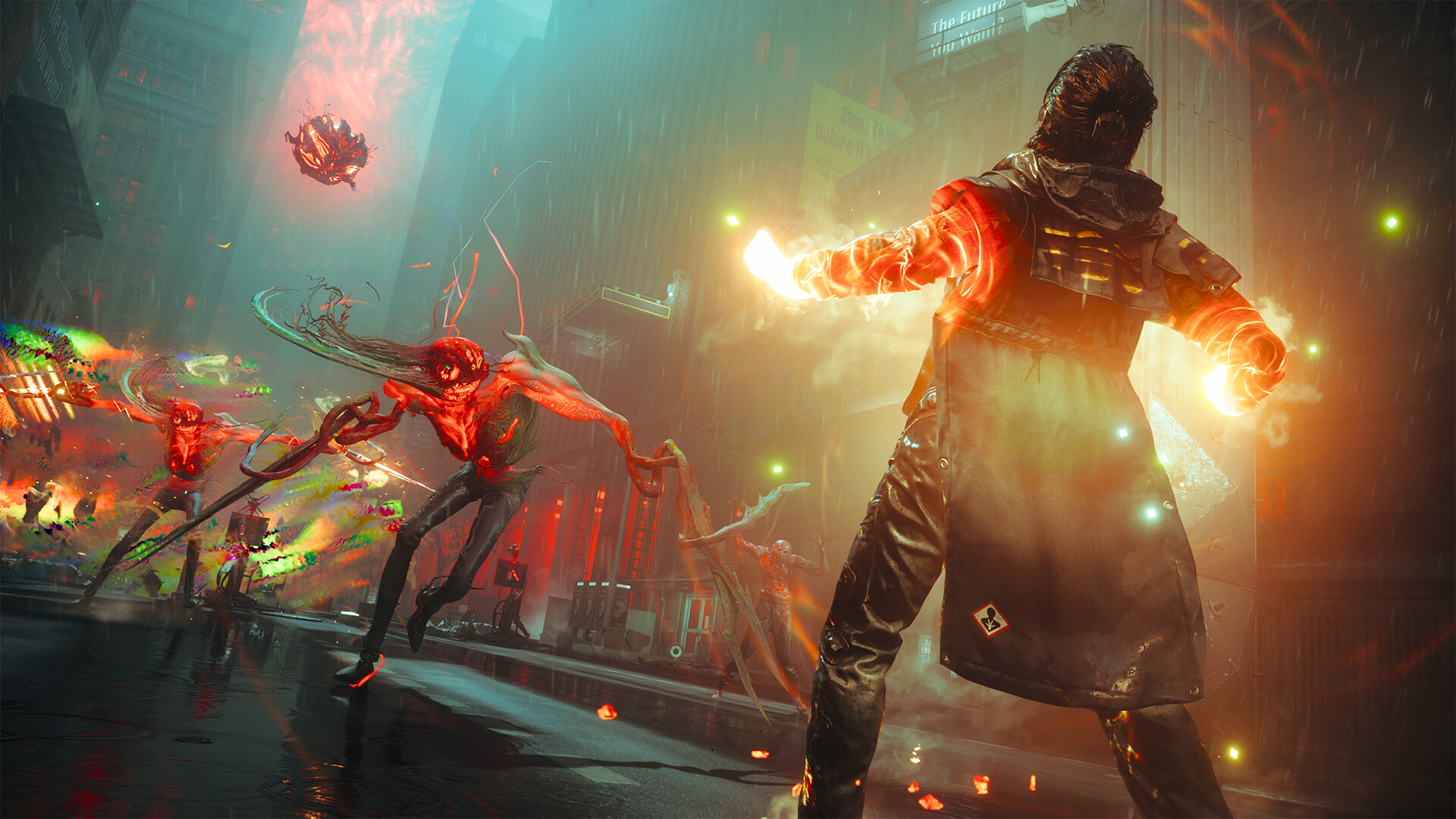
Dylan Faden gets his first look at what the Hiss has done to downtown Manhattan. Screenshot: Remedy Entertainment, via Steam.
TL;DR: Remedy tore up its own rulebook and rebuilt Control as a melee-driven action RPG, and the gamble mostly lands. Dylan Faden is a genuinely compelling new lead, the twisted Manhattan he’s stuck in is one of the best-looking places Remedy has ever built, and the studio’s obsession with weird, formally daring storytelling hasn’t dimmed one bit. The trade-off is a combat system that some critics adore and others find grindy by the back half, plus a base PS5 build that can’t quite hold the frame rate it promises. It’s a bold, occasionally uneven sequel — and one of the better big swings of 2026.
Quick Facts
- Developer / Publisher: Remedy Entertainment
- Platforms: PS5, Xbox Series X/S, Windows (macOS to follow later in 2026)
- Release Date: 24 September 2026 (digital); physical edition follows 15 October 2026
- Price: $59.99 Standard Edition / $69.99 Digital Deluxe Edition
Filmoria Verdict
A bold, occasionally messy reinvention. Remedy’s best world-building yet, undercut by a combat system that overstays its welcome for some players and a shaky base-PS5 frame rate.
This is a ranked list of the nine factors that decide how Control Resonant actually plays and whether it’s worth your money, drawn from Remedy’s own design decisions and the critical response since the review embargo lifted this week. The items are ordered by how much weight each one carries in the overall verdict, starting with the foundational choice that reshapes everything else and ending with the score itself.
1. The Big Swing: From Cover Shooter to Action RPG
What makes it stand out: Control Resonant abandons the original’s gunplay almost entirely in favour of melee combat built around a single shapeshifting weapon. Key data: The Aberrant weapon morphs between three distinct melee forms, backed by full stat progression, multiple talent trees and customisable gear — RPG systems the 2019 original never had. Why it matters: It’s the single decision every other part of this review flows from, and it’s the one Remedy knew would be the most contentious going in.
Gone are the guns, the cover, the ranged Service Weapon forms that defined the first Control. In their place is something closer to a stripped-down character action game, minus combos and minus a parry button, which is a strange omission once you’re a dozen hours in and still fumbling the dodge timing on a mid-tier Hiss brute. What’s left is a rhythm of spacing, baiting attacks and picking which threat to burn cooldowns on, and when it clicks — usually once you’ve unlocked two or three talent branches — it genuinely feels like nothing else Remedy has made. Lead gameplay designer Sergey Mohov has described the ambition plainly: this needed to be Remedy’s biggest gameplay team ever, and it shows in how much systemic depth got bolted onto a studio better known for scripted set-pieces than build crafting. Whether that depth holds up for the full 30-plus hours is where critics start to split, and we’ll get to that.
It’s also worth knowing how much Remedy actually bet on this. The project started life in 2021 under the codename “Heron,” and Remedy didn’t even own Control outright at that point — it bought the IP back from original publisher 505 Games for €17 million in February 2024, then struck a deal with Annapurna Pictures to fund roughly half of a reported €50 million development budget in exchange for a stake in film and TV rights. Remedy needs somewhere between three and four million copies sold just to break even, which is a nervy number for a studio whose last game, Alan Wake 2, took time to find its audience. That context makes the genre gamble feel less like creative indulgence and more like a calculated swing Remedy genuinely needed to land.
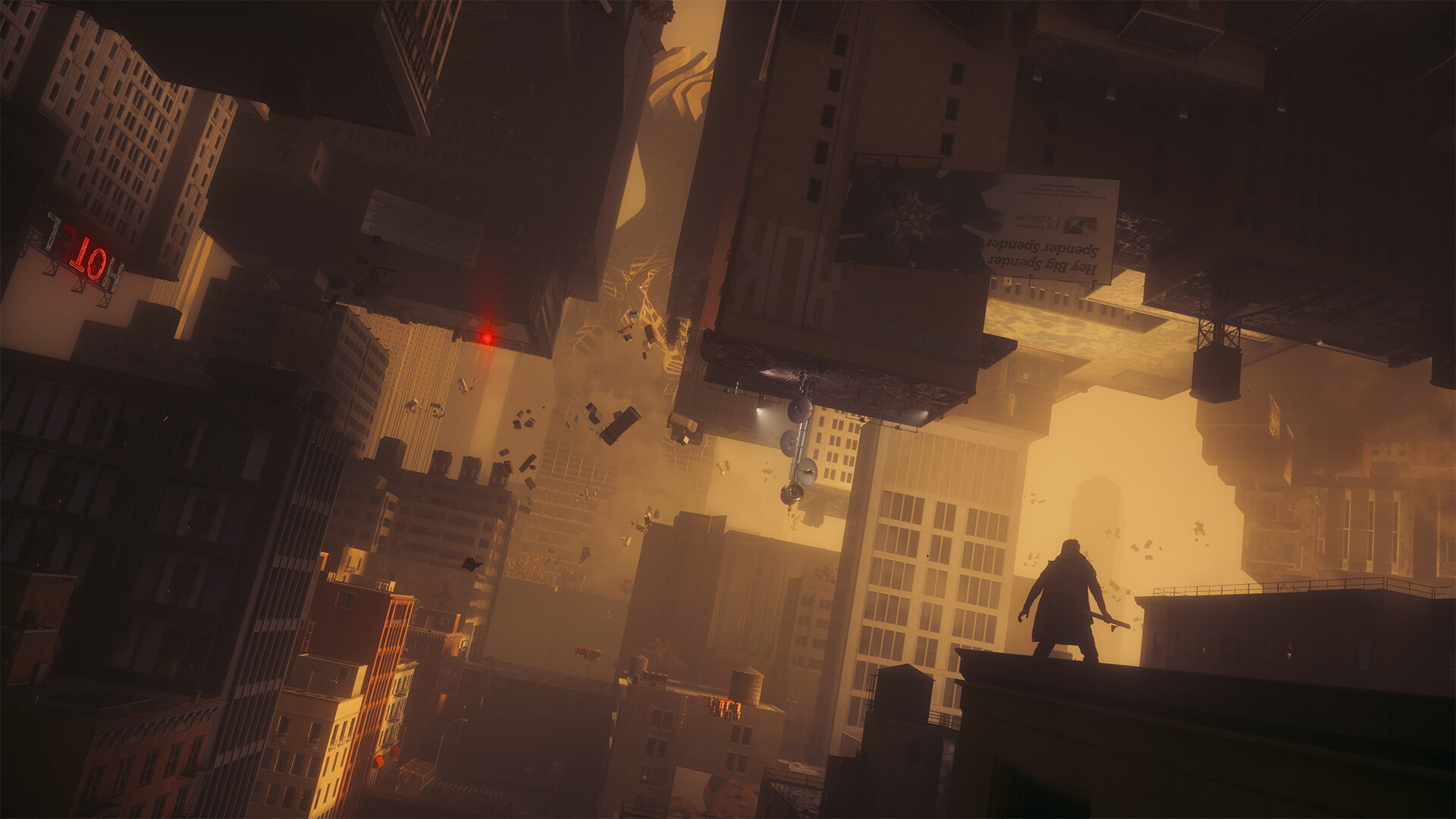
The Aberrant weapon shifts shape mid-fight, replacing the original Control’s gunplay entirely. Screenshot: Remedy Entertainment, via Steam.
2. Dylan Faden Steps Out of His Sister’s Shadow
What makes it stand out: The story hands the wheel to Dylan Faden, the parautilitarian brother of original protagonist Jesse Faden, rather than simply continuing her arc. Key data: Dylan is released from Federal Bureau of Control custody to contain an extradimensional entity that has seized downtown Manhattan, all while quietly searching for his missing sister. Why it matters: Remedy needed a lead who could carry the weirdness without leaning on nostalgia, and by most accounts, they found one.
Game director Mikael Kasurinen has talked about Control and Control Resonant as two expressions of the same siblings rather than one continuing story, and that framing holds up in practice. You don’t need to have finished the first game to follow what’s happening here, which is a real achievement given how tangled the Federal Bureau of Control’s lore had become by the time of the AWE expansion. Dylan carries a different kind of damage than Jesse did — less a chosen-one arc, more a guy who’s spent years institutionalised for abilities nobody bothered to explain to him — and several reviewers singled him out as an unexpectedly compelling lead precisely because of that. The dialogue is also noticeably tighter than in 2019’s Control, with fewer meandering NPC info-dumps and more of Remedy’s document-and-cutscene weirdness doing the heavy lifting instead.

Remedy’s document-and-cutscene storytelling carries much of the narrative weight. Screenshot: Remedy Entertainment, via Steam.
3. Manhattan’s Zones: Remedy’s Answer to Open-World Fatigue
What makes it stand out: Rather than a single open world, Control Resonant is built from large, distinct outdoor zones carved out of a corrupted Manhattan. Key data: Remedy’s team has been explicit that this is not open-world design — it’s expansive but bounded zones, each stuffed with side activities and optional discoveries. Why it matters: It lets the studio keep its trademark density and craftsmanship instead of thinning it out across an open map nobody asked for.
Swapping the Oldest House’s brutalist corridors for daylight and city blocks is a genuine risk for a studio whose whole visual identity was built on reflective, oppressive interiors, and it mostly pays off. The traversal abilities carried over and expanded from the original — gravity manipulation, a proper double jump, levitation sequences over torn-up streets — turn exploration into one of the loudest highlights in nearly every review. Multiple critics called the twisted Manhattan among the best-looking environments on PS5 this year, which is a high bar in a month that also shipped Silent Hill: Townfall. Side content is there if you want it — upwards of twenty optional missions branch off from the critical path — but the game never punishes you hard for ignoring it, which is more restraint than most 2026 action RPGs manage.
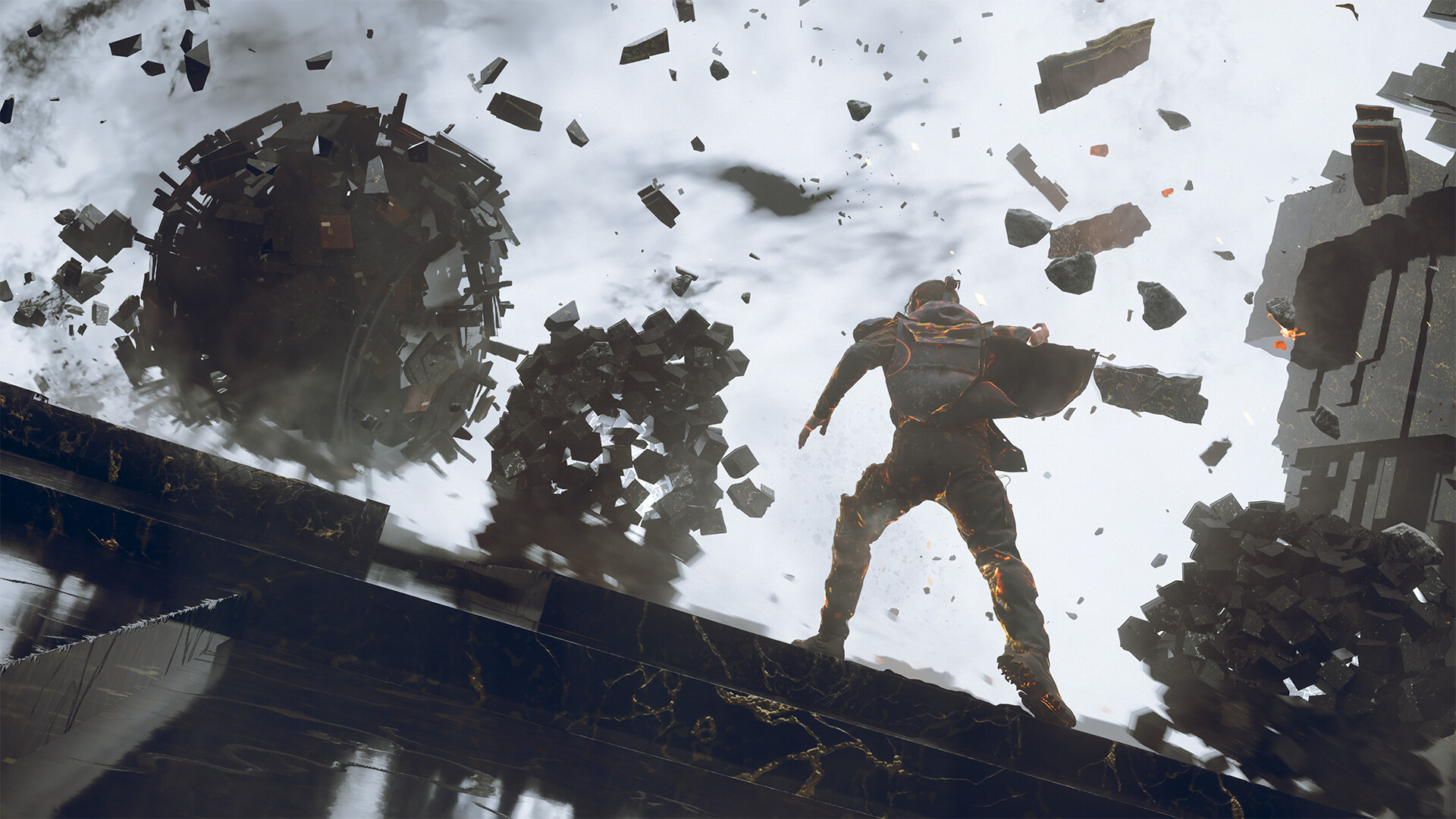
Manhattan’s zones swap the Oldest House’s corridors for daylight, rubble and floating city blocks. Screenshot: Remedy Entertainment, via Steam.
4. The Melee Combat Divide
What makes it stand out: No single element of Control Resonant splits critics harder than the combat Remedy built the entire sequel around. Key data: VGC and Giant Bomb both landed near 4.5-5 out of 5 praising the system’s depth, while PC Gamer (76/100) and ComicBook (2/5) called out repetitive, over-extended fight sequences as the game’s biggest flaw. Why it matters: This is the fault line that will determine whether you personally love or bounce off this game, more than any other single factor.
Push Square’s review put its finger on the actual mechanism behind the split: the talent trees front-load a lot of their best toys early, and by the second half of the campaign, as enemy health bars balloon and fresh unlocks dry up, fights start to lean on the same two or three combo finishers over and over. Kotaku’s Cole Kronman, on the other end of the spectrum, called it the most demanding, most video-game-per-square-inch video game Remedy has ever made, praising the constant risk-reward tension between crowd control and burst damage. Both takes are defensible from the same footage. If you like combat that rewards deliberate spacing and punishes greed, you’ll likely side with the positive camp; if you came in wanting Control’s greatest hits with a different coat of paint, the back half may wear on you. It’s also worth noting the missing parry button specifically — several reviewers flagged its absence as an odd choice for a game this combat-focused, since the dodge-and-punish loop that fills the gap can feel imprecise against faster enemy types, particularly before you’ve invested talent points into reaction-speed upgrades.
5. The Technical Reality: PS5, PS5 Pro, Xbox and PC
What makes it stand out: The Northlight engine’s jump from Alan Wake 2’s interiors to Control Resonant’s outdoor zones hasn’t been entirely clean. Key data: Base PS5 Performance mode renders at 864p upscaled to 1440p via FSR2 aiming for 60fps, but suffers traversal stutter and combat dips; PS5 Pro’s Performance mode holds a steadier 60fps via PSSR, while its Quality and Balanced modes add ray-traced reflections and shadows at 30fps and 40fps respectively. Why it matters: A game built this heavily around fast, reactive melee combat needs a stable frame rate more than most, and the base console doesn’t always deliver one.
Digital Foundry’s breakdown is blunt about where the strain shows: shimmering on fine detail, softer shadow resolution than Alan Wake 2 managed, and boss encounters that can drag the base PS5’s Quality mode into the low 20s. It’s the clearest evidence that Northlight, for all its GPU-driven rendering and mesh-shader tricks, was tuned for the Oldest House’s tight, reflective interiors rather than sprawling outdoor zones with dynamic weather and crowds. PS5 Pro owners get the most convincing version of the game right now, and PC players with a mid-range RTX card should expect to lean on FSR or DLSS rather than chase native 4K. Remedy has already flagged post-launch patches, and on past form — Alan Wake 2 and Control both improved meaningfully after release — there’s reason to expect this to tighten up over the next few months.
Handheld players should temper expectations further still. Early testing found Control Resonant genuinely struggles on Steam Deck, but fares noticeably better on the newer Steam Machine hardware, where a 2K, high-preset, FSR-Quality setup holds a solid 30fps, and dropping to 1080p on the handheld preset can coax out 60fps with real visual compromises attached. If portable play matters to you, this isn’t the game to test that hardware’s limits with just yet.
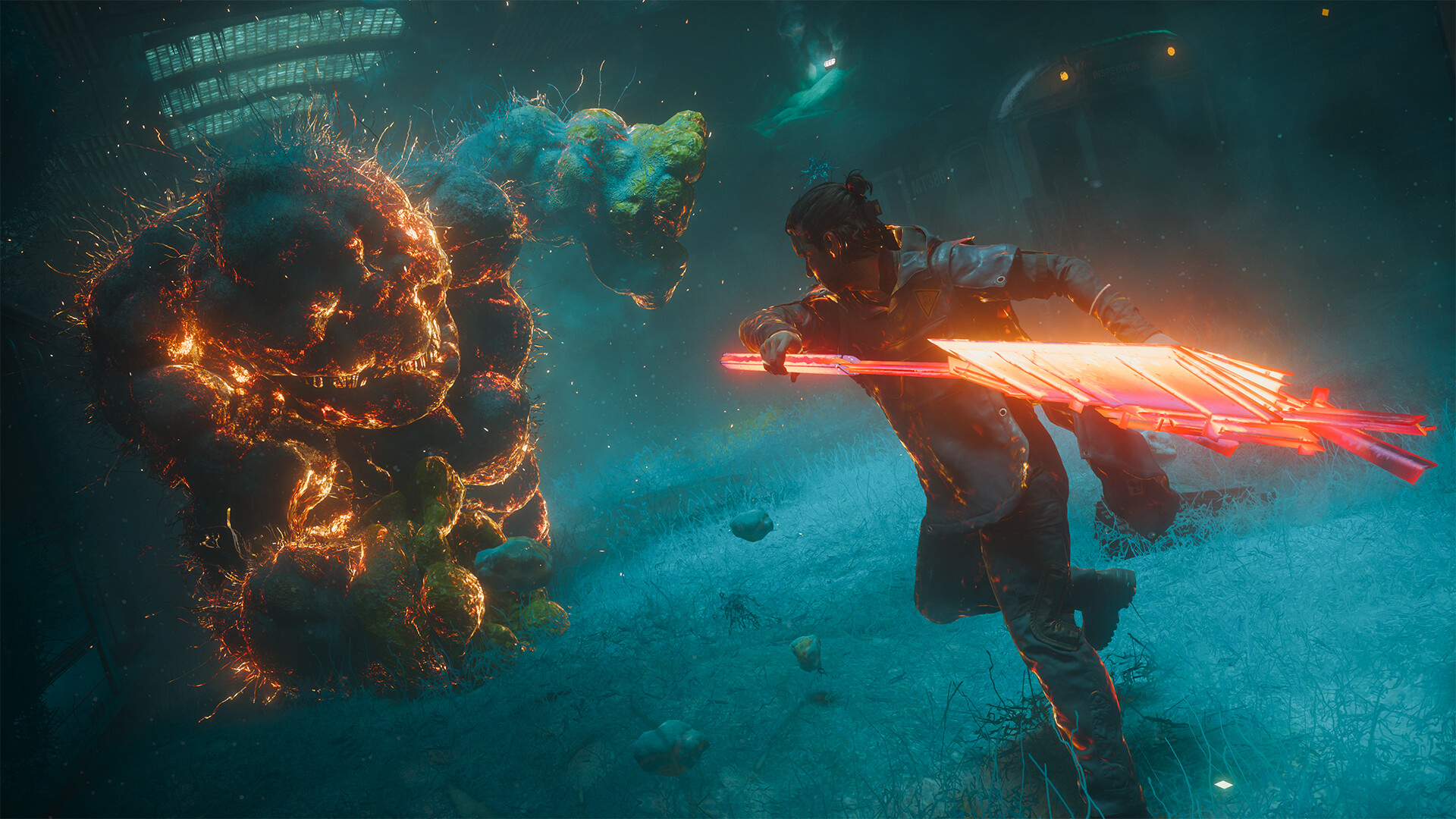
Ray-traced reflections and shadows are reserved for PS5 Pro’s Quality and Balanced modes. Screenshot: Remedy Entertainment, via Steam.
6. How It Stacks Up Against Control and Alan Wake 2
What makes it stand out: Control Resonant is nearly double the length of Alan Wake 2, Remedy’s previous longest game, while abandoning the shooter mechanics that defined the original Control entirely. Key data: Main story runs roughly 25-30 hours, 30-35 with a reasonable amount of side content, and 40-50 for full completion — against Alan Wake 2’s tighter, more linear 15-20 hour survival-horror runtime. Why it matters: Remedy has now made three very different genres of game inside the same connected universe, and Control Resonant is easily the most systemically ambitious of the three.
Where Alan Wake 2 doubled down on tense, slow-burn survival horror and a fractured dual narrative, Control Resonant swings hard toward mechanical density — stats, gear, builds, the works. That’s a bigger departure from Alan Wake 2 than Alan Wake 2 was from the original Control, and it means the Remedy Connected Universe is now stitched together almost entirely by tone, character cameos and shared lore documents rather than shared gameplay DNA. Fans hoping for another slow, atmospheric crawl in the mould of Alan Wake 2 should recalibrate their expectations; this is a much twitchier, much longer game, closer in spirit to a Devil May Cry-adjacent action RPG than to anything Remedy has previously released. The connective tissue — the Federal Bureau of Control, the Hiss, the documents and tapes — is all still there for series veterans to chew on.
There’s also a bigger picture here that stretches beyond gameplay. Remedy’s deal with Annapurna Pictures wasn’t just about money; it also covers potential film and TV adaptations of the Remedy Connected Universe, which makes Control Resonant something of a proving ground for how far this world can stretch outside games entirely. Whether or not that side of the deal ever produces anything watchable, it’s a reminder that Remedy is now building a franchise, not just a sequel, and every design choice here — the accessible new protagonist chief among them — reads a little differently once you know that.
How the Aspects Stack Up
| Aspect | Rating | Verdict |
|---|---|---|
| Combat & Progression | Mixed-Positive | Bold RPG systems energise early hours; repetition sets in for some by the back half |
| Story & Writing | Strong | Dylan is a compelling new lead; tighter dialogue than the 2019 original |
| Art Direction & Atmosphere | Excellent | Widely called among the best-looking environments on PS5 this year |
| Sound & Music | Excellent | Singled out by multiple outlets as one of the game’s standout successes |
| Technical Performance (PS5 / PS5 Pro) | Inconsistent | Base PS5 stutters and dips; PS5 Pro is notably steadier |
| Length & Value | Generous | 25-50 hours depending on completion; nearly double Alan Wake 2 |
| Critical Consensus | 84 Metacritic / 84 OpenCritic | Generally favourable, with genuine critical division over combat |
7. Length, Pricing and What You’re Actually Buying
What makes it stand out: At $59.99 for the standard edition, Control Resonant undercuts several of this year’s other AAA sequels while still offering a 40-plus hour completionist run. Key data: Digital Deluxe runs $69.99 and bundles 48-hour early access, an AWE mission outfit, a digital artbook and the original soundtrack; the physical SteelBook edition ships 15 October at the same $69.99 price point. Why it matters: With three genre-adjacent horror and action games launching in the same fortnight, the entry price matters more than usual.
Remedy’s communications director Thomas Puha has been candid about the crowded window Control Resonant landed in, calling it “challenging” given Silent Hill: Townfall and Onimusha: Way of the Sword both released within days of it. That context matters for your wallet: none of the deluxe bonuses here are essential, and the early access window is really only worth paying extra for if you’re determined to avoid spoilers circulating online in the first 48 hours. The base $59.99 asking price, against a runtime this long, is genuinely reasonable value in a year where plenty of shorter games have asked for more.
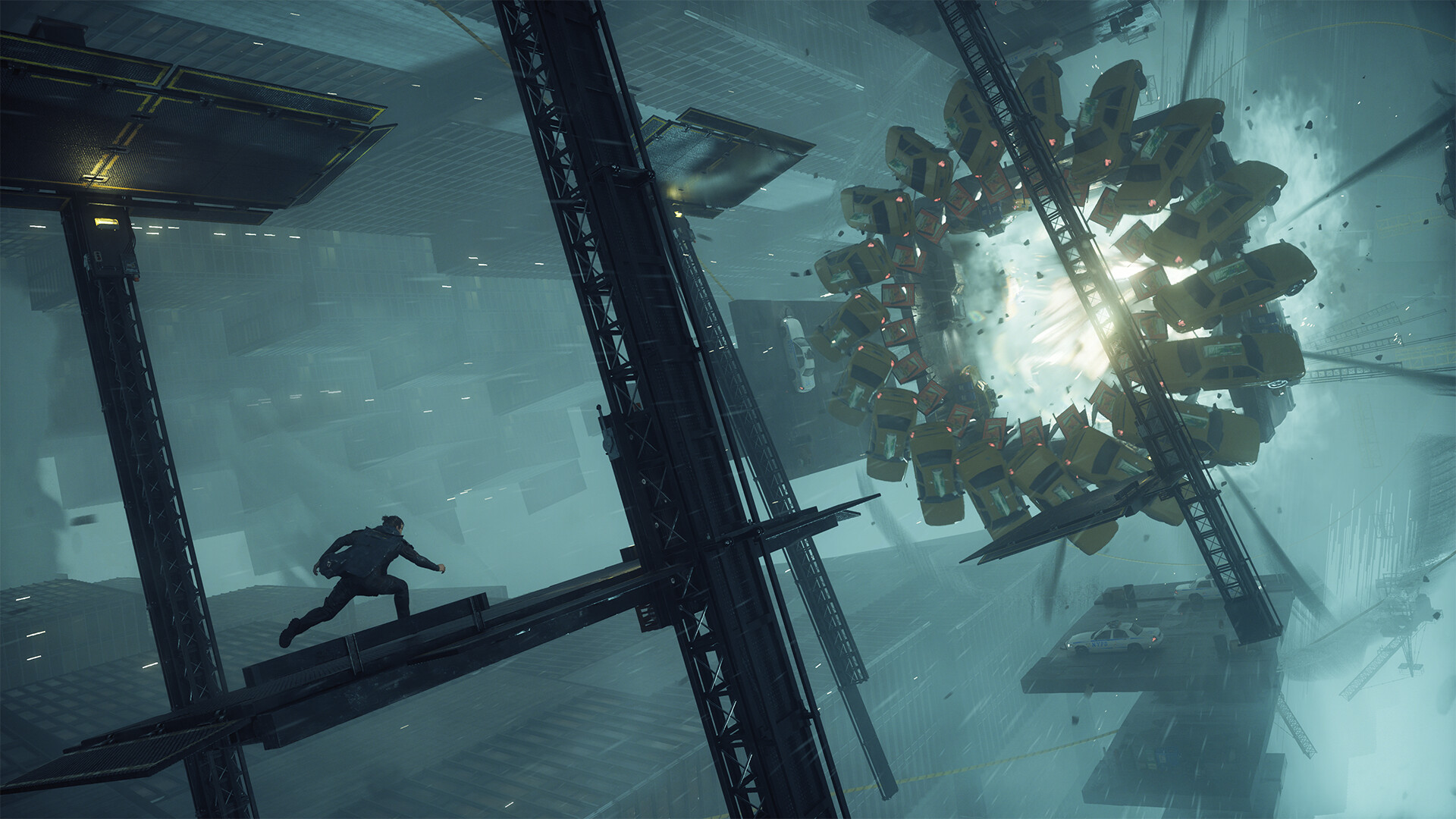
Roughly twenty optional missions branch off the main campaign without gating major progress. Screenshot: Remedy Entertainment, via Steam.
8. Who Should (and Shouldn’t) Play This
What makes it stand out: This is built for players who want mechanically demanding, build-driven combat wrapped in Remedy’s trademark strangeness, not for players chasing the original Control’s cover-shooting loop. Key data: Critics who came in expecting a straight sequel to the 2019 game’s gunplay were consistently the ones scoring it lowest; those who approached it as a new action RPG scored it highest. Why it matters: Managing your own expectations before you buy will do more for your enjoyment here than any patch Remedy ships.
If you loved the original Control specifically for its Service Weapon and telekinetic power fantasy, be warned going in: none of that survives the transition intact, and you may end up in the disappointed camp regardless of how good the writing is. If you’re coming from Devil May Cry, Nioh or similar action RPGs and have always wanted one filtered through Remedy’s bureaucratic-horror lens, this is close to a best-case scenario. Newcomers with zero history with the series are, oddly, probably the safest bet of all — there’s no baggage to be disappointed about, and the game’s own onboarding is built to assume you’ve never set foot in the Oldest House.
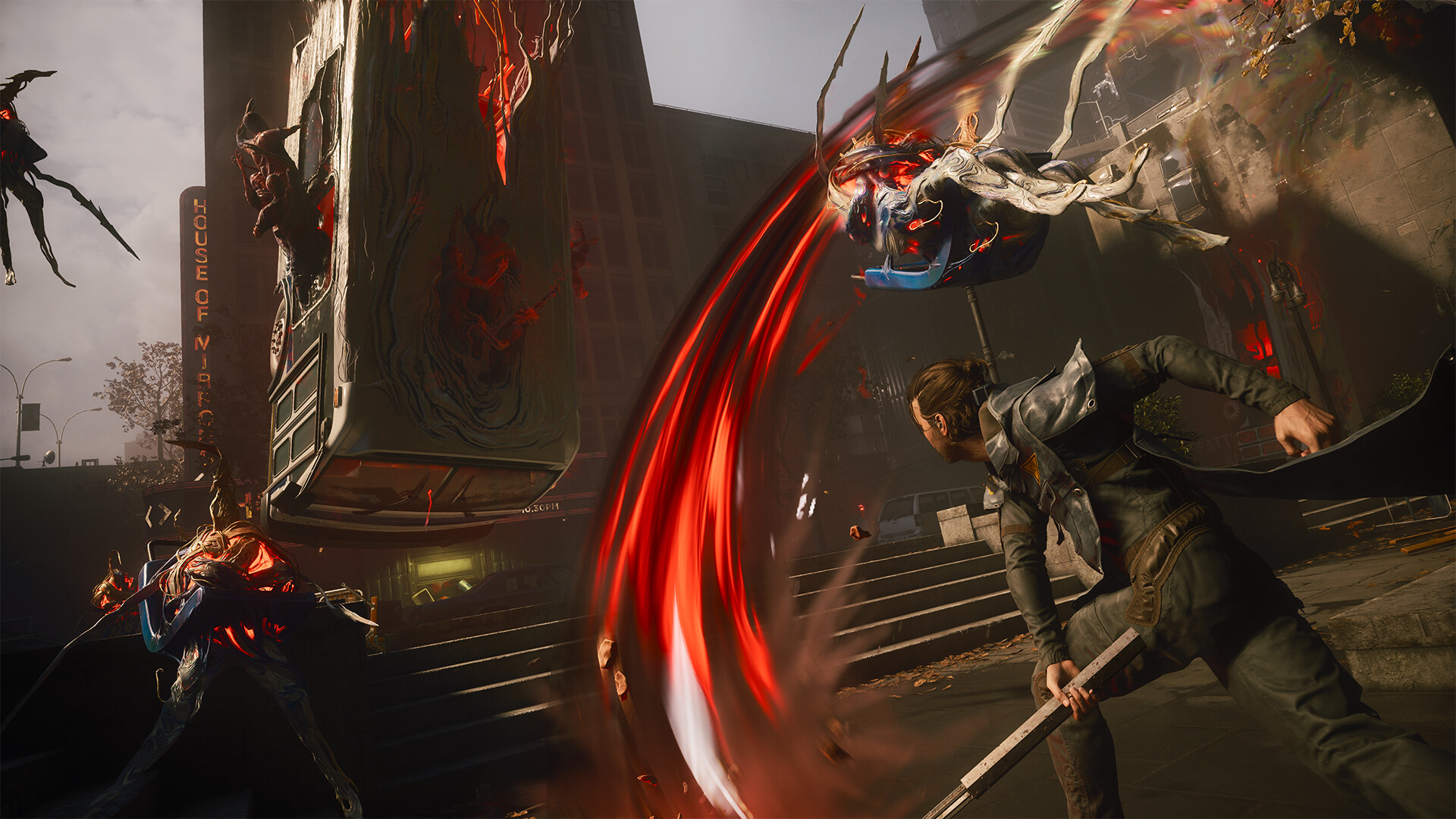
Traversal abilities carried over from the original Control return expanded and refined. Screenshot: Remedy Entertainment, via Steam.
9. The Final Verdict: Where Control Resonant Lands
What makes it stand out: A genuinely bold sequel that reinvents its own foundation rather than coasting on what worked in 2019. Key data: 84 on Metacritic across 70 critics, 84 average on OpenCritic across 74 critics with an 85% recommend rate — solidly in “generally favourable” territory with real, documented critical division underneath the average. Why it matters: This is the number that tells you whether to buy at launch or wait for a patch or two, and here, it’s a genuine yes with one asterisk.
Filmoria’s verdict lands at four out of five stars. The world-building, Dylan as a lead and the sheer confidence of the genre pivot all deserve the praise they’re getting, and Remedy has earned the benefit of the doubt after Alan Wake 2 proved this studio’s ambitions keep paying off. The asterisk is real, though: if repetitive combat in the back half of a 30-hour game is something you have zero tolerance for, or you’re set on playing at a locked 60fps on base PS5 specifically, waiting for the first patch wave isn’t an unreasonable call. Everyone else should feel comfortable buying in now. Remedy took the harder path here instead of the safe one, and even where it stumbles, Control Resonant is more interesting for having tried.
Should You Buy Control Resonant at Launch?
If Remedy’s brand of formally weird, document-stuffed storytelling has ever worked on you, the answer is yes — this is the studio’s most ambitious systems-driven game yet, wrapped around a lead character who earns his place next to Jesse Faden rather than living in her shadow. Just go in knowing you’re getting an action RPG, not Control 2, and that PS5 Pro or a decent PC is where this game currently looks and runs its best.
Frequently Asked Questions
What is Control Resonant?
Control Resonant is a third-person action RPG developed and published by Remedy Entertainment, and a direct sequel to 2019’s Control, following a new protagonist, Dylan Faden.
When was Control Resonant released?
The digital version released on 24 September 2026 for PS5, Xbox Series X/S and Windows, with a physical edition following on 15 October 2026.
What platforms is Control Resonant available on?
It’s available on PlayStation 5, Xbox Series X/S and Windows PC at launch, with a macOS version planned for later in 2026.
How much does Control Resonant cost?
The Standard Edition is $59.99, and the Digital Deluxe Edition is $69.99, with the physical SteelBook edition also priced at $69.99.
Who developed and published Control Resonant?
Remedy Entertainment both developed and published the game, having reacquired full ownership of the Control IP from 505 Games in February 2024.
Is Control Resonant a direct sequel to the original Control?
Yes, it takes place after the events of 2019’s Control and continues the Federal Bureau of Control storyline, though with a new lead character.
Do I need to play the first Control game before this one?
No. Remedy designed Control Resonant to be accessible to newcomers, with the story and onboarding built around Dylan Faden rather than assuming knowledge of Jesse Faden’s story.
Who is the main character in Control Resonant?
Dylan Faden, a parautilitarian and the brother of the original game’s protagonist Jesse Faden, is the playable lead.
What happened to Jesse Faden in Control Resonant?
Jesse is missing at the start of the game, and Dylan’s search for his sister runs alongside his mission to contain the extradimensional entity that has seized Manhattan.
What genre is Control Resonant?
It’s an action role-playing game, a shift from the original Control’s third-person shooter design, with stat progression, talent trees and customisable gear.
Why did Remedy change Control Resonant’s combat to melee instead of shooting?
Remedy wanted a bigger structural reinvention for the sequel, building the game around a single shapeshifting melee weapon and full RPG progression rather than repeating the original’s gunplay.
How long does it take to beat Control Resonant?
The main story takes roughly 25-30 hours, around 30-35 hours with some side content, and 40-50 hours for full completion of achievements and side missions.
What is the Aberrant weapon in Control Resonant?
The Aberrant is Dylan’s signature weapon, a shapeshifting melee tool that transforms between three distinct combat forms during fights.
What is Control Resonant’s Metacritic score?
It holds an 84 Metascore based on 70 critic reviews, classed as “Generally Favorable.”
What is Control Resonant’s OpenCritic score?
OpenCritic lists an 84 average from 74 critics, with an 85% recommended rate.
Does Control Resonant run at 60fps on PS5?
Performance mode targets 60fps on base PS5 via FSR2 upscaling, but reviewers reported stutter during traversal and frame rate dips in combat and boss fights.
Is there a PS5 Pro enhanced version of Control Resonant?
Yes, PS5 Pro offers a steadier 60fps Performance mode via PSSR upscaling, plus Quality and Balanced modes with ray-traced reflections and shadows.
What engine does Control Resonant use?
It runs on Remedy’s proprietary Northlight engine, enhanced with the GPU-driven rendering and mesh shader techniques introduced in Alan Wake 2.
Is Control Resonant connected to Alan Wake 2?
Yes, both belong to the Remedy Connected Universe, and Control Resonant was first teased in Alan Wake 2’s October 2024 DLC, “The Lake House.”
Is Control Resonant worth buying at launch?
For most players, yes — the world-building and new protagonist justify the price, though those sensitive to combat repetition or base-PS5 performance issues may prefer to wait for a patch.
📸 Follow us on Instagram for daily film, TV & gaming news: @filmoriauk

Kevin Bennett
Covers genre cinema for Filmoria: horror, thrillers and the sort of low-budget film that finds its audience years after release. Also writes on physical media and restorations.