


Gods Don’t Give Gifts: 11 Things to Know About the AI Film Chasing an Oscar
AI & Future of Film 1st November 2026 Kevin Bennett
By the Filmoria News Desk

Gods Don’t Give Gifts, an R-rated sci-fi anthology made with generative AI by YouTuber Zack London (Gossip Goblin) and the AI studio Fable, opens in limited release in US and UK cinemas on 4 December 2026, after moving from 30 October so it can be submitted for Best Animated Feature at the March 2027 Oscars. AGC International is now selling it to overseas buyers at the American Film Market, which runs from 10 to 15 November 2026.
Quick Facts
- Title: Gods Don’t Give Gifts (2026)
- Director: Zack London, known online as Gossip Goblin (his feature debut)
- Producer: Fable, the AI company run by Edward Saatchi
- Format: Four connected sci-fi shorts released as one feature
- US rating: R from the Motion Picture Association
- Release: 4 December 2026, limited release on fewer than 1,000 US screens
- Awards plan: To be submitted for Best Animated Feature
- Sales: AGC International (rest of the world); WME Independent brokered the US deal
In the UK
- UK release date: 4 December 2026, in limited release, according to reports of the release plan
- UK distributor: not yet confirmed for the UK
- BBFC rating: not yet confirmed for the UK (the film is rated R in the US)
- Streaming: no UK streaming home has been announced
- Cinema listings: not yet confirmed for the UK
This is a numbered list of the 11 things you need to know about Gods Don’t Give Gifts, the AI-made anthology film that wants an Oscar nomination. We start with the film itself, then its rating, release and awards plan, then the people and companies behind it, and finish with where it sits in this year’s wider row over AI in film.
| # | Item | Date | Key figure | Who’s involved | Status |
|---|---|---|---|---|---|
| 1 | The film | 2026 | Four stories, one feature | Zack London, Fable | Finished, opens 4 December |
| 2 | MPA rating | October 2026 | Rated R | Motion Picture Association | Confirmed |
| 3 | Release date | 30 October moved to 4 December | Fewer than 1,000 US screens | Fable | Confirmed (US); UK distributor not disclosed |
| 4 | Oscar bid | March 2027 ceremony | Best Animated Feature | Fable | Planned submission |
| 5 | Academy AI rules | May 2026 | Human performers and human-written scripts only | Academy of Motion Picture Arts and Sciences | In force |
| 6 | The director | 2026 | About 1.4 million subscribers | Zack London (Gossip Goblin) | Feature debut |
| 7 | The studio | Founded 2018 | Budget not disclosed | Edward Saatchi, Pete Billington | Producer and US distributor |
| 8 | International sales | 10 to 15 November 2026 | American Film Market | AGC International, WME Independent | Selling now |
| 9 | The human crew | More than 10 months | Crew size not disclosed | Artists, animators, musicians, writers | Confirmed by producers |
| 10 | The trailer | 6 October 2026 | More than 15 million views | Gossip Goblin, Fable | Out now |
| 11 | The wider fight | 2026 | Cannes ban, Academy rules | Prime Video, Particle6, Amazon MGM | Ongoing |
1. Gods Don’t Give Gifts (2026, US, Fable)
What makes it stand out: It’s one of the first feature-length films made mainly with generative AI to get a proper cinema release rather than a YouTube upload.
Key data: Four connected sci-fi shorts presented as one feature, directed by Zack London, produced by Fable, opening 4 December 2026; runtime and budget not disclosed.
Why it matters: If it plays in cinemas and gets taken seriously by awards voters, every studio pitch for AI animation gets easier.
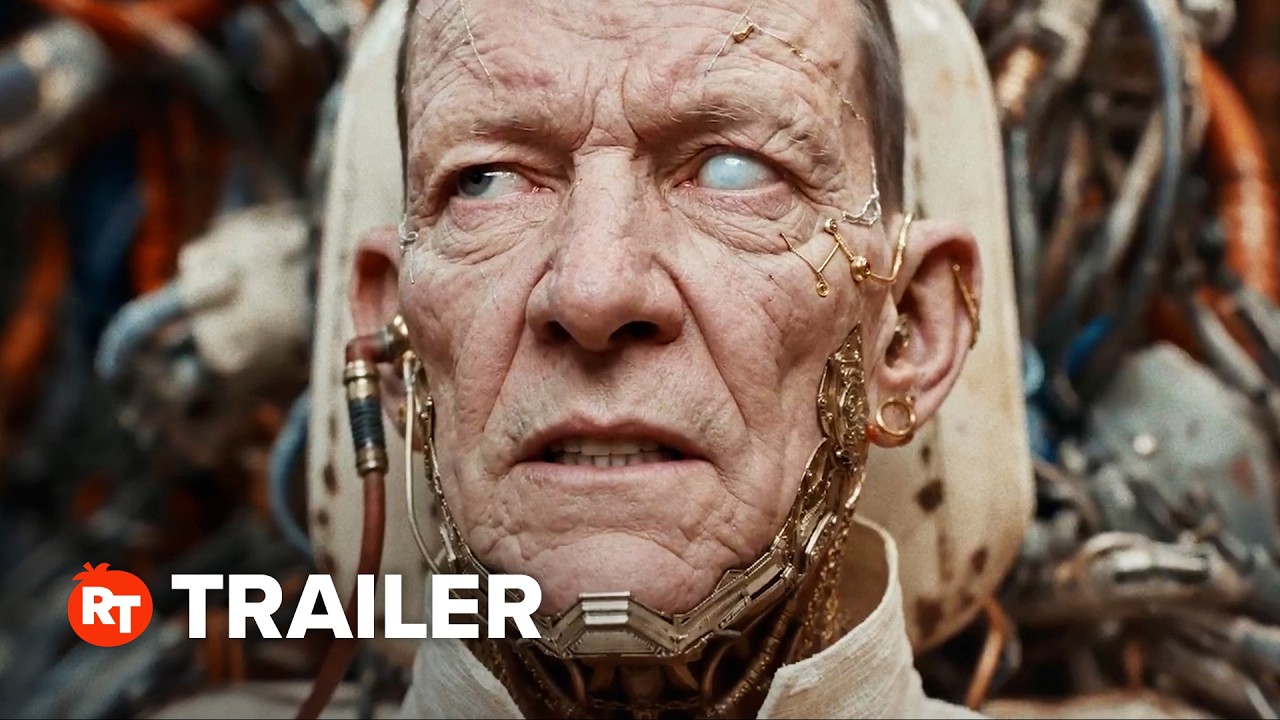
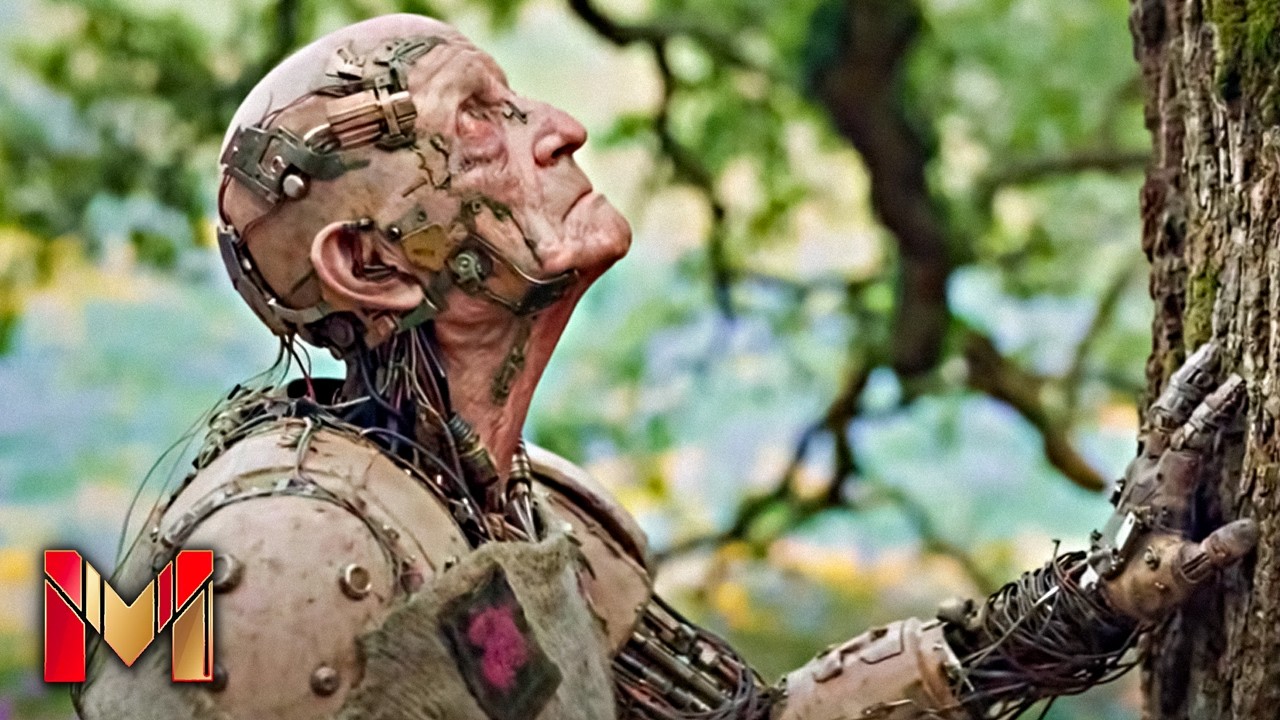
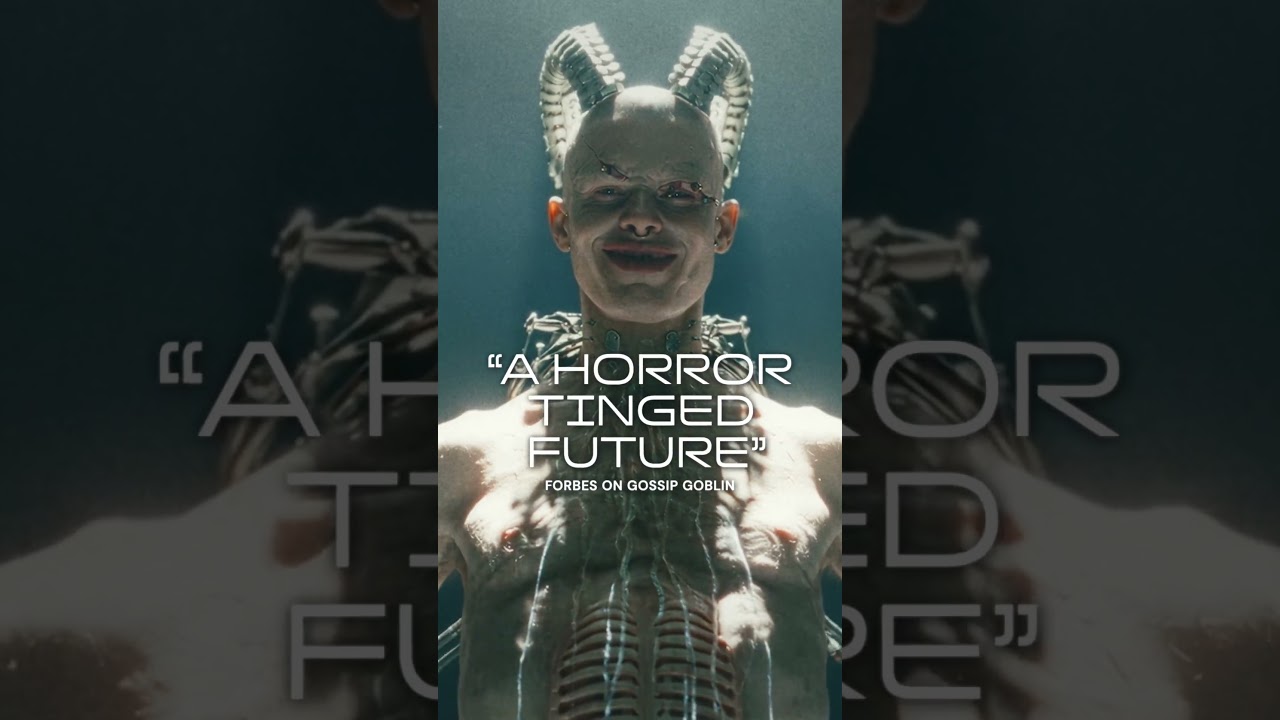
Strip away the headlines and Gods Don’t Give Gifts is a horror-tinged sci-fi anthology. It’s set in what London calls the “Second Cycle of Humanity”, a future where transhumanism has moved so fast that people barely look human any more. Four stories hang off that idea.
In the first, two brothers invent a way to transfer consciousness, and one corrupted mind ends up trapped inside an ape for centuries. The second loads human minds into engineered crabs for a rigged blood sport. The third follows a fugitive android hunting a childhood memory that belongs neither to him nor to the mechanic trying to recover it. The last is about an immortal aristocrat, numb after endless lifetimes, who chooses to live a single day as a mayfly.
That’s a lot of grotesque, body-swapping weirdness, and it’s exactly the sort of thing London’s YouTube shorts have made his name with. Nobody has released a runtime yet, and no budget figure has been made public either. What we do know is the shape of the thing: four pieces, one world, sold to cinemas as a single film.
That format matters more than it sounds. Anthologies let AI filmmakers avoid one of the technology’s best-known weak spots, which is keeping characters and locations consistent over a long running time. Four shorter stories are easier to hold together than one 100-minute narrative. Whether audiences treat it as a real feature or four YouTube videos stitched together is one of the open questions going into December.
2. The MPA’s R Rating (October 2026, Motion Picture Association)
What makes it stand out: The filmmakers say it’s the first fully AI-generated film to receive an official rating from the Motion Picture Association.
Key data: Rated R in the US; no BBFC certificate has been published for the UK yet.
Why it matters: A rating is the boring paperwork that turns a piece of online content into something cinemas can actually book.
It’s easy to shrug at a rating. But the R is doing a lot of work in Fable’s marketing, and you can see why. Until now, AI-made films have mostly lived on YouTube, X and festival sidebars, outside the systems that govern what plays in a multiplex. An MPA rating says the film went through the same classification process as a Marvel film or an A24 horror.
The “first” claim comes from the filmmakers, and Deadline was careful to frame it that way. It’s hard to check independently, because the MPA doesn’t publish a list of which titles were made with which tools. Still, nobody has come forward with an earlier example, and several outlets, including Futurism, have repeated it.
The R also tells you something about the content. The stories involve minds trapped in animal bodies and a blood sport, and the trailer leans into body horror. This isn’t a family-friendly tech demo.
For UK viewers, the BBFC certificate will be the thing to watch. A UK release on 4 December would need one, and as of 1 November none has been published. We’ll update this piece if that changes.
3. The Move From 30 October to 4 December (2026, US and UK Cinemas)
What makes it stand out: The film was pushed back five weeks, and the reason given is entirely about the Oscars.
Key data: Original US date 30 October 2026; new date 4 December 2026; fewer than 1,000 US screens; limited UK release reported for the same day.
Why it matters: A December date puts it in awards season proper, alongside the films it wants to be compared with.
Gods Don’t Give Gifts was originally dated for 30 October. When the trailer arrived on 6 October, Variety reported that the date had moved to 4 December. Fable has been open that this is about awards eligibility and timing: a December opening lets the team run screenings for Academy voters and critics before nomination voting.
Fewer than 1,000 screens is a limited release by Hollywood standards. For comparison, a mid-sized studio film usually opens on 3,000 or more. But for a debut feature from a YouTuber, made with tools many cinema-goers are openly hostile to, it’s a large footprint.
The UK picture is murkier. Several reports, including coverage of the release plan, say the film will open in limited release in the US and UK on 4 December. None of the coverage we’ve seen names a UK distributor or lists cinemas, so treat the UK date as reported rather than locked. With AGC International now selling rights outside the US, a UK deal could still be done at the American Film Market.
December is also crowded. Avengers: Doomsday opens in UK cinemas on 16 December and Dune: Part Three on 18 December, so any UK run for an AI anthology will have to squeeze in before the blockbusters take every screen.
4. The Oscar Bid for Best Animated Feature (March 2027, Academy Awards)
What makes it stand out: It’s the first AI-made film to mount a full, traditional Oscar campaign.
Key data: Fable plans to submit it for Best Animated Feature, with screenings for Academy voters, early critics’ screenings and a billboard campaign across Los Angeles starting in November.
Why it matters: Even a failed campaign forces the Academy’s animation branch to decide, in public, what counts as animation.
Edward Saatchi hasn’t been shy about the ambition. In a statement reported by Variety, he said that for five years the question has been when an AI film will win an Oscar, and argued that Gods Don’t Give Gifts is the first one with a shot at a nomination. He also called it a seminal, historic moment in animation.
That’s a big claim, and it’s worth being realistic. Best Animated Feature is usually dominated by Disney, Pixar, DreamWorks, Sony Animation and well-loved international work. The branch that votes on nominations is made up of animators, many of whom work in an industry that’s worried about exactly this kind of technology. Getting a nomination means persuading those people to put it on their ballot.
Futurism’s headline on the story was blunt: “we wouldn’t hold our breath”. That feels about right. But there’s a difference between winning a nomination and being eligible to compete. The second is far more likely, and that alone would be a first.
The Academy also has standard eligibility rules that any animated feature has to meet, including a qualifying cinema run in the US and a minimum running time. Fable hasn’t published the runtime, so we can’t say yet how comfortably it clears that bar.
5. The Academy’s AI Rules (May 2026, Academy of Motion Picture Arts and Sciences)
What makes it stand out: The Academy banned AI performers and AI-written screenplays from Oscar eligibility, but didn’t ban AI imagery.
Key data: New rules announced around 1 May 2026 for the March 2027 ceremony; only roles credited in a film’s legal billing and demonstrably performed by humans with their consent can be considered, and screenplays must be human-authored.
Why it matters: Those rules leave a gap that an AI-animated film with human writers and voices could walk straight through.
The Academy’s update in May got plenty of attention, mainly because it named Tilly Norwood, the AI “actress” from Particle6, as the kind of synthetic performer that would not be eligible. The rules said filmmakers can still use AI tools, but performances have to come from consenting humans and screenplays have to be written by people. The Academy also said it can ask for more information to check that submissions were made by humans, and that AI-generated likenesses of real people would be judged case by case.
What the rules don’t do is ban AI-generated pictures. As several commentators pointed out when the film’s Oscar plan was announced, the Academy currently bars only AI-generated actors and screenplays. If Gods Don’t Give Gifts has human writers and human voice work, there’s a plausible argument that it qualifies.
That puts the Academy in an awkward spot. If it accepts the submission, it’s saying AI-generated animation is animation. If it rejects it, it needs a rule it hasn’t yet written. Either way, expect this film to be the test case people point back to when the next round of rules lands.

6. Zack London, aka Gossip Goblin (Director, YouTube)
What makes it stand out: He’s a YouTube creator making his feature debut, not a studio director experimenting with new tools.
Key data: His Gossip Goblin channel has about 1.4 million subscribers, and his earlier shorts have passed one billion views in total.
Why it matters: His audience is the proof of concept: there are people who’ll watch this kind of work, and lots of them.
London has built his following on short, unsettling AI-made sci-fi, the sort of clips that travel fast on YouTube and social feeds. Gods Don’t Give Gifts expands that world rather than starting from scratch, which helps explain why the trailer landed with an audience already primed for it.
It also changes the usual story about who gets to make a film. Creator-led features have been edging into cinemas for a couple of years, with YouTubers proving they can sell tickets to their fans. What’s different here is that the creator’s main tool is generative AI, and that’s the part people are arguing about.
Stuart Ford of AGC called London “a genuine auteur” when his company took the film on, and you can read that two ways. It’s sales talk, of course. But it’s also a deliberate attempt to frame the film around a person with a vision rather than around software. That framing is going to matter if Fable wants voters and critics to judge it as a film rather than as a demo.
There’s a reason the “auteur” angle is being pushed hard. One of the most common complaints about AI video is that it has no author, just prompts and outputs. A named director with a recognisable style is the best answer Fable has.
7. Fable and Edward Saatchi (Founded 2018, Showrunner)
What makes it stand out: Fable is the company behind Showrunner, the AI platform Saatchi has called the “Netflix of AI”, and it is producing and distributing the film in the US.
Key data: Founded in 2018 by Edward Saatchi and Pete Billington; Showrunner launched publicly in alpha in July 2025 after a closed test with about 10,000 users; backed by Amazon’s Alexa Fund; film budget not disclosed.
Why it matters: This isn’t a lone YouTuber against Hollywood; it’s a funded AI company with a clear interest in proving its technology belongs in cinemas.
Saatchi isn’t new to experimental filmmaking. He previously founded and led Oculus Story Studios, Facebook’s virtual reality animation unit, which made short VR films before it closed. Fable came after that, first working on virtual characters and then on Showrunner, which lets users create and remix animated TV episodes with AI.
Amazon’s investment through its Alexa Fund ties the film to a tech giant, which is worth bearing in mind. Amazon’s entertainment arms have been among the most active in testing AI in production, and that has not always gone well with artists, as item 11 shows.
Fable’s role as US distributor is also unusual. Most first features get picked up by a distributor. Here, the producer is putting it out itself, with WME Independent having brokered the US deal and continuing to advise on the theatrical plan. That gives Fable control over the campaign, but it also means the company carries the risk if audiences don’t turn up.
8. AGC International at the American Film Market (10 to 15 November 2026)
What makes it stand out: An established independent sales company is selling an AI-made film to buyers around the world.
Key data: AGC International, the sales arm of Stuart Ford’s AGC Studios, holds rights outside the US and is presenting the film at the American Film Market, 10 to 15 November 2026.
Why it matters: AFM is where UK, European and Asian distributors buy films, so this is where a UK distributor could be found.
This is the newest piece of the story, reported in late October by Variety, Deadline and Screen Daily. AGC has a long track record in independent film sales, and putting Gods Don’t Give Gifts on its slate gives the project a level of industry credibility that a YouTube channel alone can’t buy.
AFM is a working market rather than a festival. Distributors from dozens of territories meet sales agents, watch screenings and agree deals. AGC is billing the film as the first AI-made feature to get a traditional theatrical rollout and an awards campaign, which is the pitch you’d expect for a title that needs buyers to take a chance.
For British audiences, this is the most practical item on the list. Until a UK distributor is announced, the reported 4 December UK opening is only as firm as the deals that come out of AFM. If a distributor picks it up there, you’d expect a BBFC submission and cinema listings soon after. If nobody does, a UK release could slip or shrink.
It will also be a useful test of the market’s appetite. Buyers have been cautious about anything that might trigger a backlash from audiences or talent. How many territories sign up will tell us a lot about whether AI features are seen as a risk or an opportunity.

9. The Human Crew Behind an “AI Film” (More Than 10 Months of Work)
What makes it stand out: For a film sold as AI-generated, a lot of people worked on it.
Key data: The producers say it took more than 10 months, with a team combining AI tools with traditional post-production crew, artists, animators, musicians and writers; crew size and the specific AI tools used have not been disclosed.
Why it matters: The amount of human work involved is exactly what the Academy, critics and audiences will be arguing about.
Here’s the slightly awkward bit for anyone who sees this film as proof that AI can replace a crew. By the producers’ own account, it didn’t. People wrote the stories. People edited, scored and finished it. Artists and animators were involved. What AI replaced, mostly, is the expensive middle of the animation pipeline: building, lighting and rendering every shot by hand.
That matters for the Oscar argument. If the screenplay is human-written and the performances come from people, the Academy rules described in item 5 don’t obviously rule it out. Fable has every reason to stress the human side of the work.
It also matters for jobs. A 10-month production with a small team is a very different proposition from a traditional animated feature, which typically takes years and hundreds of artists. The fear among animators isn’t that films will be made with no people. It’s that they’ll be made with far fewer.
We’d like to know more. Which tools were used? How many people worked on it, and in which roles? How much was generated and how much was drawn, painted or composited by hand? None of that has been published, and the film’s awards campaign would be stronger if it were.
10. The Trailer and the “Slop” Backlash (6 October 2026)
What makes it stand out: The trailer is a genuine hit by view count, and it has also drawn the familiar criticism aimed at AI video.
Key data: Released on 6 October 2026; passed 15 million views, according to Screen Daily.
Why it matters: Views prove curiosity; they don’t prove people will buy a cinema ticket.
Fifteen million views in a few weeks would be a strong number for most studio trailers. It shows how much curiosity there is about what a feature-length AI film actually looks like. Futurism said the trailer gave a good look at the sci-fi visuals but filled viewers in on virtually none of the story, which is a fair description of many trailers, AI or not.
The criticism has been predictable but real. Plenty of viewers dismiss the footage as “AI slop”, and a Polish outlet framed the whole project as something that began with AI slop and is now heading to cinemas. Some of the film’s own supporters point out the irony that its stories are about humans losing themselves to technology.
The deeper problem for Fable is that public opinion on AI performers and AI-made films is still sceptical. An NRG study reported by TheWrap found that 56% of people said AI actors would never be as good as human actors. Gods Don’t Give Gifts isn’t selling AI actors, but it is asking audiences to pay for AI-made images, and that’s a related sell.
December’s box office figures will be the real verdict. Watch the per-screen average more than the total. If the film does well on a few hundred screens, distributors around the world will take note.
11. The Wider Fight: Castle Walls, Tilly Norwood, Punky Duck and Cannes (2026)
What makes it stand out: Gods Don’t Give Gifts lands in a year when almost every part of the industry has picked a side on AI.
Key data: Prime Video released the AI-made Turkish series Castle Walls on 12 August 2026; Cannes issued a blanket ban on AI-generated productions; the Academy’s AI rules came in May; Jorge R. Gutierrez left Amazon MGM’s AI-assisted Punky Duck after a backlash in May.
Why it matters: Whatever happens to this film will be read as a verdict on all of it.
It’s been a busy year. In August, Prime Video put out Castle Walls (Surlar), a historical drama from Ay Yapım’s AI division, built on a video model trained on the Turkish studio’s own licensed catalogue. It was billed as one of the first series made largely with AI to launch on a major global streamer, though the company stressed that the acting was not AI-generated.
The reaction from artists has often been fierce. Jorge R. Gutierrez, the creator of The Book of Life, stepped away from Amazon MGM’s AI-assisted animation project Punky Duck in May after heavy criticism from artists and fans, and he reported receiving death threats. That episode shows how raw the animation community’s feelings are, and it’s the same community that votes for Best Animated Feature.
Meanwhile Particle6 is pushing Tilly Norwood towards her feature debut in Misaligned, and Nicolas Cage said at New York Comic Con that he refused to sign a document allowing AI use around his likeness for Spider-Noir. Cannes, meanwhile, has shut its doors to AI-generated productions entirely.
Filmoria has been following this closely. We covered the Astana AI Film Festival winners in October, China’s AI micro-drama boom and Japan’s new AI voice rules. Gods Don’t Give Gifts is the next step on from all of those: not an AI film at an AI festival, but an AI film trying to compete at the biggest awards in film.
What Happens Next
The next six weeks will decide a lot. AFM runs from 10 to 15 November, so we should learn quickly whether a UK distributor is attached. The Los Angeles billboard push and voter screenings follow, then the 4 December opening. After that it’s down to the Academy’s animation branch, which will either treat the film as a contender, a curiosity or something it doesn’t want in the race at all.
Our guess? A nomination is a long shot. But the film doesn’t need one to matter. If it fills a few hundred screens and gets taken seriously by even some critics, the question stops being whether AI films will reach cinemas and becomes how many, how soon and under what rules. That’s the debate actors, animators and the Academy will be having all through 2027.
Sources: Variety (trailer and Oscar plan), Variety (AGC International deal), Deadline (AFM sales), Screen Daily, Futurism, AAP (Academy AI rules).
Frequently Asked Questions
When is Gods Don’t Give Gifts released in UK cinemas?
Gods Don’t Give Gifts is reported to open in limited release in UK cinemas on 4 December 2026, the same day as its US release. No UK distributor or cinema list has been confirmed yet.
Who directed Gods Don’t Give Gifts?
Gods Don’t Give Gifts was directed by Zack London, the YouTube creator known as Gossip Goblin. It is his first feature film.
Is Gods Don’t Give Gifts made entirely with AI?
Gods Don’t Give Gifts is described as a fully AI-generated film, but its producers say it was made over more than 10 months by a team that combined AI tools with post-production crew, artists, animators, musicians and writers.
What is Gods Don’t Give Gifts about?
Gods Don’t Give Gifts is four connected sci-fi horror stories set in the ‘Second Cycle of Humanity’, a future where transhumanism has changed what people look like. The stories involve a mind trapped in an ape, minds loaded into crabs for a blood sport, a fugitive android and an immortal who lives one day as a mayfly.
Why was Gods Don’t Give Gifts delayed to December?
Gods Don’t Give Gifts moved from 30 October to 4 December 2026 so Fable could run an Oscar campaign for Best Animated Feature, including screenings for Academy voters and critics.
Can an AI film be nominated for an Oscar?
An AI-assisted film can be submitted for an Oscar, because the Academy’s May 2026 rules only bar AI-generated performers and AI-written screenplays, not AI-generated images. Whether voters nominate one is a separate question.
What age rating is Gods Don’t Give Gifts?
Gods Don’t Give Gifts is rated R by the Motion Picture Association in the US. A BBFC rating for the UK has not been published yet.
Who is Fable, the company behind Gods Don’t Give Gifts?
Fable is an AI entertainment company founded in 2018 by Edward Saatchi and Pete Billington. It makes Showrunner, an AI platform for creating animated episodes, and is backed by Amazon’s Alexa Fund.
How many views has the Gods Don’t Give Gifts trailer had?
The Gods Don’t Give Gifts trailer passed 15 million views after its release on 6 October 2026, according to Screen Daily.
Who is selling Gods Don’t Give Gifts outside the US?
AGC International, the sales arm of Stuart Ford’s AGC Studios, is selling Gods Don’t Give Gifts outside the US and is presenting it at the American Film Market from 10 to 15 November 2026.
📸 Follow us on Instagram for daily film, TV & gaming news: @filmoriauk

Kevin Bennett
Covers genre cinema for Filmoria: horror, thrillers and the sort of low-budget film that finds its audience years after release. Also writes on physical media and restorations.